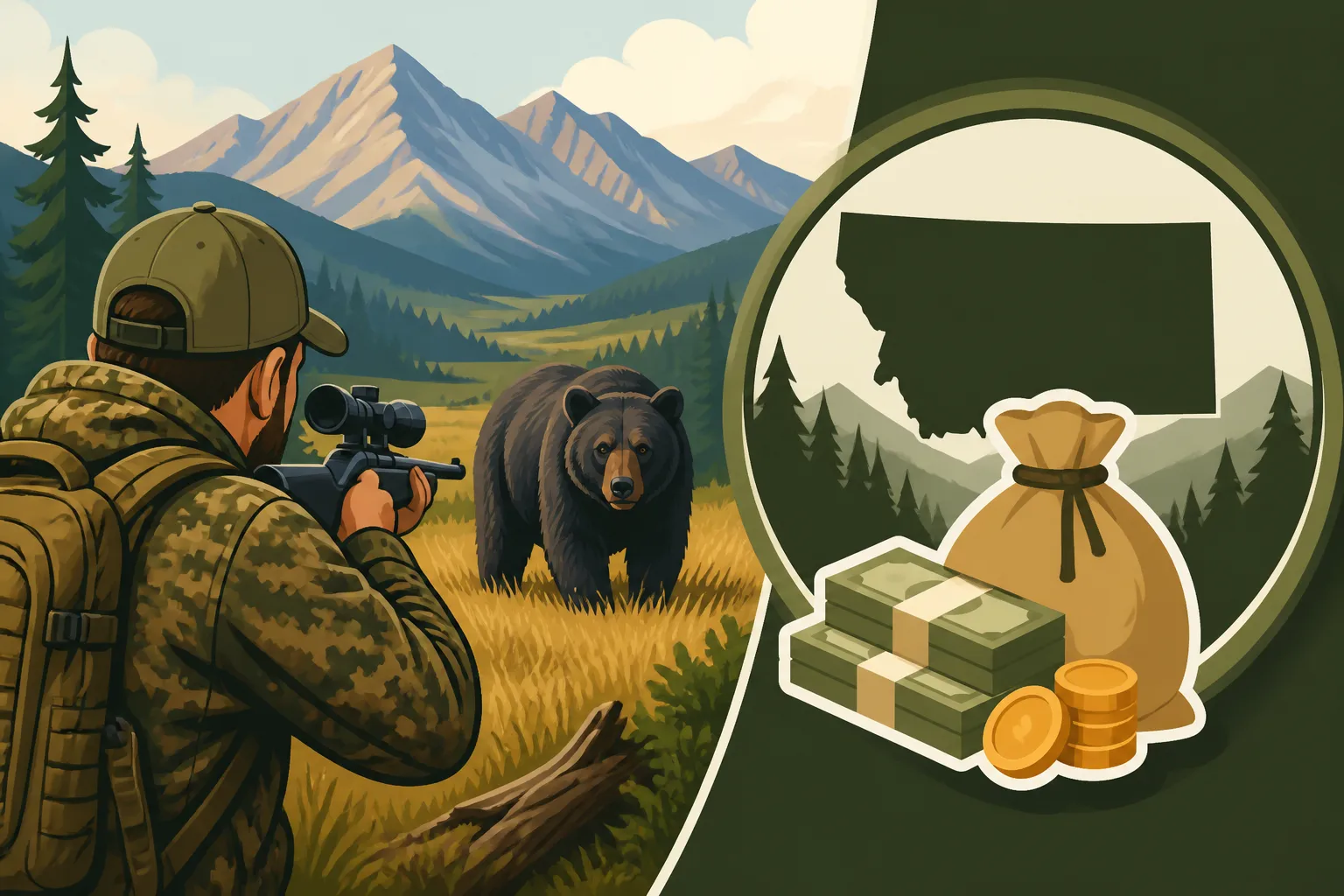
Montana Guided Bear Hunt Cost
Planning a guided bear hunt in the vast, wild landscapes of Montana is an exciting prospect, but let's be real: one of the first questions that pops into every hunter's mind is, "How much is this going to set me back?" It's a completely fair question, and the range of prices out there can feel like a dizzying mountain climb in itself. This guide is here to help you navigate the financial terrain of guided black bear hunts in Montana, breaking down the factors that influence cost and what you can expect for your hard-earned money.
Factors Influencing Guided Bear Hunt Costs in Montana
The sticker price you see for a guided bear hunt in Montana isn't just a random number an outfitter pulls out of a hat. Oh no, it's a carefully calculated figure that reflects a multitude of variables, much like the changing weather patterns you'll encounter in the backcountry. Understanding these factors can help you make an informed decision and find a hunt that aligns with both your expectations and your budget.
Location and Terrain Accessibility
Montana is a big state, and where you choose to hunt bears profoundly impacts the cost. Are you dreaming of a deep wilderness adventure, packing into remote areas like the Bob Marshall Wilderness or a section of the Absaroka-Beartooth? Or are you looking for a more accessible hunt closer to towns like Missoula or Kalispell, perhaps on forest service land with easier road access? Wilderness hunts, by their very nature, require more logistical effort, specialized gear, and often, horses or mules to pack in supplies and pack out your bear. This translates directly to a higher price tag.
Imagine an outfitter needing to hire wranglers, feed a string of horses for a week, and maintain extensive camp setups deep in the mountains. That's a significant investment on their end, and it will be reflected in your total cost. Conversely, a hunt conducted from a truck-accessible base camp, utilizing ATVs or shorter hikes into active bear areas, will generally involve fewer logistical headaches and thus, a lower price. Always consider the terrain and remoteness when evaluating costs.
Hunt Duration and Time of Year
Most guided bear hunts in Montana range from 5 to 7 days, but some outfitters might offer shorter "meat hunts" or longer "trophy hunts." Naturally, the longer you're in the field, the more it costs, as it covers additional days of guide services, food, lodging, and logistics. Each day represents labor, fuel, and provisions.
The time of year also plays a role, particularly for black bear. Montana offers both spring and fall bear seasons, and while the costs might be similar, the hunt experience and tactics differ. Spring hunts, often focusing on bears emerging from hibernation and feeding on green-up, can involve baiting or spot-and-stalk tactics. Fall hunts might target bears gorging on berries and other mast crops, often focusing more on spot-and-stalk or still-hunting. The specific outfitter's preferred method and the typical success rates for that season can subtly influence pricing. Montana Spring Bear Season and Tags and Montana Fall Bear Season and Tags can provide more context on these seasons.
Outfitter Reputation and Guide Experience
Just like any service, the experience and reputation of your outfitter and their guides come with a premium. A seasoned outfitter with decades of successful hunts, a strong track record, and a team of highly knowledgeable guides who know the bear's habits and local terrain like the back of their hand will generally charge more. Why? Because you're paying for expertise, efficiency, and a higher probability of success and a safe, enjoyable experience.
Think about it: an experienced guide can read bear sign, understand thermals, and make crucial decisions in the field that a less experienced guide might miss. They've invested years in scouting, learning, and perfecting their craft. While a newer or less established outfitter might offer a slightly lower price to attract clients, it’s worth weighing that against the potential benefits of booking with a long-standing, reputable operation. Platforms like BookYourHunt and GoHunt are great resources for researching outfitter reviews and reputations.
Type of Hunt: Spot-and-Stalk vs. Baiting
The methodology of your bear hunt can also affect the price. In Montana, both spot-and-stalk and baiting methods are legal for black bears, though regulations vary by district.
- Spot-and-Stalk Hunts: This classic western hunting style involves covering ground, often extensive hiking or glassing from high vantage points, to locate bears. It's physically demanding and requires keen eyes and patience. Outfitters conducting purely spot-and-stalk hunts might include more travel (trucks, ATVs, horses) to access prime glassing areas and more intensive guide effort for locating bears across vast landscapes. How to Spot-and-Stalk Montana Black Bear is a good read if you're interested in this method.
- Baited Hunts: Some outfitters use bait stations to attract bears. This method typically involves less physical exertion for the hunter, as you'll often be waiting in a blind or tree stand near an active bait site. However, baiting requires significant effort from the outfitter in setting up, maintaining, and replenishing multiple bait stations daily, sometimes for weeks before your arrival. The cost of bait, time for setup, and daily checks are all factored into the hunt price.
Both methods can be highly effective, but the labor and resources required for each differ, leading to variations in cost.
Types of Guided Bear Hunts and Their Price Tiers
When you start looking at guided bear hunts in Montana, you'll quickly realize that not all "guided" hunts are created equal. There's a spectrum of service levels, each designed to cater to different budgets, skill levels, and preferences. Understanding these classifications is key to comparing apples to apples when you're looking at prices.
Fully Guided Hunts
This is the crème de la crème of guided experiences, offering the highest level of service and, consequently, the highest price. With a fully guided hunt, you're essentially showing up ready to hunt, and the outfitter handles almost everything else.
Picture this: you arrive at a comfortable lodge or a well-appointed backcountry camp. Your guides are there to meet you, your meals are prepared, and your accommodations are taken care of. Each day, you'll head out with your dedicated guide (often one-on-one, or a 2-on-1 ratio, meaning two hunters per guide), who will transport you to prime bear country, help you spot and stalk, track, field dress, and even help pack out your bear. They're with you from sunup to sundown, providing expert knowledge of the terrain, bear behavior, and hunting strategies. These hunts often include all your in-field transportation, camp amenities, and sometimes even initial meat and trophy care. It's an immersive experience where your focus is purely on the hunt and enjoying the vast Montana wilderness. This is often what people envision when they think of a "guided hunt."
Semi-Guided Hunts
A semi-guided hunt offers a middle ground, a bit like having a helpful mentor rather than a constant companion. These hunts are generally more affordable than fully guided options because the hunter takes on more responsibility for their own success.
In a semi-guided scenario, the outfitter might provide a comfortable base camp or lodging, meals, and general area knowledge. They might show you maps, point out productive areas, or drop you off at trailheads, but they won't be with you side-by-side every moment of the hunt. You'll likely be responsible for navigating, calling, and making your own stalks. If you successfully harvest a bear, the outfitter might assist with recovery and packing out, but don't expect them to hold your hand through every decision. This option is fantastic for experienced hunters who enjoy the challenge of a DIY style hunt but appreciate the logistical support, local knowledge, and peace of mind that comes with an outfitter's presence and resources in an unfamiliar area. It’s a great way to save a bit of money while still benefiting from expert insights.
Drop Camp Hunts
Drop camps are for the truly adventurous and self-reliant hunter who still wants to access remote backcountry without owning a string of horses or navigating tricky logistics. This is the most budget-friendly "guided" option, as the "guiding" aspect is minimal.
With a drop camp, an outfitter provides transportation (often via horses, mules, or sometimes ATVs into designated areas) to a pre-set camp in the wilderness. This camp usually includes basic amenities like a wall tent, cots, a wood stove, and cooking supplies. From there, you and your hunting partners are completely on your own for the duration of the hunt. You provide your own food, hunt independently, and are responsible for field dressing and getting your bear back to camp. The outfitter will return at a pre-arranged time to pack out your gear and your harvested bear. This option requires significant hunting experience, outdoor survival skills, and a strong dose of self-sufficiency. It's essentially a wilderness DIY hunt with the logistical hurdle of getting into a remote area handled for you. If you're looking for a raw, immersive experience where you pit your skills against the wilderness, a drop camp could be perfect. You can learn more about this style of hunting in our Montana Backcountry Hunting Guide or Montana Drop Camp Hunts Explained.
Here's a quick comparison of these different service levels:
| Hunt Type | Guide Interaction | Hunter Responsibility | Typical Inclusions | General Cost Shape | Ideal Hunter For |
|---|---|---|---|---|---|
| Fully Guided | High (1:1 or 2:1) | Minimal (focus on hunting) | Guide, lodging, meals, in-field transport, initial meat care | Higher | First-timers, less experienced, luxury, high success priority |
| Semi-Guided | Moderate (advice, drop-offs) | Moderate (navigation, stalking, decision-making) | Lodging, meals, area knowledge, recovery assist | Mid-range | Experienced, budget-conscious, semi-DIY |
| Drop Camp | Low (transport only) | High (all hunting & camp tasks) | Camp setup, transport in/out of wilderness | Lower | Self-reliant, experienced, wilderness enthusiasts, DIY |
What's Included in Your Montana Guided Bear Hunt Fee
Understanding what's covered by your outfitter's fee is crucial for budgeting accurately. It’s not just about the upfront cost; it’s about the total investment. Many first-time guided hunters get caught off guard by "hidden" costs, which aren't hidden at all if you read the fine print! Let's break down the common inclusions and what you'll almost certainly need to budget for separately.
Common Inclusions in the Outfitter's Price
Most reputable Montana outfitters will clearly state what's included in their guided hunt packages. Here's a typical list:
- Guide Services: This is, of course, the core of a guided hunt. Whether it's a dedicated 1-on-1 guide or a 2-on-1 arrangement, this covers their expertise, time, and effort in leading your hunt.
- Lodging: Depending on the hunt, this could mean a comfortable lodge, a rustic cabin, or a fully equipped wall tent camp in the backcountry.
- Meals: Again, this varies. Fully guided hunts usually include all meals, from hearty breakfasts to packed lunches and delicious dinners. Drop camps, by contrast, require you to bring all your own food.
- In-field Transportation: This covers getting you from camp to the hunting areas. It might involve 4×4 vehicles, ATVs, horses, or even jet boats on certain rivers.
- Field Dressing and Caping: Once you harvest your bear, the guide will typically handle the initial field dressing and caping for taxidermy, ensuring your trophy is properly cared for.
- Initial Meat Care: Your guide will help quarter the bear and get the meat cooled and packed out of the field. How they handle the meat after it leaves the field can vary, so always clarify if they arrange for processing or simply drop it off at a local processor.
- Tentative Itinerary and Pre-Hunt Information: Most outfitters provide detailed packing lists, travel advice, and what to expect before you even arrive.
What's NOT Included (and Why You Need to Budget for It)
This is where many hunters get surprised. While the outfitter covers a lot, there are significant costs you'll be responsible for.
- Montana Hunting Licenses and Tags: This is a big one. You must purchase your Montana hunting license, conservation license, and the specific black bear tag separately. These costs are set by the state and can vary significantly for residents versus nonresidents. It's critical to understand the draw process, application deadlines, and costs for these tags well in advance. For example, a nonresident bear tag will be a separate expense on top of your guided hunt fee. Montana Hunting License Costs and Montana Black Bear Season Dates are good resources here.
- Travel to and from Montana: Your airfare or fuel costs to get to Montana (and often to a specific rendezvous point with your outfitter) are your responsibility.
- Meat Processing and Taxidermy: After your bear is out of the field, you'll need to pay a local butcher to process the meat and a taxidermist if you plan to mount the hide or skull. These services are typically not part of the outfitter's fee.
- Gratuities for Guides and Camp Staff: Tipping is customary in the guiding industry and is a significant part of a guide's income. Budgeting 10-20% of the hunt cost for tips is standard. This should be a separate line item in your budget! Our article Tipping a Montana Hunting Guide can provide more details.
- Personal Hunting Gear: This includes your weapon (rifle or bow), ammunition, optics, specialized hunting clothing, boots, backpack, sleeping bag (for drop camps), and any other personal items you need for the hunt. While an outfitter provides some camp gear, your personal equipment is always your responsibility.
- Pre and Post-Hunt Accommodations/Meals: If you arrive a day early or stay a day late, those hotel and meal costs are yours.
- Unexpected Costs: Emergency travel, lost luggage, or other unforeseen circumstances are always a possibility when traveling, especially to remote areas. Travel insurance is always a wise consideration.
By understanding these distinctions, you can create a much more realistic budget for your Montana guided bear hunt.
Budgeting and Finding Value in Montana Bear Hunts
Okay, so we've talked about what drives costs and what's included. Now, let's get down to the practical side of budgeting and finding a guided bear hunt in Montana that delivers great value without breaking the bank. It's not just about the cheapest price; it's about the best experience for your investment.
General Price Ranges for Guided Bear Hunts
While I can't give you exact figures, I can certainly describe the shape of the costs you'll encounter for a typical 5-7 day guided black bear hunt in Montana:
- Drop Camp Hunts: These will be on the lower end of the guided spectrum, reflecting the minimal guiding services provided. They cover the logistics of getting you into and out of a wilderness camp.
- Semi-Guided Hunts: These fall into the mid-range. You get some outfitter support and knowledge, often with lodging and meals, but you're doing a fair bit of the hunting yourself.
- Fully Guided Hunts: These will be at the higher end, encompassing comprehensive services, dedicated guiding, and usually more amenities.
Remember, these are just the outfitter's fees. You'll need to add the cost of your Montana Black Bear Season and Tags, travel, tips, and other personal expenses on top of these ranges.
Researching and Comparing Outfitters Effectively
Finding the right outfitter is paramount. It's not just about the cost, but about finding a reputable operator who aligns with your hunting style and expectations.
- Start Early: Good outfitters book up well in advance, sometimes a year or more out. Starting your research early gives you more options and avoids last-minute scrambling.
- Utilize Online Platforms: Websites like BookYourHunt and GoHunt are invaluable resources. They allow you to browse multiple outfitters, read reviews from past clients, compare services, and often see available dates. Pay close attention to recent reviews and look for consistent themes, both positive and negative.
- Check Outfitter Websites and Social Media: Once you've narrowed down a few, dive deep into their own websites. Look at photo galleries (are they recent? Do they show happy hunters with quality bears?), read their "About Us" section, and get a feel for their operation. Social media can also offer a glimpse into their day-to-day operations and client interactions.
- Verify Licensing and Insurance: A legitimate outfitter in Montana will be properly licensed and insured. Don't be afraid to ask for proof. This protects both you and them. Our article on Montana Outfitter Licensing Explained can walk you through what to look for.
- Get References: Any reputable outfitter should be happy to provide references from past clients, ideally from the last season or two. Don't just get the names; call them! Ask specific questions about the quality of the hunt, the guide's professionalism, the food, the camp, and whether the hunt delivered on its promises.
- Ask Detailed Questions: When you contact an outfitter, have a list of questions ready. Don't be shy!
- What's the typical guide-to-hunter ratio?
- What are the accommodations like?
- What kind of food is served?
- What are their success rates for bear? (Be realistic; success rates are influenced by many factors, including the hunter's skill and weather).
- How do they handle meat and trophy care from the field to a processor/taxidermist?
- What's their cancellation policy?
- What exactly is and isn't included in the stated price?
- Can they explain the specific hunting tactics they use (spot-and-stalk, baiting, hounds, etc.)?
Finding Value Beyond the Price Tag
Value isn't just about the lowest dollar amount; it's about the entire experience.
- Consider What You Want from the Hunt: Are you after a trophy, or are you primarily interested in the experience and meat? Do you want a physically challenging hunt or something more relaxed? Be honest with yourself and the outfitter.
- Success vs. Experience: While everyone wants to harvest an animal, a guided hunt is also about the adventure, the learning, and the time spent in the wild. Sometimes a slightly more expensive hunt with a highly reputable outfitter might offer a better overall experience, even if you don't tag out.
- The "Extras": Does the outfitter offer airport pickup? Do they have a good reputation for excellent food? Do they help with pre-hunt scouting advice? These "extras" can add significant value to your trip.
- Plan for All Costs: Create a comprehensive budget that includes the outfitter fee, license, travel, tips, meat processing, taxidermy, and any necessary gear upgrades. Don't forget an emergency fund. Our Montana Guided Elk Hunt Cost article offers a similar breakdown for elk that can help you contextualize overall expenses for guided big game hunts.
Booking a guided bear hunt in Montana is an investment in an unforgettable adventure. By doing your homework, asking the right questions, and understanding all the cost components, you can choose an outfitter and a hunt that offers incredible value and helps you achieve your bear hunting dreams. How to Book a Montana Hunting Guide will give you even more pointers.
Disclaimer
This article is for general informational purposes only and does not constitute professional advice. Laws, prices and regulations vary by location and change over time. Consult a qualified professional for guidance on your specific situation.