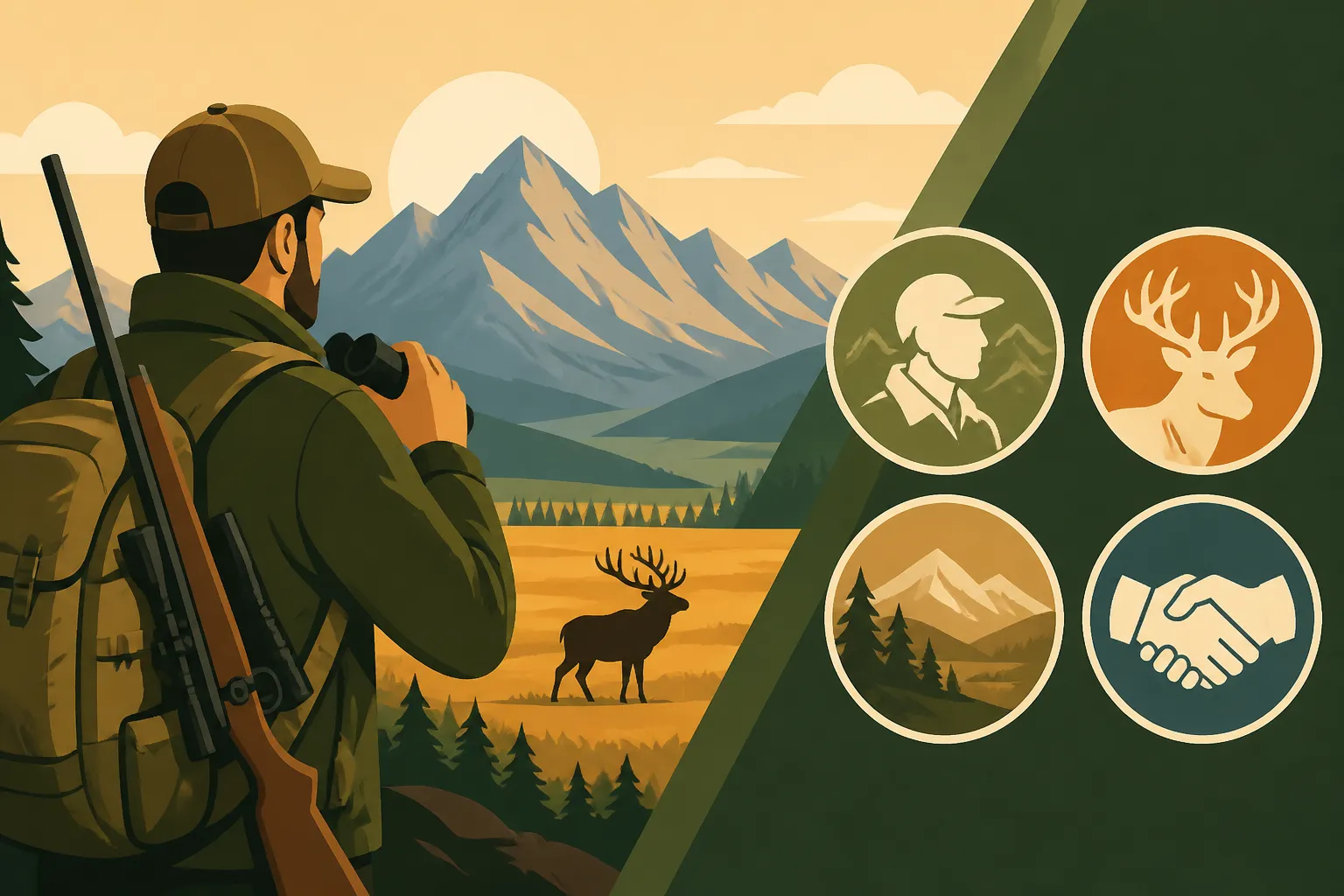
How to Choose a Montana Hunting Outfitter
Choosing a Montana hunting outfitter can feel like trying to navigate a vast, sprawling wilderness without a compass. With so many options, varying price points, and different levels of service, it's easy to get overwhelmed and worry about making the wrong decision for what's often a significant investment of time and money. This comprehensive guide is designed to cut through that confusion, helping you understand exactly what to look for, what questions to ask, and how to select the perfect outfitter for your dream Montana hunting adventure.
Understanding Your Hunting Goals and Expectations
Before you even start looking at outfitter websites or calling references, the very first step is to sit down and honestly evaluate what you want out of a Montana hunt. This isn't just about what species you want to chase, but the entire experience from start to finish. Defining these personal goals will be your most valuable filter when sifting through the countless options available.
Defining Your Target Species and Experience Level
Your target species is often the easiest decision, but it's vital to consider it alongside your experience level. Are you dreaming of a majestic bull elk, a wary mule deer buck, a fast antelope, or even a black bear? Each species presents unique challenges, habitats, and hunting methods.
For instance, if you're a first-time elk hunter, the learning curve is steep, and you might benefit immensely from a fully guided experience where an expert can teach you the ropes. They'll help you understand Montana Elk Calling Sounds Explained, track elk sign, and navigate the rugged terrain. On the other hand, if you're a seasoned whitetail hunter from the Midwest looking to try a spot-and-stalk mule deer hunt in Montana, you might prefer a semi-guided option where you can apply your existing skills with some crucial local insights. It's crucial to be realistic about your current skills. There's no shame in admitting you're new to Western hunting; outfitters cater to all levels, but matching your experience to the right service will lead to a much more satisfying and safer hunt. Are you comfortable with long days hiking in steep terrain, or do you prefer a hunt with vehicle access and less physical exertion? These details matter significantly for your overall enjoyment and success.
Budgeting for a Montana Guided Hunt
Let's be real: guided hunts in Montana are an investment. It's not just the outfitter's fee; you've got travel, licenses, gear, and potentially meat processing and taxidermy. Understanding the Montana Guided Elk Hunt Cost can be a major factor. Prices can vary wildly depending on the species, the duration of the hunt, the amenities offered, and the level of guiding service.
A basic drop camp, where an outfitter packs you and your gear into the wilderness but leaves you to hunt independently, will naturally be far less expensive than a luxurious fully guided, all-inclusive private ranch hunt. Consider what you're willing to spend, and what elements of the experience are most important to you within that budget. Is it vital to have a hot shower and gourmet meals every night, or are you perfectly happy roughing it in a wall tent if it means a more remote, authentic experience? Be prepared for the outfitter to clearly detail what's included and what's not. Some outfitters might include all meals, lodging, and in-field transportation, while others might expect you to arrange your own food or cover additional costs like airport shuttles. This upfront clarity is paramount to avoid unpleasant surprises.
Preferred Hunting Style and Physical Demands
Montana hunting is incredibly diverse, ranging from high-alpine backpack hunts to rolling prairie antelope chases. Your preferred style of hunting and your current physical condition should heavily influence your outfitter choice. Do you envision yourself on horseback, riding deep into the backcountry, or do you prefer covering ground on foot?
Perhaps you're an archery enthusiast looking to get up close and personal during the rut, or a rifle hunter who appreciates long-range opportunities. Each outfitter specializes in different types of hunts and terrain. A truly successful hunt is often one where your expectations align with the outfitter's offerings and the realities of the landscape. For example, some outfitters focus on hunting the timbered mountains for elk, which demands a certain level of physical endurance and quiet movement, as detailed in our guide on How to Still-Hunt Montana Timber. Others might operate primarily on vast private ranches where glassing from a truck or ATV might be more common. It's absolutely crucial to discuss the typical daily routine and the physical demands with potential outfitters. Don't underestimate the mountains; even a fit individual can be challenged by the elevation and ruggedness. Be honest about your capabilities, and a good outfitter will help you find a hunt that’s challenging but enjoyable, not overwhelming.
Researching Potential Montana Outfitters
Once you have a clear picture of your ideal hunt, it's time to dive into the research phase. This is where you separate the wheat from the chaff, using reliable resources to find reputable and well-suited outfitters. Don't rush this step; thorough research is your best defense against disappointment.
Utilizing Online Platforms and Directories
The internet has revolutionized how hunters find outfitters, making it easier than ever to explore options. Websites like BookYourHunt and GoHunt are fantastic starting points, acting as centralized directories where you can browse outfitters by species, region, hunt type, and even budget.
These platforms often feature client reviews, photos, and detailed descriptions of services, allowing for easy comparison. For instance, if you're specifically looking for a Montana Elk Hunting Outfitters Guide, these sites can quickly filter down to relevant operations. While convenient, remember that these are commercial platforms, and while they strive for accuracy, it’s always wise to cross-reference information. Many outfitters also maintain their own professional websites, which can offer deeper insights into their specific operations, team, and unique selling points. Take your time to explore these, paying attention to the quality of information, recent updates, and testimonials. Websites like GoHunt even provide insights into draw odds and unit breakdowns, which can indirectly help you identify outfitters operating in desired areas.
Checking Licenses and Professional Affiliations
This step is non-negotiable. Any legitimate outfitter operating in Montana must be licensed by the Montana Board of Outfitters. This isn't just a formality; it ensures they meet specific insurance requirements, safety standards, and ethical guidelines. You can usually find their license number on their website, and it's smart to verify this directly with the state Board of Outfitters.
Additionally, many reputable outfitters are members of professional organizations like the Montana Outfitters and Guides Association (MOGA). While not legally required, membership in MOGA often signifies a commitment to industry best practices, continuing education, and a higher standard of service. These organizations can also be a valuable resource if you encounter issues down the line. Asking about their affiliations and license status is a straightforward question that every legitimate outfitter should be happy to answer. Think of it as vetting any professional service provider; you wouldn't hire a contractor without checking their credentials, and an outfitter should be no different. Our article on Montana Outfitter Licensing Explained delves deeper into these requirements.
Reading Reviews and Seeking References
Online reviews, much like any product or service, offer a mixed bag. They can provide valuable insights into past client experiences, but it's important to read them critically. Look for recurring themes, both positive and negative, and try to discern patterns rather than focusing on isolated incidents. A few negative reviews amidst many positive ones might not be a red flag, but a consistent stream of complaints about communication, guide quality, or camp conditions certainly would be.
Beyond online reviews, always ask for direct client references – specifically, clients who have hunted with the outfitter within the last year or two, and ideally, those who hunted the same species and style you're interested in. A truly transparent and confident outfitter will provide several contacts without hesitation. When you call references, ask specific questions: "How was the food?" "Did the guides work hard?" "Were the expectations set accurately?" "Would you hunt with them again?" "Did they help with How to Pack Out an Elk in Montana?" Don't be shy; these conversations are invaluable. Pay attention to how the references describe the challenges they faced and how the outfitter handled them, because not every hunt results in a kill, but every hunt should be a positive experience.
Key Questions to Ask a Montana Outfitter
Once you've narrowed down your list to a few promising candidates, it's time for direct communication. This is your chance to get the details, clarify ambiguities, and gauge the outfitter's responsiveness and professionalism. Prepare a comprehensive list of questions and don't hesitate to ask them all.
Understanding Hunt Logistics and Inclusions
This is where you clarify the nuts and bolts of your trip. Don't assume anything is included. Ask exactly what is covered in the stated price: "What's included in a Montana Guided Hunt?" Will meals be provided, and what kind of meals? Where will you be staying – a comfortable lodge, a rustic cabin, or a wall tent in a backcountry camp?
How will you travel to and from the hunting area each day? Is it by truck, ATV, horseback, or strictly on foot? What about field care of the animal if you're successful, and initial packing out? Are there any hidden costs or unexpected fees, such as surcharges for trophy preparation, gratuities, or specific camp supplies? A clear, itemized breakdown of costs and inclusions prevents any misunderstandings or budget surprises later on. Remember, a good outfitter wants you to have a clear picture, so they should be transparent about all aspects of the hunt.
Discussing Success Rates and Hunter Expectations
When outfitters advertise success rates, it's crucial to understand what those numbers truly represent. Are they talking about "opportunity rates" (seeing game), "kill rates" (harvesting an animal), or "success rates" (filling tags)? There's a big difference. No ethical outfitter can guarantee a kill, as hunting involves too many variables like weather, animal behavior, and hunter proficiency.
Instead, focus on understanding the realistic expectations for your specific hunt. Ask about the outfitter's historical success rates for the species and weapon you'll be using, in the specific hunting district you'll be in. What's their take on Montana Elk Draw Odds by District? More importantly, ask what a typical successful hunt looks like, and what a "tough" hunt entails. A good outfitter will manage your expectations, explaining the challenges and rewards of the hunt without making unrealistic promises. They should emphasize the effort involved and the wild nature of the pursuit.
Guide Experience and Staff Qualifications
The quality of your guide can make or break your hunt. These are the individuals who will be by your side, interpreting sign, making crucial decisions, and often sharing camp with you. Inquire about the experience level of the guides, particularly those you might be assigned to. Are they full-time professionals, or seasonal help? How long have they been guiding in Montana, and specifically in the area you'll be hunting?
Ask about the guide-to-hunter ratio. A lower ratio (e.g., 1:1 or 1:2) often translates to more personalized attention and greater flexibility in hunting strategies. It's also important to confirm that guides are first-aid certified and familiar with backcountry safety protocols, especially if you're planning a more remote hunt. They should know how to handle emergencies, from minor injuries to severe weather events. A well-trained and experienced guide not only increases your chances of success but also ensures a safer and more enjoyable overall experience. Our guide on What to Expect on a Guided Montana Elk Hunt further explores this dynamic.
Different Types of Montana Guided Hunts
Montana offers a spectrum of guided hunting experiences, each designed to cater to different preferences, budgets, and physical capabilities. Understanding these distinctions is key to choosing an outfitter that truly aligns with your vision for the hunt.
Fully Guided Hunts
This is the quintessential "dream hunt" for many, especially those new to Western big game or seeking a high-level of service and expertise. In a fully guided hunt, typically everything is provided: comfortable lodging, hearty meals, in-field transportation, and one-on-one (or sometimes 1:2) guiding.
Your guide is with you every step of the way, from morning coffee to the evening recap. They handle all the logistics, from scouting new areas to calling in animals, tracking, and even field dressing. For someone who wants to immerse themselves in the hunting experience without the stress of planning every detail or for those taking on a challenging species like bighorn sheep or mountain goat, a fully guided hunt offers unparalleled support. It's also an excellent option for hunters with physical limitations who need assistance with packing or navigating tough terrain. While generally the most expensive option, the peace of mind, knowledge transfer, and dedicated effort from an experienced guide can be invaluable. It truly allows you to focus solely on the hunt and the majestic Montana landscape.
Semi-Guided Hunts
A semi-guided hunt strikes a balance between full service and independence, making it a popular choice for experienced hunters who still want some local knowledge and logistical support. With a semi-guided option, the outfitter might provide a comfortable camp, meals, and general orientation to the hunting area, possibly dropping you off at trailheads or specific locations.
However, you're largely responsible for your own day-to-day hunting decisions and execution. You'll likely be navigating the terrain, making your own stalks, and perhaps even field dressing your animal. The outfitter might assist with game retrieval after a successful harvest. This style is often preferred by those who enjoy the challenge of DIY hunting but appreciate having a comfortable base camp, prepared meals, and the benefit of an outfitter's regional expertise to point them in the right direction. It's also typically more affordable than a fully guided hunt, appealing to hunters looking for a cost-effective way to access prime Montana hunting grounds.
Drop Camp Hunts
Drop camps are the ultimate choice for the independent, adventurous hunter who wants a true wilderness experience without the hassle of packing in their entire camp setup. With a drop camp, the outfitter provides the camp itself – usually a wall tent, cots, cooking gear, and maybe a wood stove – and transports you and your personal gear into a remote backcountry location. They'll then leave you to hunt completely on your own for the duration of your trip.
You are responsible for all aspects of the hunt, from cooking your own meals to navigating the terrain, tracking, and field dressing. If you're successful, the outfitter will return on a pre-arranged date to pack out your harvested game and your camp. This option is significantly more affordable than fully or semi-guided hunts and offers an unparalleled sense of solitude and self-reliance, which many experienced hunters crave. However, it demands a high level of self-sufficiency, physical fitness, and proficiency in backcountry skills. Our detailed guide, Montana Drop Camp Hunts Explained, offers a deep dive into what to expect and how to prepare for this rugged adventure.
Private Ranch Hunts
Private ranch hunts in Montana offer a distinctly different experience, often characterized by higher success rates, more controlled environments, and potentially greater comfort. Many outfitters have exclusive leases or partnerships with large private landowners, providing access to prime habitat that sees less pressure than public lands.
These hunts often combine the amenities of a lodge-based stay with hunting opportunities on expansive private acreage. Guides typically focus on individual hunters or small groups, utilizing vehicles for transportation to strategic areas before continuing on foot. While generally more expensive due to the exclusive access and amenities, private ranch hunts can be an excellent option for hunters prioritizing comfort, higher odds of success, or those with limited time or physical capabilities. They can be particularly effective for species like mule deer or antelope, which often thrive on private agricultural lands bordering public tracts. For a deeper understanding of this option, explore our article on Montana Ranch Hunts Explained.
Navigating Contracts, Deposits, and Cancellations
Booking a guided hunt involves a significant financial commitment, making it essential to understand the contractual agreements, payment schedules, and what happens if unforeseen circumstances arise. Don't gloss over the paperwork; it's your protection.
Understanding the Outfitter Contract
The outfitter contract is a legally binding document outlining the terms and conditions of your hunt. You absolutely must read it thoroughly before signing. It should detail the specific dates of your hunt, the species you'll be pursuing, the cost, what's included, and what's not.
Pay close attention to clauses regarding liability, waivers, and the responsibilities of both the hunter and the outfitter. For example, does it state who is responsible for damage to equipment, or outline safety protocols? Any verbal promises made by the outfitter should ideally be reflected in the written contract to avoid disputes later. If anything is unclear, don't hesitate to ask for clarification. A reputable outfitter will appreciate your diligence and be happy to explain any terms. This contract is your blueprint for the trip; ensure it matches your expectations.
Deposit Policies and Payment Structures
Virtually all Montana outfitters require a deposit to secure your hunt dates. This deposit typically ranges from 30% to 50% of the total hunt cost. It's common for outfitters to require the full balance due 60 to 90 days before your hunt begins.
Understanding the payment schedule is critical for financial planning. Also, consider how the deposit interacts with the Montana license draw process. Many non-residents rely on drawing a tag, such as the Montana Nonresident Combination License Guide. What happens to your deposit if you don't draw the necessary tag? Some outfitters offer to roll your deposit over to the next year, while others might have a non-refundable policy. Make sure this is clearly spelled out in the contract. If you are applying for a limited-entry permit, like those mentioned in Montana General vs Permit Tags Explained, ensure you know how your outfitter handles deposits tied to those uncertain draws.
Cancellation and Refund Policies
Life happens, and sometimes even the best-laid plans go awry. Understanding the outfitter's cancellation and refund policy before you book is paramount. These policies can vary greatly. Some outfitters might offer partial refunds if you cancel far enough in advance, while others might have a strict "no refunds" policy, especially closer to the hunt date.
Ask specifically about what happens if you have to cancel for personal reasons (illness, family emergency), or if they have to cancel (unforeseen circumstances, guide injury, etc.). This is also where trip insurance comes into play. Many hunters invest in travel insurance that specifically covers guided hunts, protecting their investment in case of unforeseen cancellations, medical emergencies, or travel disruptions. It’s a small added cost that can save you thousands of dollars and immense heartache. Be proactive and inquire about all these scenarios; it's better to be informed and prepared for the worst while hoping for the best.
Preparing for Your Guided Montana Hunt
Booking the hunt is just the beginning. The period leading up to your trip is crucial for preparation, ensuring you arrive in Montana ready physically, mentally, and with all the necessary equipment to make the most of your adventure.
Physical and Mental Conditioning
Montana's rugged terrain and variable weather can be physically demanding, especially on hunts for species like elk or mountain goats. Even if you're hunting from a lodge, you'll likely be doing a fair amount of walking, climbing, and potentially packing. Starting a fitness regimen months before your hunt is highly recommended. Focus on cardiovascular endurance, strength training (especially legs and core), and hiking with a weighted pack on uneven ground.
Our guide on How to Physically Prepare for a Montana Elk Hunt provides an excellent framework for getting in shape. Beyond physical fitness, mental toughness is equally important. Hunting, especially for big game in the West, often involves long hours, adverse weather, early mornings, and periods of discomfort or frustration without seeing game. A positive attitude, resilience, and the ability to adapt to changing conditions will significantly enhance your experience. Discuss the typical daily exertion level with your outfitter to tailor your preparation appropriately.
Gear and Equipment Checklist
A well-equipped hunter is a successful hunter. While your outfitter might provide a general gear list, it's always a good idea to cross-reference it and ensure you have everything you need, tailored to the specific conditions of your hunt. Essential items typically include high-quality layered clothing suitable for varied weather, waterproof hiking boots that are well broken-in, a comfortable day pack, optics (binoculars, spotting scope), and your chosen weapon (rifle, bow, muzzleloader) with appropriate ammunition or arrows.
Don't forget personal items like headlamps, first-aid kit, toiletries, and any necessary medications. Ask your outfitter if there are specific brands or types of gear they recommend or prohibit. For example, some may prefer certain camouflage patterns or advise against cotton clothing in the backcountry. Consult our Montana Backcountry Hunting Gear List for a comprehensive overview of what to bring. Investing in reliable gear is an investment in your comfort, safety, and ultimately, your success.
Understanding Montana Regulations and Tag Requirements
Navigating Montana's hunting regulations and license application process can be complex, especially for non-residents. It's your responsibility to understand and comply with all state laws and regulations. Start by studying the Montana Fish, Wildlife & Parks (FWP) regulations for the current year.
Key areas to focus on include season dates, bag limits, species-specific rules, and the requirements for specific licenses and permits. If you're a non-resident, you'll need to understand the nuances of the draw system for combination licenses or specific permits. Our guides like How to Apply for a Montana Hunting License and Montana Nonresident License Draw Explained are indispensable resources. Ensure you apply for the correct tags by the stated deadlines and keep track of your application status. Your outfitter can provide guidance and advise on specific hunting districts, but ultimately, the responsibility for securing your legal right to hunt rests with you. Don't risk having your dream hunt ruined by a technicality.
What to Expect During and After Your Hunt
The actual hunting portion of your trip is what you've likely dreamt about for months, if not years. But the experience extends beyond the field, encompassing the crucial aspects of guide interaction, game handling, and post-hunt etiquette.
Dynamics of the Hunt and Guide Relationship
During your hunt, your guide is your partner, mentor, and confidant. Building a good rapport is essential for a successful and enjoyable trip. Be open, honest, and communicate clearly about your expectations, physical limits, and any concerns you might have. Trust their experience and local knowledge; they spend countless hours in these mountains.
Be prepared for early mornings, long days, and the unpredictable nature of wild animals. Flexibility is key. The guide might change plans based on weather, animal movement, or other factors. Embrace the challenges and learn from every moment. Remember, a guide works tirelessly to put you in a position to be successful, but ultimately, they can't pull the trigger for you. Your effort and positive attitude are just as important as theirs. Our article on How to Use the Wind Hunting Montana Elk explores some of the critical elements your guide will be constantly factoring in.
Field Care, Processing, and Transporting Game
If you're fortunate enough to harvest an animal, the work isn't over—in fact, for many, it's just beginning! Discuss with your outfitter beforehand their protocol for field dressing, quartering, and packing out game. Will they handle all of it, or will you be expected to assist? This can be incredibly strenuous work, especially with large animals like elk, often miles from the nearest road.
Many outfitters will assist with transporting the animal back to camp or a vehicle, but the next steps are critical. Will they recommend a local meat processor, or do you need to arrange this yourself? What about taxidermy arrangements for a trophy? If you're flying, understand the regulations for transporting meat and antlers, both within Montana and back to your home state. Clear communication on these logistics will ensure your hard-earned meat and trophy are handled properly from the field to your freezer.
Tipping Your Guide and Post-Hunt Etiquette
Tipping your guide and other camp staff is customary in the outfitting industry, a way to show your appreciation for their hard work, dedication, and service. While entirely discretionary, standard tipping rates typically range from 10% to 20% of the total hunt cost. Consider the effort your guide put in, their professionalism, their knowledge, and how they contributed to your overall experience, regardless of whether you harvested an animal.
Our article on Tipping a Montana Hunting Guide offers more detailed insights into this often-asked question. Beyond tipping, good post-hunt etiquette includes providing honest and constructive feedback to the outfitter. This helps them improve their services for future clients. Share your positive experiences, and if there were areas for improvement, deliver that feedback respectfully. A simple thank you to all staff members goes a long way. Ultimately, leaving with good memories, a newfound appreciation for Montana, and perhaps some delicious wild game meat is the true measure of a successful hunt.
Important Disclaimer
Hunting is an inherently dangerous activity. The information provided in this guide is for informational purposes only and should not be considered legal or professional advice. Always prioritize safety, adhere to all local, state, and federal hunting regulations, and consider consulting with a licensed professional before engaging in hunting activities. The author and publisher assume no responsibility for any actions taken based on the information contained herein.