Crazy Mountains Hunting Guide
The Crazy Mountains in Montana present a truly unique challenge for any hunter, and if you’ve ever stared at those jagged peaks on a map, you know how intimidating they can seem. It’s easy to feel overwhelmed by the sheer scale and the rugged, often steep terrain, making you wonder where to even begin planning a hunt. This guide is here to cut through that confusion, offering a realistic and in-depth look at what it truly takes to successfully hunt elk, mule deer, and other game in the formidable Crazy Mountains.
Understanding the Crazy Mountains Hunting Landscape
The Crazy Mountains, affectionately known as "The Crazies" by locals, are an island range that truly lives up to their name. They’re not just steep; they are relentlessly steep, unforgiving, and often remote, making them a test of both physical and mental fortitude. But for those willing to put in the work, the rewards can be spectacular, offering some of Montana's most pristine and challenging hunting experiences.
Topography and Habitat for Game
When you look at the Crazy Mountains, you immediately notice the dramatic elevation changes. Peaks like Crazy Peak soar to over 11,000 feet, plunging into deep, timbered drainages and alpine cirques. This varied topography creates a diverse range of habitats that big game animals absolutely thrive in. You'll find dense conifer forests on north-facing slopes, providing critical bedding and thermal cover, especially as winter approaches. Interspersed with these dark timber patches are vast alpine meadows, often dotted with rock slides and talus slopes, which are perfect for glassing up distant animals.
Elk, being the adaptable creatures they are, will utilize this entire vertical landscape. During the early seasons, you might find them higher up in the subalpine basins, enjoying cooler temperatures and lush feed. As hunting pressure mounts or snow starts to fall, they'll often retreat into the thick timber of mid-elevation slopes, becoming incredibly difficult to locate. Mule deer, on the other hand, often prefer the more open, broken country, steep rocky ridges, and scattered timber patches, though they will certainly seek refuge in the same dense timber as elk when pressured. Black bears are also common, foraging in the berry patches and lower elevation draws, often near water sources. The sheer remoteness in many parts of the Crazies means animals aren't as accustomed to human presence as they might be in more accessible units, but their senses are still incredibly sharp.
Public vs. Private Land Dynamics
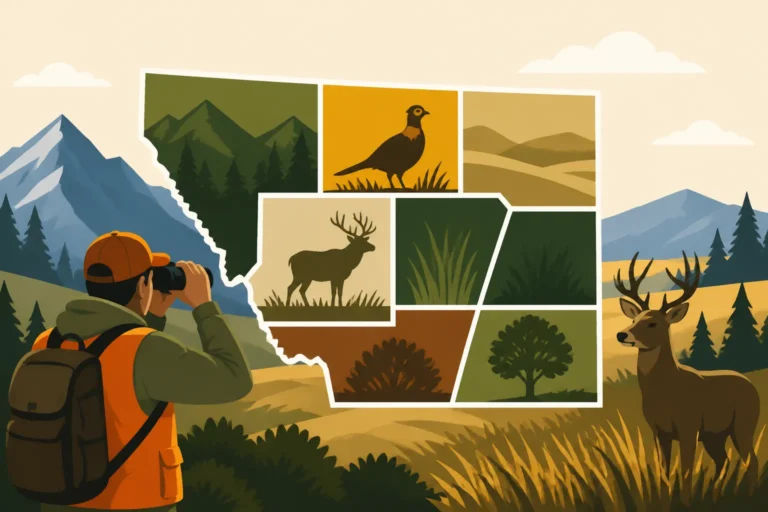
One of the biggest frustrations for hunters eyeing the Crazy Mountains is the notoriously complex land ownership pattern. While large portions of the higher elevations fall within the Gallatin National Forest, providing abundant public hunting access, the lower and mid-elevations often become a tangled patchwork of public and private property. This checkerboard pattern can create significant access challenges, even for seemingly accessible public land. You might find a promising piece of national forest completely landlocked by private ranches, leaving you scratching your head about how to legally reach it.
This is where understanding land ownership boundaries becomes absolutely critical. Relying solely on a paper map can be a recipe for frustration, or worse, trespassing. This is exactly why tools like onX Hunt are indispensable for hunting in the Crazy Mountains. An app like onX Hunt overlays detailed land ownership information directly onto a GPS map on your phone, allowing you to clearly see public lands (National Forest, BLM, State Trust Lands) and private parcels. It can show you access easements, potential trails, and help you navigate around private property lines with confidence. Without this level of detail, you could spend days scouting only to find your target areas inaccessible. Always respect private property, even if it feels like it's blocking "your" public land. Researching potential access points and easements before your boots even hit the ground is paramount.
Key Game Species and Hunting Seasons in the Crazy Mountains
Hunting in the Crazy Mountains primarily revolves around elk and mule deer, with black bear offering another exciting opportunity. Understanding their behavior specific to this unique environment and aligning your tactics with the seasons is crucial for success.
Elk and Mule Deer Strategies
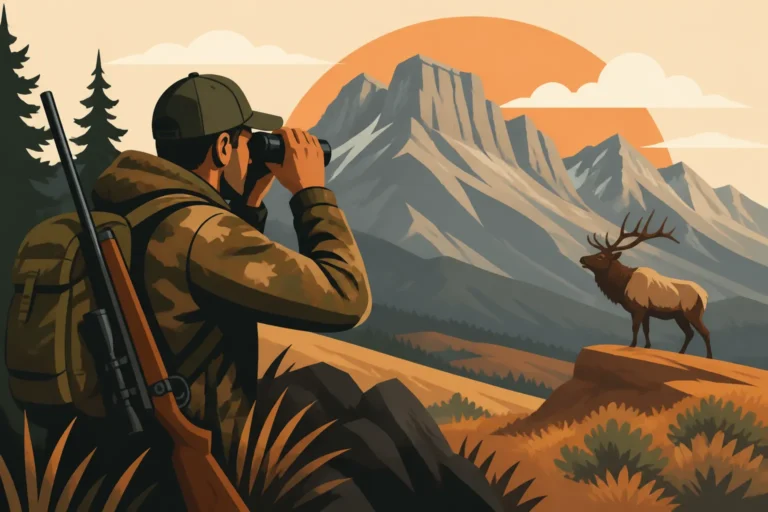
Hunting elk in the Crazies is a demanding endeavor. These animals are masters of using the rugged terrain to their advantage. During the archery season, particularly as the rut approaches, you might hear bulls bugling in the deep drainages, echoing through the high country. Learning How to Call Elk in Montana is a vital skill here, as is mastering how to set up on a bugling bull. Patience and extreme physical conditioning are key, as you'll often be gaining and losing thousands of feet in elevation in a single day. Spot-and-stalk tactics can be highly effective in the more open alpine basins, but once elk drop into the timber, it often becomes a game of still-hunting through thick cover, slowly and deliberately.
For mule deer, the Crazies offer some fantastic opportunities, particularly for those willing to hike deep. Mule deer often inhabit the same steep, broken country as elk, but might prefer slightly more open, rocky ridges or areas with sparse timber. Glassing is your most potent weapon when hunting mule deer here. Find a high vantage point before first light, settle in, and meticulously pick apart every patch of timber, rock slide, and open slope. Pay close attention to shaded areas where deer might bed during the day. Often, the biggest bucks will be found tucked away in the most inaccessible spots. For a more comprehensive look at deer hunting tactics, check out our Montana Mule Deer Hunting Guide.
During the rifle season, pressure increases, and animals become even warier. Elk and mule deer will retreat to the thickest cover and steepest slopes they can find. This is when understanding game migration patterns and how weather influences animal movement becomes critical. Early snows can push animals down from the highest elevations, making certain lower-elevation migration corridors hotspots. Our Montana Elk Hunting Methods Explained delves deeper into various approaches for these elusive animals.
Other Opportunities: Black Bear and Predators
While elk and mule deer are the primary draw, the Crazy Mountains also offer opportunities for other species. Black bears are quite common throughout the range, particularly in the spring and fall. Spring bear hunting can be excellent as bears emerge from hibernation, seeking out green-ups on south-facing slopes. In the fall, they'll be heavily feeding on berries and other mast crops to put on weight for winter. Concentrating your efforts around these food sources, especially in areas with good glassing potential, can be very productive.
Mountain lions and wolves also call the Crazies home. While specific tags and regulations apply, the presence of these predators means you're in truly wild country. Encountering a mountain lion or wolf on your hunt, though rare, is a testament to the wildness of the area and an unforgettable experience. Be sure to check the specific regulations for hunting these species, as they often require special permits or have very limited quotas.
| Species | Typical Hunting Season | Primary Habitat | Key Hunting Method |
|---|---|---|---|
| Elk | Sept – Nov | Alpine basins, timbered slopes, deep drainages | Spot-and-stalk, calling |
| Mule Deer | Sept – Nov | Open ridges, rocky slopes, scattered timber | Glassing, spot-and-stalk |
| Black Bear | Spring (April-June), Fall (Sept-Nov) | Berry patches, green-ups, timbered draws | Glassing, still-hunting |
Essential Gear and Preparation for a Crazy Mountains Hunt
Hunting the Crazy Mountains is not a casual stroll; it's a true wilderness experience that demands meticulous preparation and the right gear. Underestimating the terrain or the weather here can quickly turn a dream hunt into a survival situation.
Physical and Mental Conditioning
Let's be blunt: if you're not in shape, the Crazies will break you. The sheer verticality of the terrain means you'll be climbing, descending, and traversing steep, uneven ground for hours, often with a heavy pack. A solid fitness regimen focused on cardiovascular endurance, leg strength, and core stability is non-negotiable. Start training months in advance. Hike with a weighted pack, simulate steep climbs, and incorporate exercises that build stamina. Don't forget to focus on mental toughness. There will be days when the weather turns, the elk aren't talking, or the hike seems endless. The ability to push through discomfort and maintain a positive attitude is just as important as your physical prowess. Our guide on How to Physically Prepare for a Montana Elk Hunt offers excellent tips to get you ready for these demanding landscapes.
Altitude can also be a factor, especially if you're coming from sea level. While the Crazies aren't as high as some Colorado ranges, many hunting areas will be above 7,000-8,000 feet, and you'll be exerting yourself significantly. Spend a day or two acclimatizing at a moderate elevation before tackling the steepest ascents, if possible. Drink plenty of water and be aware of the signs of altitude sickness.
Navigational Tools and Backpack Essentials
In a place like the Crazy Mountains, getting lost isn't just an inconvenience; it can be life-threatening. A reliable GPS system is absolutely paramount. While your phone with onX Hunt is an incredible tool, always carry a dedicated GPS unit as a backup, along with a physical map and compass. Know how to use them all, even if your phone battery dies. Mark your starting point, potential water sources, and any key terrain features. For detailed information on utilizing digital mapping, consider exploring How to E-Scout Montana Hunting Units.
Beyond navigation, your backpack needs to be thoughtfully packed. This is truly backcountry hunting, so think in terms of self-sufficiency. Your gear list should include:
- Water filter/purifier: You can't carry enough water for a multi-day hunt.
- Shelter: A lightweight, sturdy tent or tarp system suitable for mountain weather.
- Sleeping system: Bag and pad rated for colder than expected temperatures.
- First-aid kit: Comprehensive, with trauma essentials.
- Fire starting kit: Multiple methods (lighter, waterproof matches, ferro rod).
- Headlamp with extra batteries: Essential for early mornings and late evenings.
- Emergency signaling device: Satellite messenger (Garmin InReach, Zoleo) is highly recommended, as cell service is non-existent in most areas.
- Repair kit: Duct tape, cordage, knife sharpener.
- Food: High-calorie, nutrient-dense options for sustained energy.
For a comprehensive checklist, refer to our Montana Backcountry Hunting Gear List. Remember, every ounce counts, but sacrificing critical safety gear is never worth it.
Navigating Access and Regulations in the Crazies
Hunting in the Crazy Mountains isn't just about physical prowess and good gear; it's also about understanding the regulatory landscape and finding legal, ethical access to the hunting grounds. Montana has specific rules that govern everything from general tags to permit areas, and knowing these details is key to a successful and lawful hunt.
Understanding Hunting District Boundaries and Regulations
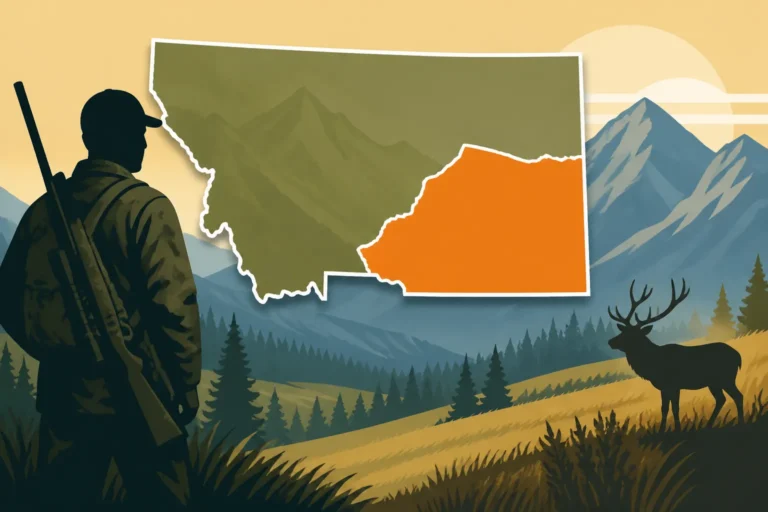
The Crazy Mountains are typically found within a few specific hunting districts, primarily in Region 5, but they might span parts of other regions depending on the exact area you’re targeting. It’s absolutely crucial to identify which hunting district you plan to hunt within, as regulations can vary significantly from one HD to the next. Some districts within the Crazies might be "general" for elk or deer, meaning you can hunt them with a general elk or deer license. However, other portions, or specific types of tags (like antlerless or brow-tined bull permits), might require drawing a limited-entry permit. Our guide on Montana Hunting Districts Explained provides a foundational understanding of how these districts operate.
Always consult the most current Montana Fish, Wildlife & Parks (FWP) hunting regulations specific to your chosen district. Pay close attention to season dates, weapon restrictions (archery-only periods, rifle seasons), and any antler point restrictions for bull elk or mule deer bucks. For non-residents, understanding Montana General vs Permit Tags Explained is especially important, as the draw system can be complex. Resources like GoHunt can be incredibly helpful for researching draw odds, unit information, and staying on top of regulation changes, helping you strategize your application for the best chance at drawing a coveted permit.
Strategies for Public Land Access
As mentioned earlier, public land access in the Crazy Mountains can be tricky due to the intermingled private parcels. This necessitates a proactive approach to scouting and planning your routes.
- Digital Mapping is Your Friend: Use onX Hunt or a similar mapping app to identify all public land within your target hunting district. Look for National Forest, BLM, or State Trust Lands. Pay particular attention to public land that is not landlocked by private property.
- Identify Legal Access Points: Look for designated public access roads, trailheads, or FWP-managed access sites. Sometimes, a narrow strip of public land or an easement might connect a main road to a larger block of National Forest.
- Respect Private Property: If you encounter private land blocking your way, do not trespass. Instead, research alternative routes or consider contacting the landowner well in advance to request permission. Many landowners are reluctant to grant access due to past issues, so always be courteous and understanding.
- Block Management Areas (BMAs): While the Crazies are primarily National Forest, some lower-elevation areas surrounding the range might fall under Montana's Block Management Program. These programs provide public hunting access on private lands. Check the FWP website for a list of BMAs in your target region, as they often have specific sign-up procedures and rules. While not as prevalent directly in the highest peaks of the Crazies, they can offer crucial access to lower elevation transition zones. For more on this, look into our How to Use Block Management for DIY Hunts article.
- Wilderness Areas: Portions of the Crazy Mountains are managed as wilderness or near-wilderness, meaning motorized vehicle access is strictly prohibited. You'll need to hike in, potentially using horses or llamas. This means packing light and preparing for truly self-sufficient trips. Our Montana Backcountry Hunting Guide is a great resource for preparing for such an adventure.
Planning your entry and exit points, understanding potential road closures (especially later in the season), and having a contingency plan for unexpected access issues will save you a lot of headache and keep you on the right side of the law.
Disclaimer
Hunting is an inherently dangerous activity. The information provided in this guide is for informational purposes only and should not be considered a substitute for professional instruction, comprehensive research, and strict adherence to all local, state, and federal hunting laws and regulations. Always prioritize safety, understand your physical limitations, and hunt ethically and responsibly. Conditions in the backcountry can change rapidly, and personal preparedness is paramount.