Most Common Big Game to Hunt in Montana
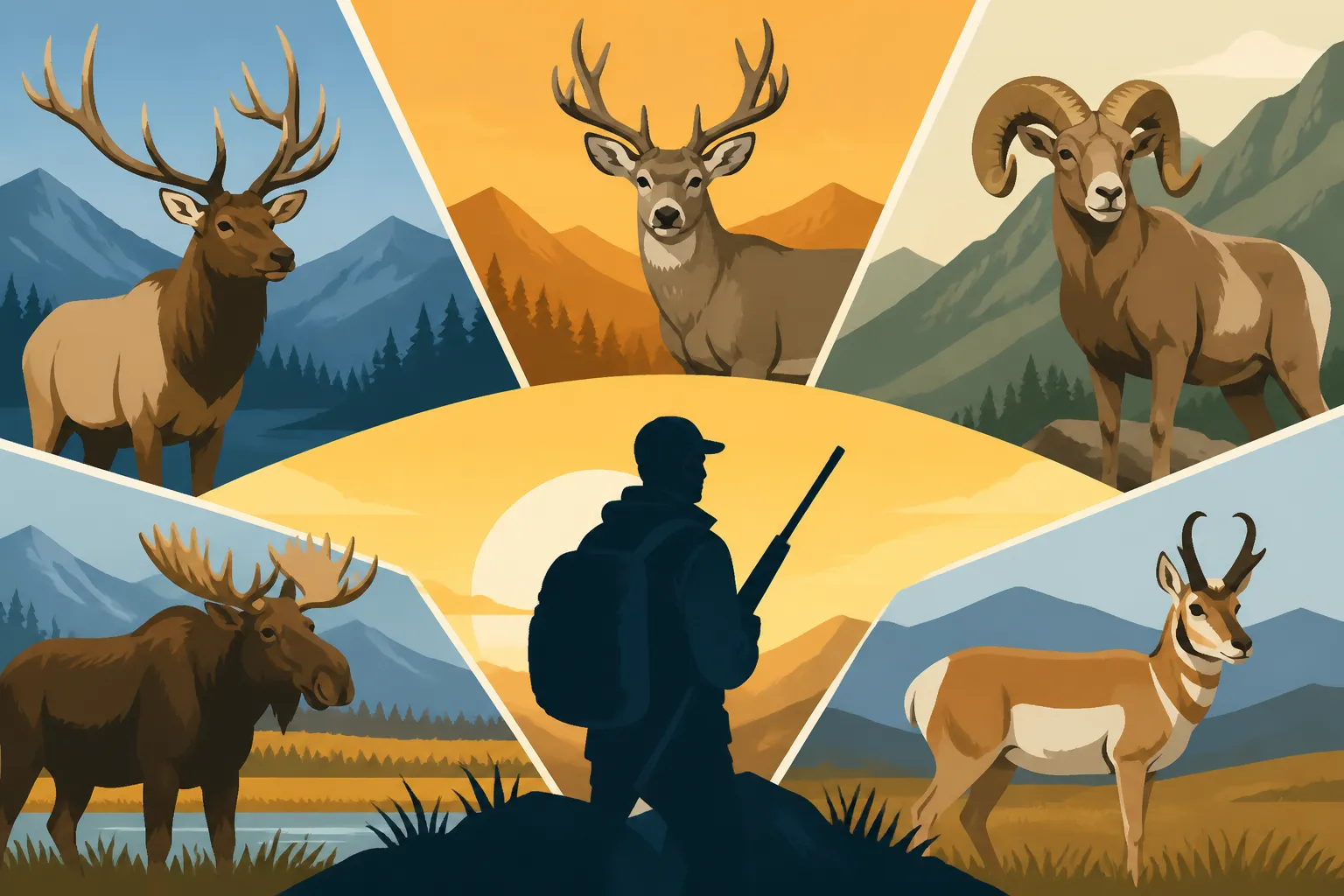
For many folks dreaming of a hunting adventure in Big Sky Country, the sheer vastness and incredible diversity of game can feel a little overwhelming. It's tough to know where to even begin with so many amazing opportunities. This guide is here to cut through the confusion and highlight the most common big game species that hunters actively pursue in Montana, giving you a realistic look at what draws so many to these iconic animals.
Elk: The Crown Jewel of Montana Big Game Hunting
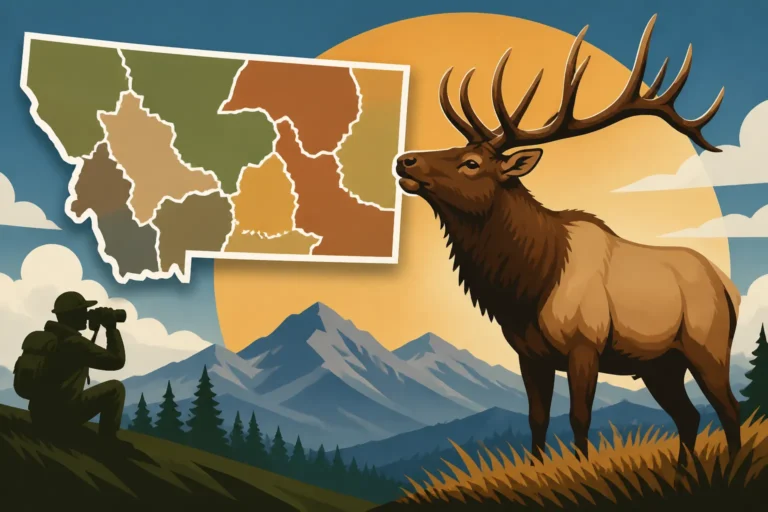
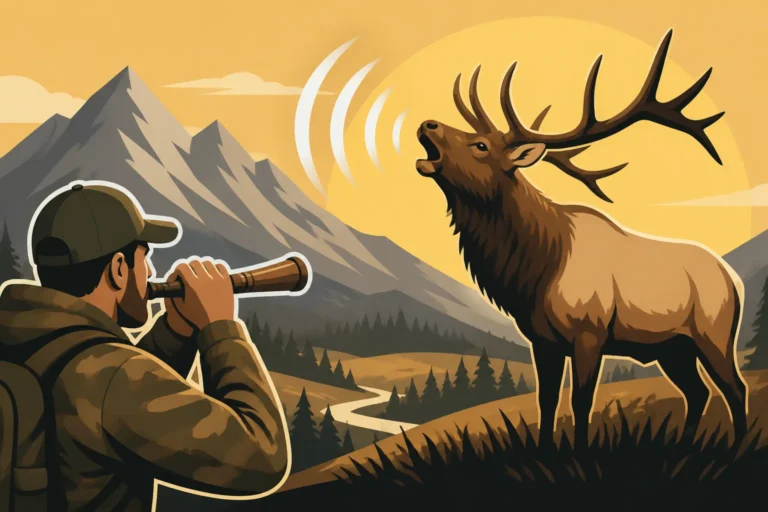
There's just something about elk, isn't there? That majestic presence, the spine-tingling bugle echoing through the timber, and the sheer challenge of pursuing them in their natural habitat. For many, elk hunting isn't just a pursuit; it's a pilgrimage, and Montana is undeniably one of the prime destinations for it. The state boasts a robust elk population, with estimates often placing the herd well over 100,000 animals, making it one of the most reliable places in the Lower 48 to chase these magnificent creatures.
Why Elk are So Popular
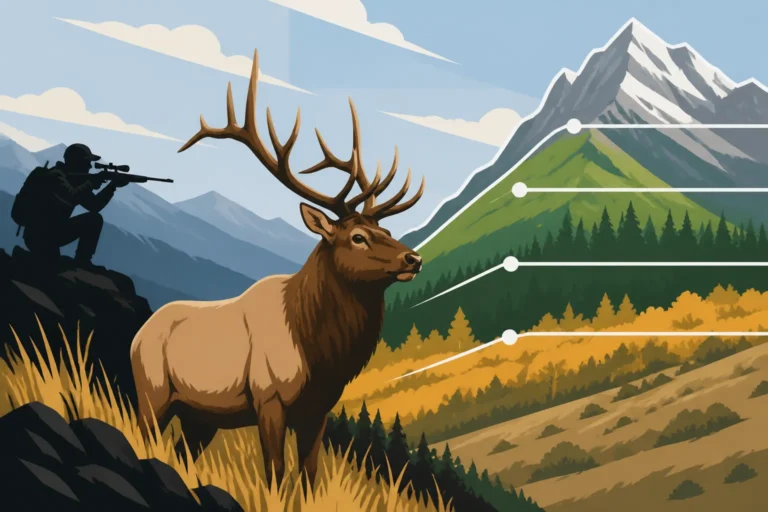
The allure of elk hunting goes beyond just the animal itself. It's the whole experience. Imagine hiking into the crisp mountain air at dawn, glassing vast slopes as the first light hits the peaks, or listening intently for the tell-tale snap of a twig in dark timber. It's physically demanding, often requiring serious grit and endurance to navigate steep terrain and cover miles, especially in the backcountry. Yet, the reward of harvesting an elk, whether a trophy bull or a meat-for-the-freezer cow, is deeply satisfying, connecting you to the wild in a profound way. For many non-residents, drawing a Montana Elk Hunting Guide or a Montana Deer/Elk Combo License Explained is the ultimate goal, often taking years of building preference points to secure.
The sheer accessibility, relatively speaking, is another factor. While drawing a limited-entry bull tag can be tough, general elk tags are often available through the draw for non-residents, and over-the-counter options for residents, allowing for widespread hunting across much of the state's national forests and public lands. This widespread opportunity makes elk hunting a tangible dream for many.
Key Hunting Seasons and Tactics for Elk
Montana offers diverse elk seasons, primarily split between archery and general rifle. The archery season, typically from early September to mid-October, is incredibly popular, especially during the rut when bulls are vocal and active. Hunters often employ various calling tactics, from aggressive bugles to soft cow calls, trying to entice a bull into close range. This is when you'll hear tales of bulls screaming back and forth across a canyon, or sneaking in on a bedded herd. If you're looking to dive deep, check out our Montana Archery Elk Hunting Guide.
Once the general rifle season opens, usually in late October and running through Thanksgiving weekend, the tactics shift. Bulls become much warier after the rut and increased pressure. Hunters often focus on still-hunting timber, finding migration routes, or glassing large swaths of country for wintering herds. Learning to read the terrain, understand thermals, and quietly navigate the dense forests become paramount. For those braving the colder months, Late-Season Elk Hunting in Montana can be incredibly productive as elk move to lower elevations and feed heavily. Success often hinges on rigorous scouting, understanding elk movement patterns, and being prepared for all types of mountain weather.
Mule Deer: The Elusive Mountain Dweller
Often associated with the rugged, expansive landscapes of the American West, the mule deer stands as another pillar of Montana's big game hunting scene. With their distinctive large ears and bounding gait, mule deer are an iconic species, challenging hunters with their keen senses and preference for rough, broken terrain. While their populations have seen fluctuations over the years, Montana remains a strong contender for pursuing these impressive animals, particularly in the western mountains and eastern breaks.
Appeal of Mule Deer Hunting
What draws hunters to mule deer? For many, it's the sheer beauty of their habitat and the rewarding challenge of the spot-and-stalk hunt. Unlike whitetails, mule deer often prefer more open, high-country terrain, making glassing an essential skill. Hours spent behind binoculars, scanning distant ridges, timber edges, and draws, hoping to pick out the distinct rack of a mule deer buck, is a meditative and thrilling experience. The excitement of finally spotting a buck miles away, then formulating a plan to close the distance, is what keeps hunters coming back year after year. Read more in our comprehensive Montana Mule Deer Hunting Guide.
The general deer license in Montana often allows for either-sex mule deer harvest in certain districts, and a general buck-only tag is available across a vast majority of the state. This accessibility, coupled with the pursuit of a true Western trophy, makes mule deer a highly sought-after species, especially for those who might not draw an elk tag but still want a challenging mountain hunt.
Effective Strategies for Mule Deer
Effective mule deer hunting in Montana largely revolves around two key principles: glassing and covering ground. Hunters often spend countless hours perched on a vantage point, meticulously picking apart vast landscapes with high-quality optics. Identifying key bedding areas, feeding zones, and travel corridors is crucial. Once a buck is spotted, the real work begins, planning a careful How to Spot-and-Stalk Montana Mule Deer approach that utilizes terrain and wind to get within shooting range. This often means long hikes, navigating steep slopes, and making sure your scent doesn't give you away.
Beyond glassing, still-hunting through timbered coulees and draws, especially during midday, can also be productive. Mule deer are notorious for bedding down in unexpected places, and a quiet, methodical approach can often surprise a buck. During the rut, typically in November, bucks become more active and less wary, making it an excellent time for aggressive tactics, though hunters must be aware of specific season dates and regulations that may vary by district. For an edge, using tools like GoHunt to analyze historical draw odds and unit data can greatly assist in selecting productive districts.
Whitetail Deer: River Bottom Ghosts
While elk and mule deer often steal the spotlight for their mountain allure, the whitetail deer population in Montana offers an entirely different, yet equally captivating, hunting experience. Thriving in the state's river bottoms, agricultural lands, and dense timber pockets, whitetails present a unique challenge characterized by stealth, patience, and a deep understanding of their secretive nature.
The Whitetail Challenge and Rewards
Hunting Montana whitetails is a game of subtle movements and intimate knowledge of the land. These deer are masters of concealment, often living their entire lives within a few square miles of dense cover. Unlike the vast, open-country glassing often associated with mule deer, whitetail hunting demands closer observation, reading subtle sign, and understanding how deer utilize thick cover along river corridors and agricultural field edges. The reward isn't always the biggest rack, but the satisfaction of outsmarting an animal known for its extreme wariness and ability to seemingly vanish into thin air.
Montana’s whitetail population is particularly strong in the central and eastern parts of the state, especially along major river systems like the Yellowstone and Missouri. For many resident hunters, the general deer tag covers whitetails, providing consistent annual opportunities. Non-residents can pursue whitetails with their general deer combination license or specific antlerless B licenses, which can often be easier to draw than certain elk permits. If you're specifically targeting these crafty creatures, our guide on Montana Whitetail Deer Hunting Guide has more detailed insights.
Hunting Whitetails in Montana
Success with Montana whitetails often comes down to precise stand placement and careful attention to wind and thermals. Tree stands and ground blinds are popular choices, allowing hunters to wait patiently in key ambush points along trails, near food sources, or bordering thick bedding areas. Understanding daily movement patterns, especially at dawn and dusk, is critical. The rut, typically in mid-November, significantly increases daylight activity and can provide fantastic opportunities for rattling or grunting in a buck.
Still-hunting through river bottom timber, slowly and deliberately, can also be effective, particularly on days with a slight breeze or soft falling snow that muffles sound. These "river bottom ghosts" require hunters to be incredibly attuned to their surroundings, noticing every flick of an ear or twitch of a tail. Additionally, identifying natural funnels and pinch points where deer are forced to travel through smaller corridors can be highly productive. For those planning their hunting strategy, exploring resources on How to Hunt Whitetail in Montana River Bottoms can offer a significant advantage.
Antelope: Speedsters of the Plains
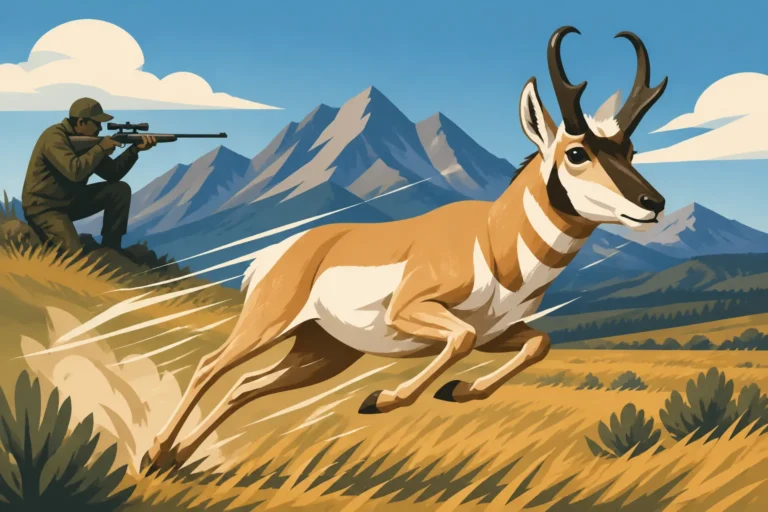
If you're looking for a fast-paced, high-action hunt in a wide-open landscape, Montana's antelope hunting might just be for you. Known for their incredible speed and keen eyesight, pronghorn are another highly sought-after big game species, offering a thrilling chase across the eastern plains of the state. Their distinctive white and brown markings, coupled with their unique horns, make them a fascinating target.
The Unique Thrill of Antelope Hunting
Antelope hunting in Montana is less about stealth in thick timber and more about strategic maneuvering in vast, open country. It’s an exercise in patience and precision glassing. You’ll spend hours, often days, using powerful binoculars and spotting scopes to pick out the subtle movements of antelope herds across miles of sagebrush and prairie. Once a buck is located, the real fun begins: planning a stalk across flat ground with minimal cover, trying to utilize every slight rise, coulee, or patch of brush to remain unseen. This can often involve belly-crawling for hundreds of yards, making for an unforgettable experience.
The draw odds for antelope tags in Montana can be challenging, particularly for desirable units, but they are generally more accessible than some of the premier elk or mule deer permits. Many hunters enjoy the relatively shorter season and the unique environment, providing a different flavor of Western hunting. For a deeper dive, check out our Montana Antelope Hunting Guide.
Best Approaches for Pronghorn
The primary method for hunting antelope in Montana is How to Spot-and-Stalk Antelope in Montana. This requires excellent optics, a good rangefinder, and a healthy dose of determination. Hunters will often drive slowly along county roads or access points, stopping frequently to glass the immense prairie. Once a suitable buck is identified, the stalk begins. Wind direction is paramount, as antelope have an incredible sense of smell. Using terrain features like dry creek beds, rolling hills, and even strategically placed vehicles (where legal and safe) to break up your silhouette are critical.
Another effective tactic, especially in hotter early seasons, is hunting water holes. Antelope need to drink, and setting up a ground blind near a known water source can be a highly productive way to intercept them. Decoying, where a hunter uses an antelope decoy to draw in a curious buck, can also be a thrilling and effective strategy, particularly during the early stages of the rut or when bucks are challenging each other. Being able to adapt to changing conditions and antelope behavior is key to success on the plains.
Planning Your Hunt for Common Montana Big Game
Successfully hunting any of Montana's common big game species requires diligent planning, research, and a clear understanding of the state's complex licensing and draw system. It's not just about showing up; it's about making informed decisions long before you ever set foot in the field.
Understanding Tags and Draws
For most non-residents, securing a Montana hunting license involves navigating a draw system. The most common license for big game is the Non-resident Combination License, which can include either a deer tag, an elk tag, or both (Deer/Elk Combo). Understanding Montana Nonresident License Draw Explained is critical. These combination licenses also come with general fishing and upland bird hunting privileges. It's crucial to apply by the annual March 15th deadline.
Montana employs both preference points and bonus points, which can be a bit confusing. Preference points apply to the general Deer and Elk Combination licenses, increasing your odds for these broader tags. Bonus points, on the other hand, are used for limited-entry permits (like specific trophy elk units or antlerless deer B licenses), where each point gives you an extra "chance" in a random drawing. Using resources like GoHunt or the Montana FWP website to research Montana Preference Points vs Bonus Points can provide a significant advantage in strategizing your applications. Many hunters build points for years, especially for elk, while still applying for deer or antelope tags in units with better draw odds.
Essential Scouting and Preparation
Once you've secured your tags, the real work begins. E-scouting is an invaluable tool for any hunter, especially when planning a trip to a new area. Platforms like onX Hunt, BaseMap, or even satellite imagery through GoHunt, allow you to study terrain, identify potential bedding and feeding areas, locate water sources, and pinpoint access points for public lands. This kind of digital reconnaissance is detailed in our guide on How to E-Scout Montana Hunting Units and is critical for maximizing your time in the field.
Beyond mapping, physical preparation is paramount, particularly for elk and mule deer in the mountains. Montana hunting can be physically grueling, involving significant elevation changes and long distances. A solid fitness plan tailored for mountain hunting is highly recommended. You'll also need to consider your gear: appropriate clothing for varying weather conditions, reliable optics, a well-stocked first-aid kit, and the right rifle or bow setup. Even for plains antelope, you'll be doing a lot of walking and crawling, so comfortable, durable gear is a must. Remember, being prepared for both success and unexpected challenges is part of the experience.
| Species | Primary Habitat | General Hunting Difficulty | Common Hunting Method(s) | Average Success Rate (General Tags) |
|---|---|---|---|---|
| Elk | Mountains, Forests, Foothills | High | Spot-and-stalk, Calling, Still-hunt | Varies, typically 10-20% |
| Mule Deer | Mountains, Breaks, Open Range | Medium-High | Spot-and-stalk, Glassing | Varies, typically 20-35% |
| Whitetail Deer | River Bottoms, Agriculture, Timber | Medium | Tree Stand, Ground Blind, Still-hunt | Varies, typically 30-50% |
| Antelope | Eastern Plains, Sagebrush | Medium | Spot-and-stalk, Decoying, Water holes | Varies, typically 40-60% |
Note: Success rates are highly variable and depend on countless factors including hunter skill, weather, pressure, and specific unit regulations. These are general estimates for hunters with general tags.
Disclaimer
Hunting involves inherent risks, including but not limited to those associated with wildlife, rugged terrain, and firearms. Always prioritize safety, adhere to all local, state, and federal regulations, and consider consulting with experienced professionals or local wildlife agencies before undertaking any hunting activity. The information provided in this guide is for informational purposes only and should not be considered a substitute for official regulations or professional guidance.