Best Table Fare Game in Montana
After all the sweat, planning, and early mornings in the field, there's nothing quite like bringing home a successful harvest. But let's be honest, not all game meat is created equal, and sometimes the effort put into the hunt doesn't always translate into a five-star dining experience back home. If you've ever wondered which of Montana's incredible big game and upland species truly shine on the dinner table, and how to ensure your hard-earned venison, elk, or bird meat is as delicious as possible, you've come to the right place. This guide will help you understand the factors that influence meat quality and highlight the top contenders for the best table fare Montana has to offer.
Understanding What Makes Game Meat Great
The taste and tenderness of wild game can vary significantly, even within the same species. It's not just about what you harvest, but how you handle it from the moment the shot breaks. Many factors play a crucial role in determining whether your wild game becomes a culinary masterpiece or just "gamey" meat.
Factors Influencing Flavor and Tenderness
Believe it or not, the journey to delicious game meat starts long before you even draw your tag. It’s a combination of the animal’s life, your hunting practices, and the care you give it post-harvest.
- Diet and Habitat: Just like domestic livestock, what an animal eats directly impacts the flavor of its meat. Animals that browse on lush, varied vegetation, like forbs and tender shoots, often have a milder, more pleasant flavor compared to those that primarily consume sagebrush or certain strong-tasting conifers. For example, an elk feeding in an alpine meadow during late summer will likely have a different flavor profile than one wintering on sparse, woody browse. This is why some regions are known for producing particularly good-tasting game. Tools like How to E-Scout Montana Hunting Units can even help you pinpoint areas with preferred forage before you ever step foot in the field, indirectly leading to better table fare potential.
- Age and Sex of the Animal: Generally speaking, younger animals tend to have more tender meat than older ones. A mature bull elk, while a fantastic trophy, will often have tougher meat than a younger cow or spike bull. The same goes for deer and antelope. Older males, especially during or immediately after the rut, can also carry stronger flavors due to hormonal changes. The intensity of the rut can make a big difference in the flavor of a bull elk or a buck mule deer.
- Stress Levels at Harvest: This is a huge, often overlooked factor. An animal that is stressed before or during the kill will have a higher lactic acid buildup in its muscles. This leads to tougher, less palatable meat. A clean, quick kill is not only ethical but vital for meat quality. A prolonged chase or a poorly placed shot that results in a long tracking job can significantly diminish the quality of your harvest.
- Immediate Field Care: This is arguably the most critical step you control. Getting the animal field-dressed quickly to allow the carcass to cool down is paramount. Heat is the enemy of fresh meat. Removing the entrails reduces internal heat and prevents bacteria from proliferating. If you're hunting in warmer early archery seasons, knowing How to Keep Elk Meat Cool in Montana's Early Season is essential. Failure to cool the meat promptly can result in souring, especially in the thickest parts of the hindquarters.
The Role of Processing and Cooking Methods
Once the animal is down and field-dressed, the real work begins to transform it into delectable table fare. Proper processing and mindful cooking are the final pieces of the puzzle.
- Prompt and Clean Processing: After field dressing, getting the meat off the bone and into a controlled environment for cooling and cutting is vital. Whether you're breaking down an animal yourself or taking it to a professional butcher, cleanliness and speed are key. Any dirt, hair, or lingering heat can contaminate or degrade the meat. For a deep dive into this, consider resources like How to Quarter an Elk in the Montana Backcountry.
- Aging: While not always possible in the backcountry, controlled aging can dramatically improve tenderness and flavor, especially for larger game like elk. Allowing the meat to hang in a cool, dry environment (typically 34-40°F) for several days to a couple of weeks allows natural enzymes to break down muscle fibers, resulting in a more tender product. The specific aging time depends on the species, age of the animal, and desired outcome.
- Cooking Methods: Wild game is lean, generally much leaner than supermarket beef. This means it often benefits from different cooking techniques. Overcooking is the cardinal sin that turns tender game into dry, tough shoe leather. Slow cooking methods, searing quickly to medium-rare, or braising can yield fantastic results. Understanding the cuts and their best applications is key.
Top Contenders for Montana's Best Table Fare
Montana is a hunter's paradise, offering a diverse array of game animals. While beauty is in the eye of the beholder, when it comes to table fare, some species consistently rise to the top for their flavor, versatility, and tenderness.
Elk: The Lean, Versatile Staple
Elk meat is often considered the gold standard of wild game. It’s lean, rich in flavor, and incredibly versatile in the kitchen.
- Flavor Profile: Elk typically boasts a mild, slightly sweet, and earthy flavor. It’s less "gamey" than many deer species, making it a favorite even for those new to wild game. The taste is robust enough to stand on its own but subtle enough to take on other flavors through marinades and seasonings. This balanced profile makes it highly desirable.
- Tenderness and Texture: While a massive bull can be a bit tougher, especially in older animals, proper field care and aging result in surprisingly tender meat. Cuts from the backstrap (loin) and tenderloin are notoriously buttery and melt-in-your-mouth tender when cooked correctly, often best seared quickly to medium-rare. Roasts and stews benefit from slower cooking methods. Montana Elk Meat Yield Explained dives into how much delicious meat you can expect from a successful elk hunt.
- Culinary Versatility: Elk can be substituted for beef in almost any recipe. Think elk steaks, roasts, burgers, chili, sausage, and even jerky. Its leanness means it cooks faster than beef and can dry out if overdone, so a quick sear or slow braise is often ideal. For those planning a hunt, knowing How to Hunt Elk in Montana can put you in a position to bring home this prized meat.
Whitetail Deer: The Underrated Delight
Often overlooked in favor of their larger elk cousins, Montana whitetail deer offer excellent table fare, especially when conditions are right.
- Flavor Profile: Montana whitetails, particularly those from river bottom areas with good agricultural forage, can yield incredibly mild and delicious venison. The flavor is a bit richer than elk, with a distinct "venison" taste that is less pronounced than some mule deer, especially if processed correctly and taken from a younger animal.
- Tenderness and Texture: Younger whitetails, like yearlings or two-year-olds, are often exceptionally tender. The meat has a fine grain that, when handled properly, is very palatable. The size of whitetail also means cooling can be faster than with an elk, potentially leading to better quality in warmer conditions.
- Culinary Versatility: Whitetail venison is fantastic for steaks, roasts, stews, and ground meat. It pairs wonderfully with earthy flavors like mushrooms, juniper, and red wine. For hunters interested in pursuing this species, exploring How to Hunt Whitetail Deer in Montana can guide you to success.
Antelope: The Speedster's Sweet Reward
Pronghorn antelope often get a bad rap for being "gamey," but this reputation is largely undeserved and often a result of improper field care. When handled correctly, antelope is incredibly tender and boasts a unique, sweet flavor.
- Flavor Profile: Good antelope meat is surprisingly sweet and delicate, with a fine texture. It's truly a unique taste, unlike any other big game. The key to avoiding the "gamey" flavor is immediate and thorough cooling. Antelope have a thin hide, which means their body temperature drops quickly once field-dressed.
- Tenderness and Texture: Antelope meat is exceptionally tender, often compared to veal, due to the animal's constant movement and lean muscle structure. It cooks very quickly, making it ideal for quick sears, stir-fries, or even carpaccio.
- Culinary Versatility: Because of its tenderness and unique flavor, antelope shines in dishes where it's not overcooked. Think thinly sliced steaks, quick seared medallions, or even ground for delicate meatballs. Understanding Montana Antelope Meat Explained and applying excellent field care are crucial to enjoying this delicious game. You can learn more about pursuing this species by checking out How to Hunt Antelope in Montana.
Upland Birds and Waterfowl: Feathered Feasts
While big game often takes center stage, Montana's diverse array of upland birds and waterfowl offer incredible table fare that deserves recognition.
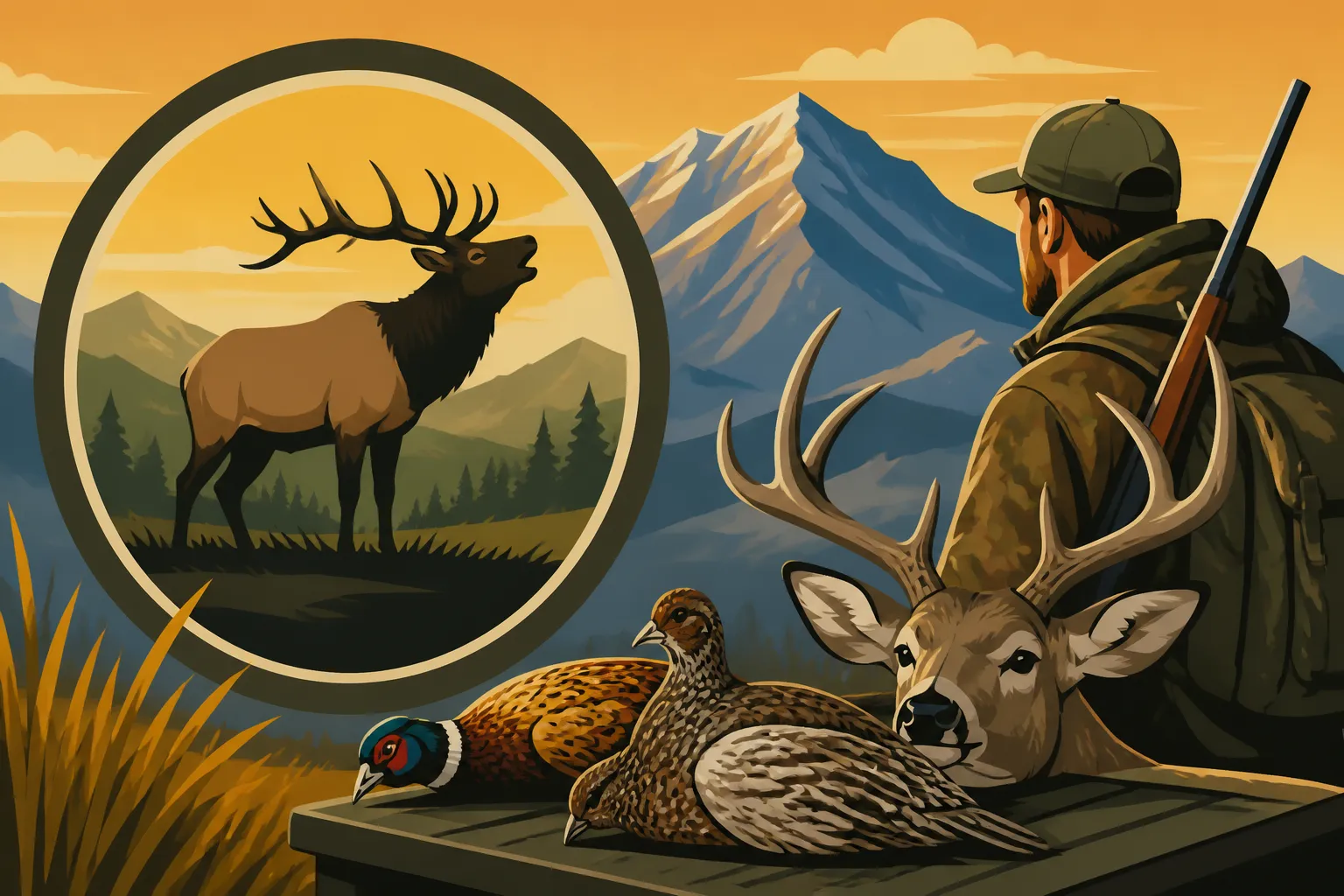
- Upland Birds (Pheasant, Grouse, Partridge):
- Flavor Profile: Upland bird meat is generally lean and has a milder flavor than waterfowl. Pheasant is often compared to a richer chicken, with a delicate, slightly sweet taste. Grouse (like ruffed grouse or blue grouse) has a deeper, more woodsy flavor, while partridge is often described as subtly sweet.
- Tenderness and Texture: These birds typically have tender, white meat, especially the breast. They cook quickly and are fantastic roasted, pan-fried, or in stews. A successful Montana Upland Bird Hunting trip can fill your freezer with these delights.
- Culinary Versatility: From classic roasted pheasant to partridge paté or grouse skewers, upland birds are incredibly versatile and a true gourmet treat.
- Waterfowl (Ducks, Geese):
- Flavor Profile: Waterfowl meat is distinctly darker and richer than upland birds, often with a deep, earthy, and sometimes slightly livery flavor. This is because they are diving birds with more active, dark muscle. The specific flavor can vary significantly between species; a mallard might have a milder taste than a canvasback, for example.
- Tenderness and Texture: Waterfowl breasts can be quite tender when cooked to medium-rare, retaining moisture and flavor. Overcooking, however, makes them tough. Legs and thighs are best slow-cooked or braised to break down connective tissue.
- Culinary Versatility: Waterfowl is fantastic for recipes that embrace its rich flavor – think seared duck breast, confit legs, or smoked goose. If you're passionate about waterfowl, learning about Montana Waterfowl Hunting can lead to some truly memorable meals.
Maximizing Your Harvest's Potential
No matter what species you pursue in Montana, your efforts in the field and proper handling techniques are paramount to ensuring the best possible table fare. Don't let all that hard work go to waste with avoidable mistakes!
Critical Field Care for Superior Meat
The moments immediately after the shot are crucial for meat quality. Prioritizing field care is non-negotiable for delicious game meat.
- Immediate Field Dressing: As soon as the animal is down, get to it safely and begin field dressing. This involves removing the internal organs to allow the carcass to cool down rapidly. The large mass of internal organs retains heat, which can lead to bacterial growth and souring. Even in cold weather, getting those guts out is the first priority.
- Cleanliness is Key: Always use a sharp, clean knife. Try to avoid rupturing the gut pile, as stomach contents can spoil meat if it comes into contact. If meat gets dirty, trim off soiled areas immediately. Carry a small spray bottle of water or sanitizing wipes specifically for your hands and knife.
- Airing and Cooling: Once field dressed, elevate the carcass if possible to promote airflow around it. Prop open the body cavity with sticks to further aid cooling. In warmer weather, this step needs to be done fast. If you're on a multi-day hunt, like a Montana Backcountry Hunting Guide would detail, consider bone-out quartering to facilitate faster cooling and lighter packing. For many, especially when pursuing antelope on the plains during the early season, immediate skinning and placing the quarters in game bags in a shaded, airy spot is the best plan. Using a high-quality game bag that breathes is crucial; never use plastic garbage bags as they trap heat and moisture.
Proper Aging and Processing Techniques
Once the meat is cooled, how you manage it for the next few days or weeks will seal its culinary fate. This stage often separates good game meat from truly great game meat.
- Controlled Aging: If conditions allow (a consistent temperature between 34-40°F and low humidity), consider hanging your game in the hide or quartered in game bags for a few days. For deer, 3-7 days can make a noticeable difference. For elk, 7-14 days or even longer if conditions are perfect can be ideal. This process, called "dry aging," allows enzymes to break down tough muscle fibers, tenderizing the meat and enhancing its flavor. However, without proper temperature and humidity control, it's best to process quickly to avoid spoilage.
- Expert Butchering: If you're not comfortable processing an animal yourself, find a reputable local butcher who specializes in wild game. They understand the different cuts, how to maximize yield, and the best practices for handling wild meat. Be clear about your preferences – whether you want certain cuts, specific grinds for burger, or specialty sausages. If you're doing it yourself, invest in good knives, a grinder, and a vacuum sealer.
- Vacuum Sealing and Freezing: Once processed, vacuum sealing is the absolute best way to preserve your meat's quality in the freezer. It removes air, preventing freezer burn and extending the life of your meat for a year or more. Label everything with the cut and date.
Storage and Culinary Tips
Finally, even the best field care and processing can be undone by poor storage or cooking. Treat your hard-earned harvest with the respect it deserves!
- Freezer Management: Rotate your frozen game meat, using older packages first. While vacuum-sealed meat lasts a long time, nothing stays perfect indefinitely. Consider donating older meat if you have an abundance and want to make space for a new harvest.
- Thawing Properly: Always thaw game meat slowly in the refrigerator. This minimizes moisture loss and helps maintain texture. Avoid thawing at room temperature, which can promote bacterial growth.
- Cooking with Care: As mentioned, wild game is lean. Cook it to medium-rare for steaks and roasts to retain moisture and tenderness. For tougher cuts, consider slow cooking methods like braising, stewing, or using a pressure cooker. Ground game meat often benefits from adding a bit of fat (like bacon grease or beef fat) if you find it too dry for burgers or meatloaf. Utilizing resources like the Montana Fish, Wildlife & Parks website or hunting community forums found via GoHunt can offer fantastic recipes and cooking tips specific to Montana game. For those looking to dive deeper into cooking specific species, articles like Montana Elk Hunting Methods Explained can offer insights into the animals themselves, which often translates to better cooking knowledge.
By paying close attention to these critical steps, from the animal's habitat to your kitchen, you can ensure that your Montana hunting adventures consistently result in incredible, memorable table fare for you and your family. Enjoy the bounty!
Disclaimer
The information provided in this guide is for general informational purposes only and does not constitute professional advice. Hunting regulations, seasons, and access can change frequently. Always consult the official Montana Fish, Wildlife & Parks regulations and local authorities before planning any hunting trip. Hunt safely and ethically.