Montana Elk: Where to Find Them
Trying to figure out where Montana elk actually live can feel like you're trying to solve a complex puzzle with a million moving pieces, especially when you're staring at maps and regulations that all seem to blur together. It's a huge state with diverse landscapes, and what works one season or one mountain range might be completely useless in another. This comprehensive guide is here to unravel that mystery, giving you a clear picture of where to focus your efforts to find Montana elk, from their preferred habitats to their seasonal movements, and how to use modern tools to pinpoint their locations.
Understanding Elk Habitat and Preferences
When you're trying to find elk in Montana, the first thing to grasp is that these animals aren't just randomly distributed. They are creatures of habit and preference, constantly seeking out areas that provide their essential needs: food, water, and security. Understanding these core requirements is the foundation for successful elk hunting, and it will help you narrow down those vast tracts of Montana public land.
The Rugged Allure of High-Country Timber
Montana's elk are famously associated with vast, often steep, timbered country. This isn't just because it's pretty; it offers critical resources. The dense conifer forests – think lodgepole pine, fir, and spruce – provide excellent thermal cover, protecting elk from harsh sun in summer and brutal winds and snow in winter. This dark timber, particularly on north-facing slopes, is where elk often bed down during the day, feeling safe and out of sight from predators, including hunters. They'll spend hours ruminating here, emerging only to feed or water. Knowing this, if you're hunting during legal shooting hours, you'll often find them just on the edges of this cover or moving through it. Learning How to Find Elk in Montana Dark Timber is a skill that takes time, but it's invaluable.
Water Sources: Lifeblood of Elk Country
Just like us, elk need water to survive, and they typically won't venture too far from it, especially during warmer months or in drier years. Springs, seeps, small creeks, and mountain ponds become natural magnets for elk. Often, these water sources are surrounded by lush vegetation, providing both refreshment and a quick bite to eat. Look for areas where game trails converge around these water points, indicating frequent use. Elk also love wallows, which are muddy depressions they use to cool off, get rid of parasites, and bulls use to spread their scent during the rut. Concentrating your efforts around these essential areas can be highly effective, and understanding How to Hunt Elk Wallows in Montana or How to Hunt Elk Water Holes in Montana can significantly increase your odds.
Forage and Feed Grounds: Where Elk Come to Eat
Elk are grazers and browsers, meaning their diet consists of grasses, forbs (herbaceous flowering plants), and the tender shoots of shrubs and trees. They're constantly on the move, seeking out the best buffet. You'll often find them feeding in open parks, meadows, clear-cuts (once vegetation has returned), and avalanche chutes in the mornings and evenings. These areas, especially those with south-facing aspects, green up earlier in the spring and offer better nutrition. During fall, they might target areas rich in berries or acorns if available. The transition zones between these open feeding areas and the dense bedding cover are often high-traffic zones, prime spots for an ambush or a patient glassing session.
Thermal Cover and Security: The Elk's Safe Haven
Beyond food and water, security is paramount for elk. They are constantly aware of their surroundings, and mature animals, especially big bulls, become incredibly adept at avoiding detection. This is why you often find them in the steepest, thickest, nastiest country – places most hunters are reluctant to go. Areas with thick timber, blowdowns, or rugged topography provide ideal security cover. These spots act as refuges where elk can retreat when pressured, allowing them to feel safe from hunters. Recognizing what constitutes good security cover from an elk's perspective will guide you to those overlooked pockets of habitat where bigger, older animals often reside.
Navigating Montana's Prime Elk Regions
Montana is a vast state, stretching from the dense forests of the west to the rolling plains and badlands in the east. Each region offers distinct types of elk habitat, requiring different strategies and expectations. Knowing which areas hold the highest concentrations of elk and understanding their general characteristics is key to choosing your hunting grounds.
Western Montana's Steep, Forested Ranges
When most people think of elk hunting in Montana, they picture the rugged, mountainous terrain of the western part of the state. This region, encompassing national forests like the Bitterroot, Lolo, Flathead, and Kootenai, is characterized by steep, heavily timbered slopes, deep canyons, and high alpine basins. Elk here are often found at higher elevations during the early season, utilizing the cooler temperatures and abundant forage of the subalpine. As hunting pressure builds or snow falls, they might descend, but they still prefer the security of dense timber. Access can be challenging, often requiring significant hiking or even horseback packing into wilderness areas. If you're considering a more remote experience, learning about Montana Backcountry Hunting Guide or How to Hunt Elk in Montana's Wilderness is essential for this region.
Southwestern Montana's Productive Mountain Basins
Moving eastward into Southwestern Montana, you'll find another incredible elk stronghold. This region, including the Beaverhead-Deerlodge National Forest and parts of the Custer Gallatin National Forest, offers a mix of high mountains, sprawling sagebrush parks, and aspen groves. Areas around Bozeman, Ennis, and Dillon are particularly well-known for their elk populations. Here, elk often summer in the high alpine and then migrate to lower elevations as winter approaches, making migration corridors critical hunting grounds. The terrain can be just as rugged as western Montana, but you'll also find more open country, which allows for extensive glassing opportunities. This area is often popular, so understanding How to Hunt Montana Public Land Pressure is vital.
Central Montana's Island Ranges and Breaks
Central Montana offers a unique blend of landscapes, from vast agricultural lands to isolated "island ranges" that rise abruptly from the plains. Mountains like the Big Belt, Little Belt, Crazy, and Judith ranges are crucial elk habitat in this part of the state. These ranges often provide dense timber and rough breaks, acting as refuges for elk amidst more open country. Additionally, areas like the Missouri Breaks are legendary for their rugged beauty and challenging elk hunting. Elk here are often more adapted to using pockets of cover within a more open environment, making them incredibly wary. Spot-and-stalk tactics become paramount, and using tools like GoHunt's mapping layers can help you pinpoint these isolated pockets of cover on otherwise expansive landscapes.
Eastern Montana's River Bottoms and Agricultural Edges
While not the typical "mountain elk" experience, eastern Montana does hold elk, particularly along major river systems and in areas bordering agricultural fields. The Custer Gallatin National Forest extends into this region, offering some rugged breaks and coulees where elk can hide. Elk here often reside in thick river bottom cover or in the rough breaks and badlands, venturing out into agricultural fields to feed under the cover of darkness. Hunting these areas requires different tactics, often focusing on ambush points along travel corridors between bedding cover and feeding areas. While populations are smaller and more localized, the opportunity for a unique hunt definitely exists for those willing to adapt their strategy.
Seasonal Movements and How to Adapt Your Search
Elk are highly migratory animals, and their location can change dramatically throughout the year based on weather, forage availability, and hunting pressure. Understanding these seasonal shifts is fundamental to successfully locating them.
Early Season to Mid-Rut: Higher Elevations and Vocal Bulls
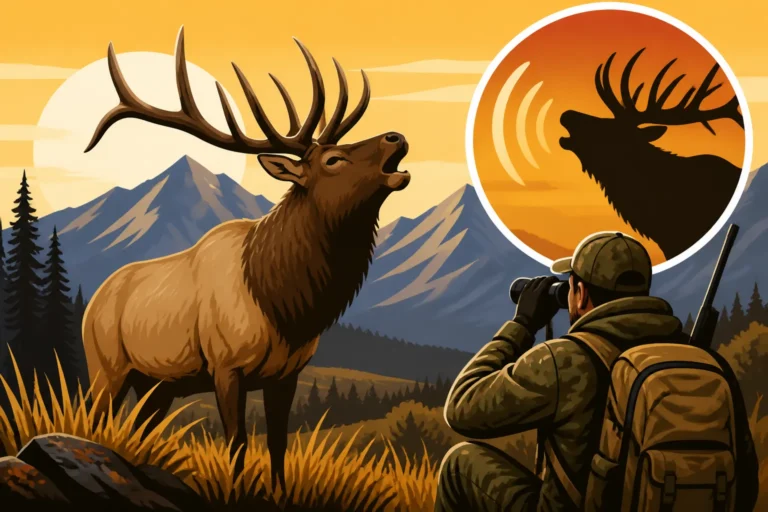
As summer gives way to early autumn, particularly during the archery seasons in September, elk are often still holding in higher elevations, enjoying the cooler temperatures and abundant forage of their summer range. Bulls are typically in bachelor groups, still feeding heavily to build up their strength for the upcoming rut. As the rut approaches, usually in late September and early October, bulls become much more vocal and active. This is the time when you'll hear those thrilling bugles echoing through the mountains. Bulls will be gathering cows, challenging rivals, and moving through more open country, making them more visible – and callable. This period offers prime opportunities for hunters to use calling tactics, but also demands patience, as bulls can be unpredictable. To truly capitalize on this, studying How to Call Elk in Montana or specifically How to Hunt the Rut in Montana can provide a massive advantage.
Table: Montana Elk Seasonal Movement Overview
| Season | Typical Location | Primary Behavior | Hunting Strategy Focus |
|---|---|---|---|
| Early Archery | High elevation timber, subalpine basins, north slopes | Feeding, bachelor groups, building strength | Spot-and-stalk, quiet movement |
| Peak Rut | Mid-elevation timber edges, open parks, saddles | Bugling, herding cows, sparring | Calling, ambushing travel routes |
| General Season | Dense dark timber, remote canyons, security cover | Seeking refuge, feeding at dawn/dusk | Still-hunting, glassing edges, patience |
| Late Season | Lower elevations, migration corridors, south-facing slopes | Conserving energy, feeding on sparse forage | Tracking, ambushing migration |
General Season Pressure: Timber Pockets and Remote Sanctuaries
Once Montana's general rifle season kicks off, typically in late October, the landscape changes drastically for elk. The sudden influx of hunters across public lands forces elk to become incredibly wary and move into the thickest, most inaccessible cover they can find. This means they often retreat deep into dark timber, north-facing slopes, and remote canyons where human activity is minimal. They become much more nocturnal, feeding primarily at night and bedding down long before daylight. During this time, patience, quiet still-hunting, and pushing into areas others overlook are crucial. This is also where understanding thermal currents and wind direction becomes critical, as elk will use these to their advantage to detect predators. Utilizing detailed maps from platforms like GoHunt can help identify these secluded areas that other hunters might bypass.
Late Season: Winter Range Migrations and Snow Lines
As winter deepens and significant snow begins to fall, usually in November and December, elk start their migrations to lower elevation winter ranges. These areas, often south-facing slopes, river bottoms, or open foothills, offer less snow accumulation and more accessible forage. The snow line becomes your friend, as elk will often stay just above it or push into it as conditions dictate. This late-season hunting can be physically demanding, with cold temperatures and deep snow, but it can also be incredibly rewarding as elk are often concentrated. Identifying historical migration corridors and traditional wintering grounds is key. Sometimes, these movements are driven by harsh weather, making understanding How to Hunt a Cold-Front Elk Push in Montana an important skill.
Leveraging Modern Tools and Knowledge to Locate Elk
Finding elk in Montana today isn't just about throwing on a pack and wandering. While "boots on the ground" will always be essential, modern technology and readily available information can dramatically improve your chances of locating these elusive animals.
The Power of E-Scouting and Topographic Maps
Before you even leave your couch, you should be deep into e-scouting. Tools like onX Hunt and the GoHunt Insider platform offer incredible satellite imagery, topographic maps, public/private land boundaries, and historical weather data. You can identify potential bedding areas (dark timber on north slopes), feeding areas (open parks, south-facing hillsides), water sources, and travel corridors between them. Look for saddles, benches, and finger ridges that elk will use to navigate terrain. You can drop pins, measure distances, and essentially conduct a thorough pre-hunt scout without burning any gas. This also helps you understand the lay of the land, anticipate elk movement, and plan your approach long before you ever step foot in the woods. Learning How to E-Scout Montana Hunting Units is an absolute game-changer for today's hunter.
Interpreting FWP Data and Local Intelligence
The Montana Fish, Wildlife & Parks (FWP) website is an invaluable resource. They provide detailed hunting regulations, annual season forecasts, harvest reports, and population data for various hunting districts. While general, this information can help you understand which districts have healthy elk populations and good success rates. Pay attention to changes in regulations or specific herd management objectives, as these can tell you where FWP wants to see more or fewer elk harvested. Don't underestimate local intelligence either. Chatting with seasoned locals, sporting goods store owners, or even past outfitters can yield invaluable, current information about localized elk movements or recent observations. However, always take "hot tips" with a grain of salt and verify them yourself.
Ground Scouting: Boots on the Ground and Reading Sign
No amount of e-scouting can replace actual ground scouting. This means getting out into your chosen hunting area well before the season, or even during the off-season. Look for fresh elk sign: tracks, droppings (called scat), rubs on trees (where bulls mark their territory), and wallows. Pay attention to the freshness of the sign – is it days old or hours old? This tells you if elk are currently in the area. Set up trail cameras in key areas like water holes or trails leading to feeding grounds. Observe feeding patterns, bedding areas, and travel routes. Ground scouting helps you confirm what you saw on your maps and understand the nuances of the terrain that satellite images might miss, like hidden springs or dense blowdowns. This physical preparation is crucial for success, especially when considering a demanding Montana DIY Elk Hunting Guide adventure.
Disclaimer
Hunting is an inherently dangerous activity. The information provided in this guide is for informational purposes only and should not replace proper research, hunter education, and adherence to all local, state, and federal hunting laws and regulations. Always prioritize safety, respect wildlife, and practice ethical hunting. Conditions in Montana can change rapidly, and hunters should always be prepared for adverse weather and unexpected challenges.