Montana Pheasant Hunting
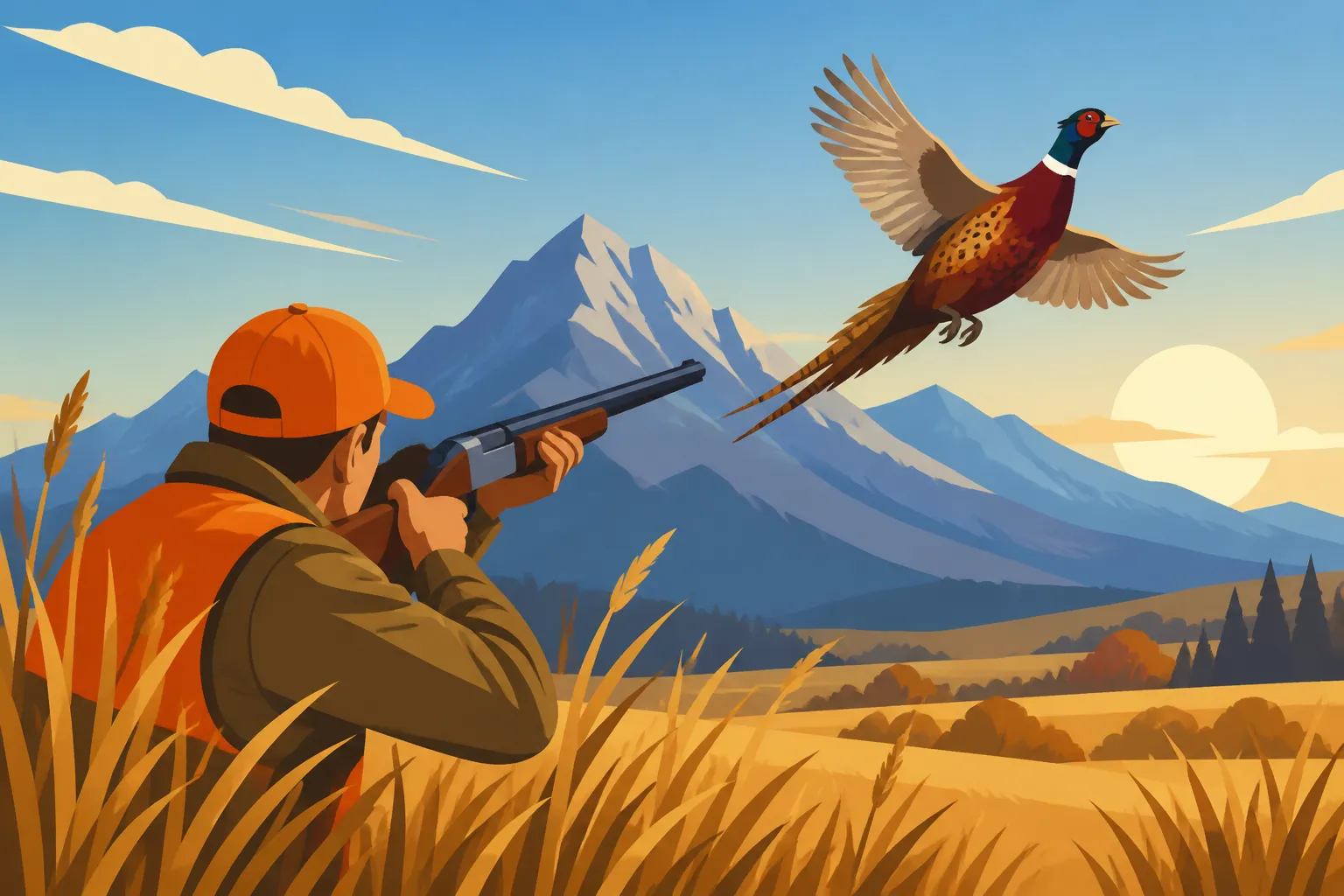
For many hunters, the crackle of dry grass underfoot and the explosive flush of a wild pheasant is the epitome of autumn. Yet, finding reliable public access and understanding the nuances of pheasant behavior in a vast state like Montana can feel like searching for a needle in a haystack, especially if you're new to the Big Sky Country. This comprehensive guide will walk you through everything you need to know to pursue these vibrant birds, from understanding their habitat and essential gear to navigating regulations and effective hunting strategies.
Understanding Montana's Pheasant Landscape
Montana might be famous for its elk and deer, but for those who love wingshooting, the state offers some truly fantastic pheasant hunting opportunities. However, it's not a uniform experience across the entire state. Knowing where these birds thrive and what influences their populations is key to planning a successful hunt.
Where Pheasants Thrive in Montana
Pheasants are not native to North America; they were successfully introduced from Asia. In Montana, they've found their niche primarily in the agricultural regions of the state, particularly in the eastern and central plains. Think of areas with a mix of croplands, undisturbed grassland, brushy draws, and crucial winter cover. These birds are directly tied to suitable habitat.
You'll often find the highest concentrations of pheasants in the fertile river bottoms and dryland farming areas along rivers like the Yellowstone, Powder, Tongue, and Milk Rivers. Counties such as Richland, Fallon, Dawson, McCone, Wibaux, and Yellowstone often boast excellent pheasant numbers, thanks to the mix of corn, wheat, and CRP (Conservation Reserve Program) lands. These areas provide the necessary food sources, like waste grain, seeds, and insects, alongside dense thermal and escape cover, like cattail sloughs, shelterbelts, and thick stands of native grasses. Without this specific blend of resources, pheasants simply can't survive Montana's harsh winters or evade predators effectively. It’s a delicate balance that landowners and wildlife agencies work hard to maintain.
Pheasant Population Trends and Management
Montana's pheasant populations are notoriously cyclical and heavily influenced by a few critical factors: habitat availability and weather. Severe winters with prolonged deep snow can decimate pheasant numbers, especially if adequate winter cover is lacking. Similarly, late, wet springs can reduce nesting success and chick survival. Conversely, mild winters and warm, dry springs can lead to booming populations.
Montana Fish, Wildlife & Parks (FWP) plays a crucial role in monitoring these trends through roadside counts and hunter surveys. They also work with private landowners and conservation groups to enhance habitat. Programs like CRP, which pays farmers to take environmentally sensitive land out of production and plant beneficial cover, are absolute lifelines for pheasants. Organizations like Pheasants Forever also do tremendous work on the ground, establishing and maintaining crucial upland bird habitat. When populations are down, it’s often a result of a tough winter or a bad nesting season, reminding us how sensitive these birds are to their environment. Keeping an eye on FWP's annual forecast and habitat reports can give you a real edge in knowing which areas might be hotter than others for a given season.
Essential Gear and Dog Considerations for Pheasant Hunting
Stepping into Montana's pheasant country requires more than just enthusiasm; it demands the right gear and, for many, the companionship of a well-trained dog. Being prepared ensures both your safety and a more successful hunt.
Shotguns, Loads, and Chokes for Ringnecks
When it comes to shotguns for pheasants, practicality and reliability are paramount. The tried-and-true 12-gauge is perhaps the most popular, offering a good balance of pellet count and range. However, many hunters, including myself, find the lighter 20-gauge perfectly adequate, especially for long days of walking. The 16-gauge also has its loyal following for its balance between the two. Whatever gauge you choose, ensure it's one you can comfortably carry and shoot accurately.
For ammunition, a good quality field load in shot sizes #5 or #6 is ideal. The #5 shot provides a bit more knockdown power for those longer flushing birds, while #6 offers a denser pattern for closer shots. I typically start with #6 early in the season and switch to #5 later when birds are wilder and flushing farther out. As for chokes, an Improved Cylinder (IC) is excellent for the first shot at close-flushing birds, and a Modified (Mod) choke works well for a follow-up shot or when birds are flushing a bit farther out. Some hunters prefer a Light Modified for a happy medium. Having screw-in chokes allows you to adapt to the cover and how wild the birds are behaving that day. Remember, the goal is clean kills, so pattern your shotgun with your chosen loads and chokes before the season to understand its performance.
The Importance of a Good Bird Dog
Let’s be honest, hunting pheasants without a dog is like trying to eat soup with a fork – you can do it, but it’s a lot harder and you miss a lot. A well-trained bird dog is, for many, the heart of the pheasant hunting experience. Breeds like Labrador Retrievers, German Shorthaired Pointers, English Pointers, Brittanys, and Springer Spaniels are all excellent choices, each bringing different strengths to the field. Pointers excel at finding and holding birds, while flushers like Springers or Labs are fantastic at working dense cover and retrieving.
A good dog not only finds birds you'd walk right past but also dramatically reduces crippling losses, ensuring ethical recovery of downed game. They’re invaluable in dense cover like cattails or heavy CRP where a pheasant can disappear in seconds. Training is key; a dog that hunts within range, retrieves to hand, and obeys commands makes for a much more enjoyable and effective hunt. Even if you don’t own a dog, hunting with a friend who does can open up new dimensions to the experience. If you’re hunting without a dog, you’ll need to work cover very slowly and methodically, often "blocking" sections with multiple hunters to prevent birds from running out of bounds.
Dressing for Success and Safety
Montana weather can be fickle, especially during pheasant season, which typically runs from late October into January. One day it might be crisp and sunny, the next a full-blown blizzard. Layering is your best friend. Start with a moisture-wicking base layer, add an insulating mid-layer like fleece or wool, and top it off with a windproof and waterproof outer shell. Good quality hunting pants that can withstand thorns and burrs are essential, as is a comfortable, supportive pair of waterproof boots that can handle miles of walking. For footwear, something like the boots recommended for a Montana Backpack Elk Hunt can work really well, offering both comfort and durability in varied terrain.
Safety is non-negotiable. Montana law requires hunters to wear at least 400 square inches of hunter orange above the waist, visible from all directions, except for waterfowl hunting. This is critical in areas where multiple hunting parties might be present. Eye protection is also highly recommended to shield your eyes from stray pellets, brush, or branches. A good pair of shooting glasses can save you a lot of grief. Don't forget gloves, a warm hat, and plenty of water or a thermos of coffee, depending on the temperature. A good game vest or bird bag with ample storage for shells, water, and your harvested birds will make your day much more comfortable.
Navigating Montana's Pheasant Seasons and Regulations
Understanding the rules of the game is just as important as knowing how to play it. Montana Fish, Wildlife & Parks (FWP) sets the seasons and regulations to ensure sustainable populations and fair chase. Skipping this step can lead to frustration and legal trouble.
Key Season Dates and Bag Limits
Montana's general pheasant season typically kicks off in late October and runs through January 1st, or sometimes a bit longer depending on the specific hunting district and year. This timing is designed to coincide with the birds being fully mature and having developed their full plumage, while also allowing for a good portion of the breeding season to pass undisturbed. You'll always want to check the most current FWP Upland Game Bird Regulations to confirm exact dates, as they can shift slightly year to year. These regulations also cover youth-only hunts, which sometimes offer an earlier start for younger hunters, providing a great opportunity to introduce them to the sport with less pressure.
The daily bag limit for pheasants is generally 3 roosters, with a possession limit of 9. Remember, only rooster pheasants (males with their distinctive colorful plumage) are legal to harvest. This "rooster-only" rule protects the hens, which are vital for reproduction, and helps maintain healthy populations. Always be sure of your target before you shoot to avoid accidentally taking a hen. The vibrant colors of a rooster usually make them easy to distinguish, but in poor light or dense cover, always err on the side of caution.
Understanding Licensing and Permits
Before you even step foot in the field, you’ll need the proper licensing. For both residents and non-residents, this typically starts with a base hunting license, which is your foundational permit to hunt any game in the state. On top of that, you’ll need a Conservation License and an Upland Game Bird Enhancement Program (UGBEP) Upland Bird License. Don't forget the Aquatic Invasive Species (AIS) Prevention Pass, which is mandatory for most hunting licenses in Montana to help protect our waters.
For non-residents, the costs are significantly higher, and while pheasant tags are generally over-the-counter, understanding the entire licensing structure can be a bit daunting. You can find a detailed breakdown on the Montana Hunting License Costs and the Montana Base Hunting License Requirements pages. It's crucial to purchase these well in advance of your trip to avoid last-minute headaches. The FWP website is your go-to resource for all current license information and to purchase everything online. Planning your trip means knowing what you need to legally carry in the field, which will include your physical licenses and proof of Hunter Education if required.
Public Access and Block Management Areas
Finding good public access is often the biggest challenge for pheasant hunters in Montana, especially for non-residents. While federal lands like Bureau of Land Management (BLM) property and National Grasslands do hold birds, they are often scattered and require extensive scouting. State Trust Lands also offer opportunities, but always be sure to check specific rules and access points, as some parcels are leased and may have restrictions.
This is where the Montana Block Management Areas Explained program truly shines. BMAs are private lands enrolled by landowners into a state program, allowing public hunting access under specific conditions. These areas are absolutely critical for upland bird hunting, especially pheasants. Each BMA has its own rules, including sign-in procedures, hunter quotas, and specific access dates, so you must consult the FWP's Block Management Program website or app for up-to-date information before heading out. Sometimes, a BMA might open later in the season for upland birds, or require a reservation. Leveraging tools like the FWP Hunt Planner maps or even third-party apps like GoHunt can help you identify these crucial access points and scout them virtually before you hit the ground. For more general public land hunting information, you can always check out our Montana Public Land Hunting Guide. Respecting private land and BMA rules is paramount to ensuring these invaluable programs continue.
Effective Pheasant Hunting Tactics in Montana
Pheasants are smart, wary birds that can make even experienced hunters feel foolish. They’re champions at running, hiding, and flushing at the most inconvenient times. Developing effective tactics is crucial to consistently putting birds in the bag.
Walking and Blocking Strategies
Pheasant hunting is often a game of strategy, especially when hunting with a group. The most common tactic involves systematically walking through suitable cover, such as shelterbelts, CRP fields, brushy coulees, or cattail sloughs. When you’re walking, pay close attention to the edges of cover, fence lines, and any changes in terrain – these are all prime pheasant hangouts. The ideal approach is to walk into the wind, as pheasants prefer to flush into the wind. This also helps your dog pick up scent better.
For group hunts, employing "blocking" strategies significantly increases success rates. This involves having a few hunters act as "blockers" positioned quietly at the downwind end of a cover strip, while the main group of "pushers" walks through the cover towards them. Pheasants, being runners, will often try to sneak out the far end, only to be met by the blockers. It’s a dynamic and exciting way to hunt. Even when hunting solo or with one other person, you can use natural features like roads, creeks, or dense timber as natural blockades to funnel birds. Remember to walk slowly, pause frequently (pheasants often flush when they think you’ve passed), and always be ready for that explosive flush.
Reading the Habitat and Weather
Successful pheasant hunters are also skilled naturalists, constantly observing their surroundings and understanding how birds react to environmental conditions. Habitat selection changes with the weather. On cold, windy days, pheasants will gravitate towards the thickest, most protected cover – cattail sloughs, dense brush, and heavy shelterbelts that offer thermal protection from the elements. North-facing slopes might be avoided, while south-facing slopes, which catch more sun, could hold birds warming up.
After a fresh snowfall, pheasants often become more concentrated in remaining food sources or dense cover. Their tracks can also become much easier to spot, giving you clues to their movement patterns. Conversely, on warm, sunny days, they might spread out into lighter cover or feed in open fields. Pay attention to how birds are behaving; if they’re flushing wild and far out, they might have been pressured recently or the weather is making them skittish. Adjust your approach – slower walks, more pauses, or switching to thicker cover might be necessary. Understanding how Montana Elk Migration Patterns are affected by weather can also give you a broader appreciation for how all wildlife adapts to the changing seasons in Montana.
Ethical Hunting Practices and Field Care
Ethical hunting goes beyond simply following the law; it's about respecting the animal, the land, and fellow hunters. One of the most important aspects is positive identification of your target. As mentioned, only rooster pheasants are legal to harvest. Always confirm it's a male bird before pulling the trigger. Ensure you have a clear shot and are aware of your shooting lane – what’s beyond your target? Never shoot low-flying birds or towards other hunters, roads, or buildings.
Once a bird is downed, retrieving it quickly is paramount. This is where a good dog is invaluable, minimizing the chance of a lost bird. If you don't have a dog, mark the fall zone precisely and search thoroughly. Once retrieved, dispatch the bird humanely and quickly if it's still alive. Field dressing isn't always necessary immediately for pheasants, but it's a good practice, especially on warmer days, to cool the meat. Simply remove the entrails, and if possible, keep the bird cool during transport. Many hunters will pluck and clean their pheasants back at camp or home, readying them for the table. Knowing how to efficiently quarter and pack out other species, as discussed in How to Quarter an Elk in the Montana Backcountry, highlights the importance of proper field care for any game animal.
Maximizing Your Montana Pheasant Experience
Hunting pheasants in Montana can be an incredible adventure, but like any pursuit in the vastness of the Big Sky state, a little extra effort in planning and execution can turn a good hunt into a truly memorable one. It’s about more than just the birds; it’s the whole experience.
Scouting and E-Scouting for Productive Areas
Gone are the days when a paper map and a keen eye were your only scouting tools. While driving country roads and looking for habitat and bird sign (tracks, feathers, dusting areas) is still vital, e-scouting has revolutionized how we prepare for a hunt. Tools like onX Hunt, or similar platforms often integrated with services like GoHunt, allow you to analyze potential hunting areas from your couch. You can identify public lands (BLM, State Trust, National Grasslands), private lands enrolled in Block Management, and critical habitat features like CRP fields, shelterbelts, cattail sloughs, and drainage ditches.
Before heading out, identify promising sections of cover, especially those adjacent to agricultural fields that provide food. Look for isolated pockets of thick cover that might get less pressure. Mark potential parking spots and access points. When you are on the ground, use your scouting time wisely: drive slowly, observe, and even listen for the distinctive cackle of roosters in the early morning or late evening. This blend of virtual and on-the-ground scouting, similar to how one might How to E-Scout Montana Hunting Units for bigger game, is your recipe for finding those honey holes.
Dealing with Hunting Pressure and Other Hunters
Montana's pheasant hunting, particularly in easily accessible public areas and popular Block Management Areas, can see significant pressure, especially on opening weekend and holidays. This pressure makes birds wilder, causing them to flush farther out or run more frequently. Don’t let this deter you; instead, adapt your strategy.
One effective tactic is to hunt mid-week when many hunters are back at work. This can significantly reduce competition. Another approach is to target less accessible areas. This might mean walking a bit farther into a BMA or exploring federal lands that require more effort to reach. Look for habitat that is harder to access or might deter casual hunters, such as thick, thorny cover, deep draws, or areas a few miles off the main road. If you encounter other hunters, always be courteous: give them space, communicate if necessary, and ensure safety is your top priority. A shared respect for the land and the experience makes hunting better for everyone. Sometimes, waiting an hour or two after sunrise before hitting a popular spot can also help, letting others push through and then you can find birds that have resettled.
Beyond the Hunt: Enjoying Your Harvest
Bringing home a limit of pheasants is incredibly satisfying, but the experience doesn't end when the birds are in the vest. Enjoying your harvest is a fundamental part of the hunting tradition. Pheasant meat is lean, flavorful, and incredibly versatile in the kitchen.
After cleaning your birds, there are countless ways to prepare them. Simple pan-searing with herbs and butter, braising in a rich sauce, or even making pheasant pot pie are popular choices. The lean nature of pheasant often benefits from being wrapped in bacon or cooked with a little added fat to keep it moist. Consider soaking the breasts in buttermilk overnight to tenderize them even further. Sharing your wild game with friends and family not only creates wonderful meals but also provides an opportunity to share stories from the field and connect over the sustainable food you’ve harvested. It’s a profound connection to the land and the cycle of life that store-bought meat can’t replicate.
Common Challenges and Solutions in Montana Pheasant Hunting
Even with the best planning, Montana pheasant hunting can throw some curveballs. From unpredictable weather to navigating access, being aware of common challenges and having strategies to overcome them will make you a more resilient and successful hunter.
Weather Extremes and Their Impact
Montana’s weather is a legend unto itself, and pheasant season often coincides with some of the most dramatic shifts. You might start a hunt in mild, sunny conditions only to be caught in a sudden blizzard a few hours later. High winds can make birds incredibly jumpy and hard to pin down, while extreme cold can be brutal on both hunters and dogs.
The solution lies in preparation and flexibility. Always check the forecast religiously, but be prepared for anything. Layer your clothing effectively, bring hand and foot warmers, and carry emergency supplies like extra food, water, and a fire starter. If a major storm rolls in, sometimes the safest and smartest decision is to pack it in for the day. For your dog, cold weather means being vigilant about frostbite on paws and ears, and ensuring they stay hydrated and warm. Understanding How to Hunt Elk in Montana Snow provides valuable insights into dealing with wintry conditions that can be applied to pheasant hunting as well. If conditions are too miserable for you, they’re too miserable for the birds to be active, making hunting unproductive anyway.
Access Issues and Private Land Respect
Securing access to quality pheasant habitat can be one of the most frustrating aspects of hunting in Montana. While Block Management Areas are a fantastic resource, they are not infinite, and some of the best hunting is often found on private land not enrolled in public access programs. Navigating "No Trespassing" signs can be a real mental game.
The best solution, beyond utilizing BMAs, is to try and gain permission from private landowners. This requires politeness, respect, and often, a little bit of legwork. Knock on doors well in advance of the season, introduce yourself, and clearly state your intentions. Offer to share some of your harvest or help with a chore. Always leave gates as you found them, pack out all your trash, and drive on established roads. A positive interaction can open doors for future hunts. Remember that the privilege of hunting on someone's property is a gift, not a right. For a deeper dive, read our guide on How to Use Block Management for DIY Hunts. Preserving these relationships is crucial for maintaining hunting opportunities in Montana.
The Elusive Pheasant: When They Won't Flush
Pheasants are not just beautiful; they are incredibly cunning. They are masters of evasion, preferring to run through dense cover rather than fly, especially if they’ve been pressured. It can be incredibly frustrating to know birds are in a field but they just won’t get airborne.
When birds are running, slow down your pace even more. Sometimes a sudden stop or a loud clap can cause a running bird to flush. Work the cover meticulously, paying attention to every clump of grass or brush pile. If you have a dog, trust their nose and watch their body language. A dog on point for an extended period, or one that’s getting extra birdy but not getting a flush, usually indicates a runner. Try to circle ahead of the dog or have another hunter move to block the escape route. Re-working patches of cover you’ve already been through can sometimes surprise a bird that was hunkered down. Patience and persistence are your greatest allies against the elusive pheasant. They’ll usually give you a shot eventually, but it's often on their terms!
Disclaimer
Hunting is an inherently risky activity. The information provided in this guide is for informational purposes only and is not a substitute for proper training, experience, or adherence to all applicable laws and regulations. Always prioritize safety, respect wildlife and the environment, and consult official Montana Fish, Wildlife & Parks resources for the most current rules and regulations.