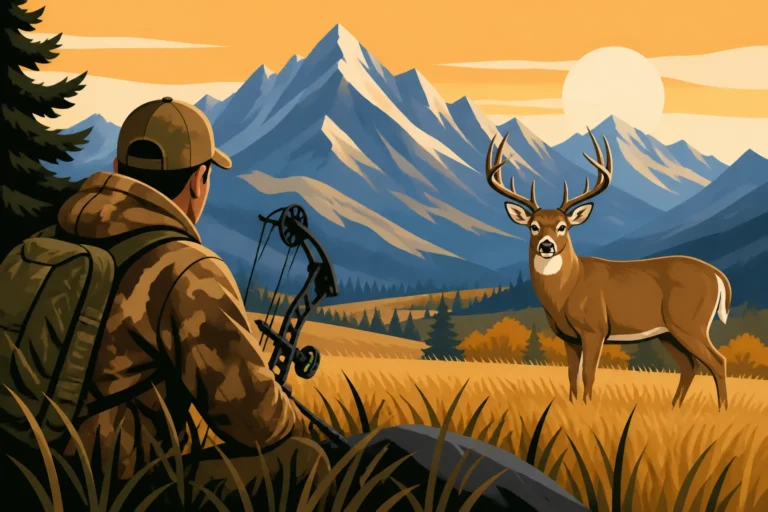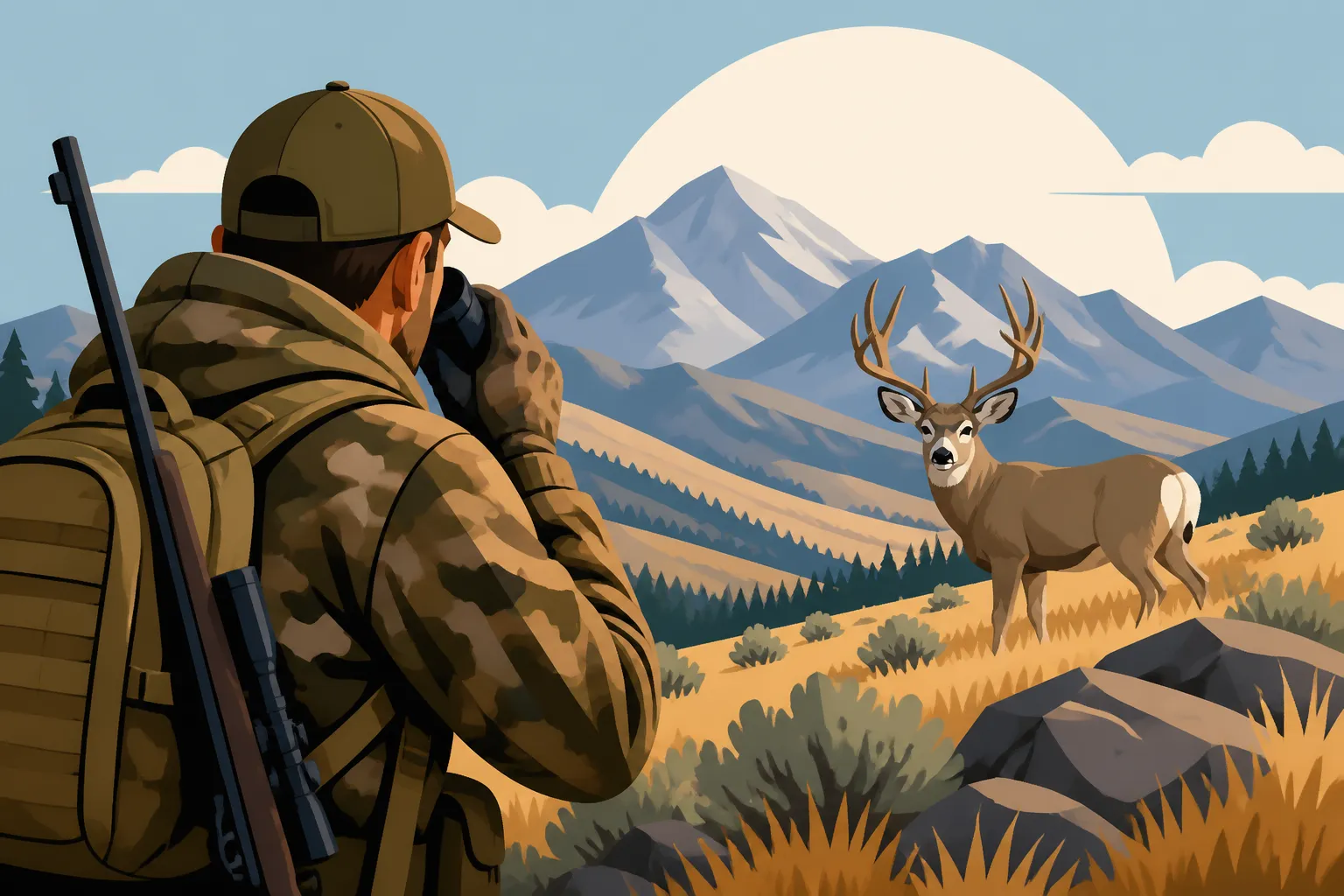
Montana Mule Deer Hunting for Beginners
For many new hunters, the dream of pursuing mule deer across Montana's vast, wild landscapes is incredibly enticing, but the reality of planning such a trip can feel daunting. The sheer amount of public land, complex regulations, and unique challenges of mountain and plains hunting can leave a beginner unsure of where to even start. This guide is crafted specifically to demystify Montana mule deer hunting, breaking down everything you need to know to confidently embark on your first adventure and increase your odds of success.
Understanding Montana Mule Deer: Behavior, Habitat, and Why They're Different
Mule deer are truly iconic creatures of the American West, and Montana offers some incredible opportunities to pursue them. However, they are not just "big whitetail" – understanding their unique biology and behavior is absolutely crucial for a successful hunt, especially for newcomers to the state.
Mule Deer vs. Whitetail: Key Differences
If you're coming from an area where whitetail deer are common, you'll quickly realize mule deer are a different animal altogether. Physically, mule deer are generally stockier, with larger bodies and, as their name suggests, noticeably larger ears that swivel independently like a mule's. Their antlers typically fork, with the main beam splitting into two equal points, then each of those splitting again, rather than the single main beam with tines that branch off seen in most whitetail. This difference in antler structure, known as "bifurcated," is a key identifier.
Behaviorally, mule deer also stand apart. While whitetails are masters of concealment, often relying on dense cover and running with their tails down when spooked, mule deer often prefer more open country. When alarmed, a mule deer’s characteristic gait is a stiff-legged bounding motion, often referred to as "stotting," which allows them to cover broken terrain quickly while keeping an eye on a perceived threat. They typically raise their short, white, black-tipped tail when fleeing, unlike the prominent "flag" of a whitetail. These differences mean that traditional whitetail hunting tactics, like sitting in a treestand over a food plot, are largely ineffective for mule deer in Montana's vast landscapes.
Their primary senses also differ in emphasis. While whitetails rely heavily on their incredible sense of smell and hearing to detect danger in dense cover, mule deer often rely more on their eyesight, given their preference for more open habitats. This doesn't mean you can ignore the wind, but it does mean that being seen from a distance is a much greater risk when hunting mule deer, making long-distance glassing and careful stalking paramount.
Where to Find Them: Montana's Mule Deer Habitat
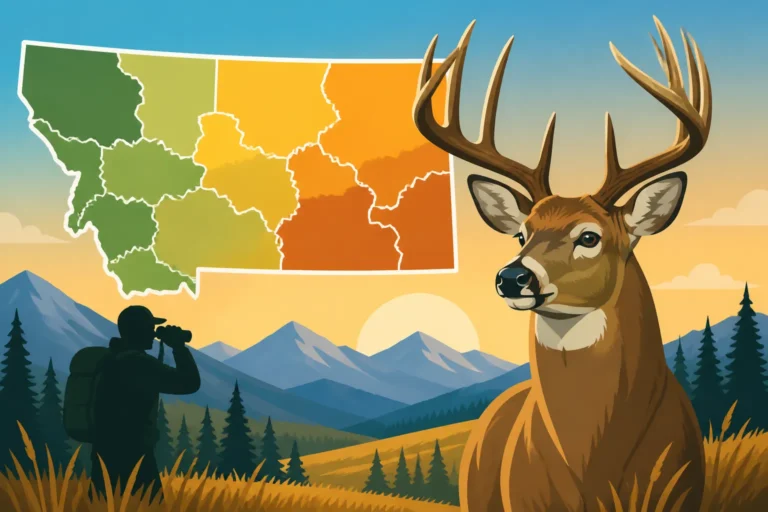
Montana's diverse topography provides a variety of habitats for mule deer, ranging from rugged mountain slopes in the west to the vast sagebrush plains and breaks of the east. Generally, you'll find healthy mule deer populations across most of the state, with particularly strong numbers in the central and eastern regions, especially in areas with broken badlands, rimrock, and coulees. However, don't discount the mountains, where they often inhabit south-facing slopes, open timber, and high-elevation basins. For a more comprehensive overview, check out our Montana Mule Deer Habitat Explained guide.
Specific habitat features that consistently attract mule deer include areas offering a mix of browse (like sagebrush, bitterbrush, and serviceberry), water sources, and bedding cover. In the mountains, they often prefer south-facing slopes in the fall and winter, as these areas receive more sunlight and shed snow faster, making forage more accessible. Conversely, during the warmer months and midday, they might seek the cooler, shaded north-facing timber or bed down in deep draws and coulees. Understanding these micro-habitat preferences will significantly aid your scouting efforts.
Their seasonal movements are also critical to pinpointing where they might be. Like many big game animals, mule deer often utilize different ranges throughout the year. During summer, many bucks might move to higher elevations or remote areas to grow their antlers undisturbed. As fall approaches and hunting seasons open, they descend to accessible ranges. The rut, typically in November, sees increased movement as bucks search for does, often making them more visible. In harsh winters, they concentrate on crucial winter ranges, often at lower elevations. Learning about Montana Mule Deer Migration can help you anticipate these movements.
Reading Mule Deer Behavior
Mule deer generally follow a crepuscular pattern, meaning they are most active during dawn and dusk. This is when they move between bedding areas and feeding grounds. During the middle of the day, especially if weather is mild, they'll typically bed down in cover, often on a slight rise or in a position that offers them a good vantage point to spot danger. Learning to identify these patterns will inform your hunting strategy.
During the rut, which typically peaks in mid-November, mule deer bucks become far more active throughout the day. They will be constantly moving, sniffing, chasing does, and engaging in sparring matches with rival bucks. This is an exciting time to hunt, as their focus on breeding can make them slightly less cautious, though still incredibly wary. For more on this, our Montana Mule Deer Rut Explained article is a great resource.
When approaching mule deer, remember their keen eyesight. They often stand and stare intently at anything perceived as a threat, giving you a small window to freeze or drop out of sight. They are less likely to burst into a full run immediately, often taking a few stiff-legged bounds to gain distance and assess the situation before truly bolting. This behavior can sometimes be used to your advantage if you maintain stealth and are ready to take a quick, ethical shot. Their larger ears mean they also possess excellent hearing, so quiet movement is always essential.
Essential Gear for Your First Montana Mule Deer Hunt
Heading into Montana's wild country for mule deer means being prepared for anything. The right gear won't guarantee success, but it will certainly make your hunt safer, more comfortable, and significantly more effective. Don't skimp on these essentials.
Optics: Your Eyes in the Big Country
For mule deer hunting in Montana, quality optics are not just a luxury; they are an absolute necessity. Given the open, vast terrain mule deer often inhabit, you'll spend far more time glassing than walking. A good pair of binoculars (10×42 or 12×50 are excellent starting points) will be your most important scouting tool. You'll use them to meticulously scan distant hillsides, draws, and timber edges for any sign of deer. Investing in a reputable brand will pay dividends in clarity and durability.
Beyond binoculars, a spotting scope mounted on a sturdy tripod is highly recommended, especially if you plan to hunt areas with vast, open vistas like the Missouri Breaks or eastern plains. A spotting scope (20-60x or 15-45x) allows you to "size up" a buck from miles away, saving you precious hours and energy on stalks for animals that might not be what you're looking for. The tripod is non-negotiable for stable, long-duration glassing. Many newer hunters underestimate the importance of a good tripod, but trying to hold binoculars steady for hours will quickly lead to fatigue and missed details. Learn more about effective glassing techniques in How to Glass Montana's Big Country.
Finally, a reliable laser rangefinder is absolutely essential for ethical shooting. Montana's varied terrain can play tricks on the eye, making distances seem shorter or longer than they truly are. Knowing the exact yardage to your target is paramount for making an accurate shot, especially in the mountains where angle compensation features are very beneficial. Practice using your rangefinder frequently before your hunt so it becomes second nature.
Footwear and Clothing: Staying Comfortable and Safe
Montana weather is famously unpredictable. You can experience all four seasons in a single day, particularly during fall hunting seasons. Therefore, a proper layering system is crucial. Start with a moisture-wicking base layer (merino wool or synthetic, avoid cotton), add insulating mid-layers (fleece or puff jacket), and top it off with a waterproof and windproof outer shell. This allows you to add or shed layers as conditions change, preventing overheating during strenuous climbs and staying warm during cold glassing sessions.
Your boots are arguably the most important piece of clothing you'll wear. You'll be covering miles of rugged, uneven terrain, so comfort, support, and waterproofing are paramount. Invest in a high-quality pair of hiking or hunting boots that are well broken-in before your hunt. Look for good ankle support to prevent twists and ample insulation if you're hunting late in the season. Brands like Kenetrek, Schnee's, or Crispi are popular among Montana hunters for their durability and performance in challenging conditions.
During Montana's general rifle season, hunters are legally required to wear at least 400 square inches of visible hunter orange above the waist, including a head covering, so make sure your outer layer meets this requirement. Even during archery season, wearing some orange or bright colors is a smart safety practice to make you visible to other hunters, especially if you're venturing onto popular public lands.
Backpack and Other Essentials
Your backpack will be your mobile base camp, carrying everything you need for a day (or potentially more) in the field. For most day hunts, a pack in the 30-50 liter range is sufficient. If you're planning a multi-day backcountry excursion, you'll need something larger, capable of carrying a significant load, including meat if you're successful. Look for a pack with a comfortable suspension system, durable materials, and external pockets or straps for quick access items. A good frame pack will be your best friend when it comes to packing out meat, as discussed in How to Pack Out an Elk in Montana (though for mule deer, the principle is similar).
Beyond your optics and clothing, ensure you have these critical items:
- Navigation: A reliable GPS device or a smartphone with a hunting app like OnX Hunt or GoHunt is indispensable. Download offline maps before you go, as cell service is spotty in many hunting areas. Carry a physical map and compass as a backup, and know how to use them.
- First-Aid Kit: A compact kit with essentials for cuts, blisters, pain relief, and any personal medications.
- Knife: A sharp, fixed-blade knife for field dressing.
- Headlamp/Flashlight: With extra batteries. Mornings start early, and evenings often end late.
- Water and Food: Carry more than you think you'll need. A water filter can be a lifesaver for multi-day hunts. High-energy snacks are crucial for sustaining yourself through long days of hiking.
- Emergency Shelter: A lightweight tarp or emergency blanket can be vital if you get caught out after dark or in unexpected weather.
Planning Your Beginner-Friendly Montana Mule Deer Hunt
Successfully hunting mule deer in Montana as a beginner involves more than just showing up with a rifle. Careful planning, understanding the regulations, and effective pre-season scouting are paramount.
Understanding Licenses and Regulations
Navigating Montana's hunting regulations can feel like deciphering ancient texts, especially for non-residents. For mule deer, most hunters will be seeking a general deer license. Non-residents typically apply for a combination license, such as the Nonresident Big Game Combination or Nonresident Deer Combination, which includes a general deer tag. These are limited in number and allocated through a draw system. It's crucial to understand the application deadlines, which are usually in March for the big game combination licenses. Our guide to the Montana Nonresident License Draw Explained walks you through the process.
Beyond the general license, some specific hunting districts (HUs) or seasons might require special permits obtained through a separate draw. Always consult the Montana FWP (Fish, Wildlife & Parks) regulations booklet for the current year. This document, available online and at license vendors, details all hunt codes, season dates, and specific rules for each district. The FWP website also offers interactive maps and search functions to help you understand the nuances. Familiarize yourself with Montana Mule Deer Season Dates and Tags to align your hunt with legal open periods.
Tools like GoHunt's Insider platform can be incredibly helpful in understanding draw odds, unit breakdowns, and up-to-date regulations. They often simplify the complex FWP language into digestible information, helping you make informed decisions about where and how to apply. Using such resources can alleviate much of the initial frustration of navigating Montana's system.
Choosing a Hunting District and E-Scouting
Choosing where to hunt is one of the biggest challenges for a beginner. Montana has vast amounts of public land managed by the Forest Service, Bureau of Land Management (BLM), and State Trust Lands. For your first hunt, focus on general units (those that don't require special permits) with abundant public access and a good track record for mule deer. Avoid highly sought-after, limited-entry districts, as your odds of drawing a tag there as a beginner will be slim. Our list of Best Montana Districts for Mule Deer in Montana can provide some starting points.
E-scouting is your best friend when planning a hunt in unfamiliar territory. Before you even set foot in Montana, spend hours poring over satellite imagery on platforms like Google Earth, OnX Hunt, or GoHunt maps. Look for key features that mule deer favor:
- Open, broken country: Areas with draws, coulees, and rimrock.
- Edges: Where different habitat types meet, like timber meeting sagebrush.
- Water sources: Ponds, springs, rivers, or stock tanks.
- Access points: Roads, trails, or areas where public land abuts private land (paying close attention to property lines).
- Glassing knobs: High points that offer expansive views of potential hunting areas.
Identify potential bedding areas on north-facing slopes with timber or dense brush, and feeding areas on south-facing slopes or open grasslands. Using contour lines, identify saddles and benches where deer might travel. Mark potential stalking routes and escape routes. Platforms like GoHunt and OnX are indispensable for this, allowing you to layer public/private land ownership, topo maps, and satellite imagery. Refer to How to E-Scout Montana Hunting Units for a deeper dive into this crucial skill.
Physical Preparation
Don't underestimate the physical demands of mule deer hunting in Montana. Whether you're hunting mountains or the rolling plains and breaks, you'll be covering significant distances, often over rugged, uneven terrain, and at higher altitudes than many Eastern hunters are accustomed to. A mule deer hunt is not a passive activity.
Start a fitness regimen months before your trip. Focus on cardiovascular endurance through hiking, jogging, or cycling. Incorporate strength training, particularly for your legs, back, and core, as you'll be climbing, descending, and potentially packing out heavy loads. Hiking with a weighted pack (mimicking your hunting pack with gear) is excellent preparation. If you're coming from a low-elevation area, be aware that higher altitudes (often 5,000 to 9,000+ feet in Montana's hunting country) can impact your stamina and cause symptoms of altitude sickness. Hydrate well and take it easy on your first day or two to acclimate. Being physically ready not only increases your chances of success but also significantly enhances your enjoyment and safety in the field.
Basic Mule Deer Hunting Tactics for Newcomers
Unlike hunting whitetails from a fixed position, successful mule deer hunting, particularly on public land, generally revolves around covering ground and using your eyes to locate animals from a distance.
The Spot-and-Stalk Method: Your Primary Tactic
The spot-and-stalk method is, without a doubt, the most effective and quintessential mule deer hunting tactic in Montana. It involves patiently glassing large areas from a high vantage point to spot deer, then carefully planning and executing a stalk to get within shooting range. This isn't just a tactic; it's an art form that requires immense patience, discipline, and understanding of the terrain and animal behavior. For more detail, see Montana Mule Deer Hunting: Spot-and-Stalk Tactics.
To execute a successful spot-and-stalk:
- Spotting: Find a high vantage point that allows you to see a lot of country. Use your binoculars and spotting scope to methodically pick apart every patch of timber, every draw, every rock outcropping. Look for an antler tip, an ear twitch, or a patch of hide. Take your time; often, a deer will only reveal itself for a few seconds. The early morning and late evening are prime times for deer movement and spotting.
- Planning the Stalk: Once you've located a deer, assess the terrain between you and the animal. Identify cover (ridges, ravines, timber, brush) that you can use to remain out of sight. Crucially, consider the wind direction and thermals. You almost always need to approach from downwind to prevent your scent from reaching the deer. Thermals often rise in the morning and fall in the evening, affecting how your scent travels in mountainous terrain.
- Executing the Stalk: Move slowly and deliberately. Every step should be quiet and intentional. Stay in the shadows if possible, and use the terrain to break up your silhouette. Minimize movement, especially when you think the deer might be looking your way. This stage can take hours, even for a short distance. Be prepared to crawl, duck, and use every bit of available cover. The goal is to get within your effective shooting range without being detected.
Still-Hunting Timber and Draws
While spot-and-stalk is dominant, mule deer will often seek refuge in pockets of timber or dense draws, especially during midday or when pressured. In these situations, still-hunting can be an effective tactic. Still-hunting involves moving extremely slowly and deliberately through cover, pausing frequently to scan for deer. This is less about covering ground quickly and more about observing your surroundings meticulously.
When still-hunting:
- Slow Down: Take one or two steps, then stop and scan the woods for several minutes. Use your binoculars to pick apart every shadow, every cluster of branches. Look for horizontal lines (a deer's back) in a world of vertical trees, or the flicker of an ear.
- Use the Wind: Always hunt into the wind or with a crosswind. Mule deer, even in dense cover, rely on their nose.
- Focus on Sign: Look for fresh tracks, droppings, rubs, and scrapes. These indicate deer are using the area. However, don't just stare at the ground; keep your eyes up and constantly scan for the animal itself.
- Be Patient: Still-hunting requires immense patience. Many hunters walk too fast, essentially pushing deer out of an area without ever seeing them. Think like a predator, moving silently and observing.
Public Land Considerations
Montana boasts an incredible amount of public land, making it a dream destination for DIY hunters. However, this also means you'll likely encounter other hunters, especially during the general rifle season. To increase your odds, consider focusing on areas that require a bit more effort to access. This might mean hiking a few miles from the nearest road, or venturing into designated wilderness areas. Our Montana Public Land Hunting Guide provides more detail on how to navigate these vast landscapes.
It's absolutely critical to understand land ownership. Always know whether you are on public or private land. Utilize GPS apps like OnX or GoHunt to clearly delineate property boundaries. Many private landowners enroll their property in Montana's Block Management Program, which provides public hunting access to specific areas under certain rules. Learn how to leverage Montana Block Management Areas Explained to expand your hunting opportunities. Always respect private property, even if deer cross onto it.
Lastly, be a responsible and ethical hunter. Pack out all your trash, including spent cartridges. Leave no trace. Adhere strictly to all regulations, tag your animal immediately upon harvest, and field dress it promptly to preserve the meat. Remember, we are guests in this incredible landscape, and our actions reflect on the entire hunting community.
| Aspect | Mule Deer Hunt Overview for Beginners |
|---|---|
| Primary Tactic | Spot-and-Stalk (glassing from a distance, then strategic approach) |
| Key Gear | High-quality binoculars (10-12x), spotting scope, tripod, rangefinder, layered clothing, sturdy boots, reliable GPS/mapping app |
| Habitat Focus | Open country, sagebrush, badlands, broken mountains, timber edges, draws, coulees, rimrock |
| Season Dates | Archery (early Sept-mid Oct), General Rifle (late Oct-late Nov) |
| License Type | General Deer License (often part of a Nonresident Combination License) |
| E-Scouting | Essential! Use satellite imagery (GoHunt, OnX) to identify terrain, access, and potential deer hangouts |
| Physical Prep | Crucial! Focus on hiking, cardio, and carrying a weighted pack |
| Public Access | Abundant, but expect pressure; seek out less accessible areas; utilize Block Management |
Disclaimer
The information provided in this guide is for general informational purposes only and does not constitute legal advice. Hunting regulations, season dates, and license requirements in Montana are subject to change by Montana Fish, Wildlife & Parks (FWP). It is the hunter's sole responsibility to consult the most current official FWP regulations prior to hunting to ensure compliance with all applicable laws and rules.