Best Montana Districts Near Billings
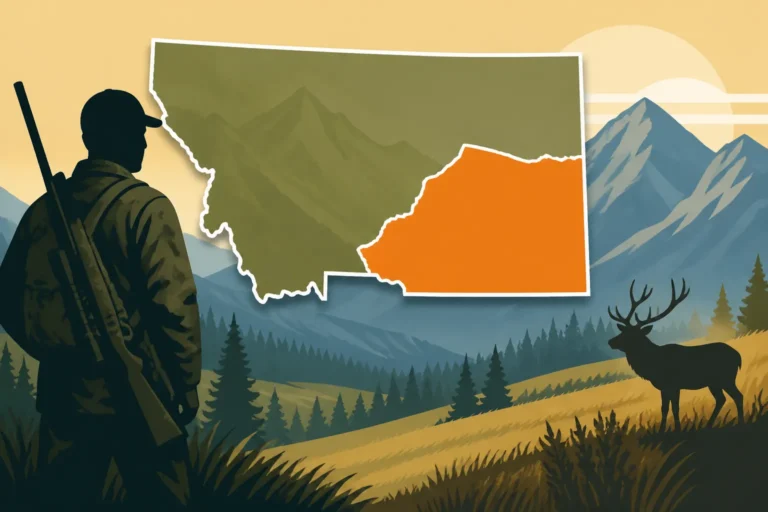
Trying to pinpoint the best hunting districts near a bustling city like Billings can feel like searching for a needle in a haystack, especially with Montana's vast and diverse landscape. Many hunters, both residents and non-residents, struggle to find accessible, productive areas without driving half a day. This guide is designed to cut through that confusion, giving you a detailed look at the prime hunting districts within a reasonable drive of Billings, highlighting their unique characteristics and the species they offer.
Understanding Hunting Districts Around Billings
Billings, often called Montana's Trailhead, sits in a unique geographical position. To its immediate east and north lie the vast, rolling plains, home to abundant antelope and whitetail deer. To the south and west, you'll find the rugged, timbered slopes of mountain ranges, offering opportunities for elk and mule deer. This diverse terrain means that within a relatively short distance, you can transition from prairie hunting to more mountainous pursuits.
The Landscape of Southeastern Montana
The areas surrounding Billings are primarily managed by Montana Fish, Wildlife & Parks (FWP) Region 5. This region is a melting pot of different habitats. You have the classic "big sky" plains, characterized by sagebrush, coulees, and agricultural fields, particularly strong in the eastern parts. As you head south, you encounter the dramatic uplift of the Pryor Mountains and the northern extensions of the Bighorn Mountains. These ranges, though not as expansive as some of Montana's western mountains, provide crucial high-country habitat, dense timber, and water sources that attract big game. Further west, although a bit more of a drive, are the Little Belt and Crazy Mountains, which offer more classic mountain hunting experiences.
The Yellowstone River, snaking its way through the region, creates vital riparian corridors. These river bottoms are often a magnet for whitetail deer, providing cover, food, and water, even amidst more open country. Understanding this mosaic of habitats is key to choosing your district. Are you looking for wide-open spaces and the thrill of a long-range antelope shot, or are you hoping to navigate timbered slopes for elk? The Billings area truly offers both, if you know where to look.
Key Species and Opportunities
The primary big game species you'll encounter in the districts surrounding Billings are antelope, mule deer, whitetail deer, and elk. Black bears are also present in the more timbered mountain areas, particularly in spring and fall.
- Antelope: The plains east, north, and south of Billings are renowned for antelope. These areas offer some of the most consistent opportunities in the state, often with solid draw odds for non-residents, especially for archery.
- Mule Deer: You'll find mule deer across most of the region. They thrive in the broken country of the plains, the coulees, and the lower, more open slopes of the mountain ranges. Their populations fluctuate, but good bucks are present for those willing to scout.
- Whitetail Deer: Primarily found in the river bottoms and agricultural areas, particularly along the Yellowstone and its tributaries. These can offer excellent hunting, especially during the rut.
- Elk: Elk populations are concentrated in the more mountainous districts to the south and west of Billings. While general tags exist, drawing a coveted permit in some of the more productive districts can be challenging. However, there are still robust opportunities in general units for diligent hunters. If you're planning a trip, exploring a comprehensive Montana Elk Hunting Guide can be incredibly helpful.
- Black Bear: Found in the timbered areas of the Pryors and other mountain ranges, these require specific tags and seasons. Spring bear hunting in Montana can be a thrilling pursuit.
Top Hunting Districts Near Billings for Big Game
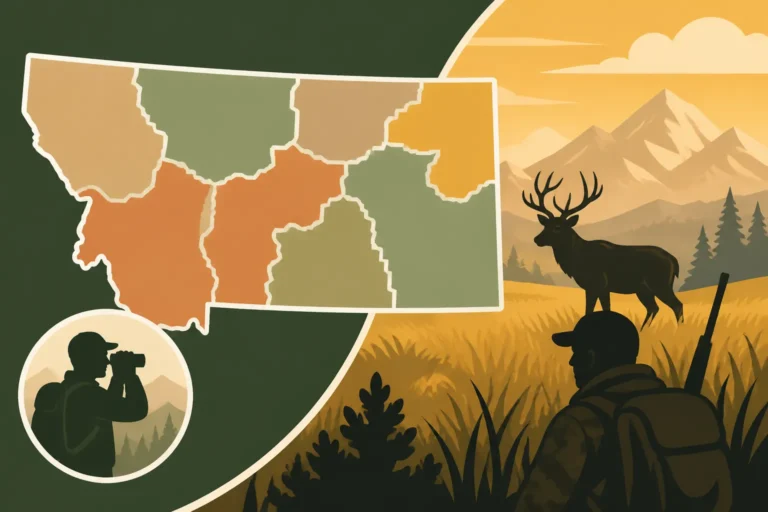
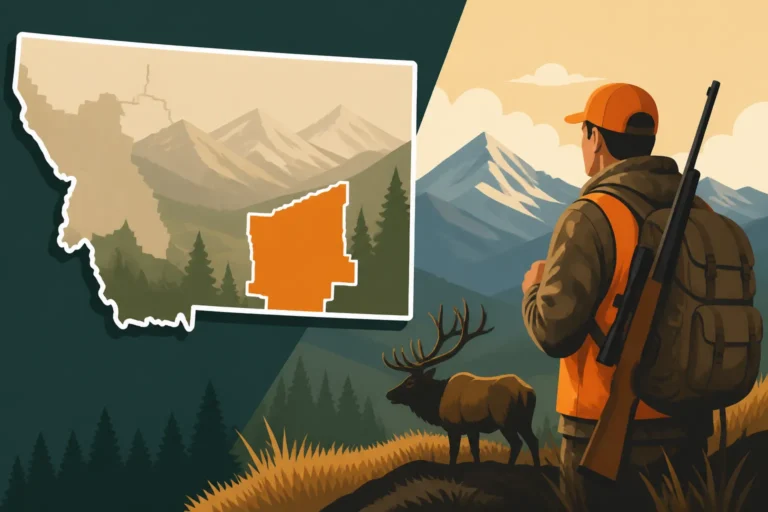
When considering hunting districts around Billings, it's best to categorize them by the general landscape they represent. This helps align your expectations with the type of hunting experience you're after. Remember, FWP region boundaries can be complex, and districts often straddle these lines, but these general descriptions will get you pointed in the right direction.
Eastern Plains Districts for Antelope and Deer
These districts are characterized by vast expanses of private ranchland interspersed with public access, often managed under Block Management Areas. They are typically flatter, with rolling hills, sagebrush flats, and agricultural fields, broken up by coulees and river drainages.
- Districts like 500, 502, 510, 520, and 530 (general region, always check specific boundaries): These areas, extending eastward towards places like Miles City and Glendive, are antelope strongholds. The terrain allows for extensive glassing, and stalk opportunities are common. For a more detailed look at these fast prairie ghosts, check out our Montana Antelope Hunting Guide. Mule deer and whitetail deer are also prevalent, especially around creek bottoms and agricultural parcels. Public access here is often reliant on Block Management, so diligent research before the season is paramount. Hunters will often drive hours just to get to their hunting ground, but the sheer volume of game can make it worthwhile.
- Hunting the Yellowtail Wildlife Management Area: While a bit further southeast, bordering Wyoming, this area offers unique opportunities, particularly for waterfowl and upland birds, but also for deer. Its proximity to the Bighorn River makes it a great whitetail spot.
- Challenge: The biggest challenge in these districts is often access. Much of the land is private, requiring hunters to either gain permission or rely heavily on Block Management Areas (BMAs). Knowing how Montana Block Management Areas Explained can seriously open up more opportunities. Hunter pressure can also be concentrated on the limited public parcels or popular BMAs, especially during the rifle season.
Mountain Foothill Districts for Elk and Mule Deer
These districts offer a different experience, with more elevation, timber, and rugged terrain. They require different scouting and hunting tactics compared to the open plains.
- Pryor Mountains (Districts like 518, 521, 522): Located south of Billings, the Pryor Mountains offer a unique blend of timbered slopes, open parks, and deep canyons. These districts hold populations of elk and mule deer. Elk here are often resident animals, finding refuge in the dense timber and remote draws. Access can be a mix of Forest Service and BLM lands. The terrain can be steep and physically demanding, making it less crowded than some more accessible areas.
- Bighorn Mountains (Districts like 590, extending south): While largely in Wyoming, the northernmost reaches of the Bighorns extend into Montana, offering rugged, forested hunting. These areas are characterized by deep canyons, conifer forests, and aspen groves, providing excellent habitat for elk and mule deer. Access can be limited, often requiring ATV or foot travel into roadless areas. Early season archery hunts or late-season migrations can be productive here.
- Custer Gallatin National Forest areas (west and southwest of Billings, stretching towards areas like Red Lodge and Nye, including districts in the 300 and 400 series): While a broader category, sections of the Custer Gallatin National Forest offer some of the closest mountain hunting for elk and mule deer to Billings. The Absaroka-Beartooth Wilderness Area, though remote, has fringe districts that can be accessed for backcountry hunting. Districts like 310 or 390 (always verify current regulations) might offer elk opportunities. These areas demand physical fitness and solid navigation skills. If you're considering a more remote hunt, our Montana Backcountry Hunting Guide offers valuable insights.
- Challenge: Mountain hunting inherently comes with more physical demands. The terrain can be steep, rocky, and heavily timbered, making spotting game difficult. Elk, in particular, are masters of concealment in these environments. Weather can change rapidly, and hunters need to be prepared for everything from warm sunshine to heavy snow, sometimes in the same day.
Here's a quick overview of potential hunting districts around Billings:
| General Region | Example FWP Districts (Check Current Regs) | Primary Species Target | Typical Terrain | Key Challenges |
|---|---|---|---|---|
| Eastern Plains | 500, 502, 510, 520, 530, 700, 702 | Antelope, Mule Deer, Whitetail | Rolling hills, sagebrush, ag fields, coulees | Access (private land), concentrated pressure |
| Pryor Mountains | 518, 521, 522 | Elk, Mule Deer, Black Bear | Timbered slopes, open parks, canyons, rocky | Physical demand, rough access |
| Bighorn Mountains | 590 (northern parts) | Elk, Mule Deer, Black Bear | Deep canyons, conifer forests, rugged | Limited access, remote |
| Custer Gallatin NF | 310, 390 (general region) | Elk, Mule Deer, Black Bear | High mountains, timber, wilderness fringe | Physical fitness, navigation |
Leveraging Resources for Success
Hunting in Montana, especially near a population center, requires more than just showing up. Smart planning and leveraging available resources can dramatically improve your odds.
Utilizing Digital Mapping Tools
Modern hunting has been revolutionized by digital mapping. Tools like onX Hunt are invaluable for scouting and navigating the complex land ownership patterns around Billings. With onX Hunt, you can clearly see public land boundaries (National Forest, BLM, State Trust Land), private property lines, and even Block Management Areas. This allows you to plan your approach, understand access points, and avoid trespassing. Before you even set foot in the field, you can virtually scout terrain, identify potential bedding areas, water sources, and travel corridors. This is especially crucial in areas where public and private land are intermingled, which is common in many of the districts near Billings.
Another powerful resource is GoHunt. While onX Hunt excels in field navigation, GoHunt specializes in drawing odds, unit breakdowns, and harvest statistics. For non-residents particularly, understanding Montana Nonresident License Draw Explained and the complex point system is critical. GoHunt can provide data-driven insights into which districts offer the best chances of drawing a tag for specific species. Combining these two platforms allows you to go from broad-stroke planning (where to apply) to detailed execution (where exactly to hunt within that unit). For more tips on planning, our guide on How to E-Scout Montana Hunting Units can be incredibly useful.
Understanding Public Land Access
Montana is famed for its public land, but it's not always neatly consolidated. Near Billings, public access comes in several forms:
- National Forests (like Custer Gallatin NF): These vast tracts of federal land offer excellent hunting opportunities, particularly for elk and mule deer in the more mountainous regions. They often feature designated wilderness areas where motorized access is restricted, offering a truly wild experience.
- Bureau of Land Management (BLM) Land: BLM lands are common in the plains and foothills, often interspersed with private ground. They provide crucial access for antelope and deer hunting. Identifying these parcels on your mapping app is key.
- State Trust Lands: These lands are managed by the state for revenue generation, but many are open to public hunting. Specific regulations apply, and sometimes a State Land Use License is required, so always check the FWP website.
- Block Management Areas (BMAs): This program is a lifesaver for hunters in eastern Montana. FWP leases access from private landowners, opening up thousands of acres to public hunting. The rules vary significantly by BMA (some are sign-in, some require reservations, some are limited to specific days or species), so it's vital to get the current BMA atlas and study the individual area rules before heading out. Our article on How to Use Block Management for DIY Hunts offers a deeper dive into this program.
Understanding these different types of public land, and how to identify and legally access them, is perhaps the most important skill a hunter in the Billings area can develop. Remember to always consult Montana Hunt Access Maps Explained on the FWP website for the most current information.
Planning Your Hunt in the Billings Area
Successfully hunting around Billings isn't just about knowing where the animals are, but also navigating the regulatory landscape and preparing for the realities of hunting in a popular area.
Navigating Draw Odds and General Tags
Montana has a complex system of general licenses and limited-entry permits. For species like elk and deer, many districts around Billings are "general units," meaning if you draw a general big game or elk/deer combo license, you can hunt these areas. However, some of the most sought-after units for trophy animals or higher success rates might be limited-entry permit areas, which require applying in a separate drawing and often accumulating preference or bonus points.
- Non-residents: For non-residents, drawing a general elk or deer combination license is the first hurdle. While not guaranteed, the odds are generally favorable compared to limited-entry permits. If you're interested in specific species, understand how Montana Antelope Draw Odds Explained or Montana Elk Draw Odds by District work for the districts you're targeting. For antelope, many areas around Billings offer good draw odds, especially for archery-only tags.
- Residents: Residents have better odds for general tags and more opportunities for antlerless tags or B licenses in specific districts, which can be useful for meat hunting.
- Application Process: Be acutely aware of application deadlines, which typically fall in March for most big game species. Missing a deadline means missing your chance for that year. Review our guide on How to Apply for a Montana Hunting License for a step-by-step breakdown.
Even in general units, hunter pressure can be high, especially during the opening week of rifle season. This often means being willing to hike further, hunt midweek, or target lesser-known areas. Our guide on How to Hunt Elk in Montana Rifle Season Pressure offers tactics to deal with crowded public land.
Practical Tips for Hunting Near a City
Hunting close to a major city like Billings presents its own unique set of considerations.
- Hunter Pressure: Expect more company on public lands, especially on weekends and easily accessible spots. To mitigate this, consider hunting during the week, tackling more physically demanding terrain, or exploring areas that require a longer hike or more dedicated effort to reach. Early morning starts and late evening pushes are often key to finding undisturbed game. You might also want to look at How to Beat the Crowds on Montana Public Land.
- Logistics and Services: The upside of hunting near Billings is access to amenities. You'll find plenty of lodging, restaurants, grocery stores, and sporting goods shops (like Cabela's or Scheels in Billings) for any last-minute gear or resupplies. Meat processing facilities are also readily available, which is a huge convenience, especially if you're successful. This proximity makes a do-it-yourself (DIY) hunt much more manageable.
- Scouting is Crucial: Even with the best maps, nothing beats on-the-ground scouting, or at least thorough e-scouting combined with current intelligence. Talk to FWP biologists if possible, check harvest reports, and spend time studying topo maps and satellite imagery. Look for hidden pockets of public land, remote canyons, or difficult-to-access areas that others might overlook. Knowing How to Scout a Montana Hunting District can be the difference between seeing a few deer and filling your tag. Pay attention to water sources, especially during dry years, as these can concentrate game.
- Flexibility: Be prepared to adapt. If one district is too crowded, have a backup plan. If the weather changes drastically, know how it might affect animal movement and adjust your tactics. Montana weather is famously unpredictable.
- Respect Private Land: A significant portion of land around Billings is private. Always know where you stand (literally), and if you encounter private land, respect it. If you wish to hunt private land, secure permission well in advance.
Hunting near Billings can be a rewarding experience, offering a diverse range of big game opportunities within a relatively accessible area. By understanding the landscape, leveraging modern tools, and preparing thoroughly, you can significantly increase your chances of a successful hunt in Big Sky Country.
Disclaimer
Please remember that hunting regulations, season dates, and access rules can change annually. Always consult the most current Montana Fish, Wildlife & Parks (FWP) regulations and district maps before planning any hunt. This guide is for informational purposes only and does not supersede official FWP documentation.