Montana Hunting District 700 Overview
If you've spent any time pouring over Montana hunting district maps, you know that each numbered square represents a unique blend of terrain, regulations, and challenges. But a number on a map doesn't tell you the whole story, and trying to decipher the true hunting potential of a district like HD 700 can feel like staring at a foreign language. This comprehensive guide is here to translate, offering a deep dive into Montana Hunting District 700, from its distinct geography and available game species to the crucial regulations and tactical approaches you'll need for a successful hunt in this often-overlooked corner of the state.
Unpacking Montana Hunting District 700's Distinctive Landscape
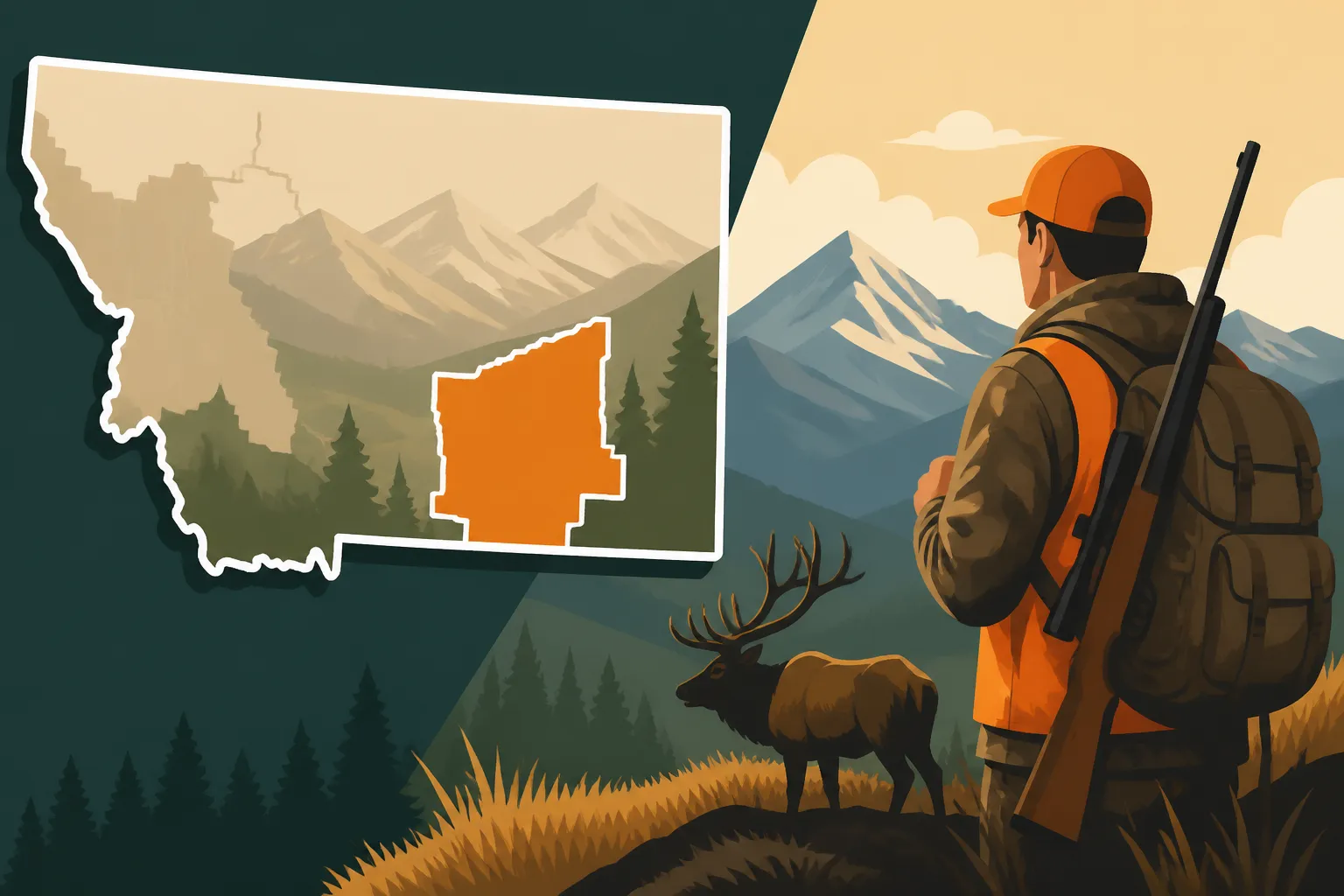
Hunting District 700 in Montana is a fascinating area, often characterized by its expansive plains, rolling breaks, and critical river bottom habitats. Located primarily in the southeastern portion of the state, it's a district that demands a hunter's respect for its rugged beauty and the unique challenges it presents. This isn't your typical high-mountain elk country; instead, it offers a different kind of adventure, one rooted in vast vistas and subtle terrain features that can hide plenty of game.
Geographical Layout and Terrain
District 700 spans across parts of Big Horn and Rosebud counties, creating a diverse landscape that's a far cry from the towering peaks of western Montana. You'll encounter a captivating mix of rolling sagebrush-covered hills, vast native grasslands, and dramatic "breaks" — steep, eroded badlands carved by ancient water flows. These breaks are often interwoven with deep coulees and draws, providing essential cover and travel corridors for wildlife. Alongside these features, critical river bottom ecosystems, particularly those influenced by the Yellowstone River to the north and other smaller tributaries, offer lush riparian zones that are magnets for deer. Cottonwood groves along these waterways provide valuable shade, forage, and bedding areas. Understanding this mosaic terrain is your first step in learning how to choose a Montana hunting district, especially one like HD 700. The sheer scale of the landscape means you’ll often be glassing vast areas, and the subtle contours can hide animals surprisingly well.
Accessing Public and Private Lands
One of the biggest realities of hunting in District 700, like much of eastern Montana, is the checkerboard nature of public land ownership. You'll find tracts of Bureau of Land Management (BLM) land and Montana State Trust Land, often interspersed with vast stretches of private ranchland. This fragmented pattern means access can be a significant hurdle for the uninitiated. It's not uncommon to find public land that is effectively landlocked by private property, requiring careful planning and sometimes even walking miles to reach. Successfully navigating this requires excellent mapping tools, like the onX Hunt app, which clearly delineates public and private boundaries, and highlights crucial access easements. Many hunters find that utilizing Block Management Areas (BMAs) is essential here. These are private lands enrolled in a program that grants public hunting access, often providing some of the best opportunities in the district. Always remember to respect private property and, if you plan to hunt private land outside of a BMA, obtaining landowner permission well in advance is paramount.
Climate and Seasonal Considerations
The climate in southeastern Montana can be extreme, offering distinct challenges depending on when you plan your hunt. Summers are typically hot and dry, with temperatures often soaring into the 90s or even 100s. This heat can significantly impact early archery season hunts, making water sources critical for both hunters and game. Fall brings cooler temperatures, but can be unpredictable, with mild, sunny days quickly giving way to sudden cold fronts and even early snow. Winters are often harsh, characterized by bitter cold, strong winds, and heavy snowfall, particularly in late season. These weather patterns dictate game movement, pushing animals to sheltered areas or forcing them to congregate around reliable food and water. Understanding these seasonal shifts is crucial for your planning, from the gear you pack to the areas you focus on. A late-season hunt in a heavy snow year, for example, could see deer concentrated in river bottoms, while a mild fall might mean they're still scattered throughout the breaks.
Prime Game Species and Opportunities in HD 700
While Montana is famously known for its world-class elk hunting, District 700 offers a different, yet equally rewarding, big game experience. This area truly shines for deer and antelope, providing abundant opportunities for hunters willing to embrace the unique characteristics of prairie and breaks country. For many, it's an ideal district for a multi-species hunt, especially for those looking for a different kind of challenge than the mountains provide.
Deer Hunting in the Breaks and River Bottoms
Hunting District 700 is a fantastic destination for deer hunters, boasting healthy populations of both mule deer and whitetail. The mule deer tend to thrive in the more rugged breaks and coulees, utilizing the broken topography for cover and the diverse vegetation for forage. You'll often find them tucked away in hidden pockets, sunning themselves on south-facing slopes, or moving through the deep drainages. A successful mule deer hunt here often involves a lot of glassing, patiently picking apart vast areas with good optics, and then executing a strategic spot-and-stalk approach.
Whitetail deer, on the other hand, are primarily concentrated along the fertile river bottoms. The dense cover provided by cottonwoods, willows, and brushy draws along the Yellowstone River and its tributaries creates ideal habitat for them. These riverine corridors are vital travel routes and bedding areas, making them prime spots for stand hunting or still-hunting through the timber. Unlike the wide-open spaces of the breaks, whitetail hunting here is often a game of close quarters, using the thick cover to your advantage. For more in-depth strategies, check out our Montana Mule Deer Hunting Guide and Montana Whitetail Deer Hunting Guide.
Antelope on the Rolling Prairies
If you love antelope hunting, District 700 should definitely be on your radar. The vast, open grasslands and rolling prairies provide perfect habitat for these speed demons of the plains. Antelope are incredibly visual animals, and spotting them from a distance is usually the easy part. The challenge, however, lies in executing a successful stalk in wide-open country with minimal cover. You'll need to master the art of using subtle terrain features – even a small fold in the land – to close the distance. Water sources, especially during drier periods, can be critical congregation points. Decoying can also be a highly effective tactic here, particularly during the rut when bucks are aggressive. This district offers excellent opportunities for both archery and rifle antelope hunters, though the methods you employ will vary significantly between the two. Our Montana Antelope Hunting Guide offers more specific tactics for these wary animals.
Elk and Other Species
While District 700 isn't renowned as a primary elk hunting destination compared to mountain regions, elk are present, though in smaller, more scattered herds. These elk often utilize specific drainages, areas with more timbered cover, or large private ranches. Drawing an elk tag here typically requires a special permit, which can be highly sought after and difficult for nonresidents to obtain without significant preference points. It's a testament to Montana's diverse wildlife that elk can even be found in such prairie-dominant landscapes, but expect a very different kind of elk hunt than you might experience in the high country. Beyond the big game, hunters might also find opportunities for upland birds like sharp-tailed grouse and pheasants, especially in agricultural fringes and thicker cover, as well as predators like coyotes. Always consult the most current regulations for season dates and specific requirements for each species.
Navigating Regulations and Securing Your HD 700 Tag
Successfully hunting in Montana is as much about understanding the game and terrain as it is about navigating the state's complex licensing and draw system. Hunting District 700 is no exception, and being prepared means knowing the ins and outs of hunt codes, application deadlines, and how to maximize your chances of securing a tag.
Specific Hunt Codes and Regulations
Montana Fish, Wildlife & Parks (FWP) uses a system of hunt codes that dictate specific seasons, weapon types, and antler restrictions for various species within each hunting district. For HD 700, you’ll typically encounter general rifle seasons for deer (often "Either-Sex" or "Antlered Buck Only") and antelope ("Either-Sex" or "Antlered Buck Only"). There are also archery-specific seasons that precede the general rifle seasons. Additionally, "B" tags for antlerless deer or additional antelope tags might be available, usually on a draw basis or sometimes over-the-counter in specific scenarios. These "B" tags can be a great way to fill your freezer, but they often come with limitations, such as private land only restrictions or specific zones. Always double-check the current year's Montana Hunting Seasons Explained for District 700, as regulations can change annually. Pay close attention to unit-specific limitations, legal descriptions of animals (e.g., antler points), and any "shoulder seasons" or extended periods for antlerless harvest.
Application Process and Draw Odds
For many, the first step to hunting HD 700 is securing the necessary licenses. For residents, general deer and antelope tags are often guaranteed with the purchase of a base license. For nonresidents, however, the process is more competitive, especially for combination licenses that include elk or deer. While a general deer or antelope license for a nonresident might be easier to obtain than an elk permit, understanding the Montana Nonresident License Draw Explained is crucial. Nonresidents typically apply for combination licenses (Elk Combo, Deer Combo, or Big Game Combo) which then provide access to general deer and elk tags statewide. For specific permits within HD 700 (like a potential elk permit or certain "B" tags), these are almost always draw-only. This is where preference points and bonus points become critical, particularly for more coveted species or districts. Websites like GoHunt offer invaluable resources for analyzing past draw odds, helping you strategize where to apply and how many points you might need. It's a long game, and building points over several years is often necessary for high-demand tags.
Essential Tools for Planning Your Hunt
In a district like HD 700, where public and private lands are intermingled and terrain can be vast and subtle, having the right planning tools is non-negotiable. Digital mapping applications are at the top of this list. onX Hunt is an absolute game-changer, allowing you to instantly see land ownership boundaries, topographic lines, and satellite imagery right on your phone or GPS device. This is invaluable for identifying public access points, navigating around private land, and marking potential game hot spots, water sources, and escape routes. Before you even set foot in the district, you should be using tools like onX Hunt to conduct thorough How to E-Scout Montana Hunting Units. Complement this with FWP's interactive hunt planner maps, which provide the official hunt district boundaries, Block Management Area information, and other critical regulatory details. Don't forget high-quality optics – binoculars and a spotting scope are vital for glassing the vast landscapes of HD 700, allowing you to cover immense ground visually before expending energy on foot.
Strategies for a Successful Hunt in District 700
Hunting in District 700 requires a blend of meticulous planning, keen observation, and adapting your tactics to the unique environment. It’s not just about finding game; it’s about understanding how the game uses this specific landscape and then positioning yourself for success. Forget about dense timber and steep ascents; this is a game of patience, stealth, and long-range observation.
Scouting and Preparation Tips
Pre-season scouting, both virtual and physical, is the backbone of any successful hunt in HD 700. Start with extensive e-scouting using satellite imagery on tools like onX Hunt or Google Earth. Look for terrain features that concentrate game: the heads of draws, isolated patches of cover, reliable water sources (tanks, springs, stock ponds), and natural travel corridors. Identify potential bedding areas on south-facing slopes for warmth, and north-facing slopes for cooler bedding in early season. When you get boots on the ground, focus on finding fresh sign – tracks, scat, rub lines, and feeding areas. Pay attention to how game animals move between food, water, and cover. For example, mule deer might move from open sagebrush feeding grounds into the protective coulees during daylight hours. Understanding these patterns is key. Remember, this area can be dry, so locating reliable water sources before your hunt can be a huge advantage.
Effective Hunting Methods for the Terrain
Given the open and rolling nature of much of District 700, spot-and-stalk is arguably the most effective hunting method for both mule deer and antelope. This involves getting to a high vantage point, patiently glassing vast areas with your binoculars and spotting scope, and identifying animals. Once an animal is spotted, the real work begins: planning a careful approach using every bit of terrain feature for cover. This might mean crawling through sagebrush, using small draws, or circling miles out of your way to stay out of sight. For whitetail deer along the river bottoms, a different approach is often warranted. Still-hunting through the thick riparian cover, moving slowly and deliberately, pausing frequently to scan ahead, can be very productive. Tree stands or ground blinds set up along known travel routes, especially near water or feeding areas, are also highly effective for whitetails, capitalizing on their tendency to move during low light. For more specific tactics on how to spot-and-stalk antelope in Montana or even how to still-hunt Montana timber, make sure to check out our detailed guides.
Considerations for Backcountry and Day Hunts
While HD 700 isn't "backcountry" in the traditional sense of high mountain wilderness, the vastness and remoteness of some areas demand similar logistical planning. Many hunters opt for day hunts, returning to a truck or camp each night, but even day hunts can involve significant walking, especially if you're pursuing an animal deep into a complex system of breaks. Consider packing a reliable day pack with essentials like water, food, first-aid, and emergency shelter. For deeper forays, a spike camp might be a good option, allowing you to stay closer to game for multiple days. Water planning is paramount; carry more than you think you'll need, and identify potential refill points if possible. Vehicle access can be limited off main roads, so understand that some areas will require significant foot travel. Regardless of your chosen approach, a well-planned Montana Backcountry Hunting Gear List is always a good reference, ensuring you have the necessary supplies to stay safe and effective in this challenging yet rewarding district.
Key Facts for Montana Hunting District 700
| Feature | Description |
|---|---|
| Location | Southeastern Montana, primarily within Big Horn and Rosebud counties. |
| Terrain | Characterized by rolling sagebrush plains, vast grasslands, eroded "breaks" (badlands), and riparian zones along major rivers (e.g., Yellowstone River basin). |
| Primary Species | Mule Deer (breaks, coulees), Whitetail Deer (river bottoms), Antelope (open plains). |
| Elk Presence | Present but in smaller, scattered herds; often require special permits due to limited numbers and specific habitat use, often tied to private lands or specific drainages. |
| Public Access | Mixed ownership (BLM, State Trust Lands, private). Public land can be fragmented and landlocked. Block Management Areas (BMAs) are critical for access. |
| Hunting Methods | Predominantly spot-and-stalk for mule deer and antelope. Still-hunting, stand hunting, and ground blinds for whitetail in river bottoms. Patience and good optics are essential. |
| Climate | Extreme, with hot, dry summers and cold, windy winters. Early fall can be mild, but rapid weather changes and early snow are possible. |
| Key Challenges | Scattered public land, navigating private property, long-range stalks, potential for extreme weather, finding water sources. |
| Recommended Tools | onX Hunt for land ownership, topographic maps, high-quality binoculars and spotting scope, reliable vehicle. |
| Permit Info | General deer and antelope tags are more accessible for nonresidents (via combo licenses); elk typically require a draw-only special permit. Consult FWP regulations for specific hunt codes and "B" tag availability. |
Hunting in Montana Hunting District 700 offers a truly unique experience, a world away from the common perception of mountain elk hunts. It's a land of vast open spaces, challenging terrain, and rewarding opportunities for those who come prepared and understand its nuances. By thoroughly scouting, understanding the regulations, and employing smart tactics, you'll be well on your way to a memorable hunt in this exceptional part of Big Sky Country.
Disclaimer
Please remember that hunting regulations and land access policies in Montana can change frequently. Always consult the most current Montana Fish, Wildlife & Parks (FWP) regulations and maps before planning your hunt. It is your responsibility to verify all information, obtain necessary licenses and permits, and adhere to all local, state, and federal laws. This guide is for informational purposes only and should not be considered legal advice or a definitive source for current hunting regulations.