Hunting the Flathead National Forest
Hunting the vast, wild landscapes of the Flathead National Forest can feel like trying to find a needle in a haystack, especially if you're new to the area or even to Montana's unique hunting challenges. It's a place of incredible beauty and opportunity, but it demands careful preparation and a deep understanding of its terrain and its animals. This guide is here to walk you through everything you need to know, from understanding the diverse ecosystems to planning your strategy for a successful and memorable hunt in one of Montana's most iconic forests.
Understanding the Flathead National Forest for Hunters
The Flathead National Forest, nestled in the northwestern part of Montana, is a truly magnificent expanse of rugged mountains, dense timber, and pristine wilderness. It's bordered by Glacier National Park to the north and the Bob Marshall Wilderness to the east, making it part of one of the largest intact ecosystems in the lower 48 states. This isn't just a place to hunt; it's an experience in true wildland immersion. Hunters face everything from steep, unforgiving inclines to thick, dark timber, vast open basins, and winding river bottoms. This varied topography supports a rich diversity of wildlife, making it a prime destination for many big game species, but it also presents significant challenges that require thorough preparation and robust hunting skills.
Key Hunting Districts and Access Points within the Flathead
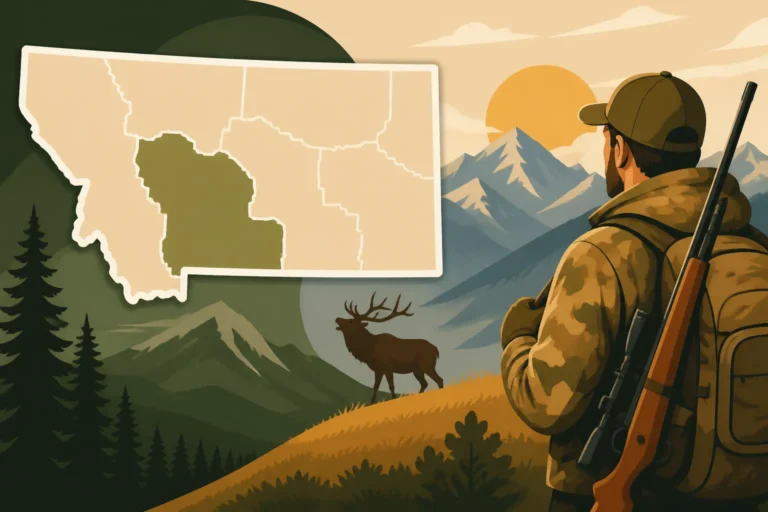
The Flathead National Forest is sprawling, encompassing several distinct hunting districts (HDs) within Montana Fish, Wildlife & Parks Region 1. Each district has its own unique characteristics, regulations, and access challenges. For instance, HD 130 covers a significant portion, known for its mix of roaded and wilderness-adjacent terrain, while districts like 140 or 150 might push you deeper into more remote, designated wilderness areas where motorized access is strictly prohibited. Understanding these district boundaries and what they mean for your hunt is paramount. You'll find access points scattered along major highways like US-2, MT-35, and local forest service roads, but many prime areas require significant hikes or even horse packing trips. Using a reliable mapping system, like onX Hunt, becomes absolutely indispensable here. It lets you identify public land boundaries, forest service roads, trails, and potential access points, helping you pinpoint where you can legally enter and traverse this complex landscape.
When you're looking at a map, don't just see green; understand what type of green it is. Are you on designated Wilderness Area land, where regulations might be even stricter regarding party size, camp setup, and motor vehicle use? Or are you in general forest land with more liberal access? Many of the more accessible areas closer to population centers like Kalispell or Whitefish will see higher hunter pressure, especially during the general rifle season. If you're seeking solitude and truly wild animals, you'll need to push further into the backcountry, often requiring multi-day pack trips. Considering a hunt where you'll be packing into the Montana Backcountry Guide can give you a real advantage in escaping the crowds and finding untouched areas where animals feel more secure.
Dominant Species and Habitat in the Flathead
The Flathead National Forest is a haven for several big game species, each with its own preferred habitat and behavior patterns. The undisputed kings of the forest are elk, thriving in the mosaic of timbered slopes, high mountain meadows, and thick river bottoms. Mule deer also call this area home, often favoring more open, sun-drenched slopes and timber edges, especially at higher elevations. Whitetail deer are abundant in the river bottoms and lower-elevation timber, particularly along the Flathead River and its tributaries, where dense cover and agricultural interfaces provide excellent forage.
Beyond the deer and elk, you'll find healthy populations of black bear throughout the forest, often following berry crops in the late summer and early fall. Moose inhabit the willow bottoms and marshy areas, particularly around lakes and slow-moving streams. For those seeking truly challenging hunts, the Flathead also holds populations of mountain lion, often following their primary prey, deer and elk, throughout the rugged terrain. Understanding the specific habitat preferences of each species is crucial for developing an effective hunting strategy. For example, knowing how to find elk in Montana dark timber is a completely different approach than looking for mule deer on an open ridge. The diverse ecosystem means you might find elk browsing in a high-alpine basin one day and bedded down in a dense north-facing timber patch the next, adapting to food sources, weather, and hunting pressure.
Navigating the Terrain and Regulations
Hunting in the Flathead National Forest is not a casual endeavor. It requires serious navigation skills, a deep respect for the land, and a meticulous understanding of Montana's hunting regulations. The terrain itself can be your biggest challenge, with steep ascents, dense blowdowns, and rapidly changing weather conditions. Adding to this complexity are the specific rules that govern hunting within the national forest system, particularly in designated wilderness areas, which are often interspersed within the forest boundaries. Ignoring these regulations or underestimating the terrain can quickly turn an exciting hunt into a dangerous situation.
Essential Tools for Scouting and Navigation
Before you even set foot in the Flathead, your hunt begins with diligent e-scouting. Tools like onX Hunt are indispensable for overlaying public land data, forest service roads, wilderness boundaries, and topographic maps. I can't stress this enough: knowing precisely where you are on the map, and whether you're on public, private, or wilderness land, is not just helpful, it's critical for legal and ethical hunting. Use these digital tools to identify potential glassing knobs, water sources, natural funnels, and escape routes for game. Mark waypoints for potential camp spots, hidden trails, or areas of historical game sign.
Beyond the digital, always carry a physical map and compass, and know how to use them. Electronics can fail, batteries die, and satellite signals can be blocked by steep canyon walls. A detailed USGS topographic map for your specific hunting district is a lifeline. Binoculars and a spotting scope are also essential for glassing vast areas, especially in the larger drainages and open country where game might be feeding at dawn and dusk. For species like mule deer, which often hold in more open country, high-quality optics are your best friend. A good pair of binoculars, like 10x42s, will serve you well for general glassing, but a spotting scope can help you pick apart distant hillsides for tucked-away animals.
When it comes to How to E-Scout Montana Hunting Units, remember that the Flathead is vast. Focus on specific drainages or elevation bands that align with the season you'll be hunting and the species you're targeting. Look for historical burn areas, old logging cuts, and areas with diverse vegetation; these often concentrate feed and provide excellent cover.
Specific Regulations and Considerations for Flathead Hunters
Montana's hunting regulations are complex and change annually, so always consult the most current Montana FWP hunting regulations for the specific year you plan to hunt. The Flathead National Forest falls primarily within Region 1, but adjacent districts in other regions can impact your planning. You'll need a base hunting license, a conservation license, and an AIS Prevention Pass, along with the appropriate general deer, general elk, or specific limited-entry permits for the districts you're targeting. Keep a close eye on Montana General vs Permit Tags Explained because some districts within the Flathead may be general, while others require specific permits, especially for elk.
Additionally, pay close attention to antler point restrictions if applicable, which can vary by district. For instance, some areas might have "brow tined bull" rules, meaning a legal bull must have at least one antler with a brow tine. Wilderness areas within the Flathead, such as portions of the Bob Marshall, Great Bear, and Scapegoat Wildernesses, have specific rules regarding camp limits, party size, and even what types of fuel you can use for cooking. Motorized vehicles, including e-bikes, are generally prohibited in designated wilderness. Always confirm these details. Finally, fire restrictions are common in the dry summer and fall months, so always check current conditions before heading out to avoid unintentional violations or worse, starting a wildfire.
Strategies for Success in the Flathead
Hunting the Flathead National Forest isn't just about showing up with a rifle; it's about developing a strategic mindset adapted to its unique challenges. The sheer scale of the landscape, coupled with the variable behavior of game animals and the presence of other hunters, demands a thoughtful approach. Success often hinges on your ability to adapt, to be patient, and to put in the hard work required to access remote areas and persist through tough conditions.
Tactics for Elk and Deer in the Flathead's Diverse Habitats
For elk in the Flathead, understanding their seasonal movements and preferred habitat is key. During early archery season, you might find them higher up in the alpine basins, transitioning down as the rut approaches and then further into timbered slopes and drainages as rifle season progresses and snow pushes them lower. Montana Elk Hunting Methods Explained details various strategies, but for the Flathead, a combination of still-hunting through dense timber, especially during midday, and glassing open slopes or clearcuts at dawn and dusk can be highly effective. Calling tactics, whether bugling in the rut or using cow calls, can be potent, but require careful execution in the often-thick cover. Remember to be mindful of using calls in areas with high hunter pressure, as you might call in another hunter instead of an elk.
Mule deer in the Flathead often prefer the more open, broken country, particularly on south-facing slopes that get more sun. Spot-and-stalk is a classic and highly effective method for these animals. Spend your early mornings and late evenings glassing from a vantage point, systematically picking apart hillsides and timber edges. Once you spot a buck, the real work begins: planning a careful stalk using terrain features and wind to get within range. For How to Hunt Mule Deer on Montana Public Land, patience and good optics are far more valuable than rushing in. Whitetail deer, typically found in the river bottoms and lower-elevation dense cover, often respond well to still-hunting or setting up ambushes near well-used trails, particularly if you're hunting during the rut when bucks are more active.
Dealing with Hunter Pressure and Wilderness Etiquette
The Flathead National Forest, especially areas closer to major towns or with easier road access, can experience significant hunter pressure, particularly during the general rifle season. To beat the crowds, you often need to be willing to go where others aren't. This typically means embracing a backcountry hunting style. Learning How to Pack Into the Montana Backcountry is essential. This could involve multi-day backpack trips deep into roadless areas, or utilizing horses if you have the means and experience. The further you get from a trailhead or forest road, the fewer hunters you'll encounter, and the more likely you are to find undisturbed animals.
When you do encounter other hunters, always practice good wilderness etiquette. Give them ample space, avoid cutting off their hunt, and communicate openly if you're working the same area. Remember, we're all out there to enjoy the experience, and respecting fellow sportsmen goes a long way. Clean up after yourself – pack out everything you pack in, and then some. Leave no trace of your presence. In wilderness areas, this often means no permanent blinds, no cutting of live trees, and minimizing your impact on the delicate ecosystem.
| Species | Preferred Habitat | Common Hunting Methods | Key Considerations |
|---|---|---|---|
| Elk | Dense timber, high mountain meadows, river bottoms | Still-hunting, glassing, calling (bugles, cow calls) | Elevation, timber density, rut timing, seasonal migration |
| Mule Deer | Open, broken country, south-facing slopes, timber edges | Spot-and-stalk, glassing | Optics, patient stalking, higher elevations |
| Whitetail Deer | River bottoms, dense lower-elevation timber, agricultural fringes | Still-hunting, stand hunting, ambushing near trails | Cover, rut activity, property boundaries |
| Black Bear | Berry patches, timbered slopes, old clearcuts | Spot-and-stalk, still-hunting, glassing | Food sources, spring vs. fall behavior, color phase |
| Moose | Willow bottoms, marshy areas, near lakes & streams | Spot-and-stalk (limited permits) | Water sources, thick cover, extremely limited tags |
Planning Your Flathead National Forest Hunt
A successful hunt in the Flathead National Forest requires more than just knowing where to go and what to hunt; it demands meticulous planning. From preparing your body to packing the right gear and understanding how to handle a successful harvest, every detail matters. This expansive and rugged environment can be unforgiving, so being prepared for any contingency is vital for both success and safety.
Recommended Gear for a Flathead Backcountry Hunt
When you're venturing into the Flathead, your gear needs to be robust, reliable, and appropriate for the challenges ahead. First and foremost, a high-quality backpack is crucial, especially if you plan on packing in several miles. Consider a pack that can handle heavy loads, like the Mystery Ranch packs or Stone Glacier packs, as you'll need to carry not only your camp but also potentially pack out an animal. Alongside your pack, invest in the Best Boots for Montana Elk Hunting you can afford; your feet will be your primary mode of transportation, and blisters or inadequate support can quickly end a hunt. Waterproof, durable boots with good ankle support are non-negotiable.
Layered clothing is another absolute must. Montana weather is notoriously unpredictable, especially in the mountains. You can experience all four seasons in a single day. Think merino wool base layers, an insulating mid-layer (fleece or puffy jacket), and a waterproof/windproof outer shell. Headlamps, a first-aid kit, fire-starting materials, water filtration (like a Sawyer Squeeze or Katadyn BeFree), and sufficient food are also essential. If you're going deep, a satellite communication device like a Garmin inReach or Zoleo is a wise investment for emergencies, as cell service is nonexistent in many areas. Don't forget game bags for meat, a sharp knife, and a bone saw if you plan on breaking down an animal in the field.
Safety Considerations in Remote Flathead Country
The Flathead National Forest is wild, and with wildness comes inherent risks. Bear safety is paramount, particularly with grizzly bears inhabiting the region. Always carry bear spray, know how to use it, and keep it easily accessible. Make noise while hiking, especially in dense cover, to avoid surprising a bear. Store food and scented items properly, using bear-resistant containers or hanging food in a bear bag high off the ground and away from your camp. For more detailed information, check out Montana Backcountry Hunting Safety Tips.
Weather can change rapidly, leading to hypothermia even in early fall. Always check the forecast, but be prepared for sudden drops in temperature, rain, or snow. Carry extra layers, even on day hunts. Navigational errors are common in vast timber, so consistently check your map and GPS. If you get turned around, stay calm, consult your map, and use your compass. If you're truly lost, consider staying put and signaling for help if you have a satellite device. Solo hunting requires extra caution; let someone know your exact hunting plan and expected return time. Finally, the Flathead's rugged terrain can lead to falls and injuries. Pace yourself, watch your footing, and carry a well-stocked first-aid kit, knowing how to use its contents for common hunting injuries. Being prepared for these eventualities isn't about being paranoid; it's about being responsible and ensuring you can return safely from your adventure.
Disclaimer
Please note that hunting regulations, season dates, and access restrictions are subject to change annually by Montana Fish, Wildlife & Parks. Always consult the most current official FWP regulations before planning or undertaking any hunting trip. This guide provides general information and recommendations but should not be considered a substitute for official legal documentation.