Hunting the Pryor Mountains
Hunting the Pryor Mountains is an experience that calls to the soul, but let’s be honest, it can feel incredibly intimidating. This unique mountain range, straddling south-central Montana and northern Wyoming, is a land of dramatic cliffs, deep canyons, dense timber, and vast sagebrush plateaus. It’s not just a beautiful place; it’s a rugged, challenging environment where wildlife thrives but hunters often struggle with access, steep terrain, and navigating its distinct ecosystems. This guide is dedicated to breaking down the complexities of hunting the Pryor Mountains, offering practical advice and insights to help you prepare for a truly wild and rewarding adventure.
Understanding the Unique Terrain and Ecology of the Pryor Mountains
The Pryor Mountains are a geological marvel, often referred to as an "island mountain range" because they rise abruptly from the surrounding plains. This creates a diverse ecosystem with stark contrasts, from arid sagebrush flats at lower elevations to cool, moist Douglas fir and Ponderosa pine forests higher up, often interspersed with pockets of aspen and juniper. This varied landscape is exactly what makes it so appealing to big game, but also so challenging for hunters to navigate effectively.
Distinct Ecological Zones and Their Impact on Wildlife
Picture this: you start your day glassing vast expanses of short-grass prairie and sagebrush, where you might spot antelope or the occasional mule deer buck browsing. As you ascend, the terrain steepens, transitioning into rocky slopes and juniper breaks, perfect hiding spots for deer. Higher still, you hit the dense timbered ridges and cooler north-facing slopes, the quintessential elk country. This vertical stratification means that different species, and even individual animals, utilize these zones seasonally and sometimes even daily. Understanding these ecological shifts is paramount to success.
For example, early season archery hunters might find elk higher in the timbered basins, taking advantage of lingering moisture and cooler temperatures. Come the general rifle season, especially with early snows, those elk might shift down to lower, more accessible benches or even onto the fringes of the plains. Mule deer, similarly, will migrate, often seeking thermal cover in the timber during colder periods or moving into the juniper thickets that offer both browse and concealment. This constant movement in response to weather, forage, and hunting pressure means you can’t just assume animals will be in the same spot year after year.
The Influence of Wild Horses and Other Factors
One distinctive feature of the Pryor Mountains is the herd of wild mustangs that roam its eastern slopes. While beautiful, these horses do impact the landscape, competing for forage with native wildlife, especially in certain areas. This isn't necessarily a negative, but it's another factor that shapes game movement and distribution. If you find an area heavily grazed by horses, it might be worth considering if big game is still using it regularly or if they’ve shifted to less pressured forage.
Beyond the horses, water sources are crucial. In a range that can be quite arid, especially at lower and mid-elevations, knowing where springs, seeps, and seasonal ponds are located can give you a significant advantage. Animals, particularly elk, will often orient their movements around reliable water sources, making them prime spots for scouting and setting up ambushes. Don't underestimate the importance of understanding the hydrological map of your chosen hunting district.
Primary Game Species and How to Find Them in the Pryors
The Pryor Mountains offer opportunities for several species, primarily mule deer, elk, and black bear. Each presents its own set of challenges and rewards, demanding specific hunting strategies tailored to their behavior and the unique Pryor environment.
Pursuing Mule Deer in the Rugged Breaks
Mule deer are perhaps the most common big game animal you'll encounter in the Pryors. They thrive in the juniper breaks, rocky outcroppings, and sagebrush-covered hillsides that dominate much of the range. Hunting mule deer here often means a lot of glassing and then patient, strategic spot-and-stalk maneuvers. The key is to find those secluded pockets where deer feel safe, often tucked away in drainages or bedding on north-facing slopes with good escape cover.
During the archery season, you'll find them scattered, sometimes in bachelor groups. As the general rifle season progresses towards the rut in November, bucks become more active and less cautious, often cruising for does. This is when patience in a good glassing position overlooking a basin can pay off immensely. Remember that these deer are tough and smart, well-adapted to the steep, broken terrain. Your strategy for Montana Mule Deer Hunting: Spot-and-Stalk Tactics will be put to the ultimate test in the Pryors. Knowing Montana Mule Deer Season Dates and Tags is also critical for planning.
Chasing Elk in the Timbered High Country
Elk in the Pryor Mountains are less numerous than mule deer, but they are certainly present and offer a challenging pursuit. They tend to stick to the higher, timbered ridges and more remote drainages, particularly on the western and northern flanks of the range, often associated with the Custer Gallatin National Forest lands. Unlike some other parts of Montana, elk hunting in the Pryors often means more walking, still-hunting through timber, and relying on fresh sign rather than hearing constant bugles.
Early archery season might offer some calling opportunities if you can locate a herd, but during the general season, it often boils down to finding fresh tracks, droppings, and rubs, then patiently trailing or ambushing. Access to these higher elevations can be difficult, requiring significant physical exertion and careful navigation. Think about using thermals to your advantage when hunting timber, and focus on north-facing slopes where elk often bed. For general strategies, consider reading up on Montana Elk Hunting Guide to give you a solid foundation, then adapt it to the unique Pryor conditions.
| Game Species | Primary Habitat Zones in Pryors | Key Hunting Tactic | Seasonality Note |
|---|---|---|---|
| Mule Deer | Juniper breaks, rocky slopes, sagebrush plateaus | Spot-and-Stalk, still-hunting | More active during November rut |
| Elk | High elevation timber, remote basins, north-facing slopes | Still-hunting, tracking, glassing | Can be found higher early, migrate lower with snow |
| Black Bear | Dense timber, brushy draws, berry patches | Baiting (where allowed), spot-and-stalk | Spring (new growth), Fall (berries/nuts) |
The Elusive Black Bear
The Pryor Mountains also hold a population of black bears, though they can be quite elusive. Hunters typically pursue them during both spring and fall seasons. In spring, bears often emerge from hibernation, seeking out fresh green growth on south-facing slopes. Later in fall, they'll be focused on putting on weight for winter, foraging for berries, nuts, and other food sources.
Spot-and-stalk hunting for bears in the Pryors involves careful glassing of clear-cuts, open slopes, and areas with abundant berry bushes. Knowing their natural food sources and seasonal movements is vital. For more detailed information on their behavior and where to focus your efforts, check out our Montana Black Bear Hunting Guide. Remember, bear hunting often requires extreme patience and keen observation skills.
Navigating Access and Regulations for a Pryor Mountains Hunt
Accessing the Pryor Mountains can be a puzzle for first-time hunters. While a significant portion is public land, including parts of the Custer Gallatin National Forest, there are also private holdings and areas with limited vehicle access. Understanding the specific regulations and land designations is not just important; it's absolutely crucial for a legal and successful hunt.
Understanding Land Status and Access Points
The Pryor Mountains are managed by several entities, including the Bureau of Land Management (BLM), the U.S. Forest Service (USFS) under the Custer Gallatin National Forest, and some private landowners. This patchwork can make identifying public access tricky. This is precisely where tools like onX Hunt become indispensable. Using its mapping features, you can clearly see public and private land boundaries, Forest Service roads, BLM access points, and even identified trails. It can save you hours of guesswork and prevent accidental trespassing, which is a real concern in this area.
Many access points originate from the plains below, with roads like Pryor Mountain Road or Sage Creek Road winding their way up. Some of these roads are well-maintained, while others can quickly become impassable with rain or snow, especially those heading into the interior. Always check road conditions before heading out, particularly during the late fall season. Some of the best hunting can be found by venturing beyond road's end into roadless areas, where hunter pressure tends to drop significantly. Consider strategies outlined in our Montana Public Land Hunting Guide to maximize your opportunities here.
Deciphering Montana's Hunting Regulations
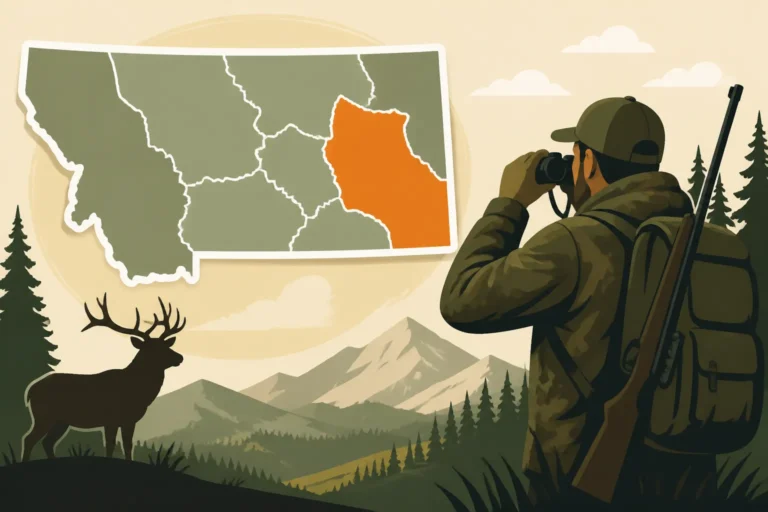
Montana Fish, Wildlife & Parks (FWP) oversees all hunting regulations, and the Pryor Mountains fall into specific hunting districts (HDs), primarily within Region 5. These HDs have their own unique regulations regarding general versus permit tags, antler restrictions, and season dates. For instance, mule deer in certain HDs might be general, while elk might require a limited entry permit.
You must consult the current Montana FWP hunting regulations booklet for your specific year, paying close attention to the details for Region 5 and the relevant HDs. Don't rely on last year's regulations or online snippets; always use the official source. Websites like GoHunt can also be invaluable for researching draw odds for any limited entry permits in the Pryors and breaking down complex regulations by hunting district. Knowing the Montana General vs Permit Tags Explained will give you a strategic edge. Specific details about Montana Elk Season Dates and Tags and Montana Mule Deer Season Dates and Tags are found in these regulations.
Some common regulations that often trip up hunters include:
- Antler Point Restrictions: Some districts might have rules regarding the number of antler points a legal bull elk or buck mule deer must have.
- Weapon Restrictions: Be aware of any archery-only or muzzleloader-only seasons that might apply to certain areas or species within the Pryors.
- Area Closures: Occasionally, small areas might be closed to hunting for wildlife management or safety reasons. Always verify this on your maps and with FWP.
A great way to prepare is to study the specific hunting district maps available through FWP or by leveraging the detailed layers within onX Hunt. This helps you understand not just the boundaries, but also topographical features, water sources, and potential bedding areas before you even set foot on the mountain.
Essential Planning and Gear for a Successful Pryor Mountains Adventure
Hunting the Pryor Mountains is not a casual endeavor. It demands thorough preparation, both physically and in terms of gear. The remote nature, steep terrain, and unpredictable weather mean that being well-equipped and physically capable can be the difference between a successful, safe hunt and a miserable, potentially dangerous one.
E-Scouting and Physical Conditioning
Before you ever leave home, dedicate significant time to e-scouting. This involves using satellite imagery and mapping software like onX Hunt to identify potential access routes, public land boundaries, game trails, water sources, bedding areas, and escape cover. Look for pinch points, saddles, and benches that might funnel animals. Identify potential camp spots, too. Websites like GoHunt also provide excellent data on harvest statistics and draw odds for different hunting units, which can help narrow down your focus if you're applying for a limited entry tag. For a deep dive, check out our guide on How to E-Scout Montana Hunting Units.
Physical preparation for a Pryor Mountains hunt is non-negotiable. You’ll be navigating steep ascents, uneven terrain, and potentially hauling heavy loads of meat out of remote areas. Incorporate hiking with a weighted pack, stair climbing, and general cardiovascular fitness into your routine. Consider our article on How to Physically Prepare for a Montana Elk Hunt as a starting point, even if you're primarily hunting deer, as the physical demands are similar. The better shape you're in, the more enjoyable and effective your hunt will be.
Packing the Right Gear for Rugged Conditions
Your gear choices need to reflect the rugged, remote, and often unpredictable conditions of the Pryors. This isn't a place for shortcuts on quality.
Clothing: Layers are critical. Temperatures can swing wildly from morning to midday, and a sudden snowstorm can replace sunshine in minutes. Pack moisture-wicking base layers, insulating mid-layers (fleece or puffy jacket), and a waterproof/windproof outer shell. Good quality hunting pants that are durable and offer some weather resistance are a must.
Footwear: Invest in high-quality, broken-in hiking boots with excellent ankle support and stiff soles for traversing rocky terrain. Wet feet are miserable and can lead to dangerous situations. Consider our recommendations in Best Boots for Montana Elk Hunting.
Optics: A good pair of binoculars (10×42 or 12×50) and a spotting scope are indispensable for glassing the vast landscapes and dense timber. Rangefinders are also essential for ethical shot placement in steep, broken country.
Navigation: Always carry a reliable GPS device in addition to your phone with onX Hunt, and traditional paper maps with a compass as a backup. Batteries die, and cell service is often non-existent.
Safety & Survival: A comprehensive first-aid kit, emergency shelter (like a bivy sack), fire starting tools, water filter, headlamp, and sufficient food and water are paramount. Let someone know your itinerary. Read up on Montana Backcountry Hunting Safety Tips for a thorough review.
Game Processing: Field dressing tools, game bags, and perhaps a lightweight game cart if you're hunting lower elevations with decent trails, or a sturdy frame pack for packing out meat in the backcountry. Our guide on How to Pack Out an Elk in Montana offers excellent advice, applicable to any large game animal.
Remember, the goal is to be prepared for anything Mother Nature throws at you. Don’t skimp on essential gear, and practice using everything before you head into the field.
Embracing the Challenge of a Pryor Mountains Hunt
Hunting the Pryor Mountains is an experience like no other. It’s a place that demands respect, preparation, and a willingness to work hard. You might not see animals around every corner, and the terrain will test your limits, but the rewards of connecting with this wild landscape and its resilient game animals are immense. Whether you're chasing a wary mule deer buck through the juniper breaks or still-hunting for a bull elk in the high timber, the Pryors offer an authentic Montana hunting adventure that you'll remember for a lifetime. Good luck out there, and hunt safe!
Disclaimer
Please be aware that hunting regulations, season dates, and access policies can change frequently. Always consult the most current Montana Fish, Wildlife & Parks regulations and local land management agency guidelines before planning and embarking on any hunting trip in the Pryor Mountains. This guide provides general information and should not be considered a substitute for official resources.