Hunting the Lolo National Forest
For many hunters, the sheer scale and challenging terrain of Montana's national forests can feel like a formidable puzzle, especially when you're trying to figure out where to even begin. If you've been dreaming of a hunt in the rugged beauty of Western Montana, the Lolo National Forest often comes to mind, but knowing how to approach it effectively is key. This comprehensive guide is designed to demystify hunting the Lolo National Forest, offering practical insights into its diverse landscape, prime game species, and crucial access strategies to help you plan a successful and rewarding adventure.
Understanding the Lolo National Forest: A Hunter's Overview
The Lolo National Forest is a vast, sprawling landscape covering over two million acres in west-central Montana, encompassing a significant portion of the Northern Rocky Mountains. Its diverse topography, from dense timber stands and high alpine basins to riparian corridors along major rivers, presents both incredible opportunities and unique challenges for hunters. This isn't your flat-land, easily accessible hunting ground; it's a place that demands preparation, patience, and a deep understanding of its character.
Geographic Layout and Key Features
Stretching across numerous counties, the Lolo National Forest is a mosaic of different mountain ranges and ecosystems. You'll find yourself navigating parts of the Bitterroot, Sapphire, and Garnet Ranges, among others, each with its own quirks. Elevations vary dramatically, from river bottoms at around 3,000 feet to rugged peaks exceeding 9,000 feet. This elevation gradient creates distinct habitat zones, influencing where different species reside throughout the year.
The forest is characterized by extensive lodgepole pine, Douglas fir, and grand fir forests, often incredibly dense, especially in roadless areas and designated wilderness. Interspersed with these dark timber stands are open parks, old burns, and clear-cuts, which can be critical for forage and visibility. Major waterways like the Clark Fork River, Bitterroot River, and Blackfoot River, along with countless smaller streams and drainages, crisscross the landscape, providing essential water sources and crucial travel corridors for wildlife. Understanding these features, especially how they connect and create natural funnels or bedding areas, is paramount to your scouting and hunting efforts. For instance, north-facing slopes often hold snow longer and offer cooler bedding in early seasons, while south-facing aspects can be prime for early morning feeding or late-season sunning.
General Hunting Regulations and Districts
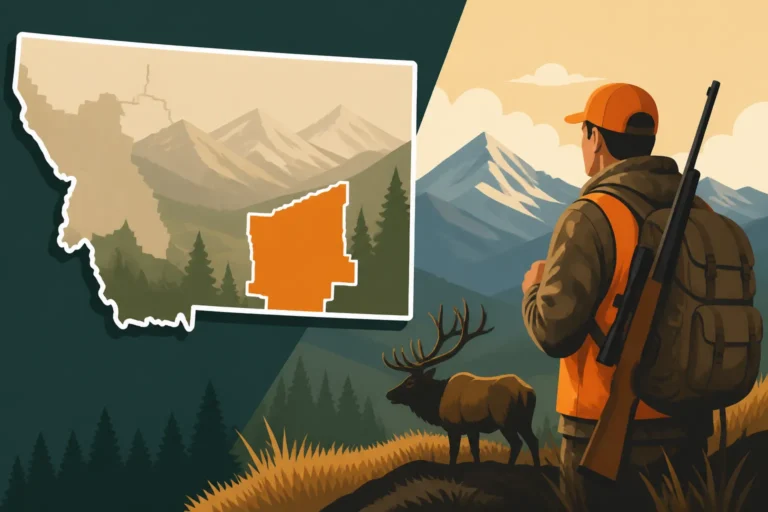
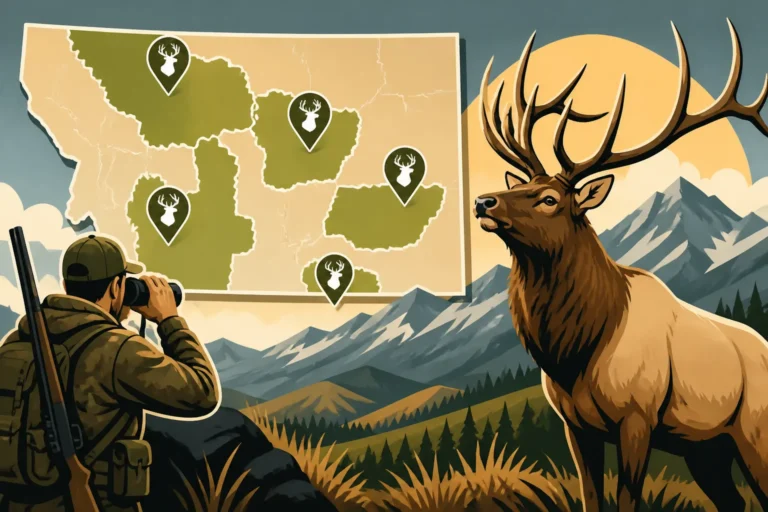
Hunting in the Lolo National Forest requires a thorough understanding of Montana Fish, Wildlife & Parks (FWP) regulations, as the forest itself spans numerous hunting districts (HDs). You can find portions of the Lolo in various HDs within Regions 1, 2, and 3, including sections of the 100, 200, and 300 series. Each of these districts can have unique regulations, season dates, and tag requirements. For instance, some areas might be general units for elk or deer, meaning you can hunt them with a standard general tag, while others might require specific limited-entry permits that are drawn through a lottery. It's not uncommon for adjacent districts to have entirely different rules regarding antlerless harvest, weapon restrictions, or even season lengths.
Before you even consider packing your bags, you need to pore over the current year's Montana FWP hunting regulations. Pay close attention to the specific hunt codes for the districts you're targeting. You'll want to review the full details on Montana Hunting Seasons Explained to grasp the overarching framework, and then dive into the specifics for deer, elk, and bear in your chosen HDs. Remember that nonresident hunters often have different license requirements and draw odds compared to residents, so factor that into your planning. Furthermore, understanding the difference between Montana General vs Permit Tags Explained will be critical, as drawing a limited entry tag can drastically change your hunting strategy and success potential. Always verify if your chosen district is a general elk unit or if it requires a special permit, as these often have much tougher draw odds.
Prime Game Species and Their Habitat in Lolo National Forest
The Lolo National Forest is a big game hunter's paradise, offering opportunities for a variety of species. However, success hinges on knowing where to find them and understanding their patterns in this specific environment.
Elk and Deer Hotspots
Elk are arguably the most sought-after species in the Lolo, and for good reason. The dense timber, steep terrain, and abundant water sources provide ideal habitat. You'll often find elk favoring north-facing slopes and thick timber patches during daylight hours, especially as hunter pressure increases. They rely heavily on thermal cover for bedding and will move significant distances from feeding areas to secure spots. Old logging roads that are now closed to vehicles, but open to foot traffic, can act as excellent travel corridors for elk, especially at dawn and dusk. Areas with a mosaic of mature timber and younger, regenerating stands (often from old burns or clear-cuts) create excellent edge habitat that elk favor for both security and forage.
Mule deer are also present, particularly in the more open, brushy slopes and ridgetops, though they are less abundant in the really dense timber favored by elk and whitetail. Look for mule deer in sunnier spots, on southern exposures, and around rock outcroppings. Whitetail deer, on the other hand, thrive in the riparian zones along the major rivers and their tributaries within the Lolo. These river bottoms provide excellent cover from dense brush and cottonwoods, as well as abundant food sources. If you're focusing on whitetails, spend your time close to water, where their trails are often well-worn and easy to identify. Remember that the dense timber of the Lolo makes still-hunting a critical skill for both elk and deer, as long-range glassing opportunities are often limited.
Other Huntable Species
Beyond elk and deer, the Lolo National Forest offers excellent black bear hunting. Both spring and fall seasons can be productive. In the spring, bears are often found on south-facing slopes, emerging from dens and seeking early green-up. They'll also be drawn to winter-killed carcasses. In the fall, they transition to foraging for berries, nuts, and other mast crops, often found in higher elevations or specific drainages. Knowing Montana Black Bear Season Dates is crucial, as they vary. Mountain lions are also present throughout the Lolo, though hunting them is a specialized pursuit often done with hounds. Various upland bird species, like ruffed grouse, blue grouse, and spruce grouse, provide additional hunting opportunities, often found while pursuing larger game in timbered draws.
Seasonal Movements and Patterns
Understanding how game animals move throughout the season in the Lolo is critical. During the early archery season, typically in September, elk are often still in their summer patterns, frequently in higher elevation basins or feeding in secluded meadows. As the rut approaches in late September and early October, bulls become more vocal and active, making Montana Elk Calling Tactics extremely effective. This is often when hunters have the best chance to locate and interact with elk. As the general rifle season opens, typically in late October, hunting pressure pushes elk into thicker cover, often into deep timber on north-facing slopes, where they feel secure. Weather patterns, especially early snowfalls, can significantly impact elk movement, pushing them to lower elevations or different drainages. A sudden cold front can trigger a "push" of animals, especially if it brings new snow to higher country. Mule deer will also begin their rut in November, which can make them more active and visible, particularly in their preferred open habitats.
Navigating Access and Planning Your Hunt
The Lolo National Forest is vast, and navigating its extensive public lands requires careful planning, good tools, and often, a willingness to get deep into the backcountry.
Public Access Points and Road Systems
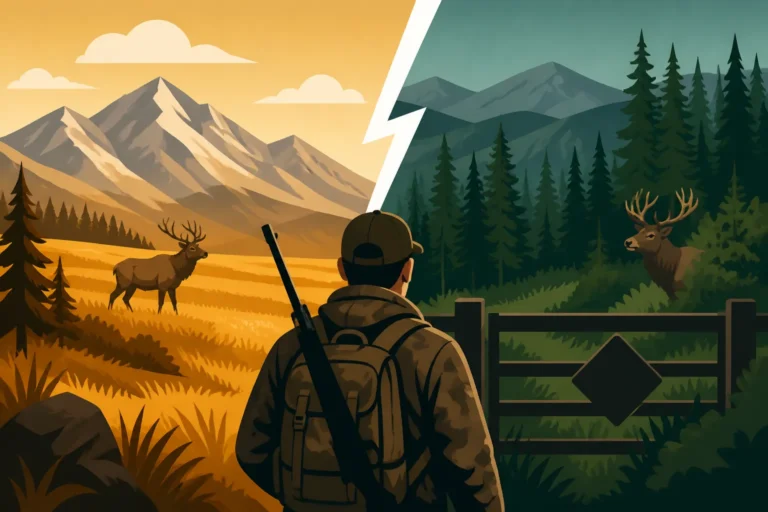
Access into the Lolo National Forest varies widely. You'll find numerous Forest Service roads (FSRs) that branch off major highways, providing vehicular access to different trailheads and management units. However, many FSRs are seasonally gated, closed to vehicles entirely, or restricted to administrative use only. These road closures are often implemented to reduce disturbance to wildlife, particularly during sensitive periods, or for habitat rehabilitation. This means that while a map might show a road, you might need to hike or bike a significant distance to get away from other hunters.
This is where a robust mapping application like onX Hunt becomes an absolute game-changer. onX Hunt provides invaluable details on land ownership (public vs. private), FSR numbers, and crucially, overlays indicating road closures and travel restrictions. You can scout potential access points from your couch, identifying legal parking areas, trailheads, and then planning your foot or bike travel beyond the gates. It's also incredibly useful for avoiding accidental trespass onto private inholdings that can be scattered within the national forest boundary. Combining your onX Hunt research with current Forest Service travel plans and maps from the local ranger districts is highly recommended.
Wilderness and Backcountry Considerations
A significant portion of the Lolo National Forest is designated wilderness, including parts of the Welcome Creek Wilderness and the Selway-Bitterroot Wilderness (which it borders). These areas are motor vehicle-free, meaning access is strictly by foot or horseback. Hunting in these wilderness areas offers an unparalleled experience, with reduced hunter pressure and the chance to find truly undisturbed game. However, it demands a higher level of physical fitness, self-sufficiency, and advanced backcountry skills. Planning a hunt in these areas means preparing for multi-day trips, packing everything you need in and out, and being ready to How to Pack Out an Elk in Montana over rugged terrain.
If you're considering a wilderness hunt, ensure you've done your homework on Montana Backcountry Hunting Guide. This isn't a casual day trip. You'll need reliable gear, navigation skills (GPS, map, and compass), and a solid understanding of backcountry safety. Packing light but effectively is key, and knowing Montana Backcountry Hunting Gear List can be a lifesaver. Even outside official wilderness boundaries, many areas of the Lolo are de facto wilderness due to steep terrain and lack of roads. Don't underestimate the physical demands; training for your hunt is as important as scouting.
E-Scouting and Boots-on-the-Ground Strategy
Effective hunting in the Lolo starts long before you set foot in the woods. E-scouting is indispensable. Utilize tools like onX Hunt and GoHunt to analyze satellite imagery, topography, and public land boundaries. Look for areas with specific characteristics:
- North-facing slopes with dark timber: Prime bedding areas for elk.
- Saddles and ridges: Natural travel corridors.
- Water sources: Critically important, especially in drier periods.
- Old burns or clear-cuts: Areas of new growth that provide forage.
- Roadless areas: Places where hunter pressure will likely be lower.
You can also use GoHunt to research specific hunting districts within the Lolo, checking draw odds, harvest success rates, and general unit descriptions. This can help you refine your choice of hunting district if you're still undecided. After extensive e-scouting, if possible, a "boots-on-the-ground" scouting trip before the season opens is invaluable. Hike into your chosen areas, look for fresh sign (tracks, droppings, rubs), identify game trails, and get a feel for the terrain and cover. Even a single day of pre-season scouting can provide insights that weeks of e-scouting can't replicate, helping you confirm your initial hypotheses and adjust your strategy. For more detailed tips on remote scouting, check out How to E-Scout Montana Hunting Units.
Tactics for Success in the Lolo's Challenging Environment
Hunting the Lolo National Forest isn't like hunting open country where you can glass for miles. It requires different tactics, a patient approach, and an understanding of how animals use the timbered landscape.
Hunting Techniques for Dense Timber
The Lolo's dense timber presents a unique challenge: visibility is often limited to mere yards. This means traditional spot-and-stalk from a distance is often ineffective. Instead, a slow, methodical approach is key. How to Still-Hunt Montana Timber is an art form here. You're not covering ground quickly; you're moving at a snail's pace, often taking only a few steps, then stopping for minutes to scan, listen, and observe. Focus on subtle movements, breaking up your outline, and using the wind and thermals to your advantage. Every crunch of a twig, every rustle of leaves, could be a deer or an elk. Wear quiet clothing, and ensure your boots allow for silent movement over varied forest floor debris.
Consider areas where the timber breaks, such as the edge of a meadow, an old logging road, or a clear-cut. These "edges" are natural travel routes and feeding areas. Hunting the transition zones between different timber types or between thick cover and more open areas can also be highly productive. Always be aware of your surroundings, both above and below you, as animals will use elevation changes to their advantage, often bedding just below a ridge or on a bench where they can watch their backtrail.
Calling and Glassing Strategies
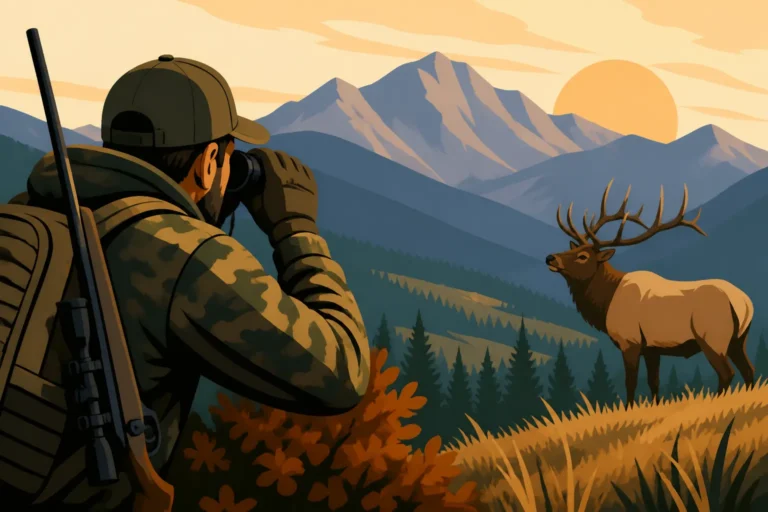
While vast open country glassing isn't a primary tactic in the Lolo, there are still opportunities for both glassing and calling. Small openings, old burns, or higher vantage points overlooking a drainage can provide limited glassing opportunities, especially during the first and last hours of daylight. Use quality binoculars or a spotting scope to pick apart these small windows, looking for flickers of movement or the tell-tale shape of an antler. Patience here is crucial; spend significant time behind your glass, even in seemingly small spots. For optics that can cut through the dim light of deep timber, consider trusted brands like Zeiss, Swarovski, or Vortex.
Calling, however, can be incredibly effective, particularly for elk during the rut. Both bugling and cow calling can be used to locate animals or draw them closer in thick cover. If you hear a bull bugle, it's often more productive to try and get relatively close before setting up to call, as dense timber can make judging distance difficult. A good strategy for a bugling bull is often to How to Set Up on a Bugling Elk in Montana, using the terrain and wind to approach undetected. During the rifle season, when elk are more pressured and often silent, quiet cow calls or soft mews can sometimes provoke a response from wary animals that might be lying in thick timber. For a deep dive into vocalizations, review How to Bugle for Montana Elk and How to Cow Call Montana Elk.
Packing Out Your Harvest
Successfully harvesting an animal in the Lolo National Forest is only half the battle; getting it out is often the more grueling task. The steep, rugged terrain, combined with significant distances from roads, means you need a solid plan for packing out your game. Quartering the animal in the field is almost always necessary for elk and often for large deer. Having a good game bag system and a stout internal or external frame backpack is non-negotiable. Plan your route out carefully, considering elevation changes and obstacles. If you're hunting solo, packing out an elk can take multiple trips and days, requiring diligent meat care to keep it cool. For larger animals, consider a game cart if the terrain allows, though many areas of the Lolo are too rough for wheels. Learning How to Pack Out an Elk in Montana is a critical skill that you should understand well before heading into the mountains. Proper footwear, such as the Best Boots for Montana Elk Hunting, can also make a huge difference in navigating the varied terrain with a heavy load.
| Game Species | Primary Habitat in Lolo | Best Hunting Period | Key Challenges |
|---|---|---|---|
| Elk | Dark timber, north-facing slopes, high basins, old burns | Archery Rut (Sept-Oct), Early Rifle (Oct) | Dense cover, rugged terrain, hunter pressure |
| Mule Deer | Open, brushy slopes, ridgetops, south-facing aspects | General Rifle (Oct-Nov), Rut (Nov) | Lower densities in deep timber, scattered pockets |
| Whitetail Deer | River bottoms, riparian zones, dense creek bottoms | General Rifle (Oct-Nov), Rut (Nov) | Thick brush, private land adjacent to public |
| Black Bear | Early green-up on south slopes (spring), berry patches (fall) | Spring (April-May), Fall (Sept-Oct) | Elusive, dense cover, often incidental to other hunts |
| Mountain Lion | Remote, rugged terrain, following deer/elk concentrations | Winter (Dec-Feb, often with hounds) | Highly specialized, difficult to track |
Disclaimer
Hunting is an inherently risky activity. This guide provides general information about hunting in the Lolo National Forest based on current knowledge and common practices. Regulations, season dates, and land access rules can change frequently. It is your sole responsibility to consult the most current Montana Fish, Wildlife & Parks (FWP) regulations, acquire all necessary licenses and permits, and understand local conditions before embarking on any hunting trip. Always prioritize safety, respect wildlife, and practice ethical hunting.