Hunting the Custer Gallatin National Forest
Hunting in the vast, sprawling expanse of the Custer Gallatin National Forest can feel like trying to find a needle in a haystack, especially for those new to the region or even seasoned Montana hunters looking to tackle a new district. With its incredible diversity—from sagebrush flats to towering peaks—it’s easy to feel overwhelmed by where to start, what to expect, and how to effectively navigate its wild landscapes. This comprehensive guide is designed to cut through that confusion, offering practical advice and deep insights into successfully hunting this iconic Montana treasure.
Understanding the Custer Gallatin National Forest Landscape
The Custer Gallatin National Forest (CGNF) isn't just one contiguous block of timber and mountains; it's a magnificent patchwork of landscapes spread across southwestern, south-central, and southeastern Montana, stretching down into a small portion of northwestern South Dakota. This sprawling area covers millions of acres, encompassing several distinct mountain ranges, vast plains, and diverse ecosystems. Its sheer size and varied terrain mean that hunting experiences within its boundaries can differ dramatically from one district to another.
Geographic Diversity and Key Units
Imagine driving through Montana, seeing rolling hills give way to dramatic, snow-capped peaks. That's the Custer Gallatin in a nutshell. It wraps around several major urban centers like Bozeman and Livingston, yet quickly transitions into remote wilderness. This unique positioning means you'll find areas with relatively easy access and others that require serious backcountry commitment. The forest is roughly divided into several ranger districts, each with its own character. For instance, the Gallatin and Bozeman Ranger Districts, close to the I-90 corridor, see heavy recreational use but still hold excellent hunting opportunities if you're willing to go deeper. Further east, areas like the Ashland and Sioux Ranger Districts offer a completely different experience, characterized by more open, rolling terrain mixed with pine pockets, often favored for species like whitetail deer and Merriam's turkey.
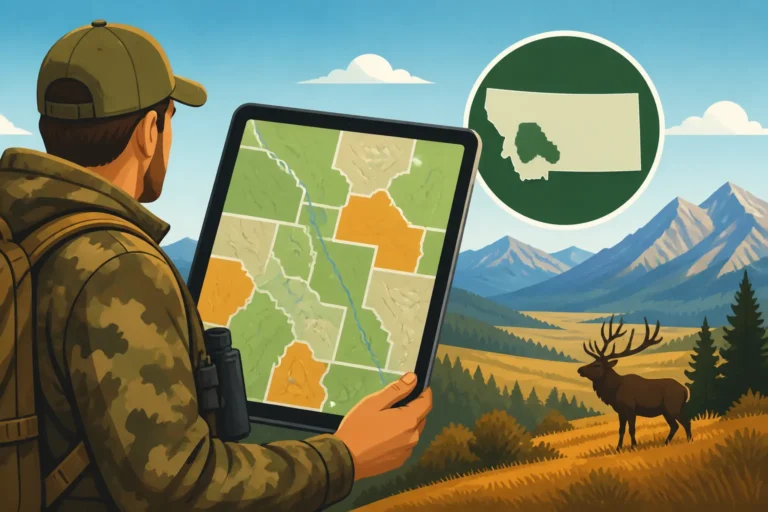
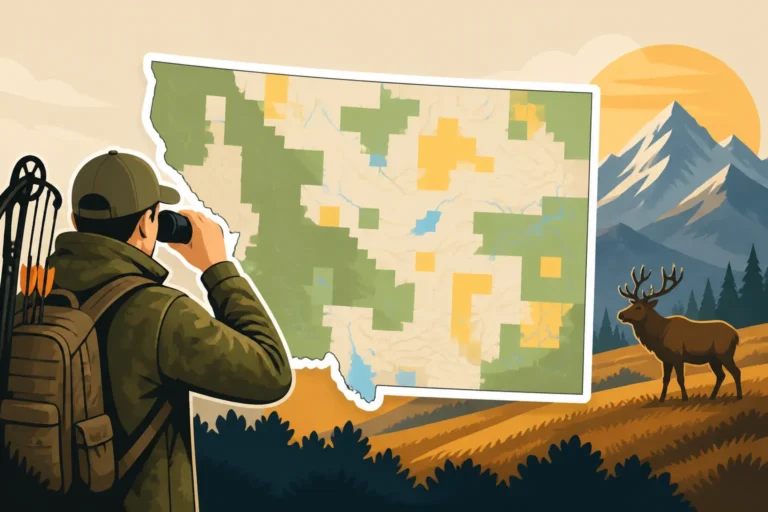
When you're planning your hunt, it's crucial to understand which part of the Custer Gallatin you're targeting. Are you dreaming of high-country elk in the Absaroka-Beartooth Wilderness, or are you looking for whitetails along a creek bottom on the eastern side? The type of terrain will dictate your hunting methods, gear choices, and even your physical preparation. Elevations can range from around 3,000 feet in the eastern plains units to over 12,000 feet in the Beartooth Mountains. This dramatic change impacts everything from snow depth to game animal behavior and forage availability. Before you even set foot in the woods, tools like onX Hunt are indispensable for visualizing these varied landscapes and understanding the topography, roads, and land ownership boundaries within specific districts.
Public Land Access and Boundaries
The beauty of hunting the Custer Gallatin lies in its extensive public land. You'll primarily be dealing with National Forest System lands, but it often borders or intermingles with Bureau of Land Management (BLM) lands, State Trust Lands, and private parcels. Navigating these boundaries is paramount for ethical and legal hunting. It's not uncommon to find small private inholdings deep within the National Forest, which can create tricky access situations or force you to adjust your approach.
Understanding the patchwork nature of land ownership is where detailed mapping tools truly shine. A robust resource like the onX Hunt app allows you to instantly see property lines, landowner names, and land status (public vs. private). This is especially critical when dealing with potential corner crossings or wanting to know if that distant ranch is Block Management access or strictly private. Familiarizing yourself with these boundaries well before your hunt can save you headaches, prevent trespassing, and ensure you're hunting legally. For a deeper dive into maximizing public access, consider reading our guide on the Montana Public Land Hunting Guide.
Key Game Species and Their Habitat Preferences
The Custer Gallatin National Forest is a true big game mecca, offering opportunities for a variety of species. However, where you choose to hunt within the CGNF will heavily influence which animals you encounter and what kind of success you might have. Each species has its preferred habitat, and understanding these patterns is key to finding success.
Elk: From High Peaks to Timber Pockets
Elk are arguably the most sought-after species in the Custer Gallatin, and for good reason. The forest supports robust populations, but finding them requires understanding their seasonal movements and habitat preferences. During the early archery season and into the general rifle season, you'll often find elk in the higher elevations, particularly in the vast wilderness areas like the Absaroka-Beartooth and Lee Metcalf. They'll be feeding on lush mountain grasses and forbs, often seeking refuge in dense timber patches on north-facing slopes during warmer parts of the day.
As hunting pressure increases and winter approaches, elk tend to move into thicker, darker timber pockets for security. They'll drop down in elevation, often utilizing mid-elevation benches and drainages where snow depth is less prohibitive and thermal cover is abundant. Areas with mixed conifer forests, aspen groves, and water sources are prime spots. Don't overlook these timbered areas, even if they seem unappealing; often, the biggest bulls hide in the nastiest cover. For specific tactics, our guide on How to Find Elk in Montana Dark Timber offers valuable insights. During the rut, they can be vocal, making calling a highly effective method. Learning How to Call Elk in Montana can dramatically increase your odds during this exciting time.
Deer: Mule Deer and Whitetail Tactics
The Custer Gallatin is home to both mule deer and whitetail deer, each requiring different hunting strategies due to their distinct behaviors and habitat choices.
Mule Deer: These iconic western deer prefer more open, broken country. You'll find them scattered throughout the forest, but especially prevalent in areas with sagebrush, junipers, and scattered timber, particularly on south-facing slopes. In the high country, look for them above timberline during the summer and early fall, retreating to brushy draws and timbered ridges as pressure mounts and snow falls. The more mountainous units of the Custer Gallatin provide excellent mule deer habitat. Spot-and-stalk is a classic method for mule deer, utilizing optics to cover vast expanses. Our guide on How to Spot-and-Stalk Montana Mule Deer can provide a solid foundation for this approach.
Whitetail Deer: While often associated with river bottoms, whitetail deer in the Custer Gallatin can be found in surprisingly diverse habitats. On the eastern fringes of the forest, particularly in the Ashland or Sioux districts, they will be found in dense riparian zones along creeks and rivers, as well as in smaller timber patches within the prairie ecosystem. In the mountainous units, they often stick to the lower-elevation valleys, preferring thick cover adjacent to agricultural fields or along forested creek bottoms. Hunting whitetails often involves still-hunting or setting up in areas with good cover and clear travel corridors, especially during the rut. Understanding How to Hunt Whitetail in Montana River Bottoms can be particularly useful for those eastern sections.
Black Bear, Moose, and Other Opportunities
Beyond elk and deer, the Custer Gallatin offers hunting opportunities for other species.
Black Bear: Black bears are common throughout the forested sections of the Custer Gallatin. Spring bear hunting is popular, often focused on south-facing slopes where snow melts first and green-up begins, providing vital early season forage. Fall bear hunting coincides with deer and elk seasons, with bears often found in areas with abundant berry crops or foraging for acorns. While not as high-profile as elk, a black bear hunt in the CGNF can be a truly rewarding experience. Check out our guide on Montana Black Bear Hunting Guide for more information.
Moose: While not as widespread or numerous as elk, moose do inhabit certain high-elevation, riparian zones within the Custer Gallatin, particularly in the western parts of the forest. Drawing a moose tag in Montana is extremely difficult, requiring many preference points, but for those lucky enough, the CGNF can offer excellent opportunities for these magnificent animals in their preferred willow and subalpine fir habitats. For those planning a long-term strategy, understanding How Many Points for a Montana Moose Tag is essential.
Table: Custer Gallatin National Forest Key Game Species & Habitats
| Species | Primary Habitat in CGNF | Typical Elevation Range | Best Hunting Months | Key Hunting Strategy |
|---|---|---|---|---|
| Elk | High mountains, subalpine forests, dark timber | 6,000 – 10,000+ ft | Sept, Oct, Nov | Spot-and-stalk, calling, still-hunting, ambushing |
| Mule Deer | Open sagebrush, broken country, timbered ridges | 4,000 – 9,000 ft | Sept, Oct, Nov | Spot-and-stalk, glassing vast areas |
| Whitetail Deer | River bottoms, dense riparian areas, lower elevation timber | 3,000 – 6,000 ft | Sept, Oct, Nov | Still-hunting, stand hunting, rattling |
| Black Bear | Mixed conifer forests, clear-cuts, berry patches | 4,000 – 8,000 ft | April-June (Spring), Sept-Nov (Fall) | Spot-and-stalk, still-hunting, glassing slopes |
| Moose | Willow swamps, riparian areas, high-elevation timber | 6,000 – 9,000 ft | Sept, Oct, Nov | Spot-and-stalk (extremely limited tags) |
Navigating Access and Understanding Regulations
Hunting in a massive National Forest like the Custer Gallatin comes with its own set of navigational and regulatory challenges. It’s not just about finding game; it’s about understanding where you can legally go, what permits you need, and how to stay safe in such a wild environment. Ignoring these details can quickly turn a dream hunt into a frustrating, or even illegal, experience.
Permitted Areas and Wilderness Restrictions
Many of the prime elk hunting areas within the Custer Gallatin fall within designated Wilderness Areas, such as portions of the Absaroka-Beartooth Wilderness or the Lee Metcalf Wilderness. While these areas offer unparalleled solitude and some of the best backcountry hunting, they come with strict regulations. For example, mechanized travel (ATVs, e-bikes) is prohibited, and often even mountain bikes are not allowed. You’ll be packing in on foot or with horses. This means your physical conditioning and gear choices are even more critical. Our comprehensive guide on Montana Backcountry Hunting Guide provides invaluable advice for tackling these rugged landscapes.
Always check the specific regulations for the wilderness area you intend to hunt. These can include restrictions on group size, campfires, and even the type of equipment you can bring. A careful review of the Montana Fish, Wildlife & Parks (FWP) regulations for your chosen hunting district is non-negotiable. Furthermore, using mapping applications like onX Hunt can clearly delineate wilderness boundaries, ensuring you don't inadvertently break any rules.
Understanding General and Permit Tags
Hunting in the Custer Gallatin often involves navigating Montana's complex tag system. Many of the forest’s hunting districts are "general" units, meaning if you draw a general elk or deer license (especially as a resident, or a nonresident with a combination license), you can hunt in those areas. However, some districts or portions of districts within the Custer Gallatin are "permit-only" for certain species or antler types. These limited-entry permits are highly sought after and require a successful draw application.
It's vital to research the specific hunting district regulations for your target species before you apply. Services like GoHunt can be incredibly useful for analyzing draw odds and understanding the historical data for these coveted permits. Don't assume that because you have a general elk tag, you can hunt anywhere in the Custer Gallatin. Always double-check the hunt codes and regulations for the specific area you plan to pursue game. Our detailed explanation of Montana General vs Permit Tags Explained can help clarify this critical distinction.
Block Management Areas and Private Land Access
While the Custer Gallatin National Forest is vast public land, its boundaries often intermingle with private property. This is where programs like Block Management come into play. Montana’s Block Management Program (BMP) provides public hunting access to private lands, and sometimes isolated public lands, through agreements with landowners. While less common deep within the National Forest, some Block Management Areas might provide access to small, often isolated, parcels of public land surrounded by private holdings that are technically part of the CGNF.
Always check the annual Block Management Program listings through Montana FWP. These areas can change from year to year, and some require signing in or obtaining permission directly from the landowner/manager. Failing to do so could result in trespassing. For nonresidents, these areas can be golden tickets to accessing prime hunting ground that might otherwise be unreachable. For a deeper understanding of how these critical access points work, refer to our guide on Montana Block Management Areas Explained. Beyond BMP, always respect private land boundaries, and if seeking permission, do so well in advance and with the utmost courtesy.
Strategic Approaches for a Successful Custer Gallatin Hunt
Successfully hunting in the Custer Gallatin National Forest requires more than just knowing where the animals generally live. It demands strategic planning, physical readiness, and a willingness to adapt to the ever-changing mountain environment. It's about combining knowledge with effort to turn potential into success.
E-Scouting and Pre-Season Planning
Before you even step foot in Montana, your hunt for the Custer Gallatin begins at home with thorough e-scouting. This involves using online mapping tools, satellite imagery, and topographic maps to identify potential hunting areas, access points, bedding cover, feeding areas, water sources, and travel corridors. Look for terrain features that concentrate animals, such as saddles, pinch points, benches, and the edges of dark timber.
High-quality mapping software like onX Hunt allows you to create waypoints, draw routes, and measure distances, giving you an intimate understanding of the landscape before arrival. Identify potential glassing knobs and escape routes for animals. Cross-reference your e-scouting with historical game data or FWP harvest reports, which can often be found on platforms like GoHunt. This pre-season homework is arguably the most important part of any successful western hunt. For a detailed walkthrough, explore our article on How to E-Scout Montana Hunting Units.
Physical Preparation and Gear Selection
The rugged terrain of the Custer Gallatin National Forest is no joke. Whether you're chasing elk in the high country or still-hunting through timbered drainages, you'll be covering significant mileage over varied and often steep terrain, often at elevations that can test your cardiovascular limits. Physical preparation is paramount. Start a rigorous exercise regimen months before your hunt, focusing on cardiovascular endurance, leg strength, and hiking with a weighted pack. This will not only increase your chances of success but also significantly enhance your safety and enjoyment. Our guide on How to Physically Prepare for a Montana Elk Hunt offers specific training advice.
Your gear needs to be up to the task as well. Quality boots that are well broken in are non-negotiable, as are layers of clothing to adapt to rapidly changing mountain weather, from warm sunny days to sudden snow squalls. A reliable backpack that can comfortably carry your essentials and, hopefully, a heavy load of meat is critical. For optics, a good pair of binoculars is a must for glassing vast landscapes, and a spotting scope can be invaluable for identifying animals at extreme distances, especially for species like mule deer or high-country elk. Considering the remote nature of many Custer Gallatin hunts, a robust gear list is essential. You can find excellent recommendations in our Montana Backcountry Hunting Gear List.
Dealing with Hunter Pressure and Adapting Tactics
Due to its accessibility and renowned hunting opportunities, certain areas of the Custer Gallatin can experience significant hunter pressure, especially during the general rifle season. This pressure often pushes game animals into thicker, nastier, or more remote areas. Simply walking popular trails or road systems is unlikely to yield consistent success.
To beat the crowds, you'll need to adapt your tactics. This might mean hiking deeper into the backcountry than others are willing to go, hunting during midweek, or targeting areas known for difficult access. Often, just a mile or two off a main trail can put you into unpressured territory. Consider hunting during inclement weather—a cold front or a snowstorm can often push animals around and discourage other hunters. Learning How to Hunt Elk in Montana Rifle Season Pressure can provide strategies for staying ahead of the crowds. Sometimes, slowing down and still-hunting through dark timber, or focusing on water sources and bedding areas during the midday lull, can be more effective than simply covering ground. Be flexible, be patient, and be willing to put in the extra effort.
Disclaimer
Hunting is an inherently dangerous activity. This guide provides general information for hunting in the Custer Gallatin National Forest and is not a substitute for official regulations, professional guidance, or personal responsibility. Always consult the most current Montana Fish, Wildlife & Parks regulations, secure appropriate licenses and tags, and prioritize safety in the field. Conditions can change rapidly, and personal preparation and sound judgment are critical for a safe and successful hunt.