Best Montana Districts for Antelope on the Plains
Trying to narrow down the vastness of Montana's plains to find the sweet spots for antelope hunting can feel like searching for a needle in a haystack. The sheer scale is intimidating, and knowing where to focus your time and effort is crucial if you want to put a tag on a swift pronghorn. This guide is dedicated to breaking down the best hunting districts for antelope on Montana's expansive plains, offering practical insights and strategies to help you conquer the challenge.
Understanding Montana's Plains Antelope Habitat
Hunting antelope on the plains is a completely different beast than chasing elk in the mountains or whitetails in river bottoms. These animals are built for speed and survival in open country, and understanding their preferred habitat is your first step to success. It's not just about finding wide-open spaces; it's about recognizing the subtle features that draw them in and offer them security.
The Landscape and Its Influence on Pronghorn
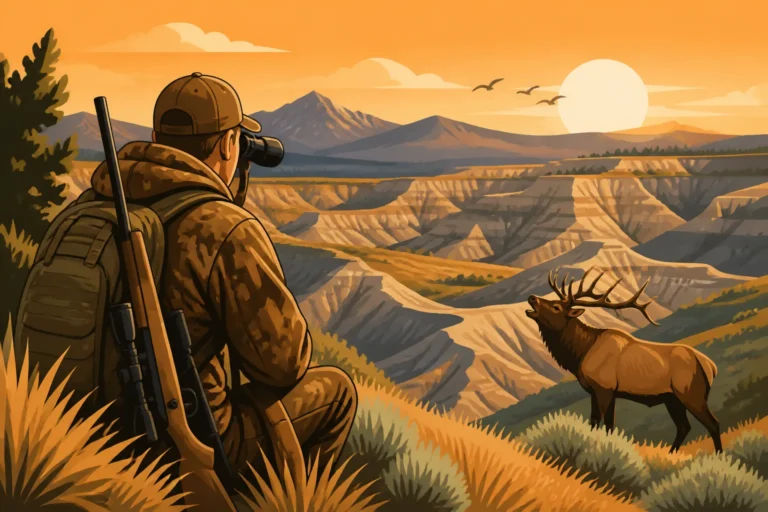
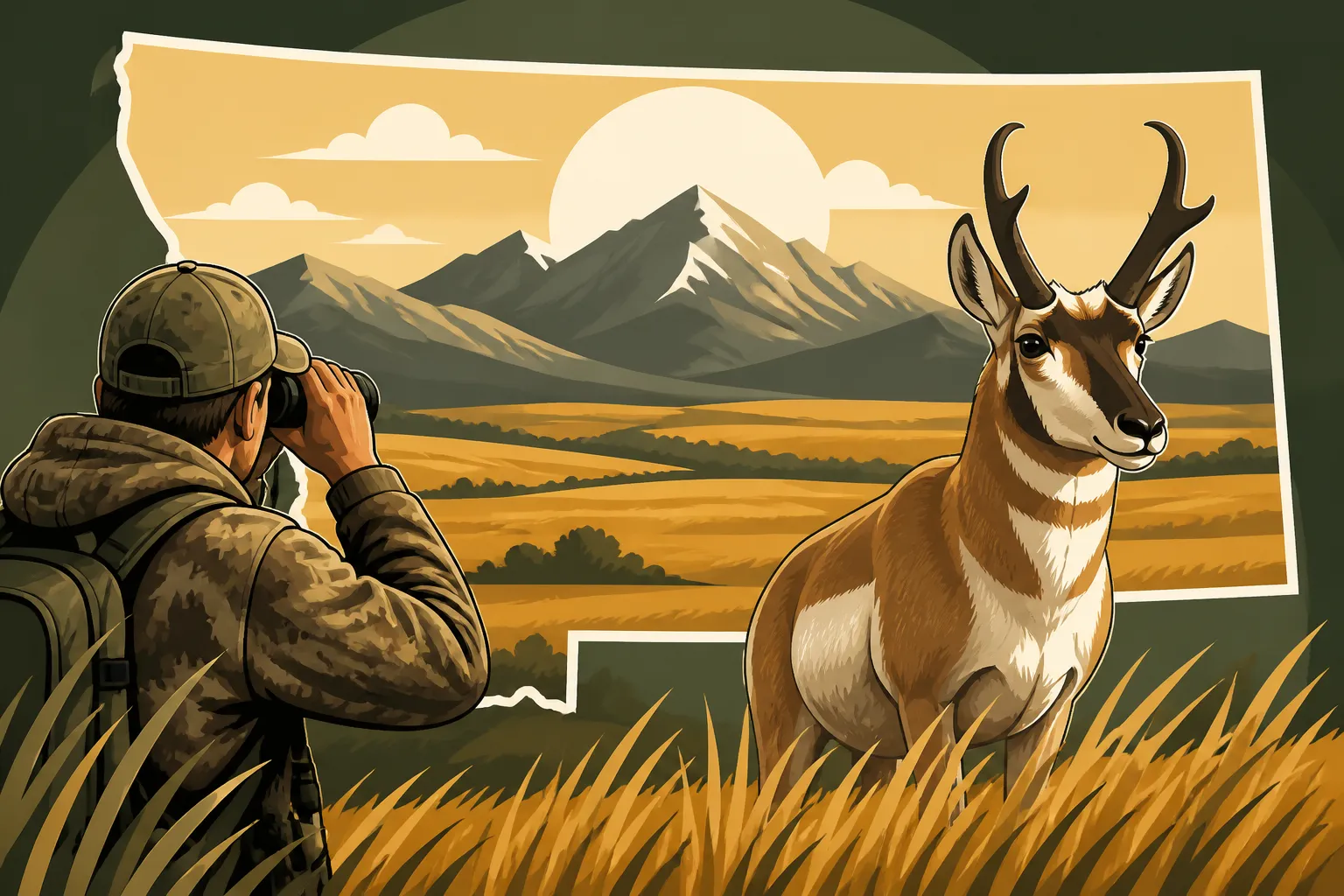
Montana's plains are characterized by vast, rolling grasslands, interspersed with sagebrush, occasional coulees, and dryland farming operations. Unlike the dense timber of western Montana, here the landscape stretches for miles, offering pronghorn unrivaled visibility. This incredible eyesight is their primary defense mechanism, allowing them to spot predators—including hunters—from incredible distances. Consequently, these animals thrive in areas where they can see for miles, making it difficult to approach them unnoticed. They often use subtle topographical breaks, like shallow draws or the backsides of rolling hills, not for concealment from view but to create momentary blind spots when they need to escape or bed down out of the wind.
The dominant vegetation plays a huge role in where you'll find antelope. Sagebrush is a crucial component of their diet, especially in leaner times, and areas with healthy sage stands are often magnets for these animals. While they are primarily grazers, they're also opportunistic browsers, readily munching on forbs and shrubs. The presence of cultivated fields, particularly those with alfalfa, winter wheat, or other cereal grains, can also concentrate antelope, providing a high-energy food source. Understanding these forage preferences helps you predict where pronghorn will spend their time feeding, especially during the morning and evening hours.
Key Habitat Features to Look For
When you're glassing the plains for antelope, you're not just looking for the animals themselves; you're looking for the features that hold them. One of the most critical elements is reliable water. While pronghorn are incredibly efficient at extracting moisture from the plants they eat, they still need to drink, especially during the hot, dry early archery seasons. Look for stock ponds, dugouts, small reservoirs, and even seasonal puddles in low-lying areas. These water sources act as natural gathering points, particularly mid-day when antelope might seek a drink. Knowing How to Hunt Montana Antelope Water Holes can be a game-changer.
Another vital feature is terrain relief. Even in seemingly flat country, subtle changes in elevation, like rolling hills, coulees, or river breaks, provide much-needed cover for approaching antelope. These features allow hunters to break up their silhouette and execute a successful spot-and-stalk Antelope Tactics. Antelope will also use these features to bed down, particularly on sunny, south-facing slopes in cooler weather or in the shade of a coulee bank on a scorching day. When you're studying maps, pay close attention to contour lines that indicate these slight rises and falls in the landscape. Even a 10-foot change in elevation can be enough to hide a stalking hunter for a critical distance.
Top Montana Districts for Plains Antelope
Montana offers some phenomenal antelope hunting opportunities, particularly in its eastern regions. These areas are characterized by vast stretches of public land, including Bureau of Land Management (BLM) and State Trust Lands, which are crucial for the do-it-yourself hunter. While specific unit numbers can change or have varying draw odds year to year, some regions consistently stand out for their robust antelope populations and accessible terrain.
Eastern Montana Strongholds
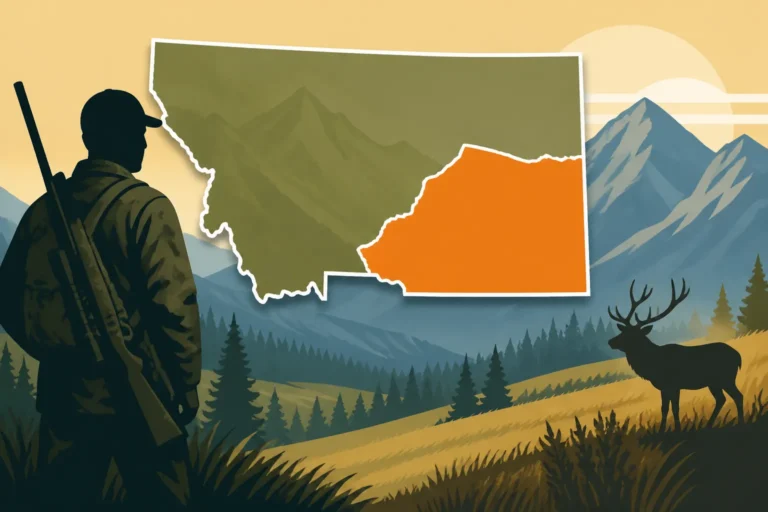
When we talk about plains antelope, we're largely talking about Eastern Montana. Region 6, encompassing areas around Glasgow, Malta, and Lewistown, and Region 7, stretching from Miles City to Broadus and Baker, are generally considered the heart of Montana's antelope country. Within these regions, numerous hunting districts (HDs) offer excellent opportunities. For instance, districts like HD 620, 622, 631, 650, 652, 700, 702, 704, and 740 often have healthy populations and significant public access. These areas are vast, so having a solid strategy for How to E-Scout Montana Districts is paramount.
The beauty of these eastern districts is their sheer expansiveness. You can drive for miles and still be within the same hunting district. This means less hunter density in any single spot, especially if you're willing to walk a bit. Many of these districts also fall under the "general" tag category for residents and offer good draw odds for non-residents applying for the Montana Antelope Tag. While some specific permits might require more preference points, many are attainable with few or even no points, particularly for archery-only or antlerless tags. These areas also tend to have a good mix of federal (BLM) and state lands, often interspersed with Block Management Areas, making navigation of public access straightforward with tools like onX Hunt.
Districts Offering Consistent Opportunities
Beyond the general strongholds, some districts consistently offer good antelope populations and a fair chance at drawing a tag. HD 900 series tags are specifically designated for antelope, and many of these are located in the eastern plains. While some might be archery-only or have specific restrictions, they often provide more targeted opportunities. For instance, HD 999 is a general archery-only tag valid statewide on public land, which can be an excellent option for those looking to bowhunt antelope without drawing a specific unit permit.
For rifle hunters, districts in the far eastern stretches of Region 7, closer to the North Dakota border, often have high antelope numbers due to the abundant grassland and agricultural interface. While these areas might require a successful draw, the numbers of antelope can be impressive. It's always a good idea to research the latest Montana Antelope Draw Odds Explained using resources like GoHunt, as these can fluctuate annually based on winter severity and tag allocations. The key to consistent success in these districts is not just drawing a tag, but understanding that you'll be covering vast amounts of ground and patience will be your most valuable asset.
| Hunting District (Example) | Primary Region | Public Land Access (Approx.) | Typical Terrain | Special Notes |
|---|---|---|---|---|
| HD 622 | Region 6 | High (BLM, State, BMA) | Rolling grasslands, coulees, sagebrush | Good general tag opportunities, diverse landscape. |
| HD 700 | Region 7 | Moderate-High (BLM, State, BMA) | Flat to gently rolling plains, agriculture | Often high antelope populations, can be crowded in specific spots. |
| HD 631 | Region 6 | Moderate (BLM, State, BMA) | Mixed prairie, breaks, some agriculture | Potential for larger bucks, requires scouting. |
| HD 740 | Region 7 | High (BLM, State) | Expansive grasslands, draws, river breaks | Less pressure in remote areas, good for DIY. |
Strategies for Hunting Antelope on the Plains
Antelope hunting on the plains is primarily a game of optics, patience, and meticulous stalking. Their incredible eyesight means you need to adapt your approach to their strengths, using the landscape to your advantage and executing flawless moves to close the distance.
Glassing and Spot-and-Stalk Techniques
The absolute cornerstone of plains antelope hunting is effective glassing. You'll spend significantly more time behind binoculars or a spotting scope than you will walking. A good pair of 10x binoculars and a high-quality spotting scope (20-60x or higher) are non-negotiable. Find a high vantage point, even a slight rise in elevation, and systematically glass everything. Look for flickers of white, horizontal lines (their backs), or even just heat shimmer distortions that indicate movement. Many experienced hunters will drive elevated two-tracks or hills and pull over to glass, then move to the next vantage point if nothing is spotted. This highly mobile glassing approach is essential for covering the massive areas that pronghorn roam.
Once you spot a buck you want to pursue, the real work begins: the spot-and-stalk. This is where the subtle terrain features of the plains become critical. Remember that even a slight dip, a patch of tall sagebrush, or a small rock outcrop can provide enough cover to conceal your approach. Plan your route meticulously using an app like onX Hunt to identify every piece of terrain you can use to stay out of sight. Wind direction is also crucial, as antelope have an excellent sense of smell. Always approach with the wind in your face or quartering, so your scent doesn't carry to the animal. Often, you'll need to make wide detours, sometimes walking for miles, to get into a shooting position, which is a key part of effective Spot-and-Stalk Antelope Tactics. Patience is vital; rushing a stalk almost guarantees failure. Take your time, move slowly, and be prepared to pause for long periods if the antelope becomes alert.
Utilizing Water Sources and Decoys
While spot-and-stalk is the bread and butter, especially in early season, other tactics can be highly effective. Hunting near water sources, as mentioned earlier, can be particularly productive during hot weather or dry periods. Antelope will often come to water mid-day, offering a more predictable opportunity. Setting up a ground blind within shooting range of a well-used water hole is a classic strategy, especially for bowhunters. This requires careful scouting to confirm active water sources and ensure your blind is set up well in advance to allow the animals to get accustomed to its presence.
Decoys can also be surprisingly effective on the plains. Pronghorn are incredibly curious animals, and a well-placed decoy can often draw a dominant buck within shooting range. There are various types of decoys, from full-body silhouettes to smaller, portable fan-style decoys. The key is to position yourself behind the decoy, using it to conceal your movements as the antelope approaches. For archery hunters, this can be a thrilling way to bring a buck within bow range. Understanding How to Decoy Antelope in Montana involves knowing when to deploy the decoy, typically when the buck has spotted you but is still out of range, and knowing how to mimic natural antelope movements with the decoy. This tactic works best during the rut, when bucks are more aggressive and territorial.
Planning Your Plains Antelope Hunt
A successful plains antelope hunt in Montana isn't just about showing up; it requires careful planning, the right gear, and a solid understanding of the regulations and public access points. This preparation can make the difference between a frustrating trip and a memorable experience.
Essential Gear and Scouting Tools
Beyond your rifle or bow, optics, and clothing, several tools are essential for hunting antelope on the plains. A high-quality rangefinder is non-negotiable; judging distances in open country can be incredibly deceptive. You'll often be taking longer shots than in other hunting scenarios, so precise rangefinding is critical. A reliable backpack for carrying water, snacks, extra layers, and your optics is also important, as you'll be covering many miles on foot during stalks. Sun protection, including a wide-brimmed hat, sunglasses, and sunscreen, is vital, as the plains offer little shade.
When it comes to scouting, modern technology is your best friend. Mapping applications like onX Hunt are indispensable for navigating public and private land boundaries, identifying potential water sources, and planning stalking routes. You can download maps for offline use, which is critical in areas with spotty cell service. Another excellent resource is the Montana Fish, Wildlife & Parks (FWP) website, where you can find detailed information on Montana Antelope Season Dates, regulations, and often district-specific harvest reports that can help inform your decision on where to focus your efforts. These tools allow you to do significant pre-season scouting from your couch, saving valuable time and fuel once you're on the ground.
Navigating Public Access and Regulations
Public land access is relatively good in eastern Montana, but it's not always contiguous. You'll encounter a patchwork of BLM, State Trust Land, and private holdings. Understanding these boundaries is critical to avoiding trespass issues. This is precisely where applications like onX Hunt shine; they clearly display land ownership, ensuring you stay on legal hunting ground. Additionally, many private landowners participate in Montana's Block Management Program. Knowing How to Use Block Management for DIY Hunts can unlock thousands of acres of private land for public hunting, often with sign-in boxes at the perimeter or a simple phone call required. These areas can be goldmines for antelope, as they often receive less pressure than readily accessible public lands.
Before you even leave home, make sure you're up to date on all Montana hunting regulations. Pay close attention to unit-specific rules, legal equipment, and any antler restrictions. The Montana Antelope Season Dates and regulations are published annually, and it's your responsibility to know and follow them. Always ensure you have the correct base licenses, conservation licenses, and any necessary permits for the species and district you plan to hunt. Failure to do so can result in significant fines and the loss of hunting privileges. A well-planned and informed hunter is a successful and ethical hunter.
Disclaimer
Please note that hunting regulations, season dates, and land access can change. Always consult the official Montana Fish, Wildlife & Parks (FWP) regulations and maps for the most current and accurate information before planning any hunting trip. This guide is for informational purposes only and should not replace official sources.