What to Know Before Booking an Outfitter in Glendive, Montana
Thinking about booking a hunting outfitter in the Glendive area of Eastern Montana? It's a fantastic region, but it's also vastly different from the mountainous Western half of the state, and many hunters arrive with expectations that don't quite align with the reality of hunting the plains and river bottoms. This guide is here to walk you through everything you need to know to make an informed decision and ensure your Glendive outfitter experience is exactly what you're hoping for.
Understanding Glendive's Unique Hunting Landscape
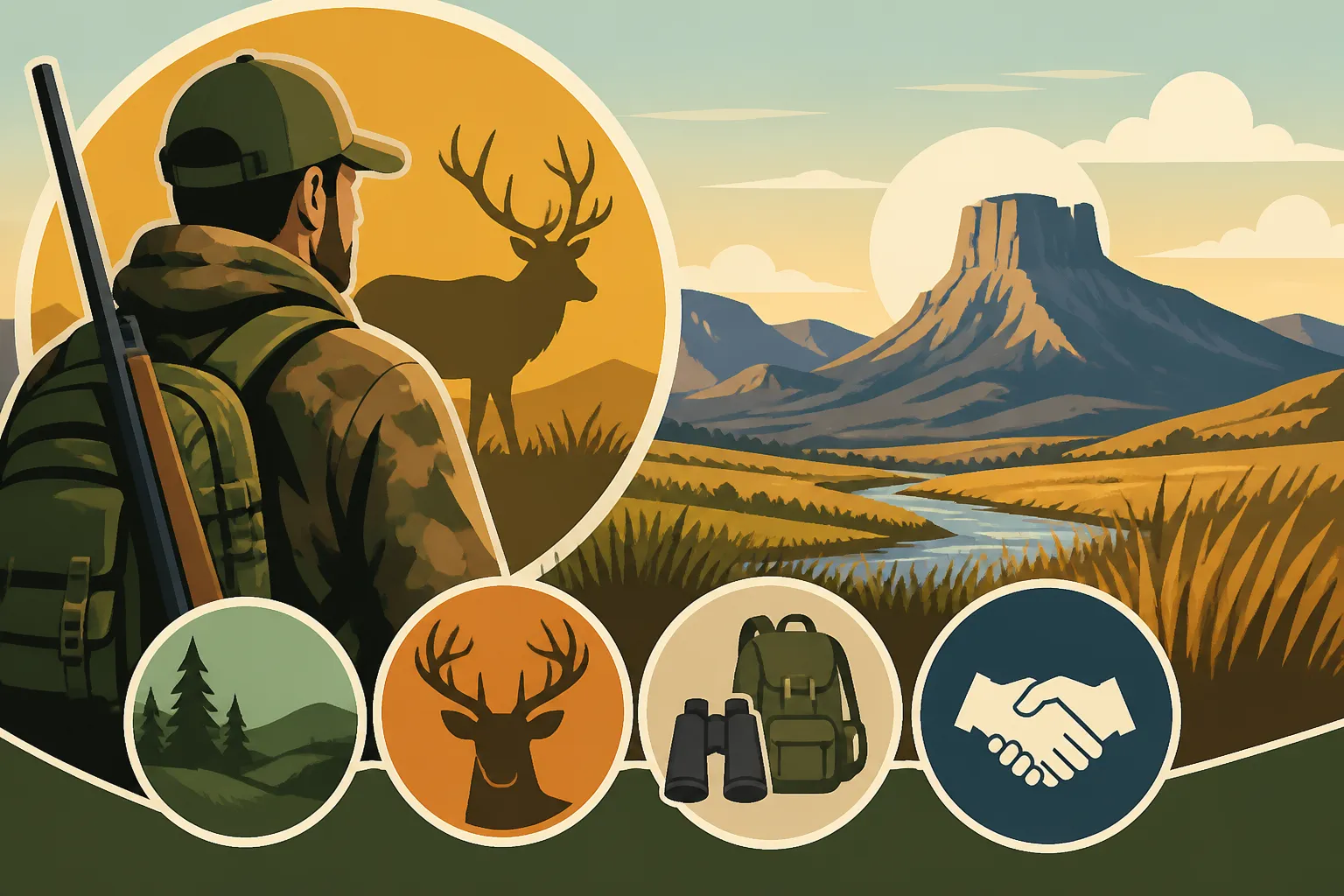
Glendive, situated in the heart of Eastern Montana, offers a hunting experience distinct from the rugged peaks and dense forests often imagined when one thinks of Big Sky Country. This region is characterized by vast plains, rolling badlands, and fertile river bottoms, particularly along the Yellowstone River. The species you'll primarily pursue here are different, and so are the tactics, which means the type of outfitter you'll need will also vary significantly.
Dominant Game Species in the Glendive Area
When you're looking at Glendive, you're mostly talking about deer and antelope. While elk are present in some areas of Eastern Montana, they are not the primary focus here in the way they are in the western mountains. This means outfitters in Glendive specialize in different quarry, and their setups reflect that.
For deer, you're primarily after whitetails that thrive in the lush river bottoms, using the thick cover of cottonwoods and brush to their advantage. You'll also find mule deer, which prefer the more open, broken country, the coulees, and the badlands. Antelope, with their incredible eyesight and speed, dominate the open prairie landscapes. An outfitter here will have deep knowledge of these specific habitats and the behavior of these animals. They're not going to be calling elk in dark timber; they'll be glassing vast expanses for antelope or still-hunting through riverine thickets for a big whitetail buck. If your heart is set on a Montana Elk Hunting Guide, Glendive might not be your best bet, but for a fantastic deer or antelope hunt, you're in the right place.
Terrain and Hunting Styles You Can Expect
The terrain around Glendive presents its own set of challenges and opportunities. The river bottoms, while flat, can be incredibly dense, requiring quiet movement and patience for still-hunting or stand hunting. Imagine slowly slipping through heavy cover, trying to catch a glimpse of a whitetail before it catches you. On the other hand, the plains and badlands demand extensive glassing, covering miles with your binoculars or spotting scope, searching for the tell-tale glint of an antelope horn or the distinctive shape of a mule deer buck bedded down.
Outfitters in this area will often utilize a combination of spot-and-stalk tactics for mule deer and antelope, and perhaps stands or ground blinds for whitetails, especially near agricultural fields or natural travel corridors. Unlike the high-country hunts where physical conditioning for elevation is paramount, here it's more about covering ground, often silently, and spending long hours glassing. You might be making long walks across seemingly flat but deceptively undulating terrain, or patiently waiting in a blind for hours. It's a different kind of physically demanding hunt.
The Realities of Booking an Outfitter in Eastern Montana
Booking an outfitter is a significant investment, and it's crucial to go into it with clear eyes, especially in a region like Glendive where the hunting experience can differ so much from the classic "Montana hunt" narrative. You need to understand what you're paying for, what services are typically included, and how to assess the quality of an operation.
Understanding Costs and Inclusions
The cost of a guided hunt in Eastern Montana, like anywhere, can vary widely based on the duration, species, level of service, and reputation of the outfitter. Generally, you can expect a guided hunt for deer or antelope in the Glendive area to be a significant expense. This fee typically covers the guide's service, transportation in the field, meals, and lodging. Some outfitters may also include caping and quartering of your animal, while others might charge extra for those services, or expect you to handle some aspects yourself.
It's vital to get a detailed breakdown of what is included and what isn't. Are licenses and tags included? (Usually not, you'll need to draw or purchase these separately). What about meat processing after the hunt? Taxidermy? Ammunition? All these "little" things can add up quickly. A good outfitter will provide a comprehensive list, leaving no stone unturned. Don't be shy about asking for specifics. You might be interested in Montana Guided Elk Hunt Cost for comparison, but remember, deer and antelope hunts will have their own pricing structures.
Vetting and Selecting a Glendive Outfitter
Finding a reputable outfitter is paramount. This isn't just about finding someone with good reviews; it's about finding the right someone for your specific hunting goals and style. Start by checking if the outfitter is properly licensed in Montana. This is non-negotiable. The Montana Board of Outfitters website is a great resource for this. Beyond licensing, look for outfitters who specialize in the species and hunting styles you're interested in. If you want to spot-and-stalk mule deer, don't pick an outfitter whose website only shows tree stand whitetail hunts.
Platforms like BookYourHunt can be a useful tool to browse different outfitters, see their offerings, and read client reviews. Similarly, GoHunt's forums and resources might offer insights or recommendations from hunters who have experience in the Glendive area. Pay close attention to recent testimonials and ask for references – and actually call those references. Ask about their experience, the success rates, the quality of the guides, the food, and the overall atmosphere. A reputable outfitter will be transparent and happy to provide references.
Types of Services Offered in the Glendive Region
Outfitters in the Glendive area typically offer a range of services tailored to the Eastern Montana environment:
- Fully Guided Hunts: This is the most comprehensive option. Your guide will be with you from dawn till dusk, leading you to hunting locations, helping with scouting, tracking, and field dressing. Lodge accommodations and meals are usually part of the package. This is ideal if you're new to the region or prefer a hands-off approach to logistics.
- Semi-Guided Hunts: This often means the outfitter provides a camp, meals, and general guidance on hunting areas, but you and your party do the actual hunting unguided in the field. This option can be more budget-friendly and suits hunters who want a bit more independence but still appreciate logistical support.
- Drop Camps: Less common in the open country around Glendive compared to mountainous regions, but some outfitters might offer variations for accessing more remote areas, though typically it's more a "drop-off and pick-up" service than a traditional pack-in camp.
- Private Land Access: Many Glendive outfitters have exclusive access or leases on private land, which can be a huge advantage for deer and antelope hunting in this region, as much of the desirable habitat is privately owned. This is where Montana Ranch Hunts Explained comes into play.
| Service Type | Description | Typical Inclusions | Ideal For |
|---|---|---|---|
| Fully Guided | Guide accompanies hunter throughout the hunt. | Guide, lodging, meals, field transportation, some field care. | First-timers, those seeking maximum assistance, or specific trophy hunts. |
| Semi-Guided | Outfitter provides camp/info, but hunter hunts independently in the field. | Lodging, meals, area orientation, possibly some transportation. | Experienced hunters, seeking cost savings, more independence. |
| Private Land | Access to exclusive hunting grounds. | Varies (often fully or semi-guided). | Hunters prioritizing exclusive access, higher success potential. |
Essential Questions to Ask Before Committing
Before you put down a deposit, you need to have a thorough conversation with any potential outfitter. These questions are designed to cover the critical details that can make or break your hunting experience, especially when dealing with the unique aspects of hunting near Glendive. Don't settle for vague answers; demand specifics.
Logistics and Accommodations
Understanding the practicalities of your stay is crucial. It’s not just about finding an animal; it’s about the entire experience, from where you lay your head to how you get around.
- What are the accommodations like? Are we talking about a cozy lodge, a comfortable cabin, or something more rustic? If it's a lodge, will you have a private room or shared bunkhouse? Are there showering facilities? What about cell service or Wi-Fi, if that's important to you?
- What kind of meals are provided? Will meals be prepared by a chef, or is it more of a self-serve situation? Will lunch be packed for the field? If you have dietary restrictions, can they be accommodated?
- How will we travel to and from hunting areas? Are ATVs, UTVs, or trucks used? How far are the hunting grounds from the lodge? This is important in Eastern Montana where properties can be vast and spread out.
- What's the typical daily schedule? When do we wake up? When do we head out? How long are we usually in the field? Understanding the rhythm of the hunt helps you physically and mentally prepare. You might get a better sense of daily operations by reading our Montana Backcountry Hunting Guide, even if Glendive is more plains-oriented, some core logistics will be similar.
Hunting Strategy and Success
This is where you dive into the nitty-gritty of the actual hunt. You want to align your expectations with what the outfitter can realistically deliver, particularly for the species you are targeting.
- What specific species will we be hunting? For Glendive, confirm if you'll be primarily focusing on Montana Mule Deer Hunting Guide, Montana Whitetail Deer Hunting Guide, or Montana Antelope Hunting Guide. If you have a preference, make sure it's the outfitter's focus.
- What are your primary hunting methods for my desired species? Will it be spot-and-stalk, still-hunting, ground blinds, or tree stands? Understanding this helps you prepare your gear and mental approach.
- What are your typical success rates for my target species, and what defines "success"? Be wary of outfitters who promise 100% success. A high opportunity rate is a good sign, but ethical hunting involves variability. Ask about harvest rates, and specifically what size animals their clients typically take. Are you looking for a trophy, or just a successful meat hunt? Clarify this with the outfitter.
- How do you handle wounded animals? This is a critical ethical question. A responsible outfitter will have a clear, dedicated protocol for tracking wounded game.
- What is the guide-to-hunter ratio? Will you have a dedicated 1-on-1 guide, or will one guide be overseeing multiple hunters? This can significantly impact your experience and personalized attention.
- What licenses and tags are required, and how do I apply for them? Outfitters should be able to guide you through the complex Montana draw system. They should be able to clarify details on Montana General vs Permit Tags Explained and direct you to the correct application processes and deadlines.
Post-Harvest Procedures and Contingencies
The hunt isn't over when the animal is down. Knowing what happens next is essential for proper meat care and trophy handling.
- What is the procedure for field dressing and packing out an animal? Who is responsible for this? Will the guide assist? How far might we have to pack it? For larger game like deer, especially in remote areas, this can be physically demanding.
- How is the meat handled after the harvest? Is there a cooler at camp? Do you have recommendations for local meat processors in Glendive or nearby? How long can meat be stored if needed? Keeping meat cool in Eastern Montana's early season can be a challenge. You might find our How to Keep Elk Meat Cool in Montana's Early Season helpful for principles, even if the species differ.
- What about caping and transport for a trophy? Can the outfitter prepare the cape for taxidermy? Can they help arrange shipment, or recommend a local taxidermist?
- What happens if I don't harvest an animal? Is there a contingency plan or any partial refund structure (though this is rare)? Some outfitters might offer a return discount for future hunts.
- What's your cancellation policy? Life happens. Understand what happens to your deposit if you have to cancel or reschedule.
Preparing for Your Glendive Hunting Adventure
Once you've chosen your outfitter and booked your hunt, the real work of preparation begins. This isn't just about physical fitness; it's about having the right gear, understanding the local conditions, and making sure all your permits are in order.
Physical Conditioning and Gear Essentials
While Glendive isn't the high-altitude mountaineering of Western Montana, it still demands physical readiness. You'll be walking miles, often through thick brush in river bottoms or across uneven prairie terrain, sometimes in challenging weather.
- Physical Preparation: Focus on cardiovascular endurance and leg strength. Long walks with a weighted pack (even if it's just your daypack) are excellent training. Simulate the kind of walking you'll do: through fields, up and down small hills, and across varied ground. Being able to sit still for extended periods in a blind also requires a certain kind of mental and physical discipline.
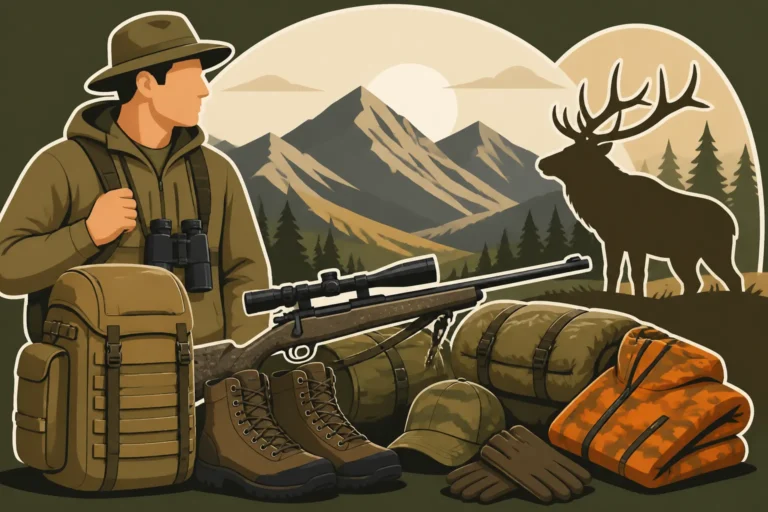
- Clothing: Layers are key in Montana, even in the East. Days can be warm, but mornings and evenings can be chilly, and weather can change rapidly. Think durable, breathable, scent-control fabrics if you're whitetail hunting. For open country, good camouflage that blends with plains and badlands vegetation is advisable. Rain gear is non-negotiable.
- Footwear: Comfortable, broken-in, waterproof hunting boots are paramount. You'll be covering a lot of ground, and wet, blistered feet can ruin a hunt faster than anything.
- Optics: High-quality binoculars and a spotting scope are indispensable for hunting the vast open country of Eastern Montana. You'll spend hours glassing for mule deer and antelope. A good rangefinder is also essential for accurate shots. Our Best Optics for Montana Big Game offers great advice.
- Weapon: Ensure your rifle or bow is sighted in and you're proficient with it at typical hunting distances for the species you're targeting. For antelope and mule deer on the plains, longer shots are often the norm, so practice accordingly. If you're a bowhunter, make sure your setup is tuned for Montana Elk Hunting: Archery Tactics, but apply those principles to deer and antelope.
Licenses, Tags, and Regulations
This is arguably the most critical administrative step. Montana's hunting regulations can be intricate, and a mistake here can mean missing your hunt entirely.
- Application Deadlines: Montana has specific deadlines for drawing nonresident tags, especially for popular species like deer and antelope. You must apply on time! Your outfitter should confirm these dates with you well in advance. Consider topics like Montana Combination License Application Timeline and Montana Antelope Application Timeline.
- License Types: Understand the difference between a general license (often part of a combination license) and a limited-entry permit. For many deer and antelope units in Eastern Montana, permits are required or significantly improve your chances of drawing a tag in desirable areas, or for antlered animals. The Montana Nonresident License Draw Explained will give you a comprehensive overview.
- Hunt Codes: Every hunting district and species combination has a unique hunt code. Double-check with your outfitter to ensure you are applying for the correct code for your planned hunt. Incorrect codes can lead to invalid applications.
- Hunter Education: If you were born after January 1, 1985, you are required to show proof of hunter education certification or participate in the apprentice hunter program. Make sure this is sorted out long before your trip.
- AIS Prevention Pass: Montana requires all watercraft, including canoes and kayaks (which might be used on river-bottom hunts), to have an Aquatic Invasive Species (AIS) Prevention Pass. While your outfitter might handle this for their equipment, be aware of it if you bring any of your own.
Managing Expectations and Flexibility
A successful hunt isn't always about punching a tag. It's about the experience, the challenge, and the time spent in the wild. Eastern Montana offers incredible opportunities, but it's still hunting, and things can go sideways.
- Weather Variability: Eastern Montana weather is notoriously unpredictable. Expect anything from warm, sunny days to cold, driving rain or even early snow. Be prepared for it all and be flexible with hunting plans if conditions dictate.
- Animal Movement: Wildlife doesn't always cooperate. Pressure from other hunters, changes in weather, or natural food sources can alter animal patterns. Your outfitter will do their best, but they can't control the animals. How Weather Moves Montana Elk principles can be applied to deer and antelope in the East as well.
- Enjoy the Journey: Focus on the challenge, the beauty of the landscape, and the camaraderie. A good outfitter will make sure you have a memorable trip, even if a trophy animal proves elusive. Sometimes the best stories come from the most unexpected twists.
Booking an outfitter for a Glendive hunt can be an incredible way to experience the unique hunting opportunities of Eastern Montana. By understanding the specific challenges and rewards of the region, asking the right questions, and thoroughly preparing, you'll set yourself up for an unforgettable adventure.
Disclaimer
This article is for general informational purposes only and does not constitute professional advice. Laws, prices and regulations vary by location and change over time. Consult a qualified professional for guidance on your specific situation.