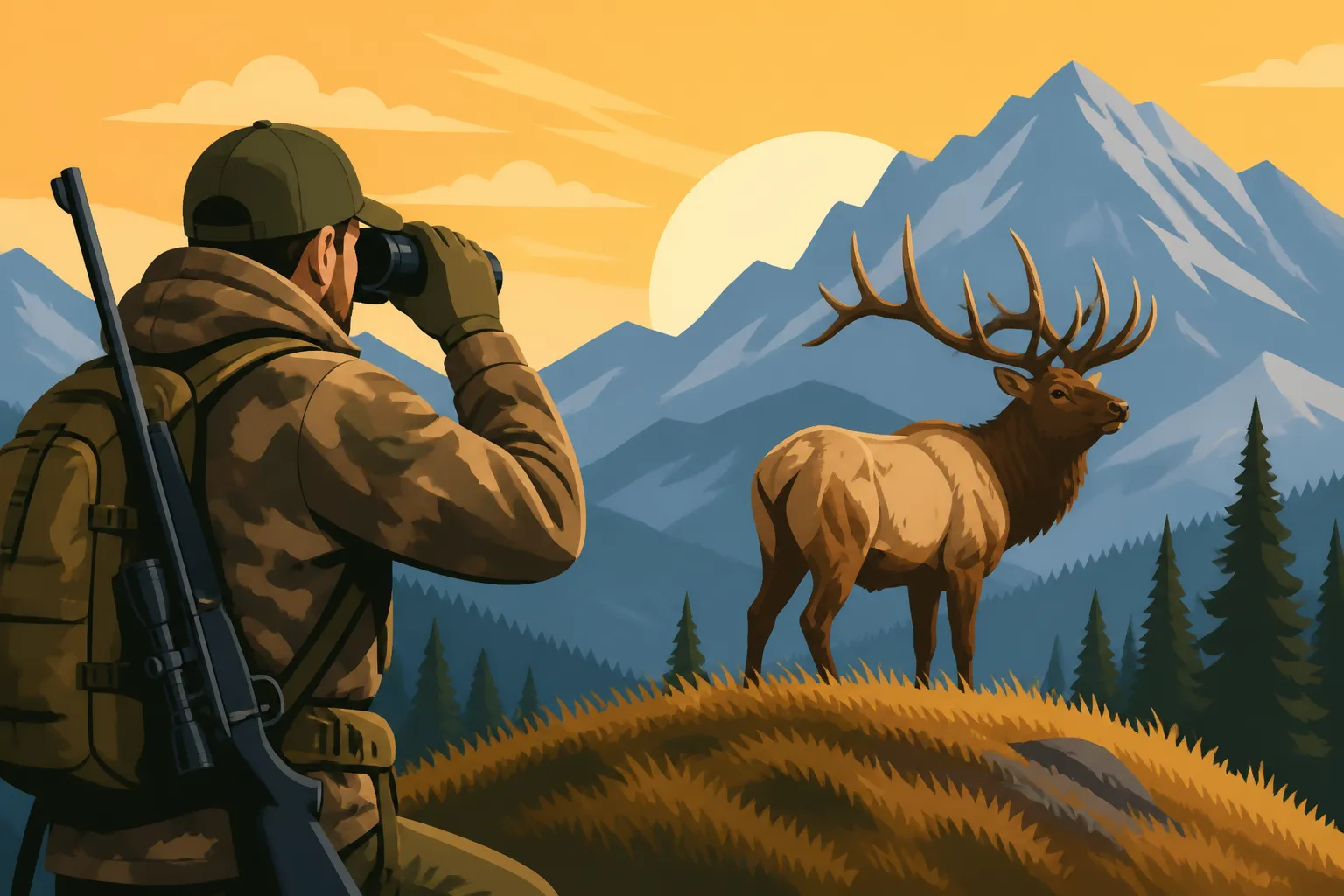
How to Hunt Elk in Montana
Hunting elk in Montana is a dream for many, but the reality can be incredibly daunting. From navigating vast public lands to deciphering complex regulations and understanding elk behavior in rugged terrain, it’s easy to feel overwhelmed before you even begin. This guide will cut through the confusion, providing a comprehensive, realistic roadmap to increase your odds of success on your next Montana elk hunt.
Understanding the Elusive Montana Elk
Before you even think about packing your bags, you need to develop a deep understanding of the animal you're pursuing. Elk are creatures of habit, yet remarkably adaptable, and their movements are heavily influenced by season, weather, pressure, and available resources.
Elk Biology and Seasonal Behavior
Elk are large, majestic animals, and understanding their basic biology is key to anticipating their movements. Montana is home to some impressive herds, and their life cycles dictate much of their behavior throughout the year. In spring, after the long winter, elk begin to move to lower elevations, cows preparing to calve. By summer, they're typically found higher up, enjoying lush feed and cooler temperatures in the high country, bulls growing their impressive antlers. This is a great time for shed hunting and scouting.
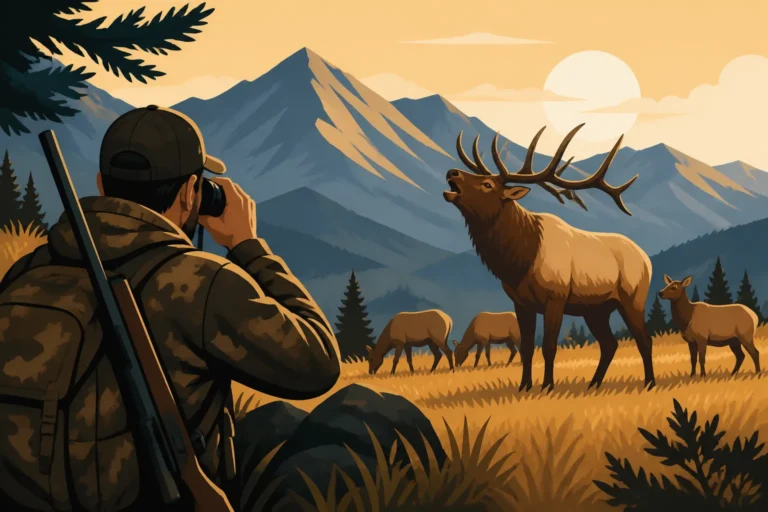
As fall approaches, the rut, or breeding season, is undeniably the most exciting time for many hunters. Typically peaking from mid-September to early October, this is when bull elk become highly vocal, bugling to challenge rivals and attract cows. Their focus on breeding makes them more vulnerable and responsive to calling. However, as the rut winds down, elk transition into their post-rut patterns, often becoming more reclusive and focusing on feeding to regain lost weight. Winter sees them migrating to lower, snow-sheltered areas where food sources are more accessible. Knowing these seasonal shifts is critical for planning your hunt. If you're planning an archery hunt, understanding how to hunt elk in Montana's early archery season can be a game-changer.
Preferred Habitat and Food Sources
Montana offers a vast array of habitats, and elk utilize nearly all of them, from dense timbered mountainsides to open sagebrush hillsides and river bottoms. Generally, you'll find elk in areas that provide a combination of dense cover for security, abundant forage, and readily available water sources. In the mountains, this often means north-facing slopes with dark timber for bedding, interspersed with south-facing slopes and open parks for feeding. Aspen groves, pine forests, and subalpine fir stands are common haunts.
Food sources vary by season. In spring and summer, they feast on lush grasses, forbs, and deciduous shrubs. As fall progresses, their diet shifts to more woody browse, conifer needles, and even acorns where available. Water is non-negotiable, and elk will often bed near springs, creeks, or wallows. Learning to identify these key habitat components and food sources through scouting, or even e-scouting Montana hunting units, will significantly improve your chances of locating animals.
Essential Strategies for Hunting Elk in Montana
Montana elk hunting demands versatility and resilience. There's no single "best" method, as conditions, terrain, and elk behavior constantly change. However, mastering a few core strategies will prepare you for various scenarios.
Scouting and E-Scouting Like a Pro
Effective scouting is the bedrock of a successful Montana elk hunt. This isn't just about showing up a week before the season; it’s an ongoing process. E-scouting, using tools like GoHunt's mapping features or other robust online platforms, allows you to analyze terrain, identify potential bedding and feeding areas, locate water sources, and pinpoint access points from the comfort of your home. Look for historical burn areas, clear-cuts, natural funnels, and subtle topographical features that might direct elk movement. Pay attention to private land boundaries and landlocked public parcels.
Once you have potential areas identified, boots-on-the-ground scouting is invaluable. Hike into those spots, looking for fresh sign: tracks, droppings, rubs on trees, and wallows. Set up trail cameras in key areas to get real-time intel on elk presence and patterns. If you're fortunate enough to live in Montana, regular weekend trips to your hunting district can provide irreplaceable knowledge. Even if you're a nonresident, utilizing tools that show public land hunting access and topography can help you focus your efforts. A dedicated approach to how to e-scout Montana elk before the season can drastically cut down on wasted time once you're in the field.
Hunting Methods and Tactics
Montana elk hunting methods Explained range from calling to spot-and-stalk, and often a blend of several.
- Calling Tactics: During the rut, calling can be incredibly effective. Mastering various calls—bugles, cow calls, and calf calls—allows you to communicate with elk. A strong, aggressive bugle can challenge a bull and draw him in, while subtle cow and calf calls can pique curiosity, especially in thick timber. Understanding how to call in a silent Montana bull is a skill that comes with practice. It's often a game of patience, knowing when to be aggressive and when to be subtle. Remember that over-calling can spook wary animals.
- Spot-and-Stalk: This method is highly effective in more open country or when targeting elk that aren't vocal. It involves using high-quality optics to locate elk from a distance, then carefully planning and executing a stalk to get within shooting range. This requires excellent judgment of distance, wind direction, and terrain. Learning how to glass Montana's big country is a skill that takes years to master but is crucial for this method. Stealth and patience are paramount.
- Ambushing and Still-Hunting: For those hunting outside the rut, or in areas with heavy timber and less visibility, ambushing elk on their travel routes or still-hunting through their bedding areas can be productive. Identify saddles, benches, creek crossings, and timber edges where elk frequently travel between bedding and feeding. Get into position before first light or late in the afternoon. Still-hunting involves moving extremely slowly and deliberately through timber, pausing frequently to observe, listen, and scan for any sign of movement. This tactic, when done properly, allows you to cover ground effectively while maintaining stealth. This is particularly effective when you understand how to move quietly through Montana timber.
No matter the method, always be mindful of the wind. An elk's nose is its most powerful defense, and if they catch your scent, the hunt is over.
Dealing with Hunter Pressure
Montana's public lands are vast, but they also draw a lot of hunters, especially during the general rifle season. Hunter pressure can change elk behavior quickly, pushing them into denser cover or more remote, harder-to-reach areas.
- Go Deeper: One of the most common pieces of advice is to simply outwork other hunters. This often means being willing to pack in further, away from roads and popular trailheads. Consider a Montana backcountry hunting guide if you're serious about escaping the crowds.
- Hunt Mid-Week: If possible, schedule your hunt to include weekdays, as weekend pressure is typically much higher.
- Utilize E-Scouting for Remote Access: Use satellite imagery and topographic maps from services like GoHunt to find obscure access points, or areas that require a difficult hike to get into. Often, small pockets of public land that are difficult to reach will hold elk that have been pushed out of more accessible areas.
- Hunt Different Habitats: While many hunters focus on timbered hillsides, consider hunting different types of terrain that might be overlooked, such as river bottoms (for whitetail, but sometimes elk too) or less obvious transition zones. Understanding how to hunt elk in Montana rifle season pressure is a critical skill for success.
Gear and Preparations for a Montana Elk Hunt
Montana is a rugged state, and its weather is notoriously unpredictable. Being properly equipped and physically prepared isn't just about comfort; it's about safety and increasing your chances of success.
Essential Gear for the Field
Your gear needs to be robust, reliable, and appropriate for the varied conditions you might encounter.
- Optics: High-quality binoculars (10×42 or 10×50), a spotting scope (15-45x or 20-60x), and a reliable rangefinder are non-negotiable. Good optics are how you locate elk and judge their antlers from a distance, especially when glassing expansive Montana terrain. Consider products from companies like Vortex Optics or Swarovski Optik, which offer excellent clarity and durability for big game hunting. See our guide on Best Optics for Montana Big Game.
- Backpack: A comfortable, load-bearing backpack (50-80 liters) is crucial, especially if you plan to pack out an elk. It needs to fit well, distribute weight efficiently, and have enough capacity for your day hunt essentials, emergency gear, and potentially game bags. Brands like Mystery Ranch or Kifaru are popular choices among serious elk hunters. For specific recommendations, check out the Best Backpack for a Montana Elk Hunt.
- Clothing System: Layering is key in Montana. You'll need moisture-wicking base layers, insulating mid-layers (fleece or synthetic puffy), and a waterproof/windproof outer shell. Temperatures can swing wildly from freezing mornings to warm afternoons, and rain or snow can appear without warning. Merino wool is an excellent choice for its warmth-to-weight ratio and odor-fighting properties. Brands like Sitka Gear and Kuiu offer high-performance hunting apparel designed for demanding conditions.
- Footwear: Your feet are your most important tool. Invest in high-quality, broken-in hunting boots that are waterproof, supportive, and provide excellent traction. Whether you prefer stiffer mountaineering boots for steep terrain or more flexible hiking boots for rolling hills, ensure they are comfortable for miles of walking. Our article on the Best Boots for Montana Elk Hunting has detailed recommendations.
- Navigation: A reliable GPS device or a smartphone with a robust hunting app (like onX Hunt, which GoHunt often integrates with for unit data) is essential. Carry a physical map and compass as a backup. Knowing how to use these tools can prevent you from getting lost in unfamiliar territory.
Here's a quick reference for essential gear:
| Category | Key Items | Notes |
|---|---|---|
| Optics | Binoculars (10×42+), Spotting Scope, Tripod, Rangefinder | Crucial for locating and judging elk in vast landscapes. |
| Backpack | 50-80 Liter Load-Hauler, Day Pack | Essential for carrying gear and packing out meat. Look for comfortable, durable options. |
| Clothing | Layering System (Base, Mid, Outer), Rain Gear, Warm Hat, Gloves | Adapt to extreme weather swings; focus on moisture-wicking and insulation. |
| Footwear | Waterproof, Supportive, Broken-in Hiking/Hunting Boots, Gaiters | Protect your feet – they're your primary mode of transport. |
| Navigation | GPS Device/App (onX Hunt), Paper Map, Compass, Power Bank | Don't get lost; have redundant navigation tools. |
| Shelter/Sleep | Lightweight Tent/Bivy (if backcountry), Sleeping Bag, Pad | Only if planning overnight trips; prioritize packability and warmth. |
| Safety | First-Aid Kit, Satellite Messenger (Garmin inReach), Bear Spray, Headlamp | Non-negotiable for emergencies and unexpected situations. |
| Hunting Tools | Rifle/Bow, Ammo/Arrows, Knife, Game Bags, Wind Checker, Calls | Your primary hunting equipment and field dressing essentials. |
Physical and Mental Preparation
Elk hunting in Montana is physically demanding. You’ll be covering miles over steep, uneven terrain, often at high elevations. Start an exercise regimen months in advance focusing on cardio, strength training (especially legs and core), and hiking with a weighted pack. There are many great resources online, including articles like Montana Elk Hunt Fitness Plan, that can help you structure your training. Don't underestimate the mental toughness required either; long days, frustrating stalks, and dealing with unpredictable weather can take a toll. Cultivate patience, persistence, and a positive attitude.
Navigating Montana's Regulations and Public Land
Montana's hunting regulations can seem like a labyrinth, especially for nonresidents. Understanding the licensing system, draw processes, and public land access is paramount.
Understanding Montana's Licensing and Draw System
Montana operates a complex draw system for nonresident hunters, especially for the coveted combination licenses that include elk and deer. Nonresidents typically apply for the Big Game Combination, Elk Combination, or Deer Combination licenses. These licenses are limited and highly sought after, often requiring applicants to build preference points over several years to increase their draw odds. Familiarize yourself with how Montana preference points work and how Montana bonus points work. The application deadlines are typically in March, so planning ahead is critical.
- Preference Points: These are used for the general combination licenses (Big Game, Elk, Deer). Each year you apply and are unsuccessful, you can purchase a preference point. The more points you have, the better your chance of drawing.
- Bonus Points: These are used for specific limited-entry permits (e.g., specific elk districts that require an additional permit beyond your general license). Bonus points are essentially lottery tickets; each point gives you an additional chance in the draw.
The Montana FWP website is your official source for all regulations, season dates, and application information. Many hunters also use services like GoHunt's Insider platform for detailed draw odds data, unit breakdowns, and application strategies to help decipher the complexities. Understanding Montana general vs permit tags explained is also crucial for making informed choices.
Public Land Access and Regulations
Montana is renowned for its vast expanses of public land, including National Forests, BLM land, and State Trust Land. However, access can be complicated.
- National Forests and BLM: These lands are generally open to hunting, but always check for specific closures, restrictions, or special management areas. Access roads might be closed seasonally.
- State Trust Land: These lands are managed by the Department of Natural Resources and Conservation (DNRC) and generally require a State Land Use License for hunting, in addition to your regular hunting license. There can be specific rules or limitations for vehicle access and camping.
- Block Management Areas (BMAs): The Block Management Program is a unique and fantastic program that provides public hunting access to private lands, as well as some isolated public land parcels, through agreements with landowners. These areas have specific rules and regulations regarding access, hunter numbers, and sometimes require sign-in or check-in procedures. Learning how to use Block Management for DIY hunts can unlock incredible opportunities. Make sure to check the FWP website for BMA maps and regulations each year, as they can change.
Always respect private property boundaries, even if they are unfenced. Use a reliable mapping application to know exactly where you stand. Remember, ethical hunting and good land stewardship are paramount to preserving these opportunities for future generations.
Disclaimer
Always consult the official Montana Fish, Wildlife & Parks (FWP) regulations for the most current and accurate information regarding seasons, licenses, and specific district rules. This guide provides general information and should not be used as a substitute for official FWP publications.