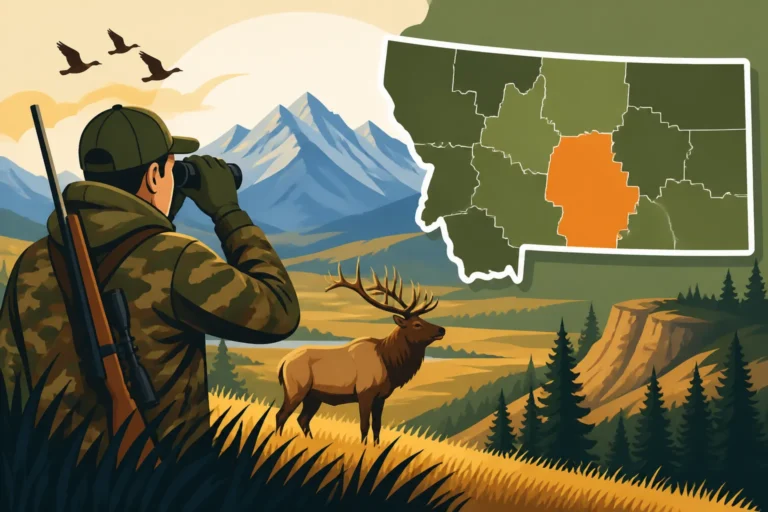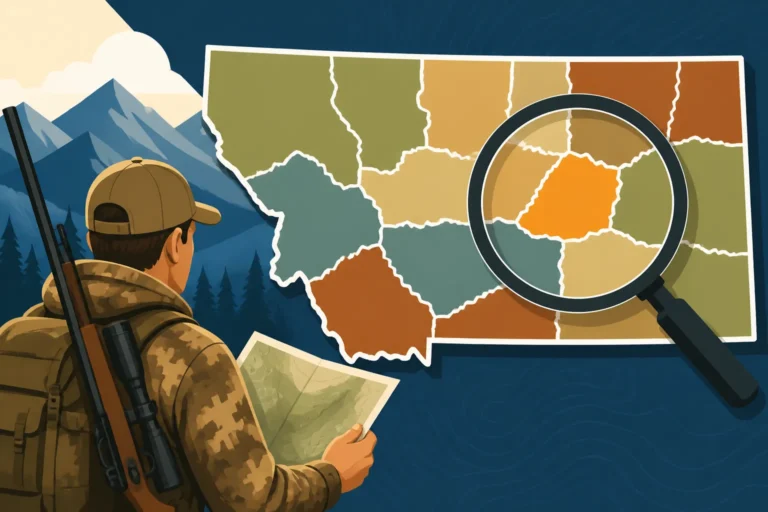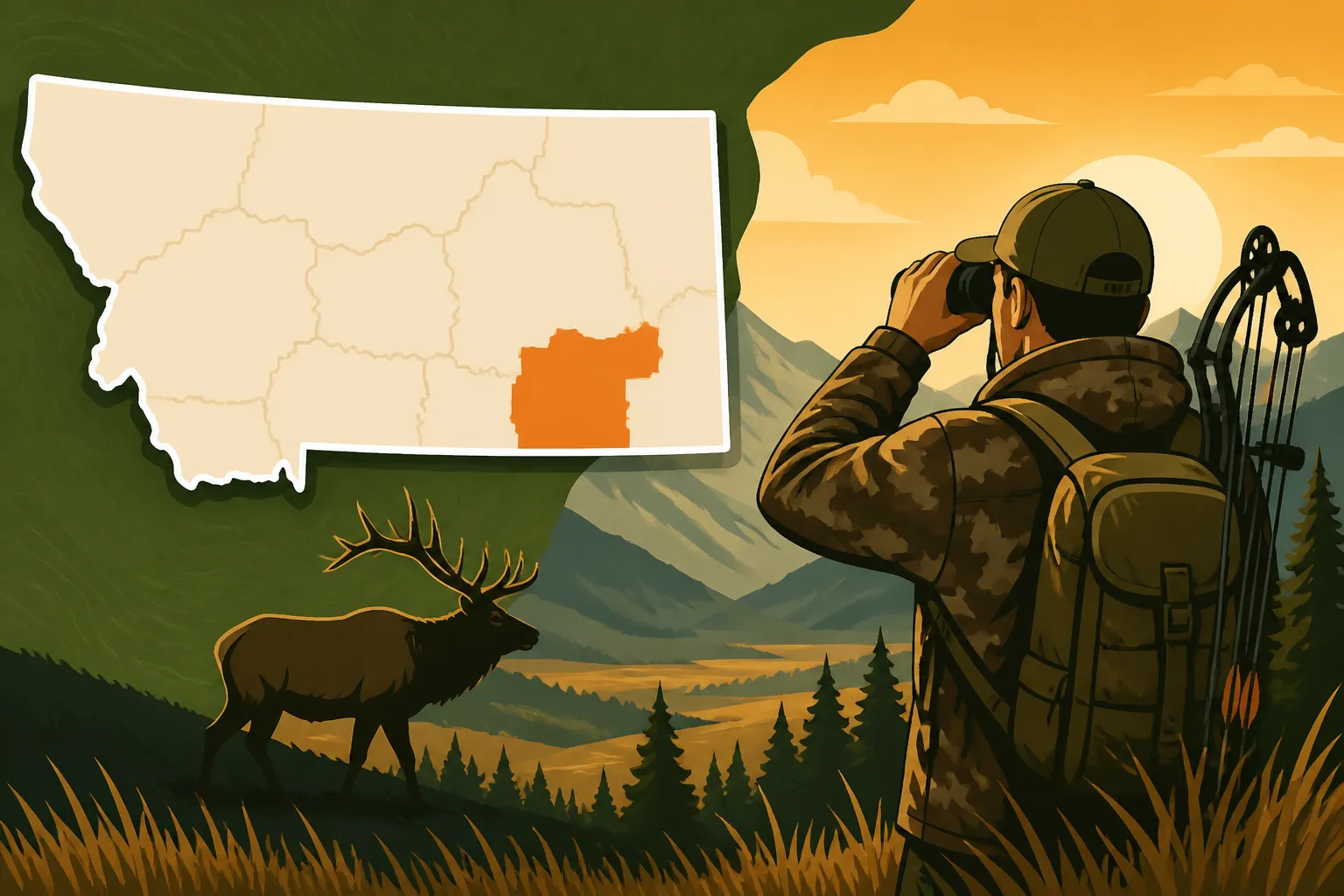
Montana Hunting District 441 Overview
Hunting in Montana offers an incredible, often challenging, experience, and pinpointing the perfect hunting district can feel like deciphering an ancient map. Many hunters, especially those new to Big Sky Country or considering a new unit, struggle to find truly detailed, practical information beyond the basic regulatory summaries for specific hunting districts. This comprehensive guide aims to illuminate Montana Hunting District (HD) 441, providing an in-depth look at its unique landscape, the game species it holds, critical access information, and effective strategies to help you plan a successful hunt.
Understanding Montana Hunting District 441's Landscape
Montana Hunting District 441 is a fascinating blend of diverse terrain, situated in a compelling region of the state that offers both rugged mountain experiences and more accessible foothill opportunities. It’s a unit that demands versatility from its hunters, rewarding those who take the time to truly understand its geographical nuances.
Geographical Location and General Terrain
HD 441 primarily lies within Montana Fish, Wildlife & Parks (FWP) Region 4, specifically encompassing significant portions of Meagher and Park counties. If you look at a map, you'll find it nestled between two iconic mountain ranges: the dramatic, often snow-capped peaks of the Crazy Mountains to the east and the equally impressive Bridger Range to the west. This geographical positioning immediately tells you that this isn't just one type of country. The district dips into the sprawling Shield River valley, which cuts through the landscape, offering riparian corridors and agricultural bottomlands.
Further afield from the river, the terrain transitions into rolling foothills, often dotted with juniper, ponderosa pine, and open sagebrush flats. As you push deeper into the Crazy Mountains or closer to the Bridgers, the elevation rises sharply, giving way to dense conifer forests of Douglas fir, lodgepole pine, and spruce, eventually opening into high alpine basins above timberline. This mosaic of environments—from river bottoms to vast plains, foothills, and towering mountains—means a hunter in HD 441 needs to be prepared for anything, both in terms of physical challenge and hunting strategy. It’s a district that truly embodies the wild diversity Montana is famous for.
Climate, Vegetation, and Elevation Ranges
The elevation within HD 441 varies dramatically, influencing everything from vegetation to animal behavior throughout the year. At its lowest points, along the Shield River, elevations can hover around 4,500 to 5,000 feet. From there, the land climbs steadily, reaching well over 10,000 feet in the highest reaches of the Crazy Mountains. This significant elevation gradient is the primary driver of the district's diverse vegetation zones.
In the lower elevations, you’ll encounter expansive grasslands and sagebrush steppe, providing crucial winter forage and cover for deer and antelope. As you ascend into the foothills, mixed conifer and aspen stands become more prevalent, creating important transition zones for elk and deer. Higher still, dense forests of lodgepole pine, subalpine fir, and Douglas fir offer deep cover and thermal protection, especially for elk seeking refuge from hunting pressure. Above the timberline, rugged alpine tundra and rock fields provide summer range for some hardy species. The climate follows this elevation pattern: summers can be warm and dry in the valleys, while higher elevations remain cooler. Winters are typically long and severe, bringing substantial snowpack that often dictates animal migration patterns, pushing elk and deer down to lower, more accessible wintering grounds. Understanding these seasonal shifts and how they impact game movement is absolutely critical for anyone planning a hunt in HD 441.
Prime Game Species and Hunting Opportunities in HD 441
Hunting District 441 holds a variety of big game species, making it an attractive option for hunters looking for diverse opportunities. While it might not be exclusively known as a "trophy unit" for every species, it consistently offers solid prospects for a rewarding hunting experience, especially for elk and deer.
Elk Hunting Prospects
For many, Montana means elk, and HD 441 certainly plays its part in that allure. This district maintains a healthy, albeit often challenging, general elk population. While drawing a coveted bull permit in a limited entry unit might be tough, HD 441 is generally open to those holding a valid general elk tag as part of a Montana Elk Hunting Guide strategy. The elk here are masters of their environment, frequently found using the dense timber and rugged topography of the Crazy Mountains and the higher, timbered reaches of the Bridger foothills.
Early archery season, which coincides with the tail end of summer and the beginning of the rut, can see elk in high alpine basins, feeding on lush mountain grasses before the snow forces them down. As the season progresses into the Montana General Rifle Season Dates, elk tend to retreat further into the thickest cover, making still-hunting or methodical tracking in timber incredibly effective. Hunters should be prepared for significant physical exertion, as success often means getting away from roads and into the steeper, more remote areas where elk feel secure. Patience, good optics, and an understanding of elk behavior under pressure are paramount. Don't expect easy access or guaranteed success; this is a unit where the harvest is earned through hard work and determination.
Deer Hunting for Mule Deer and Whitetail
HD 441 provides opportunities for both species of deer, though their preferred habitats within the district are quite distinct. This allows hunters to target either species based on their preference and the type of terrain they enjoy hunting.
Mule deer in HD 441 typically inhabit the more open, sagebrush-covered slopes and foothills, especially in the areas bordering the mountains and plains. They utilize the natural draws, coulees, and scattered patches of timber for cover, bedding, and travel. Hunters pursuing mule deer will often employ spot-and-stalk tactics, using high-quality optics to meticulously glass vast expanses of country during the early morning and late evening hours. Understanding their movement patterns from bedding areas to feeding grounds, especially during the rut, can be key to success. For comprehensive advice, consult our Montana Mule Deer Hunting Guide.
Whitetail deer, on the other hand, are almost exclusively found in the dense riparian corridors along the Shield River and its various tributaries that snake through the district. These river bottoms provide rich food sources, thick cover, and agricultural fields that whitetails thrive in. Hunting whitetail here often involves still-hunting slowly and quietly through the river bottom thickets, focusing on pinch points, crossings, and areas of dense willow and cottonwood stands. Setting up a ground blind or a tree stand overlooking a well-used trail or food source can also be incredibly effective, especially during the peak of the rut. If you're planning to focus on whitetails, our guide on How to Hunt Whitetail in Montana River Bottoms offers specific tactics for this environment.
Other Species and Considerations
While elk and deer are the primary draws for HD 441, the district does offer limited opportunities for other game species, adding to its appeal for a diverse hunting experience.
Black bear can be found in the timbered mountainous regions of the district, particularly in the spring when they emerge from hibernation and in the fall when they are gorging on berries and other mast crops to prepare for winter. Hunting black bear often involves glassing clear cuts and south-facing slopes in spring or still-hunting dense timber in fall. It's important to check the specific season dates and regulations for black bear, as they can vary annually and by region.
For those looking for a different kind of challenge, upland bird hunting is also an option. Blue grouse, ruffed grouse, and spruce grouse inhabit the various timber types throughout the district, particularly in the higher elevations. These hunts offer a break from big game pursuits and can be a rewarding way to experience the diverse ecosystems of HD 441. While not a premier antelope unit, some fringes of the district, particularly where it transitions to more open plains, might offer incidental antelope opportunities on adjacent private land or specific public parcels, though dedicated antelope hunters might find better success in more traditional eastern Montana units. Always check the most current FWP regulations for any specific permit requirements or season restrictions for these secondary species.
Navigating Public Access and Effective Hunting Strategies
One of the biggest hurdles for any hunter, particularly in Montana, is figuring out access. HD 441 is a mixed bag of public and private land, making strategic planning and the use of modern mapping tools essential for a successful hunt.
Public Land Access Points and Challenges
Hunting District 441 contains a substantial amount of public land, primarily within the Gallatin National Forest, which covers much of the higher elevation, rugged terrain on both the eastern (Crazy Mountains) and western (Bridger Range) sides of the district. These national forest lands offer vast opportunities for solitude and unpressured game, especially for those willing to venture deep into the backcountry. However, gaining access to these public lands isn't always straightforward.
You'll often encounter a checkerboard land ownership pattern, particularly in the foothills and valley areas, where public parcels are interspersed with private ranches. This can create "landlocked" public lands that are difficult, if not impossible, to access legally without crossing private property or specific easements. This is precisely where cutting-edge mapping applications like onX Hunt become absolutely indispensable. With onX Hunt, you can clearly visualize property boundaries, identify private land, state lands, and federal lands, and find legal access points, including potential easements or roads that may lead to public ground. Always double-check property lines in the field, as technology can sometimes have slight discrepancies, and respect all private property. For more general advice on navigating public lands, our Montana Public Land Hunting Guide is a great resource.
Utilizing Block Management Areas (BMAs)
Montana's Block Management Program is a cornerstone of public hunting access on private lands, and HD 441 often benefits from this incredible initiative. Block Management Areas (BMAs) are private properties where landowners have voluntarily entered into agreements with Montana FWP to allow public hunting access, typically for specific species and under certain rules.
The availability, size, and specific regulations for BMAs can change annually, so it's absolutely crucial to check the FWP website for the most current Block Management Guide or use tools like onX Hunt, which often integrate BMA boundaries and rules directly into their maps. Some BMAs might be "Type 1," requiring only a sign-in at a kiosk, while others are "Type 2," requiring hunters to contact the landowner or FWP staff for permission prior to hunting. These areas can be goldmines, providing access to prime whitetail habitat along creek bottoms, or serving as vital corridors to reach larger public tracts. They can also offer excellent opportunities for mule deer in foothill settings. Integrating BMAs into your hunt plan, particularly if you’re targeting deer in more accessible areas, can significantly increase your success odds. Learn more about these valuable areas in our Montana Block Management Areas Explained guide.
Recommended Hunting Tactics for HD 441
The diverse terrain of HD 441 calls for a flexible and adaptable approach to hunting tactics. No single method will guarantee success across all environments or species found here.
For elk, particularly during the rifle season when pressure is highest, still-hunting through dense timber is often the most productive strategy. Elk will seek refuge in the darkest, thickest cover, often on north-facing slopes, and moving slowly and quietly through these areas, paying meticulous attention to wind direction, can lead to close-range encounters. Our guide on How to Still-Hunt Montana Timber provides excellent detail on this technique. During the archery season, especially early in the rut, locating bugling bulls and setting up calling sequences can be thrilling, but be prepared for physically demanding hunts in steep terrain.
Mule deer hunting in the more open foothill country typically involves extensive glassing. Finding a good vantage point, ideally with the sun at your back, and systematically scanning hillsides, draws, and brush patches with high-quality binoculars or a spotting scope is key. Once deer are spotted, a careful spot-and-stalk approach is necessary, utilizing terrain features to remain concealed. Whitetail hunting in the river bottoms is often a game of patience and stealth. Understanding deer movement patterns between bedding cover and feeding areas, and positioning yourself accordingly, either by still-hunting or from a stationary blind, is effective. Always consider how thermals (air currents that rise and fall with temperature changes) and prevailing winds will affect scent dispersal, especially in mountainous or riparian environments, as this can make or break a stalk.
Planning Your Hunt and Navigating Regulations in HD 441
Effective planning is the bedrock of any successful hunt in Montana, and HD 441 is no exception. From understanding tag requirements to utilizing modern e-scouting tools, a well-thought-out strategy will greatly enhance your experience.
Understanding Tag Requirements and Draw Odds
Before you even think about setting foot in HD 441, you need to understand the tag requirements. For elk, non-residents typically need to draw a Montana Elk Combination License or a Big Game Combination License to hunt general elk, which is what HD 441 primarily offers. Residents will use their general elk tag. For deer, a general deer license usually covers both mule deer and whitetail in this district. However, it's crucial to be aware of any specific "B" licenses for antlerless deer or limited-entry permits that might exist for certain parts of or adjacent to HD 441, as these often have their own draw processes and deadlines.
Draw odds, especially for specific special permits that might allow access to adjacent, more desirable areas or specific antlerless opportunities, can be extremely competitive. Resources like GoHunt offer detailed insights into historical draw odds and application strategies, which are invaluable for both residents and non-residents trying to maximize their chances. You'll want to differentiate between the general tags that allow you to hunt HD 441 and any special permits that might be more restrictive or highly sought after. Understanding Montana General vs Permit Tags Explained is a fundamental step in your application process.
Essential E-Scouting and In-Season Resources
In today's hunting world, e-scouting is not just a luxury; it's a necessity. For HD 441, starting your homework long before you hit the field will pay dividends. Begin by thoroughly examining detailed satellite imagery, topographic maps, and land ownership overlays using platforms like onX Hunt. Identify potential bedding areas (often dense timber on north-facing slopes), feeding grounds (clear cuts, recent burns, agricultural fields, or open meadows), water sources, and natural travel corridors like saddles and drainages. Look for historical animal sign, such as wallows or rubs, if available on your maps, and consider how changing weather patterns will influence game movement.
Beyond pre-season e-scouting, in-season resources are also helpful. While you shouldn't rely solely on them, local FWP offices can sometimes provide general updates on snow levels, access conditions, or herd movements. However, the most reliable "in-season" resource will always be your own boots-on-the-ground scouting, observing fresh sign, and adapting your strategy to real-time animal behavior. Pairing your How to E-Scout Montana Hunting Units knowledge with practical field experience will be your most potent weapon.
Logistics, Lodging, and Local Services
Planning the logistics of your hunt in HD 441 is as important as your hunting strategy. The district is within reasonable driving distance of several small towns like Wilsall and Ringling, which offer very basic services. Larger towns like Livingston and Bozeman are also relatively accessible, especially from the western side of the district, and offer a full range of amenities including gas, groceries, restaurants, hotels, and professional meat processors.
For lodging, you have options ranging from motels in nearby towns to private cabin rentals, or more primitive camping opportunities within the Gallatin National Forest. For those aiming for a true backcountry experience, packing into the more remote wilderness areas with a spike camp is often the most effective way to hunt unpressured game. However, remember to be entirely self-sufficient in these areas. Always ensure you have sufficient fuel, water, food, and emergency supplies for the duration of your trip. Services for meat processing can be found in larger towns, but planning how you will get your harvested animal out of the field and to a processor (or process it yourself) is a critical consideration. Don't underestimate the time and effort required to pack out an elk or deer, especially from rugged mountain terrain.
| Species | Primary Habitat | Common Tactics | General Tag/Permit Type | Key Considerations |
|---|---|---|---|---|
| Elk | Dense timber, high alpine basins, riparian | Still-hunting, calling, spot-and-stalk | General Elk (Combo License) | Requires physical fitness, patience, often remote access |
| Mule Deer | Open slopes, sagebrush foothills, broken draws | Extensive glassing, spot-and-stalk | General Deer (Deer License) | Good optics crucial, understand terrain for stalks |
| Whitetail Deer | River bottoms, thick riparian corridors | Still-hunting timber, stand/blind hunting | General Deer (Deer License) | Focus on creek systems, pinch points, scent control |
| Black Bear | Timbered mountains, berry patches | Spot-and-stalk, still-hunting | General Bear (Bear License) | Check spring/fall dates, regulations |
| Upland Birds | Various timber types, brushy areas | Walk-up, flushing with dogs | Upland Bird License | A good supplementary hunt, requires scouting |
Disclaimer
Please note that hunting regulations, season dates, and access programs like Block Management can change annually. While this guide provides a comprehensive overview of Montana Hunting District 441, it is essential to always consult the most current Montana Fish, Wildlife & Parks (FWP) regulations before planning and executing your hunt. FWP is the definitive source for all legal requirements and updates.