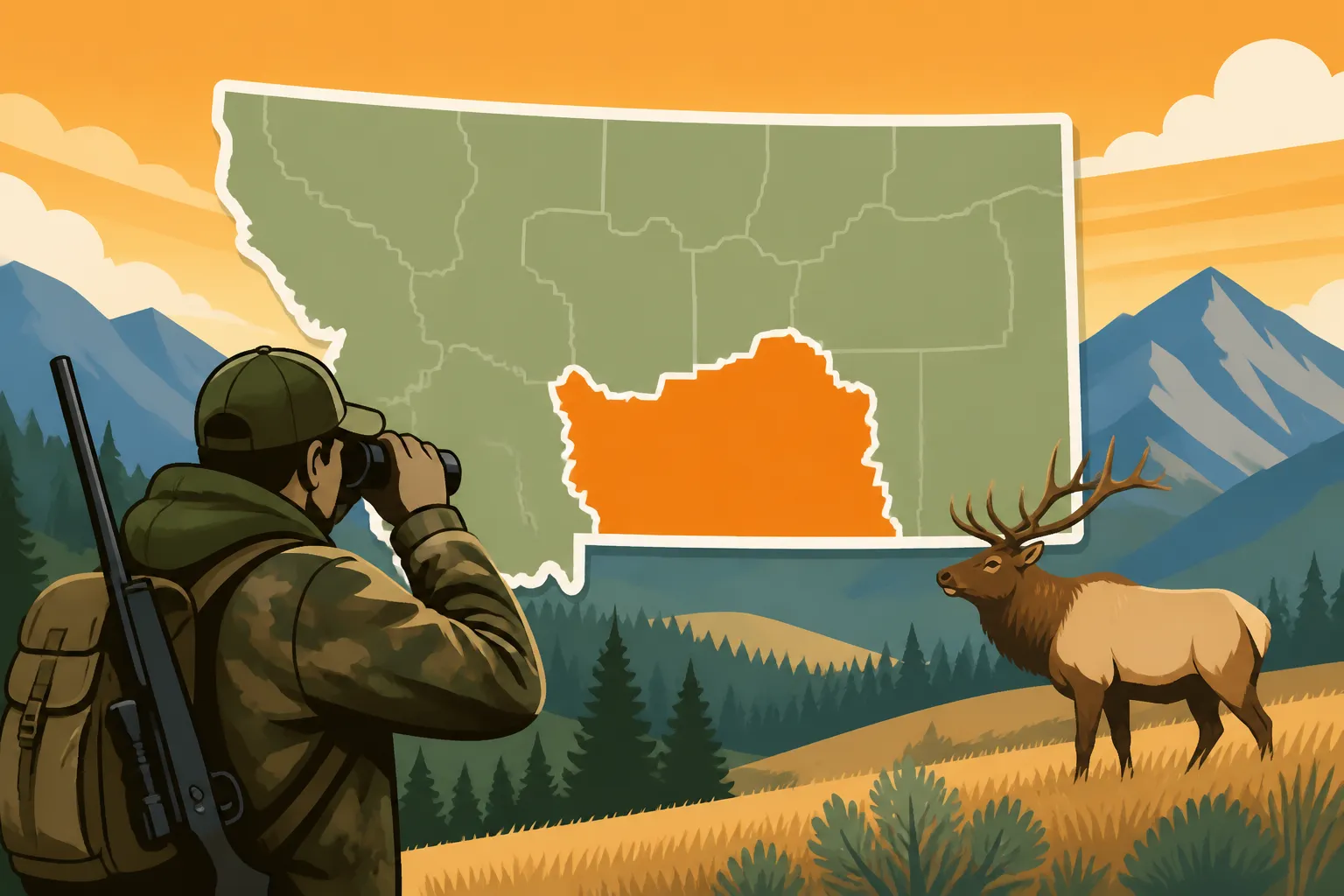
Montana Hunting District 590 Overview
Navigating the vastness of Montana's hunting landscape can feel like an immense undertaking, especially when you start drilling down into specific hunting districts. Each district holds its own secrets, challenges, and unique opportunities, and understanding these nuances is critical for a successful hunt. This guide will provide a thorough overview of Montana Hunting District (HD) 590, helping you comprehend its geography, wildlife, access, and what you'll need to know before you ever set foot there.
Unpacking Montana Hunting District 590: Location and Landscape
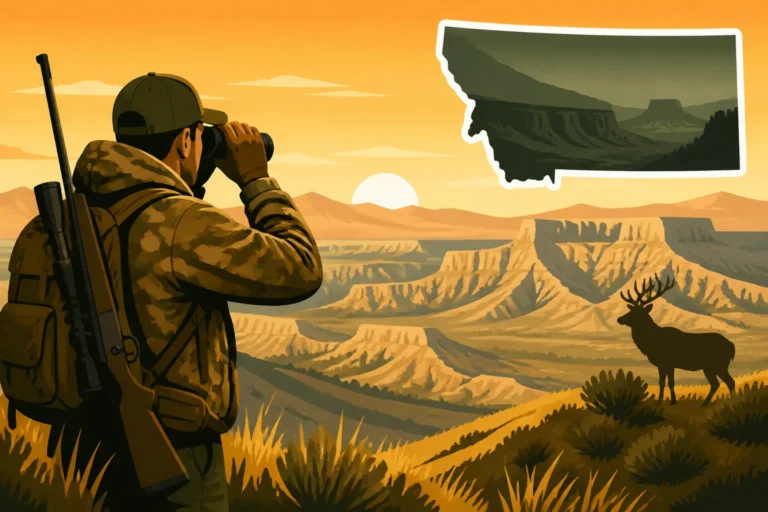
Hunting District 590 is nestled in Central Montana, primarily within FWP Region 5. It's an area that truly embodies the term "prairie breaks," offering a captivating blend of open grasslands, deeply carved coulees, and significant river bottom habitat. It stands as a distinct contrast to the soaring mountain ranges often associated with Montana hunting, yet provides equally thrilling opportunities for those who understand its terrain.
Geographic Footprint and Major Features
Geographically, HD 590 lies roughly north and northeast of the city of Billings, extending east from near Lewistown. Key towns and communities in or bordering the district include Roundup, Lavina, and Melstone. This district is defined by its extensive, rolling prairie lands interspersed with a complex network of draws, drainages, and broken badlands that feed into larger river systems.
The most prominent geographic feature threading its way through HD 590 is undoubtedly the Musselshell River. This crucial waterway and its many tributaries create a lifeblood for wildlife, carving out riparian corridors lined with cottonwood trees, dense brush, and valuable cover in an otherwise open landscape. These river bottoms are often the prime locations for certain species and offer a stark difference from the surrounding sagebrush flats.
Understanding the Habitat Mosaic
The diverse landscape of HD 590 creates a rich mosaic of habitats, each supporting different species. The vast, open grasslands, characterized by native grasses and sagebrush, are the undisputed domain of the pronghorn antelope. These speedy creatures thrive in the unobstructed views, using their incredible eyesight to detect danger from afar.
As you move into the more broken country, the rolling hills give way to steep coulees and draws, often timbered with Ponderosa pine, juniper, and various brush species. These pockets of cover provide essential refuge for mule deer, especially during the colder months or when hunter pressure increases. The broken terrain offers concealment and escape routes, making these areas prime for still-hunting or spot-and-stalk tactics.
Along the Musselshell River and its associated drainages, the habitat shifts dramatically. Here, dense cottonwood groves, willows, and thickets create ideal conditions for whitetail deer. These areas, often adjacent to agricultural fields, provide both food and cover, allowing whitetails to flourish. While elk are not as ubiquitous here as in Montana's western mountains, they do utilize the larger, timbered breaks and river bottom complexes, often moving between public and private lands depending on pressure. This dynamic interplay of grassland, broken country, and riparian zones is what makes HD 590 so interesting and challenging to hunt.
Hunting Opportunities in District 590: Game Species and Seasons
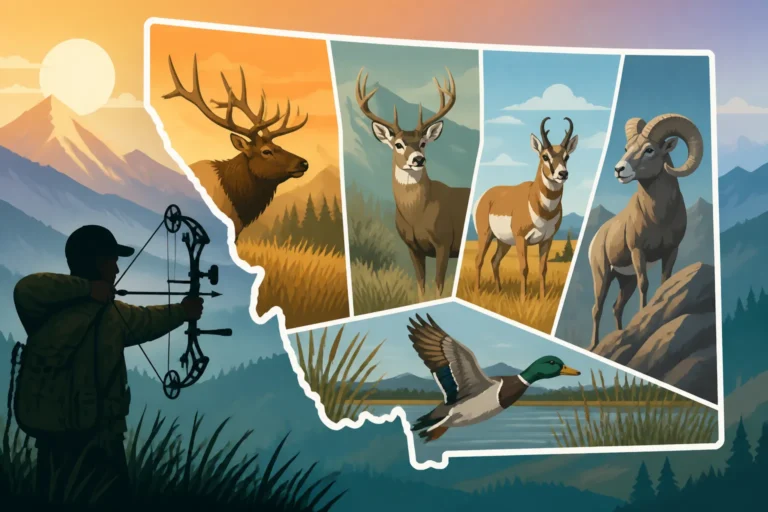
HD 590 offers a variety of hunting opportunities, primarily for deer and antelope, but with elk present for those willing to work for them. Understanding the seasons and species-specific behaviors is paramount to planning a successful trip here.
Elk Hunting Prospects and Challenges
When it comes to elk in HD 590, hunters need to manage their expectations. Unlike the high-country havens, this district is generally considered a "General Elk Hunting District," meaning a standard Montana general elk tag is often valid. However, always double-check the current year's FWP regulations for specific details, as antlerless B licenses or archery-only restrictions can vary. While elk are present, their populations are typically lower and more scattered than in the mountainous regions. These elk are often found in the more rugged, timbered breaks or on larger private land holdings where they seek refuge from pressure.
Hunting public land elk in HD 590 can be a real grind. The animals quickly learn to avoid roads and human activity, often moving to vast private ranches or utilizing the deepest, most inaccessible public land pockets. Success here often hinges on extensive scouting, understanding elk movement patterns, and being prepared for a long haul. Hunters will likely employ Montana Elk Hunting: Spot-and-Stalk Tactics or aggressive calling if they can locate animals during the rut. The general rifle season can see significant pressure, pushing elk even further into hiding. For more detailed insights into the statewide season structure, check out our guide on Montana General Rifle Season Dates.
Deer and Antelope Hunting
HD 590 truly shines when it comes to deer and antelope. This district is a fantastic destination for both species, offering some excellent opportunities.
Mule Deer: Mule deer are prevalent throughout the broken country and sagebrush hills. They tend to favor the rougher, less accessible areas where they can find cover among the draws and scattered timber. A general deer license usually covers mule deer here, though it's always wise to confirm regulations. Hunting mule deer in HD 590 often involves extensive glassing from high points to locate bucks bedded in coulees or feeding on hillsides. Once spotted, a careful How to Hunt Mule Deer in Montana approach is critical to close the distance in the often-open terrain. Trophy potential can be good, especially for hunters willing to get away from roads and put in the legwork.
Whitetail Deer: The Musselshell River and its many tributaries create prime whitetail habitat. These elusive deer are often found in the dense riparian zones, brushy creek bottoms, and agricultural fields adjacent to these water sources. Whitetails here grow large and can be challenging to hunt in the thick cover they inhabit. Hunters frequently use still-hunting tactics along the river bottom or set up ground blinds and tree stands in key travel corridors. For strategies specific to this environment, consult our How to Hunt Whitetail in Montana River Bottoms guide. Like mule deer, a general deer license is typically valid for whitetails in HD 590, but always confirm any antler restrictions or B license opportunities.
Antelope: If you're looking for antelope, HD 590 can be an absolute paradise. The wide-open grasslands and rolling prairies are perfect for these swift creatures. A general antelope license is often available for this district, though specific unit-specific tags (like the 900 series) might be required depending on demand. Archery hunters have good success with decoys or by sitting waterholes during the early season. Rifle hunters often employ spot-and-stalk tactics across the vast plains. Be sure to check the specific Montana Antelope Season Dates as they differ from deer and elk.
Other Game Species
Beyond the big game, HD 590 also presents opportunities for other species, adding to the richness of a Montana hunting trip.
Upland Birds: The diverse habitat supports a healthy population of upland birds. Sharp-tailed grouse are common in the native grasslands, while Hungarian partridge can be found in similar areas, often near agricultural fields. Pheasants thrive in areas with cultivated lands, brushy draws, and cover crops. These hunts often involve walking expansive areas, sometimes with a good bird dog. For a comprehensive look at these opportunities, see our Montana Upland Bird Hunting guide.
Waterfowl: The Musselshell River and its associated ponds and wetlands attract various waterfowl, including ducks and geese, particularly during migration periods. Hunters can find opportunities for pass-shooting or setting up over decoys in suitable locations.
Here's a quick overview of primary hunting opportunities in HD 590:
| Species | Primary Habitat | Typical Tag Type | Common Hunting Tactics |
|---|---|---|---|
| Elk | Timbered breaks, large private ranches | General (often difficult) | Spot-and-stalk, still-hunt |
| Mule Deer | Broken coulees, sagebrush hills | General Deer License | Glassing, spot-and-stalk |
| Whitetail Deer | River bottoms, riparian zones, agriculture | General Deer License | Still-hunt, stand/blind |
| Antelope | Open grasslands, rolling prairies | General Antelope License | Spot-and-stalk, decoying, waterholes |
| Upland Birds | Grasslands, CRP, brushy draws | General Bird License | Walk-ups, bird dogs |
| Waterfowl | Musselshell River, associated wetlands | State Waterfowl Stamps | Pass shooting, decoys |
Navigating Public Access and Hunter Pressure in HD 590
One of the biggest hurdles and planning considerations for any hunter in Montana, especially in prairie units like HD 590, is understanding public land access and managing hunter pressure. This district, while having significant public tracts, is largely dominated by private land, making strategic planning crucial.
Public Land Availability and Types
HD 590 features a patchwork of public lands that can be a lifesaver for the DIY hunter. The most common public land types you'll encounter are Bureau of Land Management (BLM) lands and Montana State Trust Lands.
BLM Lands: These vast tracts are generally open to public hunting. However, they are often scattered and can be "landlocked" by private property, meaning legal access may be difficult or impossible without landowner permission or designated public access points. This is where diligent pre-scouting and mapping become absolutely essential.
State Trust Lands: These lands are managed by the Department of Natural Resources and Conservation (DNRC) and are generally open to hunting, but require the purchase of a State Land Use License in addition to your regular hunting license. Similar to BLM, they can also be landlocked. Always ensure you have the correct license and know how to legally access these parcels.
Block Management Areas (BMAs): Perhaps the single most important resource for hunters in HD 590 are the Block Management Areas (BMAs). These are private lands, and sometimes landlocked public lands, that the Montana Fish, Wildlife & Parks (FWP) has enrolled in a program, allowing public hunting access under specific conditions. BMAs vary greatly in size, rules, and species available. Some are "Type 1" requiring no sign-in, while "Type 2" areas often require hunters to sign in or even reserve spots.
Using tools like onX Hunt becomes invaluable here, showing you property boundaries and land ownership at a glance. It makes identifying landlocked public parcels and planning your approach to Block Management opportunities far more efficient. You must check the FWP Block Management website for up-to-date information, maps, and specific rules for each BMA in HD 590, as these can change annually. Our guide on Montana Block Management Areas Explained offers a deep dive into this essential program.
Private Land Dynamics and Challenges
The reality of hunting in HD 590, like much of Eastern and Central Montana, is the dominance of private land. Much of the district's best habitat, especially for elk and even large deer, resides on private ranches. Gaining access to private land can be incredibly rewarding but requires respect, patience, and often a lot of networking.
Many landowners are tired of inconsiderate hunters, so approaching them respectfully, well in advance of the season, and offering to help with chores or provide compensation can go a long way. Understanding How to Get Landowner Permission in Montana is a skill every hunter in this region should cultivate. Never assume access; always ask, and if denied, move on politely.
During the general season, hunter pressure, particularly around public access points, can be intense. This pressure quickly pushes game animals, especially elk and larger deer, onto private lands where they often find sanctuary. This dynamic means that even if you're hunting public land, you need to be aware of the surrounding private lands and how animals might be using them. Learning How to Hunt Montana Public Land Pressure is a key skill.
Utilizing E-Scouting and Planning Tools
Before you even think about hitting the road, considerable time should be spent on e-scouting. Resources like onX Hunt are indispensable for layering satellite imagery with public/private land ownership, topo maps, and even FWP data. This allows you to identify potential access points, pinpoint hidden public land pockets, locate water sources, and mark areas of interest (e.g., likely bedding areas, feeding zones, escape routes).
For nonresident hunters looking to dive deep into draw odds and unit analysis for potential limited entry opportunities in similar areas, resources like GoHunt can be incredibly insightful, providing data-driven perspectives that complement your e-scouting efforts. While HD 590 is often a general unit for major species, understanding broader trends and strategies can inform your approach. Our guide on How to E-Scout Montana Hunting Units provides a comprehensive framework for this vital preparation step.
Strategic Considerations for Hunting District 590
Success in HD 590, much like anywhere in Montana, comes down to careful planning, understanding animal behavior, and being prepared for the specific conditions of the area.
Season Timing and Species Specifics
The timing of your hunt in HD 590 can dramatically impact your experience and success.
Archery Season: The early archery season, typically in September, offers a unique opportunity, especially for antelope and deer. Antelope are often active around water sources, making them susceptible to blind hunting. Deer are generally less pressured than in rifle season, and the whitetail rut can begin to pick up towards the end of archery season. Elk can be vocal and respond to calls, but finding them can still be a challenge.
General Rifle Season: This is when hunter numbers swell. For deer, the general rifle season often coincides with the peak of the rut for whitetails (late October/early November) and the beginning of the rut for mule deer (mid-November). This can lead to increased deer activity, but also more competition. For antelope, the rifle season is usually quite productive. Elk hunting during the general rifle season demands diligence and often requires hunters to venture deep into public land breaks or secure private land access as animals retreat from pressure. Don't overlook Late-Season Elk Hunting in Montana if antlerless opportunities or specific regulations open up after the main general season.
Gear and Physical Demands
While HD 590 isn't the high-altitude, steep-mountain country of Western Montana, it still demands appropriate gear and physical readiness.
Optics: In this often-open landscape, good optics are paramount. High-quality binoculars (10×42 or 12×50) and a spotting scope are essential for picking apart distant hillsides, coulees, and river bottoms. You'll spend a lot of time glassing for bedded deer or feeding antelope. Our guide on Best Optics for Montana Big Game can help you choose wisely.
Footwear: Expect to cover significant ground, sometimes through rough, uneven terrain, across slick grass, or through dense brush. Durable, comfortable, and supportive boots are a must. Waterproofing is highly recommended, especially if you're traversing wet coulees or river bottoms. For insights, check out Best Boots for Montana Elk Hunting, which applies well to tough western hunting generally.
Vehicles and ATVs: While hiking is key, a capable 4×4 vehicle is often necessary to access remote public lands or navigate rough BMA roads. ATVs or UTVs can extend your reach into areas closed to full-sized vehicles, but always be mindful of specific BMA or land management agency rules regarding their use.
Layered Clothing: Montana weather is famously unpredictable. Early season hunts can be warm, but cold fronts can sweep in quickly, bringing snow or freezing rain. Layered clothing allows you to adapt to rapidly changing conditions, from warm midday sun to frosty mornings.
Respecting Local Etiquette and Regulations
Hunting in HD 590 comes with a strong emphasis on responsible behavior and adherence to specific rules.
BMA Rules: Adhere strictly to the rules of any Block Management Area you enter. These rules are put in place by landowners and FWP to maintain access. Violating them risks losing access for everyone. Always respect boundaries, sign-in procedures, and specific hunting regulations for that BMA.
Private Property: Absolutely respect private property boundaries. Use your GPS with land ownership maps (like onX Hunt) to ensure you know exactly where you are. Trespassing is a serious offense in Montana and can lead to severe penalties.
FWP Regulations: Always carry the current year's Montana hunting regulations and be thoroughly familiar with them, especially for HD 590. Regulations on antler points, specific license requirements (like antlerless B licenses), and season dates are critical. For a broader understanding of the regulatory landscape, our guide Montana Hunting Seasons Explained is a great resource. Being a good ambassador for hunters is vital, ensuring these opportunities remain available for future generations.
HD 590, with its unique blend of prairie and breaks, offers a challenging yet rewarding hunting experience for those who do their homework. From the swift antelope to the elusive river-bottom whitetails, and even the occasional hard-earned elk, this district provides a quintessential Central Montana adventure.
Disclaimer
Please note that hunting regulations, season dates, and land access rules in Montana are subject to change annually. Always consult the most current Montana Fish, Wildlife & Parks (FWP) regulations and maps before planning and executing any hunt. This guide provides general information and should not be considered a substitute for official FWP resources.