Best Montana Multi-Species Districts
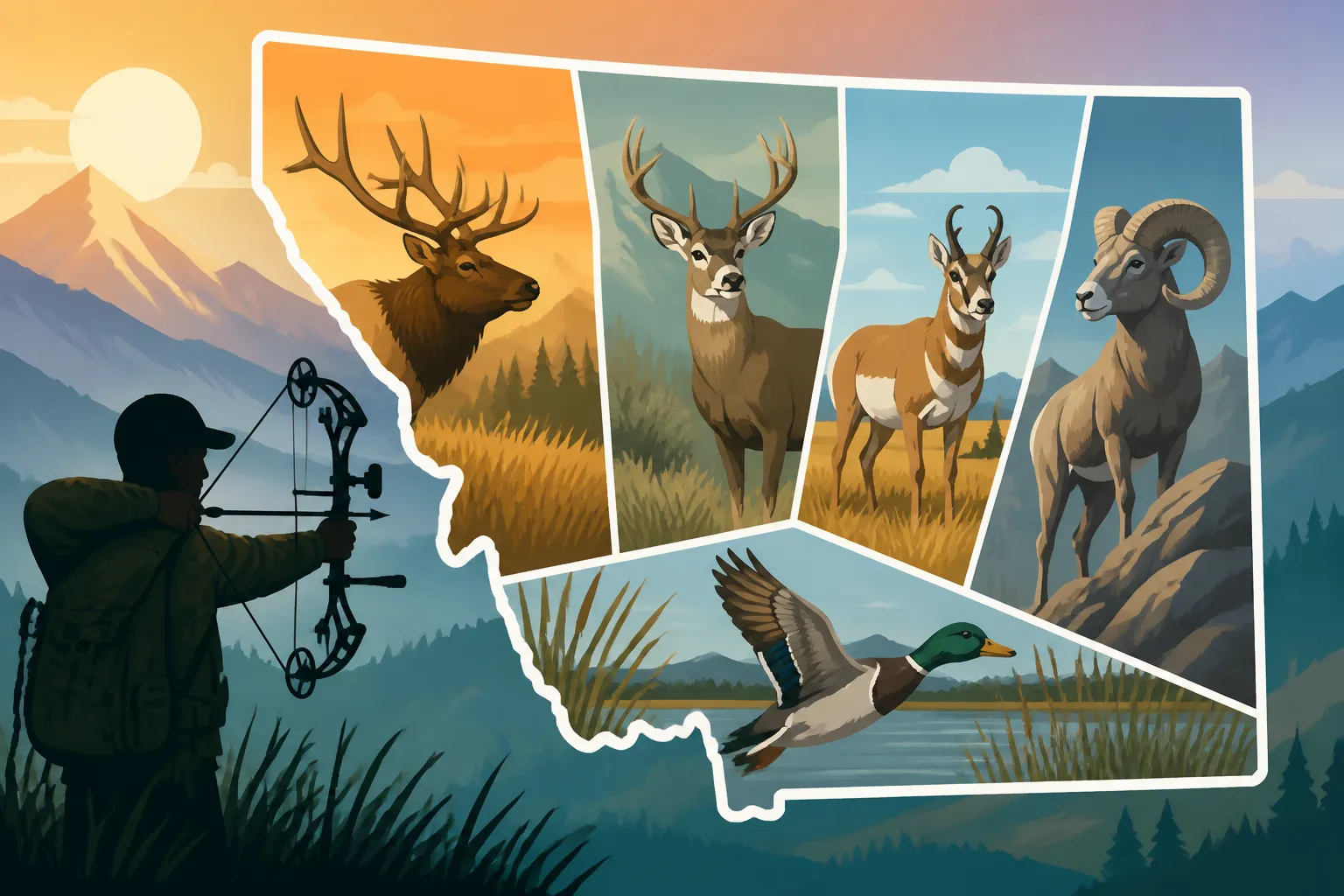
It's a common hunter's dream: heading into Montana's vast landscapes with the hope of punching tags on multiple species. Yet, picking the right hunting district can feel like deciphering a secret code, especially when you're aiming for a productive multi-species hunt and trying to maximize your limited time and resources. This guide is dedicated to helping you unravel that mystery, highlighting the best districts across Big Sky Country where you can genuinely pursue elk, deer, and sometimes even antelope, all in one memorable outing.
Understanding What Makes a District Multi-Species
When we talk about "multi-species districts" in Montana, we're not just referring to any area where multiple animals might theoretically exist. We're zeroing in on those special places where healthy populations of several big game species consistently thrive, offering realistic opportunities for a hunter to encounter and harvest more than one type of animal. These districts often share specific habitat characteristics and management strategies that favor diverse wildlife.
Habitat Diversity is Key
A truly great multi-species district is a mosaic of different habitats. Think about it: elk often prefer timbered slopes, high-elevation benches, and dark timber for bedding, especially during hunting season when pressure mounts. Mule deer, on the other hand, might favor more open, broken country, sagebrush-covered hillsides, and rimrock canyons, though they certainly inhabit timber as well. Whitetail deer are typically associated with river bottoms, agricultural fringes, and brushy draws. For a district to support all these, it needs to offer a rich tapestry of these environments.
You'll often find these prime areas where mountains transition into foothills, or where large river systems carve through expansive plains and breaks. Areas with a mix of national forest, Bureau of Land Management (BLM) land, and accessible state lands frequently offer this kind of diversity. The presence of adequate water sources throughout the year, diverse forage, and sufficient cover are non-negotiable for sustaining robust populations of various species, ensuring that animals have everything they need to survive and reproduce.
Balanced Game Management
Montana Fish, Wildlife & Parks (FWP) plays a critical role in managing these multi-species districts. Their goals often include maintaining healthy populations, managing harvest levels, and providing diverse hunting opportunities. This means that while some districts might be managed primarily for trophy elk, others are geared towards general season opportunities for multiple species. FWP's management plans consider carrying capacity, population trends, and hunter access to ensure that multiple species can be pursued sustainably.
It's also worth noting that season dates and regulations are pivotal. Some districts might have overlapping seasons for archery or rifle that allow you to hunt multiple species within the same timeframe, which is crucial for a multi-species strategy. Understanding how Montana's General vs Permit Tags Explained and how they apply to specific districts is vital. Checking the regulations for specific hunt codes in your chosen district is paramount, as some areas might be general for deer but permit-only for elk, or vice-versa.
Top Montana Regions for Multi-Species Opportunities
Montana is a big state, and while many areas hold multiple species, some regions consistently stand out for offering excellent, accessible multi-species hunting. These are the places where you can realistically plan to chase both elk and deer, often with a good chance at bear or antelope thrown in depending on the specific district.
The Missouri Breaks Region
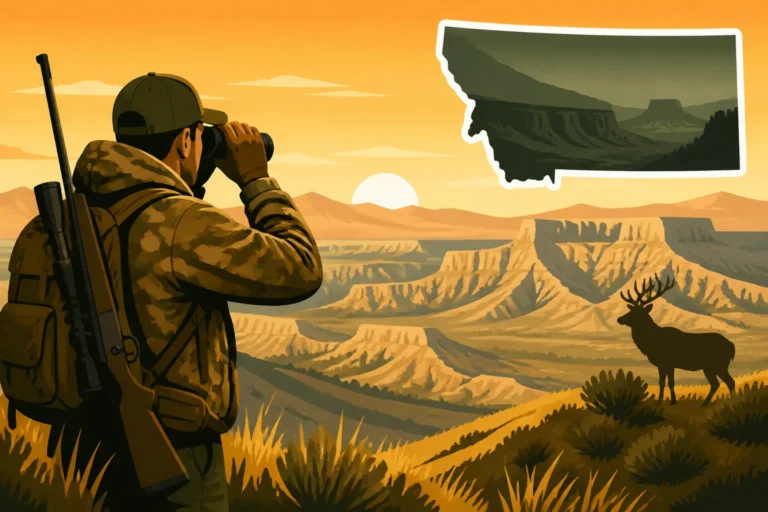
The Missouri Breaks is legendary for its mule deer, but don't sleep on the elk and whitetail opportunities here. This vast, rugged landscape of deep coulees, timbered pockets, and sagebrush flats provides phenomenal habitat. Hunting Districts (HDs) like 410, 622, and 631 in the Missouri Breaks offer diverse opportunities. While some of these districts might be draw-only for elk, the general deer tags here can be incredibly productive for both mule deer and whitetails. The sheer amount of public land, including BLM and National Grasslands, provides extensive room to roam.
Imagine glassing a vast coulee bottom for a mature mule deer buck, then pushing into a timbered draw that feeds into the river breaks, hoping to jump a whitetail, all while keeping an ear out for a distant bugle. This region epitomizes the challenge and reward of a multi-species hunt. Access can be tricky, often requiring four-wheel drive and a good understanding of public land boundaries, which is where tools like onX Hunt become invaluable for navigating the checkerboard of ownership. This area is also excellent for hunters looking to learn How to Hunt the Missouri Breaks for Mule Deer.
The Rocky Mountain Front and Central Mountains
Moving west, the vast sweep of the Rocky Mountain Front and the central mountain ranges offer a classic elk and deer experience. Areas like the Little Belt Mountains, Snowy Mountains, and even parts of the Custer Gallatin National Forest present incredible habitat diversity. Districts such as 417, 441, 447, and 510 often have general elk tags or achievable draw odds for some elk permits, alongside solid general deer opportunities for both mule deer and whitetails. These areas are characterized by vast stretches of national forest, intermixed with state and private lands, providing a blend of high-country challenges and more accessible foothill hunting.
In these districts, you might start your morning looking for elk on steep, timbered slopes, then transition to glassing open parks or transition zones for mule deer in the afternoon. Whitetail deer often inhabit the brushy creek bottoms and river corridors in the lower elevations. The physical demands can be significant, but the rewards—a chance at a bull elk, a mature muley, and a whitetail—are well worth the effort. Consider learning How to Prepare for High-Country Montana Hunting before you head out to these challenging but rewarding zones.
Western Montana's Sapphire and Bitterroot Ranges
For hunters focused on a robust elk and deer hunt with potential for bear, Western Montana's forested mountains are hard to beat. Districts like 240, 260, 270, and 280, encompassing parts of the Bitterroot and Sapphire Mountains, hold strong populations of both elk and whitetail deer, with a healthy sprinkling of mule deer in the higher, more open country. These areas are heavily timbered, characterized by steep terrain, dense forests, and countless drainages.
Hunting here often means putting boots to the ground and embracing the challenge of still-hunting or spot-and-stalk tactics in thick cover. You'll find elk in the dark timber and on north-facing slopes, while whitetails will be prevalent in the lower river bottoms and brushy areas near agricultural fields. Mule deer tend to occupy the higher ridges and clearings. This region also offers excellent opportunities for Black Bear Hunting in Montana, especially during spring and fall seasons, making it a true multi-species haven. Navigating the dense forest requires good map work and an understanding of How to Use Thermals in Montana Elk Country.
Strategic Planning for Your Multi-Species Hunt
Planning a hunt for multiple species in Montana requires a bit more forethought than focusing on just one animal. It’s about maximizing your time, understanding the regulations, and setting realistic expectations. Don't underestimate the logistical challenges, but also don't let them deter you from an incredibly rewarding experience.
Researching Regulations and Hunt Codes
This is arguably the most critical step. Montana's hunting regulations can seem complex, especially when dealing with different species, weapons, and seasons. You need to meticulously review the FWP regulations for the specific hunting districts you're considering. Pay close attention to:
- Season Dates: Do the archery or general rifle seasons for your target species overlap sufficiently? Some deer seasons run longer than elk seasons, or vice-versa.
- Tag Requirements: Are both elk and deer (muley and whitetail) available on general tags, or do some require permits? Knowing how Montana General vs Permit Tags Explained is essential. For non-residents, drawing an elk tag often requires a combination license, while deer tags are typically more accessible.
- Weapon Restrictions: Are there archery-only areas, or specific seasons for muzzleloaders that might impact your multi-species approach?
- Antler Point Restrictions: Some districts have specific antler point restrictions for deer or elk, so be sure you understand what constitutes a legal animal.
Using resources like the Montana Hunt Planner Maps Explained from FWP and looking at past draw odds on platforms like GoHunt can provide invaluable insights into tag accessibility and species distribution within a unit. This initial research will help you narrow down your options to districts that truly offer the multi-species potential you're seeking.
Leveraging E-Scouting and Physical Scouting
Once you've identified potential districts, it's time to dive deep into scouting. For multi-species hunts, this means looking for areas that blend the diverse habitat requirements of each animal. For example, if you're targeting elk and mule deer, you'd look for areas with timbered bedding cover for elk adjacent to open, broken country where mule deer prefer to feed and bed.
E-scouting with tools like onX Hunt is non-negotiable. It allows you to identify public land access points, terrain features, water sources, and potential bedding and feeding areas. Layering different map views (topo, satellite, hybrid) will reveal critical details like timber density, elevation changes, and proximity to agriculture. Beyond the digital realm, if at all possible, try to conduct some physical scouting trips, even if they're just a few days before the season. This firsthand knowledge of trails, water sources, and animal sign is irreplaceable. Consider checking out How to E-Scout Montana Hunting Units for a detailed breakdown.
Strategic Camp and Logistics Planning
A multi-species hunt often means you'll be covering more ground and potentially spending more time in the field. Your camp setup and logistics should reflect this. If you're going into the backcountry, a mobile spike camp might be more beneficial than a static base camp, allowing you to follow animals as they move between different habitat types. Consider how you'll pack out multiple animals if you're successful.
Planning for varying weather conditions is also crucial. Montana's weather can be notoriously unpredictable, especially during the fall. Pack layers, waterproof gear, and be prepared for anything from warm, sunny days to sudden snowstorms. If you're using horses or mules, their care and logistics add another layer of complexity. Having a clear plan for meat care, whether that's utilizing a local processor or doing it yourself in the field, is also essential, especially if you harvest multiple animals.
Here's a quick comparison of a few example multi-species districts:
| Hunting District (Example) | Primary Multi-Species Targets | Key Habitat Features | General Access Considerations | Typical Tag Availability |
|---|---|---|---|---|
| HD 410 (Missouri Breaks) | Mule Deer, Whitetail, Elk | Badlands, river breaks, timbered pockets | Extensive BLM, remote, 4WD often needed | General Deer, Elk often draw-only |
| HD 380 (Elkhorn Mountains) | Elk, Mule Deer, Whitetail | Forested mountains, open ridges, riparian | National Forest, good road access, some wilderness | General Elk, General Deer |
| HD 240 (Bitterroot) | Elk, Whitetail, Mule Deer | Dense timber, steep drainages, river bottoms | National Forest, Block Management, road access | General Elk (often limited), General Deer |
| HD 510 (Little Belt Mtns) | Elk, Mule Deer, Whitetail | Mixed conifer forests, open parks, meadows | National Forest, good road access | General Elk, General Deer |
Essential Gear and Resources for Success
Undertaking a multi-species hunt in Montana means being prepared for anything the landscape, weather, and animals throw at you. Your gear needs to be versatile, durable, and reliable. Don't skimp on the essentials, as being unprepared can quickly turn an exciting adventure into a miserable experience.
Optics and Navigation
When you're trying to locate and identify multiple species across varied terrain, high-quality optics are your best friend. A good pair of binoculars (10×42 or 12×50) and a spotting scope (20-60x) are indispensable for glassing vast landscapes, identifying distant animals, and distinguishing between mule deer and whitetails, or legal elk. A reliable rangefinder is also crucial for ethical shot placement in Montana's often open and unforgiving terrain.
Navigation is paramount, especially when you're covering a lot of ground in unfamiliar territory. A GPS unit and a solid mapping application like onX Hunt are non-negotiable. onX Hunt allows you to see public/private land boundaries, topo maps, and satellite imagery, helping you stay on track and avoid trespassing. Always carry a physical map and compass as a backup, and know how to use them. For anyone looking to understand the terrain, learning How to Glass Montana's Big Country is a huge advantage.
Backpacks, Boots, and Clothing Systems
Your gear needs to stand up to the rigors of potentially chasing elk in the mountains one day and glassing for deer on the plains the next. A comfortable, high-capacity backpack is essential, especially if you anticipate packing out an animal or two. Look for packs designed for hunting, with good load-carrying capabilities and quiet materials. Companies like Mystery Ranch or Kifaru offer excellent options that can handle heavy loads.
For your feet, invest in high-quality, broken-in hunting boots that offer ankle support, waterproofing, and durability. The terrain in multi-species districts can vary from rocky climbs to muddy draws, so versatility is key. Your clothing system should be layered, allowing you to adapt to Montana's rapidly changing weather. Merino wool base layers, insulating mid-layers, and a durable waterproof/windproof outer shell are critical. Always bring an extra set of dry clothes and rain gear, no matter how clear the forecast looks. If you're planning a serious trip, check out our Montana Backcountry Hunting Gear List.
Maximizing Your Chances in Diverse Landscapes
Hunting multiple species effectively often comes down to adapting your tactics to the specific animal and the environment you're in. This means being flexible and knowing when to switch gears from one strategy to another.
Adapting Hunting Methods
If you're in a mountainous district, your approach for elk might involve a lot of glassing, listening for bugles, and then aggressive spot-and-stalk or calling sequences. For mule deer in the same area, you might focus more on still-hunting ridge lines or glassing open basins. Down in the river bottoms for whitetails, setting up in a ground blind or tree stand might be more effective. The key is to be proficient in a variety of techniques. Learning How to Spot-and-Stalk Montana Mule Deer and Montana Elk Hunting: Calling Tactics will be valuable skills.
Understanding the behavior of each species is also critical. Elk are herd animals and will often be found in larger groups, especially after the rut. Mule deer bucks can be solitary or found in small bachelor groups. Whitetails are often more secretive and bound to thick cover. Knowing their preferred feeding times, bedding areas, and how they react to pressure will inform your approach. For example, if you plan to hunt elk, understanding Montana Elk Behavior During the Rut or How to Hunt Elk After the Rut will greatly increase your odds.
Dealing with Pressure and Access Challenges
Many multi-species districts are popular, meaning you'll likely encounter other hunters. To increase your success, plan to hunt during the week, or be willing to hike deeper into public land than most other hunters. Utilizing Block Management Areas Explained can also provide excellent opportunities on private land access that might be less pressured. These are often walk-in only, which deters many.
Dealing with access challenges often means being creative. Some prime multi-species areas might be landlocked public land, requiring significant hikes or finding friendly landowners for permission. Researching Montana Block Management Areas Explained and understanding how to use them is essential. Always respect private land boundaries, and remember that a courteous knock on a landowner's door can sometimes open up incredible opportunities. If you're looking for strategies to improve your chances on crowded lands, check out How to Beat the Crowds on Montana Public Land.
Ultimately, hunting Montana's multi-species districts is about embracing the vastness and diversity of this incredible state. It's challenging, rewarding, and offers an unparalleled experience for those willing to put in the effort.
Disclaimer
Hunting involves inherent risks, and conditions in Montana can be extreme and unpredictable. The information provided in this guide is for informational purposes only and should not replace proper research, adherence to all Montana Fish, Wildlife & Parks regulations, and sound judgment in the field. Always prioritize safety, understand local hunting laws, and consider consulting with local experts or licensed outfitters before undertaking any hunting expedition.