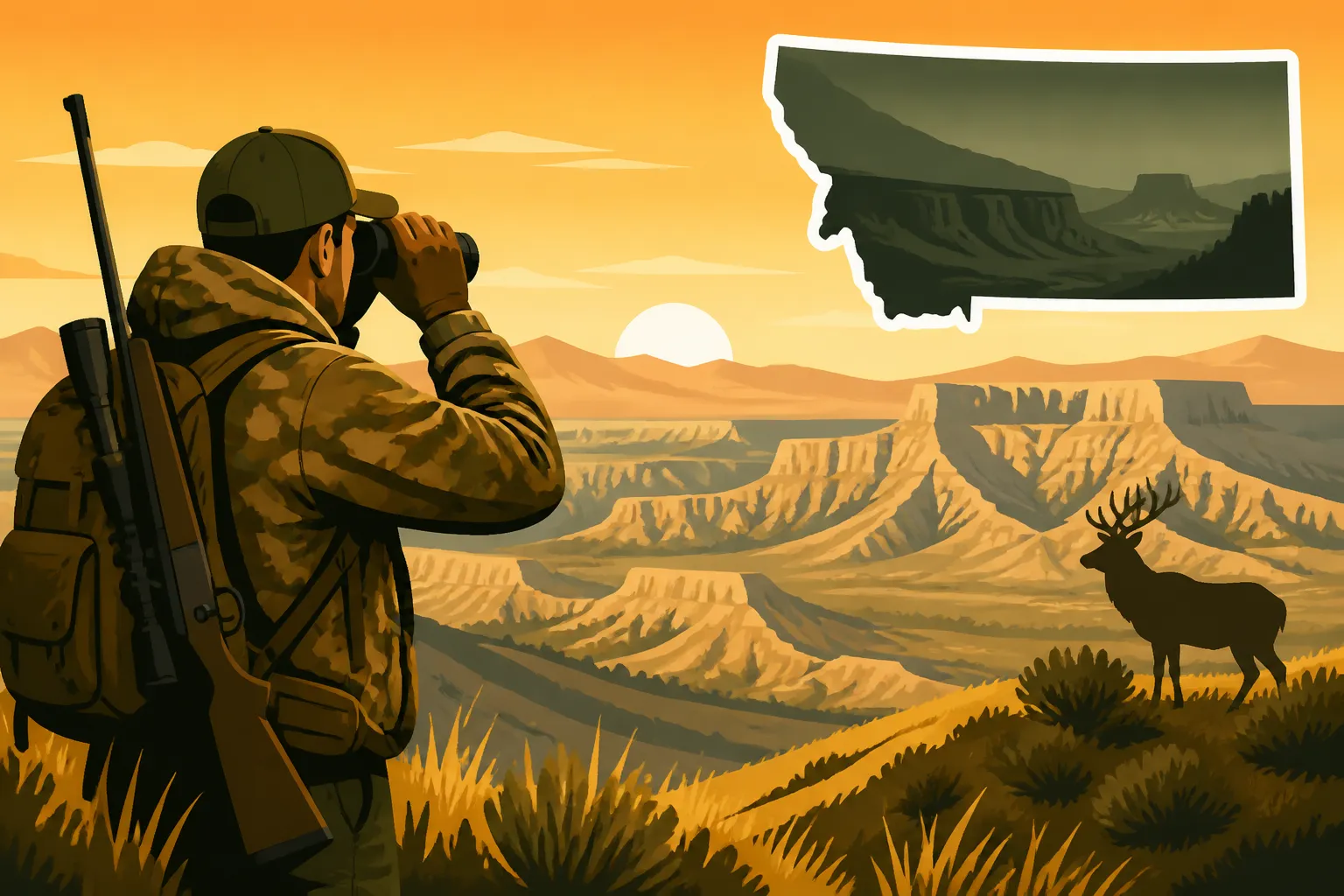
Best Montana Districts in the Missouri Breaks
Stepping into the vast, rugged expanse of Montana's Missouri Breaks can feel like a journey back in time, where the land itself seems to challenge every hunter who dares to venture within. The sheer scale and remoteness of this iconic region often leave even seasoned outdoorsmen feeling overwhelmed, struggling to pinpoint the best districts amidst the labyrinthine coulees and expansive plains. This guide is here to cut through that confusion, offering an in-depth look at what makes the Missouri Breaks so special for hunters and how to zero in on the best districts for a truly unforgettable experience.
Understanding the Unique Challenge of the Missouri Breaks
The Missouri Breaks are not just another hunting area; they are a character-building crucible, a landscape that demands respect, preparation, and a healthy dose of grit. It's a place where the rewards can be incredible, but they seldom come easy. Many hunters arrive with romanticized notions, only to be humbled by the unforgiving terrain and the sheer effort required to navigate it. But for those who embrace the challenge, the Breaks offer a truly wild, authentic hunting experience unlike any other.
The Landscape That Defines the Hunt
Imagine an endless canvas painted with deep, winding coulees, stark eroded badlands, and pockets of sparse timber breaking up vast tracts of sagebrush and prairie. This is the Missouri Breaks. It’s a land shaped by ancient rivers and persistent erosion, creating a bewildering maze of draws, ridges, and hidden pockets that provide perfect cover for big game. Water sources are often few and far between, concentrated in seasonal ponds or deep within the winding river bottoms of the Missouri itself. This scarcity dictates game movement, especially in the warmer early seasons, and knowing where these vital resources are located is key.
The scale of it all can be disorienting. What looks like a short walk on a map can quickly turn into an hours-long trek across several drainages, each one steeper and more convoluted than the last. You'll find yourself constantly ascending and descending, often on loose shale or gumbo mud after a rain, which can be incredibly frustrating. However, this very difficulty also means fewer hunters penetrate the deep country, leaving pockets of undisturbed game for those willing to earn it. The isolation, while daunting, is precisely what preserves the wildness of the hunt here, and understanding this unique topography is the first step toward a successful trip.
Why Hunters Are Drawn to the Breaks
Despite, or perhaps because of, its difficulties, the Missouri Breaks hold an almost mythical status among hunters. It’s a place renowned for its incredible populations of mule deer, particularly those giant, wide-antlered bucks that seem to materialize from the coulee shadows. But it's not just mule deer; the Breaks are also home to impressive numbers of elk, especially in certain river drainages and rougher breaks country, as well as a strong antelope presence on the more open prairie fringes. Beyond the big game, the region offers fantastic opportunities for upland birds like sharp-tailed grouse and pheasants, making it a truly diverse hunting destination.
The appeal extends beyond just the potential for a trophy animal. It's the challenge of a true backcountry hunt, the feeling of self-reliance, and the immense satisfaction of earning an animal from such a formidable landscape. Many hunters seek the solitude and the chance to disconnect from the modern world, spending days glassing vast distances, reading the subtle signs of game, and navigating solely by topography and compass. It’s an experience that tests your physical and mental fortitude, and the memories forged in the Breaks often last a lifetime, far outweighing the frustrations encountered along the way.
Navigating the Top Hunting Districts within the Breaks
The Missouri Breaks encompasses portions of several hunting districts, primarily stretching across Regions 6 and 7 of Montana Fish, Wildlife & Parks (FWP). While specific conditions can change year to year, certain districts consistently offer better opportunities for particular species due to habitat, public land access, and game management strategies. Knowing which districts align with your target species and preferred hunting style is paramount when planning your trip.
Prime Mule Deer Hunting Districts
When hunters talk about the Missouri Breaks, often the first animal that comes to mind is the mule deer. The broken topography, mixed with sagebrush and pockets of timber, creates ideal habitat for these iconic Western deer. Many of the most sought-after mule deer hunts occur in districts that straddle the primary "Breaks" topography. Hunting Districts 620, 621, 622, and 630 are frequently mentioned by those in the know as some of the strongest bets for mule deer. These districts offer vast public land access, including Bureau of Land Management (BLM) and State Trust Lands, which are critical for do-it-yourself hunters.
Within these districts, success often comes down to intense glassing and patience. The deep coulees hide animals incredibly well, and spotting a buck before he spots you is the name of the game. Focus on north-facing slopes with residual cover, especially during the mid-day heat, and don't be afraid to put in the miles on foot. Learning how to Spot-and-Stalk Montana Mule Deer is a crucial skill here, as long-range shooting opportunities are common, but closing the distance for an ethical shot often requires navigating complex terrain. While draw odds for permits in some of these units can be challenging, the general tags still offer incredible opportunities for hunters willing to work hard.
Unlocking Elk Opportunities in the Badlands
While perhaps not as universally famous for elk as other parts of Montana, the Missouri Breaks certainly hold huntable populations of elk, particularly in the rougher, more timbered river breaks and pockets of national forest land within or adjacent to the main Breaks. Districts such as 622, 630, and parts of 680, 700, and 702 can offer surprising elk encounters. These aren't the high-elevation mountain elk you might find in other regions; instead, they are often resident herds that have adapted to the sparse timber, dense river bottom cover, and the security afforded by the remote, broken country.
Hunting elk here requires a different approach. Instead of vast alpine basins, you're often looking at smaller, more isolated timber pockets or dense riparian areas along the Missouri River and its tributaries. Thermal currents play a huge role, guiding elk movement up and down the coulees. Early season archery hunts can be phenomenal if you can locate bugling bulls, but even during the general rifle season, patience and persistence will pay off. Learning How to Hunt Elk in Montana's Wilderness or understanding the nuances of a Montana DIY Elk Hunting Guide can be invaluable, as a guided hunt here is less common than in other elk-rich regions. Locating these animals often means long treks away from roads, glassing river bottoms, and being prepared to navigate steep, brushy terrain.
Antelope and Upland Bird Hotspots
Beyond the deer and elk, the Missouri Breaks and its surrounding plains are a phenomenal destination for antelope and various upland bird species. For antelope, you'll want to focus on the more open, rolling prairie sections, often on the fringes of the deep breaks or in the expansive sagebrush flats. Districts like 620, 621, 630, and further east into 700 and 702 offer excellent antelope populations. These are often general tags, making them a great option for hunters looking for a more accessible Western big game experience. Stalking antelope in the wide-open country is a unique challenge, often involving long crawls and using every bit of topography available to stay hidden. Learning How to Decoy Antelope in Montana can be a game-changer for bowhunters or during rifle season when antelope are wary.
When it comes to upland birds, the Breaks are a sharp-tailed grouse paradise. The mixed prairie and sagebrush habitat, especially with pockets of chokecherry and serviceberry bushes, provides ideal cover and food. You can also find pheasants in agricultural areas along river bottoms, particularly closer to the Missouri River itself. While often a secondary pursuit for big game hunters, bringing a shotgun and a good bird dog can add an incredible dimension to your trip. Remember to check specific regulations for these birds, as seasons and limits can vary.
Here's a quick look at how typical opportunities might stack up in some of the more prominent Missouri Breaks hunting districts, though always consult the current FWP regulations for the most up-to-date information:
| Hunting District (Example) | Primary Species Focus | Key Terrain Features | Public Land Access Notes | General Tag Availability |
|---|---|---|---|---|
| HD 622 (Central Breaks) | Mule Deer, Elk, Antelope | Deep coulees, sparse timber, river access | Mix of BLM, State, some private | Generally Yes (Deer/Antelope), Elk often Permit |
| HD 630 (Western Breaks) | Mule Deer, Elk | Badlands, timbered ridges, river drainages | Strong BLM presence, some State | Generally Yes (Deer), Elk often Permit |
| HD 700 (Eastern Plains/Breaks) | Antelope, Mule Deer | Rolling prairie, broken coulees, river bottom | Extensive BLM, State, Block Mgmt | Generally Yes (Deer/Antelope), Elk limited |
| HD 620 (Northwest Breaks) | Mule Deer, Antelope | Juniper breaks, open sage, rolling hills | Good BLM and State Trust Land | Generally Yes |
Essential Strategies for a Successful Breaks Hunt
Hunting the Missouri Breaks is as much about strategy and preparation as it is about finding game. The scale of the landscape, combined with its challenging terrain and remote nature, means that hunters need to be self-reliant, well-equipped, and mentally tough. Simply showing up with a rifle and a backpack isn't enough; you need a detailed plan and the tools to execute it.
Mastering E-Scouting and Physical Preparation
Before you even set foot in Montana, your hunt for the Missouri Breaks should begin with extensive e-scouting. This is where tools like onX Hunt become indispensable. Spend hours poring over satellite imagery, identifying potential game-holding areas, water sources, and most importantly, access points and escape routes. Pay close attention to public land boundaries, as checkerboard land ownership can make navigation tricky. Mark potential glassing points, bedding areas, and travel corridors. Learning How to E-Scout Montana Hunting Units can save you days of wasted effort on the ground. Use topo maps to understand elevation changes and plot realistic routes, keeping in mind that the terrain is always steeper in person than it appears on a screen.
Physical preparation is non-negotiable for the Breaks. This isn't a casual stroll; it's a grind. You'll be covering miles over uneven, often steep ground, often without clear trails. Carrying a heavy pack, whether it's your day pack or, hopefully, packing out meat, demands peak physical condition. Incorporate hiking with a weighted pack, stair climbing, and general endurance training into your routine well in advance. Consider a specific Montana Elk Hunt Fitness Plan if you're targeting elk, as their preferred habitat often means even more vertical gain. Dehydration can be a serious issue, so train your body to handle exertion while maintaining proper hydration, even if water sources are limited.
Public Land Access and Overcoming Obstacles
The vast majority of hunting opportunities in the Missouri Breaks are on public lands, primarily managed by the Bureau of Land Management (BLM) or State Trust Lands. However, navigating this access can be complex. Many public land parcels are "landlocked" by private property, meaning you can't legally reach them without landowner permission or navigating around private ground. This is another area where onX Hunt maps are invaluable, showing land ownership overlays in real time. Before your hunt, identify legal access roads, walk-in easements, or Block Management Areas (BMAs). Knowing How to Use Block Management for DIY Hunts can unlock additional access to private land parcels enrolled in public access programs.
Overcoming obstacles isn't just about land access; it's also about the elements. The weather in the Breaks can be unpredictable, swinging from scorching heat to bitter cold, often with strong winds. Rain can turn dirt roads into impassable gumbo mud, stranding vehicles for days. Be prepared for all conditions, pack extra food and water, and have a reliable communication device like a satellite messenger. Always let someone know your hunting plans and expected return. Expect to encounter little to no cell service in many areas; this is truly remote country.
Gear Up for the Remote Backcountry
Your gear can make or break a Missouri Breaks hunt. Because of the remoteness and the rugged nature of the terrain, you need reliable, durable equipment. Starting with optics, a high-quality spotting scope (20-60x or 25-75x) and a solid pair of binoculars (10×42 or 12×50) are essential for glassing the immense landscape. This is big country, and superior optics allow you to pick apart distant hillsides without expending unnecessary energy. Learn How to Glass Montana's Big Country effectively to maximize your scouting efforts.
For your feet, invest in sturdy, broken-in hunting boots that offer excellent ankle support and waterproof protection. A reliable backpack, capable of carrying several days' worth of gear if you're doing a multi-day spike camp, is also crucial. Consider a pack that can handle packing out meat, as getting an animal down in a deep coulee is only half the battle. Our Montana Backcountry Hunting Gear List provides a comprehensive overview of what you'll need. Don't forget ample water storage (bladder and bottles), a water filter, and enough layers to adapt to changing temperatures. Companies like GoHunt offer detailed gear lists and reviews that can help you select the right equipment for this demanding environment. A good GPS unit or a fully charged phone with downloaded onX Hunt maps is non-negotiable for navigation in the featureless maze of coulees.
Disclaimer
Please note that hunting regulations, season dates, and specific district rules can change annually. Always consult the official Montana Fish, Wildlife & Parks (FWP) regulations for the current year before planning any hunting trip. This guide provides general information and should not be used as a substitute for official FWP resources.