How to Hunt Montana with Horses
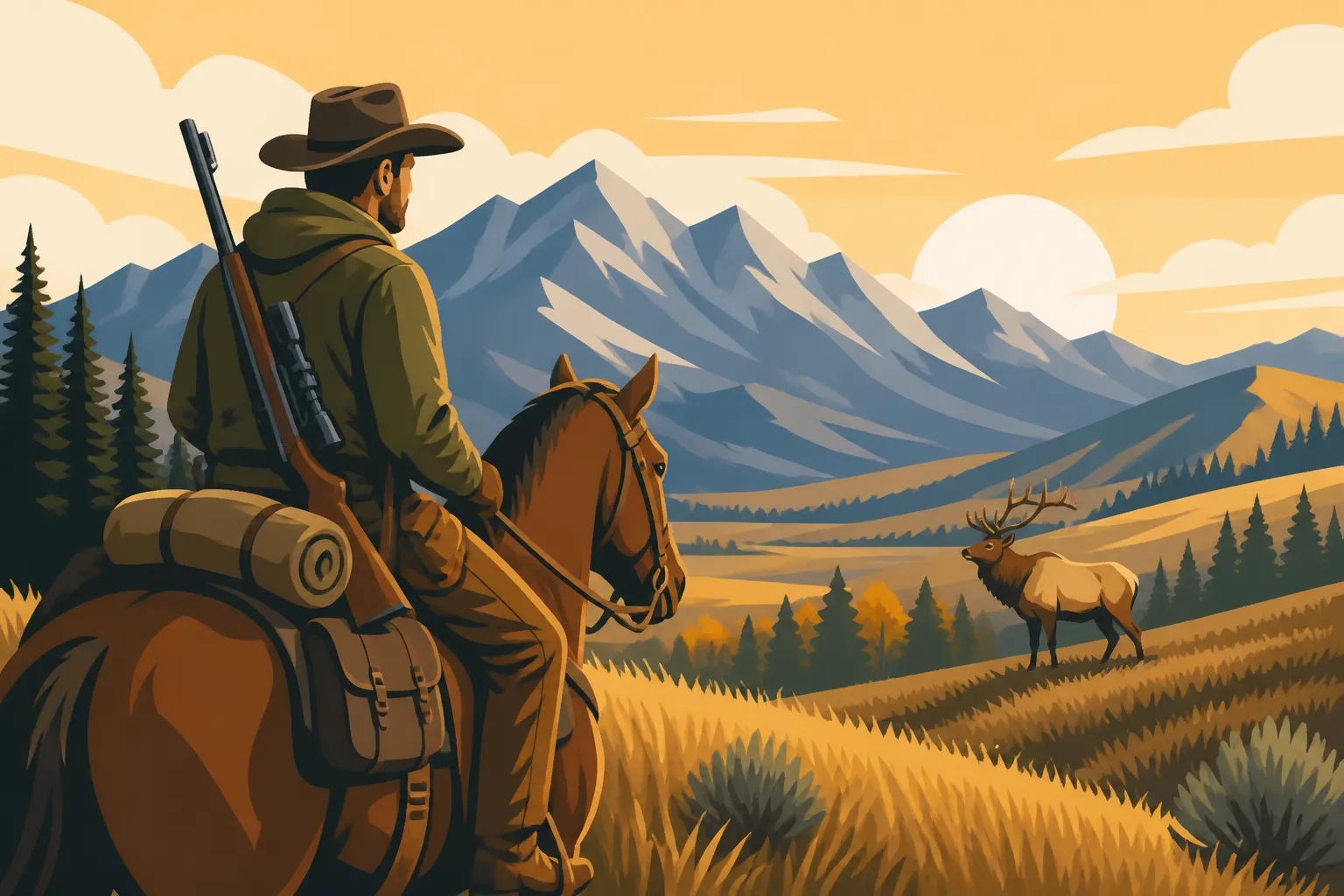
Hunting in Montana is an experience unlike any other, but the sheer scale of the landscape can feel overwhelming. You’ve likely dreamed of chasing elk or mule deer through vast, remote drainages, far from the road hunters, but the reality of covering that ground, and then packing out an animal, often seems impossible without superhuman effort. This guide is all about embracing the time-honored tradition of hunting Montana with horses, showing you how these incredible animals can unlock vast swathes of backcountry and make those once-impossible hunts a reality.
Why Choose Horses for Your Montana Hunt?
Let's be honest, the thought of strapping on a massive pack and slogging uphill for miles before the hunt even begins can be daunting. Then, imagine doing it with a quarter of an elk on your back! This is where horses truly shine in the Montana mountains. They aren't just a mode of transport; they become an integral part of your hunting team, turning grueling logistics into manageable tasks and opening up terrain that would otherwise remain untouched.
Covering Vast Distances and Rugged Terrain
Montana's wilderness areas and national forests are immense, a mosaic of steep timbered slopes, open parks, rocky draws, and high-altitude basins. Trying to navigate this formidable terrain entirely on foot for a multi-day hunt is a monumental physical challenge, even for the most seasoned athletes. Horses, with their innate strength and endurance, dramatically extend your effective range, allowing you to venture deeper into remote areas where game is less pressured.
Think about covering ten or fifteen miles of steep, uneven ground. On foot, that could take an entire day, leaving you exhausted before you even set up camp, let alone start hunting. With a string of reliable pack and saddle horses, that same distance can be covered more efficiently, preserving your energy for the actual hunt. They can traverse rocky trails, cross small streams, and climb significant elevation changes with a sure-footedness that most humans simply can't match. This capability isn't just about speed; it’s about accessing those truly wild, unmolested spots where trophy animals often reside. You’re not just moving through the mountains; you're flowing with them, conserving your own strength for the critical moments of glassing, stalking, and shooting.
Packing Power and Meat Hauling Logistics
One of the biggest hurdles in backcountry hunting is the sheer volume and weight of gear required for a comfortable and safe multi-day expedition. Tents, sleeping bags, cooking equipment, food, water filters, emergency supplies, and hunting essentials all add up quickly. A good pack horse can comfortably carry hundreds of pounds, far exceeding what any human can manage. This means you can bring more substantial camp amenities, better food, and crucial safety gear, enhancing both your comfort and your odds of success.
But the real game-changer comes after a successful harvest. Field quartering an elk or a large mule deer in the backcountry is just the first step. The daunting task of transporting hundreds of pounds of meat, hide, and antlers back to the trailhead looms large. Trying to backpack an entire elk out can take multiple arduous trips, risking meat spoilage, and pushing your body to its absolute limits. With a string of pack horses, an entire elk can often be loaded and packed out in a single trip, or at most, two, depending on the number of animals and horses. This speed and efficiency are critical, especially in warmer early season archery hunts or during unexpected warm spells in rifle season, when keeping the meat cool is paramount. It transforms a monumental logistical nightmare into a well-managed operation, ensuring your hard-earned protein makes it home safely. You can also review our guide on How to Pack Out an Elk in Montana for more details.
The Traditional Backcountry Experience
There's an undeniable allure to hunting on horseback that connects you to a bygone era, a heritage of frontiersmen and mountain men. It’s an immersive experience that goes beyond simply getting from point A to point B. The rhythmic clip-clop of hooves on a mountain trail, the scent of pine and horse sweat, and the quiet camaraderie you build with your animals as you navigate the wilderness create memories that resonate deeply.
This method of travel fosters a unique connection to the landscape. You move at a pace that allows for observation and appreciation, rather than rushing. You witness sunrises filtering through timber while your breath steams in the crisp morning air, and you feel the raw power of the mountains beneath you. For many, this traditional approach isn't just about the hunt; it's about embracing a lifestyle, a deep respect for the land, and a commitment to experiencing Montana's wild heart on its own terms. It’s a hunt that feels more authentic, more challenging, and ultimately, more rewarding, embodying the spirit of a true Montana Backcountry Hunting Guide.
Essential Considerations Before Your Horseback Hunt
Embarking on a horseback hunt in Montana is not something to be taken lightly. It requires significant preparation, knowledge, and respect for both the animals and the environment. Before you even think about loading up for the trailhead, there are several crucial factors you need to consider to ensure a safe and successful trip.
Horse Selection and Training
Not just any horse is suited for the rigors of a Montana backcountry hunt. You need animals that are calm, sure-footed, and experienced in mountain terrain. A good hunting horse should be accustomed to steep trails, rocky ground, water crossings, and unfamiliar scents and sounds—including gunshots or bow releases. Desensitization is key; they need to be comfortable with strange objects like backpacks, game bags, and even quartered animals being loaded onto their back.
When choosing a horse, look for traits like a steady temperament, good conformation (structure suitable for carrying weight), and a history of working in the mountains. If you’re buying or leasing, spend time riding the horse in varied terrain to assess its readiness. For pack horses, consistent training with a pack saddle and dummy loads, gradually increasing in weight, is essential. They need to understand how to balance a load, navigate narrow passages, and stay with the string without constantly testing the lead rope. If you're new to horses, consider hiring a knowledgeable outfitter who specializes in pack trips; they'll provide experienced stock and guide you every step of the way. Alternatively, connecting with seasoned horsemen in the hunting community can offer invaluable advice and potentially even opportunities to ride with them.
Gear for Horse and Rider
Hunting with horses requires a specialized set of gear for both you and your equine partners. Proper tack is paramount for the horses' comfort and your control. This includes a well-fitting saddle (Western saddles are preferred for stability and comfort on long rides, and often have more attachment points), quality saddle pads, bridles, and lead ropes. For packing, you'll need sturdy pack saddles (Decker or Sawbuck styles are common) with durable panniers and top-loads. Weather-resistant materials are crucial to protect your gear from the elements.
For the rider, the right attire is just as important as it would be for a Montana Backcountry Hunting Gear List. Comfortable, durable chaps can protect your legs from brush and saddle rubs. Layered clothing is essential for Montana's unpredictable mountain weather. Sturdy boots with a heel are a must for safe riding, preventing your foot from slipping through the stirrup. Don't forget a comprehensive horse first-aid kit, including hoof picks, wound care, and any necessary medications for your animals. A well-prepared hunter understands that looking after their horses is just as important as looking after themselves.
Here's a quick checklist for essential gear:
| Category | Rider Gear | Horse Gear |
|---|---|---|
| Saddlery | Riding saddle, saddle pad, bridle, reins | Pack saddle (Decker/Sawbuck), pack panniers |
| Safety & Control | Helmet (optional but recommended), lead ropes | Halters, lead ropes, picket line, hobbles |
| Rider Apparel | Durable pants/jeans, chaps, riding boots | Horse blankets (for cold nights, optional) |
| Hunting Specific | Rifle scabbard or bow case, game bags, knife | Saddle bags for small items, bear spray holster |
| Camp Gear | Tent, sleeping bag, stove, food, water filter | Feed bags, grain/pellets, salt blocks (optional) |
| First Aid | Human first-aid kit, emergency shelter | Horse first-aid kit (wound care, hoof tools) |
| Navigation | GPS device, topo maps, compass, satellite messenger |
Navigating Montana Regulations and Access
Before saddling up, it's vital to understand Montana's specific regulations regarding horse use on public lands. Different land designations—such as Wilderness Areas, National Forests, and Bureau of Land Management (BLM) lands—can have varying rules concerning motorized access, group size, and even weed-free feed requirements for horses. For instance, many Wilderness Areas in Montana require certified weed-free feed to prevent the spread of invasive species, and mechanized transport (like mountain bikes or ATVs) is strictly prohibited. Your local Montana Fish, Wildlife & Parks (FWP) office and the specific National Forest or BLM district office are invaluable resources for current regulations.
It's also crucial to identify legal access points and trails. Not all trails are suitable for pack strings, and some areas may have seasonal closures or restrictions. Using detailed mapping tools like onX Hunt and consulting resources from GoHunt can help you identify suitable trails, parking areas for your horse trailer, and designated stock facilities. Being informed about these regulations is not just about avoiding fines; it's about respecting the land, other users, and ensuring the long-term health of Montana's incredible wild places. This also ties into understanding different types of access like Montana Block Management Areas Explained or state trust lands.
Planning Your Horseback Hunting Expedition
A successful horseback hunt in Montana hinges on meticulous planning, combining modern scouting techniques with traditional horsemanship. It's about more than just finding animals; it's about creating a harmonious and efficient operation that allows you to focus on the hunt itself.
E-Scouting and Trail Planning
Long before your hooves hit the trail, the planning truly begins at home with digital tools. E-scouting is an invaluable first step for any Montana hunt, but especially for those involving horses. Platforms like onX Hunt, coupled with resources from GoHunt, allow you to pour over satellite imagery and topographic maps to identify potential hunting units, game migration corridors, bedding areas, and water sources. But when horses are in the equation, your e-scouting needs an extra layer of detail.
You'll be looking for trails that are suitable for stock – ones that avoid overly technical terrain, cliff bands, or areas with dense, impassable blowdowns. Identify potential camp locations that offer crucial elements: proximity to water, good forage for your horses, and sheltered spots from wind and weather. Map out primary travel routes and always have a few alternative routes or emergency exit strategies in mind. Consider how far you can realistically travel in a day with a loaded pack string and plan your mileage accordingly. Pay attention to changes in elevation, which impact both your horses' stamina and your expected travel time. Knowing these details will allow you to plan your daily movements and camp setups efficiently, maximizing your hunting time. For a deeper dive into this, check out How to E-Scout Montana Hunting Units.
Setting Up a Functional Horse Camp
Establishing a functional and low-impact horse camp in the backcountry is both an art and a science. The location you choose will dictate much of your experience. Seek out flat, well-drained areas, ideally near a reliable water source for both you and your horses. Look for natural shelter from prevailing winds, such as a bench below a ridge or a stand of dense timber. Crucially, your camp needs to be within reasonable proximity to good grazing or feed for your animals if you're not bringing in all their sustenance.
Once you’ve picked your spot, secure your horses properly. A high-line is often preferred over tying to individual trees, as it minimizes impact on vegetation and allows horses more freedom of movement, reducing the risk of them getting tangled. A high-line, strung between two sturdy trees, keeps your horses safely contained and off sensitive stream banks. Ensure horses are fed and watered immediately upon arrival. Arrange your camp efficiently, with your sleeping area, cooking zone, and horse area distinct but easily accessible. Remember, you're not just setting up a tent; you're creating a temporary home for your entire hunting party, human and equine alike, in the heart of the wilderness. This crucial step is outlined further in our comprehensive guide, How to Set Up a Montana Elk Camp.
Horse Safety and Care in the Backcountry
Your horses are your lifeline in the backcountry, and their safety and well-being are paramount. Daily care and vigilance are non-negotiable. Every morning, conduct a thorough inspection of each horse. Check for rubs or sores from saddles or pack equipment, inspect their hooves for cracks, lost shoes, or foreign objects, and ensure they are eating and drinking properly. Dehydration and colic can quickly become life-threatening in remote areas.
Carry a comprehensive horse first-aid kit and know how to use it for common ailments or injuries like cuts, lameness, or digestive issues. Be prepared to address issues like a thrown shoe, either by packing a spare shoe and farrier tools or knowing how to remove a loose shoe to prevent further damage. When tying horses for the night, ensure they are in a secure location, away from potential hazards like deadfall or steep drops. Using a bell on one or more horses can help you locate them if they get loose. Remember, even the most experienced horses can have accidents or wander off, so always prioritize their well-being and be ready to act in an emergency. Preparing for a Montana Backcountry Hunting Guide truly means preparing for everything, including the care of your animals.
On the Trail and During the Hunt
Once you're deep in Montana's backcountry with your horses, the real adventure begins. Navigating the mountains, integrating your horses into your hunting strategy, and managing the logistics of a successful harvest all require specific skills and knowledge.
Riding and Leading Techniques in Mountain Terrain
Riding and leading a pack string in Montana’s rugged mountains is a skill refined over years. It’s not like riding in an arena or on flat prairie land. Steep ascents and descents demand careful attention. On uphills, lean forward, giving your horse its head, and let it pick its own path. On downhills, lean back slightly, allowing the horse to brace itself, and use a zigzag pattern if the slope is particularly steep. Always allow enough space between horses in the string, especially on switchbacks, to prevent tangles and give each animal room to maneuver.
River crossings require caution. Assess the depth and current, and pick the safest, most stable path. Unclip lead ropes from pack horses before crossing swift water so that if one stumbles, it doesn’t drag the whole string with it. Quiet communication, consistent commands, and a calm demeanor from the rider are essential to instill confidence in your horses. They will pick up on your stress, so remaining collected, even when the trail gets dicey, is key to a smooth and safe journey. Remember, you and your horse are a team, and mutual trust is built on countless miles and challenging situations. For more tips on navigating tough terrain, consider our article on How to Pack Into the Montana Backcountry.
Integrating Horses into Hunting Strategy
Horses are not just for transport; they can be a strategic asset in your hunt. One of their primary benefits is the ability to quickly access remote glassing points that would be exhausting to reach on foot. You can ride to a high ridge, tie off your horses in a hidden draw, and then spend hours glassing vast drainages without having spent all your energy on the approach. This allows you to cover more ground and spend more productive time behind your optics.
Furthermore, horses enable you to move your camp quickly if the game moves or your initial location isn't producing. If you locate a herd of elk miles away, you can break down camp, pack up, and move to a more advantageous position in a fraction of the time it would take backpacking. This mobility is invaluable, especially during the rut when elk can be highly nomadic. For mule deer hunters, horses can help you quickly cover vast sagebrush flats or steep coulees to spot and stalk. The key is to think of them as an extension of your hunting strategy, allowing you to maximize efficiency and flexibility. Consult the Montana Public Land Hunting Strategy for more general tips on leveraging your location.
Packing Out Game with Horses
This is often the moment a horseback hunt truly pays off. Once you’ve successfully harvested an animal, the focus shifts to efficient and respectful game retrieval. After field quartering your elk or deer, place the meat into breathable game bags. This protects the meat and allows it to cool. Before loading, prepare your pack saddles, ensuring they are cinched tight and pads are correctly positioned.
The art of packing out game involves balancing the load. Distribute the weight as evenly as possible between two panniers, using a scale if available, to prevent shifting and discomfort for the horse. Place the heavier quarters low in the panniers, and use lighter cuts or capes as top loads. Secure everything tightly with pack ropes or straps, ensuring nothing can swing loose or get caught on branches. A horse unaccustomed to the smell or feel of fresh game might initially be skittish, so a calm, experienced horse is essential. Take your time, work methodically, and be patient. The ability to quickly and cleanly transport hundreds of pounds of meat from the deep backcountry to your vehicle is the ultimate reward for the effort invested in your horse team. It dramatically reduces the chance of spoilage and saves your back for future hunts.
Disclaimer
Please note that hunting in Montana, especially with horses, carries inherent risks. This guide provides general information and recommendations. It is crucial to always consult the most current Montana Fish, Wildlife & Parks regulations, seek expert advice on horsemanship and backcountry safety, and ensure you have the necessary skills, permits, and gear before embarking on any hunting trip. Your safety and the ethical treatment of animals are always your responsibility.