Best Montana Districts Near Bozeman
Trying to figure out where to hunt near Bozeman, Montana, can feel like a daunting task. You've heard the stories, seen the photos, and know the area is teeming with wildlife, but you also know it's a rapidly growing outdoor hub, meaning more people are vying for the same public lands. It's a real frustration to stare at a map and feel overwhelmed by choices, wondering if you'll just be fighting crowds instead of finding animals. This comprehensive guide is here to cut through that confusion, breaking down the best hunting districts around Bozeman and offering practical advice to help you plan a successful hunt, no matter your experience level.
Understanding the Landscape of Hunting Near Bozeman
Bozeman sits smack dab in the middle of some of Montana's most iconic and productive big game country. The allure is undeniable, with rugged mountains rising sharply from fertile valleys, offering diverse habitats for elk, deer, and other species. However, this accessibility and beauty come with a trade-off: increased hunter numbers, especially during the general rifle season. It's not uncommon to pull into a trailhead and see multiple trucks already parked, which can be disheartening when you're dreaming of solitude.
The Allure and the Challenge of Region 3
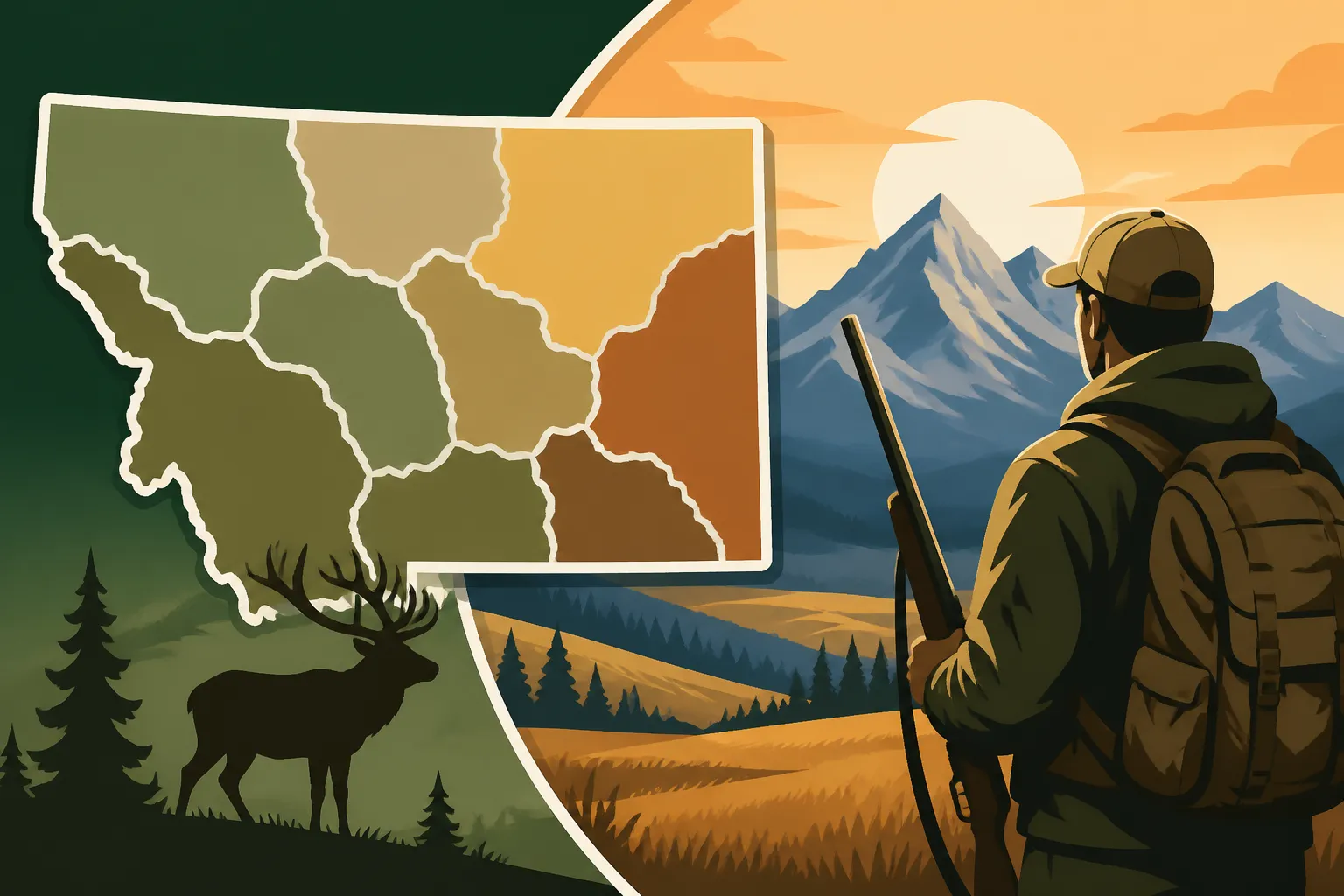
Bozeman is located within Montana's Region 3, a diverse area known for its robust elk and deer populations, stunning landscapes, and excellent public land access. This region encompasses some of the most sought-after big game units in the state, offering opportunities for both general tags and coveted permits. The challenge, however, lies in balancing the desire for quality hunting with the reality of significant hunter pressure. During the prime weeks of the general rifle season, certain drainages and accessible public land parcels can feel more like a backcountry traffic jam than a wilderness hunt.
Many hunters are drawn to Region 3 because of its reputation for trophy potential and consistent elk sightings. However, to truly succeed here, you need to understand the nuances of the terrain and the habits of both the animals and other hunters. Simply driving up a forest service road and walking in a mile often won't cut it anymore. It requires more effort, better planning, and a willingness to explore deeper or less obvious areas. The good news is that with a strategic approach, Region 3 still offers incredible experiences.
Key Considerations for Public Land Hunters
Public land forms the backbone of hunting opportunities around Bozeman, including vast tracts of National Forest, BLM land, and state lands. Successfully navigating these areas means understanding land ownership boundaries and identifying accessible parcels. This is where tools like onX Hunt become absolutely invaluable; it's practically a necessity for any serious hunter in Montana, showing you exactly where you stand and what land surrounds you. You don't want to accidentally trespass or waste precious hunting time on private land you can't access.
Beyond simply knowing what's public, you need to consider the type of public land. National Forests often mean mountainous, timbered terrain, perfect for elk and mule deer but demanding physically. BLM land in the foothills or plains offers different challenges and opportunities, often for antelope or prairie mule deer, sometimes with less timber but more open vistas and different access points. State trust lands often have specific rules regarding access and require a State Land License, which you can purchase annually. Each type of public land demands a slightly different approach, from scouting to actual hunting tactics.
Navigating Access and Pressure
Access points are a double-edged sword around Bozeman. While numerous forest service roads, trailheads, and public easements provide entry into prime hunting grounds, they also serve as conduits for other hunters. Areas with easy road access often receive the heaviest pressure, especially during opening weekend. This means that if you're looking for solitude and unpressured animals, you'll likely need to either walk further, explore roadless areas, or hunt mid-week when many hunters have returned to work.
Hunter pressure itself isn't always a negative if you understand how to use it to your advantage. Pressured elk and deer often change their patterns, moving into thicker timber, steeper terrain, or shifting to nocturnal activity. Knowing How to Hunt Montana Public Land Pressure can be a game-changer. Sometimes, the best strategy is to let other hunters push animals to you, setting up on known escape routes or bedding areas in dense cover. The key is adaptation and resilience. Don't let a crowded trailhead deter you; instead, let it inform your strategy.
Prime Mountain Ranges for Elk and Deer
The mountains surrounding Bozeman offer some of Montana's most iconic elk and mule deer hunting. These ranges are characterized by steep climbs, dense timber, high alpine basins, and crucial migration corridors. While physically demanding, they consistently produce quality animals for diligent hunters willing to put in the effort. Each range has its own unique character, offering different challenges and rewards.
The Gallatin Range: Rugged Beauty and Rewards
The Gallatin Range, situated directly south of Bozeman, is a powerhouse for elk hunting. It's part of the Custer Gallatin National Forest and is renowned for its vast wilderness character, particularly as you push deeper into the backcountry. Access points are numerous but lead to increasingly rugged terrain, rewarding those who are physically prepared and willing to pack in. The elk populations here are generally robust, and the landscape provides ample cover, food, and water.
Hunting the Gallatins often means dealing with significant elevation changes and navigating thick stands of timber interspersed with open parks and drainages. Spot-and-stalk tactics work well in more open areas, while still-hunting the timber is crucial during the rifle season. For serious backcountry enthusiasts, this range offers some of the best opportunities for a true wilderness hunt. However, remember that the further you go, the more prepared you need to be for self-sufficiency. Consider reading our guide on How to Hunt Elk in Montana's Wilderness if you plan a deeper push.
Tobacco Root Mountains: A Hidden Gem?
West of Bozeman, across the Madison Valley, lie the Tobacco Root Mountains. Often overshadowed by the more famous ranges, the "T-Roots" can be a fantastic option, particularly for mule deer and often holding some respectable elk herds as well. While they might not boast the sheer numbers of elk as the Gallatins, they can offer a less pressured experience, especially if you get off the beaten path. The terrain is rugged, but often a bit more open than the dense timber found in parts of the Gallatin or Bridger ranges, making glassing more effective.
The Tobacco Roots have a mix of public and private lands, so using a mapping system like onX Hunt is crucial to stay legal and maximize your hunting time. Forest Service roads provide good access to the lower and mid-elevations, but the higher country requires foot travel. Hunters willing to hike into the remote basins and timber pockets often find success here, encountering good numbers of deer and the occasional bull elk. They're a solid choice for those looking to escape some of the crowds while still being within a reasonable drive of Bozeman.
Bridger Mountains: Close Proximity, Unique Challenges
Just a stone's throw north of Bozeman, the Bridger Mountains stand as an iconic backdrop to the city. Their proximity makes them incredibly accessible, but also means they receive some of the heaviest hunter pressure, particularly on opening weekend of rifle season. Despite this, the Bridgers hold strong populations of both elk and mule deer, often surprising hunters with their resilience and ability to hide in plain sight. These mountains are steep, with prominent open ridges and deep, timbered drainages.
Hunting the Bridgers requires a smart strategy. Many of the elk and deer will be pushed into the darkest, steepest, and most inaccessible timber pockets by initial hunter activity. Knowing how to hunt these dark timber areas can be the key to success. Focusing on mid-week hunts, exploring lesser-used trails, or utilizing the early archery season can greatly increase your odds. It's a challenging range, but the reward of harvesting an animal with the Bozeman skyline in the distance is truly unique. This range is also excellent for Montana Archery Elk Hunting Guide due to the close proximity and often timbered nature.
Strategies for Success in Bozeman's Backyard
Hunting around Bozeman isn't just about picking a district; it's about developing a strategic approach that accounts for terrain, animal behavior, and human pressure. With a solid plan and the right mindset, you can overcome the challenges and find success.
E-Scouting and Pre-Season Reconnaissance
In today's hunting world, effective e-scouting is no longer an option; it's a necessity, especially in areas with high pressure like those near Bozeman. Before you even set foot in the field, you should be pouring over digital maps, identifying key features. Look for north-facing slopes with dark timber, which are often bedding areas for elk and deer trying to escape the sun and heat. Identify saddles, benches, and funnels that could serve as travel corridors. Use different map layers to see historical fires, which can create new browse and forage for animals.
Platforms like onX Hunt are indispensable for this, allowing you to mark waypoints for potential glassing knobs, water sources, and escape routes. Also, consider resources like GoHunt for drawing odds and detailed unit information, helping you understand the historical success rates and pressure in specific hunting districts. Supplement your e-scouting with satellite imagery and topographic maps to truly understand the contours of the land. The more virtual legwork you do, the less time you'll waste aimlessly wandering in the field. This detailed preparation is a critical step in How to E-Scout Montana Hunting Units.
Tackling Hunter Pressure
The reality of hunting near Bozeman is that you will encounter other hunters. The key is not to let this deter you but to adapt your tactics. The opening weekend of general rifle season sees the most significant influx of hunters. If you can hunt mid-week, you'll often find a noticeable drop in pressure. Otherwise, plan to hike deeper than most, or target areas that are harder to access. Think about those steep, gnarly ridges or deep canyon bottoms that others avoid.
Another effective strategy is to use hunter pressure to your advantage. When hunters are moving through an area, they often push animals, especially elk, into thicker, nastier cover. Instead of joining the fray, position yourself on escape routes or in known bedding areas within dense timber. Often, a patient hunter in a strategic spot can intercept an animal that has been moved by others. This requires keen observation and an understanding of elk behavior under pressure, but it can be incredibly effective.
Gear Considerations for Mountain Terrain
Hunting the mountains around Bozeman is physically demanding, and your gear needs to be up to the task. Comfortable, supportive boots are non-negotiable; you'll be putting in miles on uneven, steep terrain. Investing in a quality pair of boots is one of the best decisions you can make. You should also consider durable, layered clothing to adapt to rapidly changing mountain weather, from warm midday sun to sudden snow squalls or freezing rain.
A reliable pack is also essential, especially if you plan to go deep or hunt areas where packing out an animal will be a significant undertaking. A good backpack should comfortably carry your day-hunting essentials and have the capacity to haul out meat if you're successful. Optics, including a good pair of binoculars and a spotting scope (especially for mule deer), are critical for glassing the vast, open mountain sides. Don't skimp on these items; they can truly make or break your hunt in the rugged Montana landscape. Our Best Backpack for a Montana Elk Hunt and Best Boots for Montana Elk Hunting guides offer more detailed advice.
Beyond the Mountains: Other Hunting Opportunities
While the towering peaks around Bozeman are famous for elk and mule deer, Montana offers a diverse range of hunting experiences. Expanding your horizons beyond the high country can uncover exciting opportunities for other species and different hunting styles, often with less pressure than the prime elk zones.
River Bottom Whitetails
The river bottoms and riparian zones of the Gallatin, Madison, and Jefferson rivers, as well as their numerous tributaries, offer excellent opportunities for whitetail deer. These areas are characterized by thick willow stands, cottonwood groves, and dense underbrush, providing perfect cover for whitetails. Hunting here is a stark contrast to the open mountainsides; it's often a game of stealth, quiet movement, and patience from a stand or blind.
Many of these river bottoms are a mix of private and public land, so diligent map work with onX Hunt is essential. You'll find Block Management Areas (BMAs) and scattered public parcels, but securing landowner permission on private land can open up significant opportunities. How to Hunt Whitetail in Montana River Bottoms often involves understanding their feeding and bedding patterns along the waterways, which can be predictable if you put in the scouting time. The general rifle season is excellent for whitetails, especially when the rut kicks in around mid-November.
Foothill Mule Deer and General Districts
Moving out of the steep mountains and into the rolling foothills and plains surrounding the Bozeman area, you'll find different hunting dynamics, particularly for mule deer. These areas often consist of agricultural fields bordering rougher breaks, sagebrush draws, and scattered timber pockets. Mule deer here are often found using the terrain for cover, especially during midday, and moving to feed in the evenings and mornings.
Districts in the lower elevations or bordering the mountain ranges can be "general" units for deer, meaning you don't need a special permit beyond your base license and deer tag. This offers more flexibility, though these areas can also experience pressure. Glassing is paramount in this more open country. Find a high vantage point, settle in with your binoculars and spotting scope, and systematically scan for deer. This type of hunting can be incredibly rewarding and often less physically taxing than chasing elk in the high country. For more detailed strategies, look into How to Spot-and-Stalk Montana Mule Deer.
Late Season Opportunities
Don't hang up your gear just because general rifle season ends. Montana offers various late-season opportunities that can be highly productive, especially for elk. Many districts have "shoulder seasons" or specific antlerless (cow) elk tags that extend hunting into December or even January in certain areas. These hunts often coincide with colder weather and snow, which can push elk down from higher elevations onto winter range, making them more concentrated and sometimes easier to locate.
Late-season hunting comes with its own set of challenges, primarily severe weather. You'll need appropriate cold-weather gear, including insulated clothing, gaiters, and potentially snowshoes or skis for access. The days are shorter, and the conditions can be brutal, but the rewards can be significant. Often, the pressure is much lower, and the elk are focused purely on feeding and conserving energy. Checking the Montana Fish, Wildlife & Parks (FWP) regulations for specific district dates and available tags is crucial for planning a successful late-season hunt. Our guide on Late-Season Elk Hunting in Montana provides extensive details.
Applying for Tags and Understanding Regulations
Navigating Montana's hunting regulations and tag application process can be complex, especially for non-residents. It's a system that balances resident access with conservation, and understanding its nuances is crucial for any hunter hoping to pursue big game near Bozeman. Don't wait until the last minute to figure this out; deadlines are strict!
Montana General vs Permit Tags
In Montana, big game hunting opportunities fall into two main categories: "general" hunting districts and "permit" hunting districts. A general tag, typically the Elk or Deer Combo license for non-residents, allows you to hunt in any of the state's designated "general" hunting districts. These are usually areas with healthy populations and broader opportunities, though often with more hunter pressure. Many of the districts around Bozeman will have general elk and deer opportunities, sometimes with specific antler point restrictions.
Permit tags, on the other hand, are for limited-entry districts or specific species (like moose, bighorn sheep, or mountain goat), and they are drawn through a lottery system. These districts often have stricter quotas and are designed to manage specific herds or provide higher-quality hunting experiences. If you're hoping to hunt a specific, highly coveted area near Bozeman known for trophy potential, you'll likely need to apply for a permit and build up preference or bonus points. Understanding the difference between Montana General vs Permit Tags Explained is fundamental to your application strategy.
The Montana Draw System and Points
Montana uses a complex draw system, particularly for non-residents seeking combination licenses (Elk, Deer, or Big Game Combo) and all hunters applying for special permits. For combination licenses, non-residents participate in a preference point system. You acquire one preference point each year you apply and are unsuccessful, increasing your odds in subsequent years. It's a linear system: more points generally mean better odds. Many districts near Bozeman, especially for elk, often require several preference points to draw the combination license, although general deer tags can sometimes be drawn with fewer.
For special permits (like those for specific high-demand elk or mule deer districts, or species like sheep and moose), Montana uses a bonus point system. Here, for every year you apply unsuccessfully, you gain an additional bonus point, and your current and accumulated points are squared, meaning the more points you have, the exponentially better your odds become. This system highly favors those who apply consistently over many years. Knowing How Montana Preference Points Work and How Montana Bonus Points Work is essential for planning a long-term hunting strategy. The application deadlines are typically in March, so mark your calendar!
Staying Current with FWP Regulations
Montana's hunting regulations are dynamic and can change from year to year. It is absolutely critical to consult the most current Montana Fish, Wildlife & Parks (FWP) hunting regulations booklet annually, even if you've hunted the same area before. What was legal last year might not be this year, or a specific district boundary could have shifted. The FWP website is an excellent resource for digital versions of the regulations and any late-breaking updates.
Pay close attention to specific hunt codes, season dates, weapon restrictions, antler point restrictions, and any changes to Block Management Areas (BMAs) or other access programs. For example, some districts near Bozeman might have archery-only portions, or specific antlerless elk opportunities that vary annually based on herd management goals. Ignorance of the law is not a defense, and penalties for violations can be severe. A quick phone call to the local FWP office in Bozeman (Region 3) can also clarify any lingering questions you might have about specific districts.
Practical Tips for a Successful Bozeman-Area Hunt
Beyond the maps and regulations, success in Montana hunting often boils down to practical application and a deep respect for the land and its wildlife. These tips can help you round out your preparation and ensure a more rewarding experience.
Physical Preparation and Backcountry Readiness
Hunting in the mountains around Bozeman is not for the faint of heart; it's a physically demanding endeavor. You'll be gaining thousands of feet in elevation, traversing steep slopes, and carrying heavy loads, often at altitudes of 6,000 to 10,000 feet or more. Starting a physical fitness regimen months before your hunt is crucial. Focus on cardiovascular endurance, leg strength, and core stability. Hiking with a weighted pack on steep trails is excellent preparation.
Beyond physical fitness, mental toughness is vital. The mountains can be unforgiving, with sudden weather changes, challenging navigation, and the inevitable moments of self-doubt when the elk aren't cooperating. Being prepared for a potential overnight stay due to weather or getting turned around is also part of backcountry readiness. Carry emergency supplies, know how to use your navigation tools (GPS, map, compass), and always tell someone your plan. If you're planning a multi-day trip, refer to our Montana Backcountry Hunting Gear List and How to Pack Into the Montana Backcountry guides.
Ethical Hunting and Public Perception
As hunting becomes more visible due to social media and increased outdoor recreation, ethical behavior and public perception are more important than ever. When hunting near a populated area like Bozeman, you are an ambassador for all hunters. Always hunt legally and ethically, ensuring clean kills, proper game recovery, and respectful treatment of animals. Understand that even on public land, you might encounter hikers, mountain bikers, or other outdoor enthusiasts. A friendly wave and a respectful interaction go a long way in fostering positive relationships.
Proper meat care is also paramount. Montana's mild early season temperatures can quickly spoil meat if not handled correctly. Learn How to Keep Elk Meat Cool in Montana's Early Season to ensure your hard-earned harvest is not wasted. Quartering animals promptly, getting meat off the bone, and cooling it quickly are essential steps. Leaving gut piles in easily visible areas near trails or roads can also draw negative attention; strive to be discreet and minimize your impact.
Post-Hunt Logistics
Congratulations, you got an animal! Now comes the real work and the logistics. If you're hunting in the backcountry, you'll need a plan for packing out your meat. This often means multiple trips or a team effort. Once out, you'll need to decide whether to process the animal yourself or take it to a local meat processor. Bozeman has several excellent meat processors, but they can get incredibly busy during hunting season, so calling ahead for their hours and processing times is always a good idea.
Don't forget about hide care if you plan to get a trophy mounted. Ensure it's properly caped and kept cool. Taxidermists also get booked up, so planning ahead for this is wise. If you're a non-resident, be aware of specific regulations regarding transporting game across state lines, especially concerning CWD (Chronic Wasting Disease) testing requirements in certain areas. Staying organized and having a post-hunt plan will make the culmination of your efforts smooth and stress-free.
Disclaimer
The information provided in this guide is for general informational purposes only and is subject to change. Hunting regulations, season dates, and access can vary significantly year to year and by specific district. Always consult the most current Montana Fish, Wildlife & Parks (FWP) regulations and official sources before planning and executing any hunt.