Best Montana Districts for a DIY Hunt
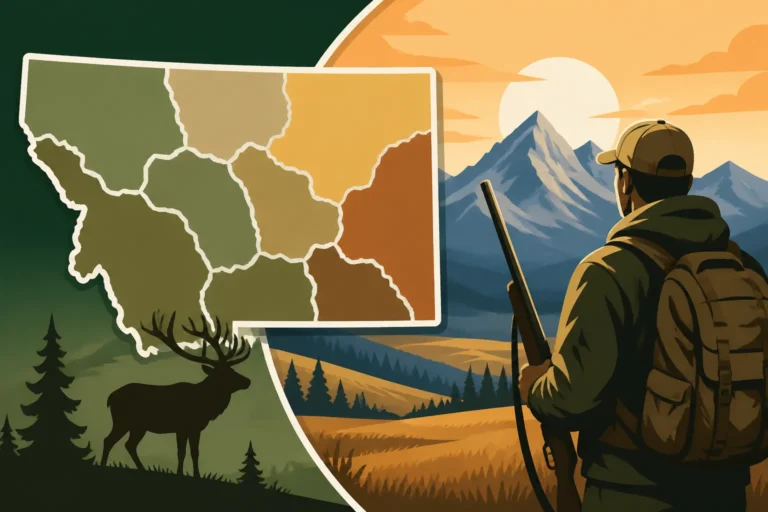
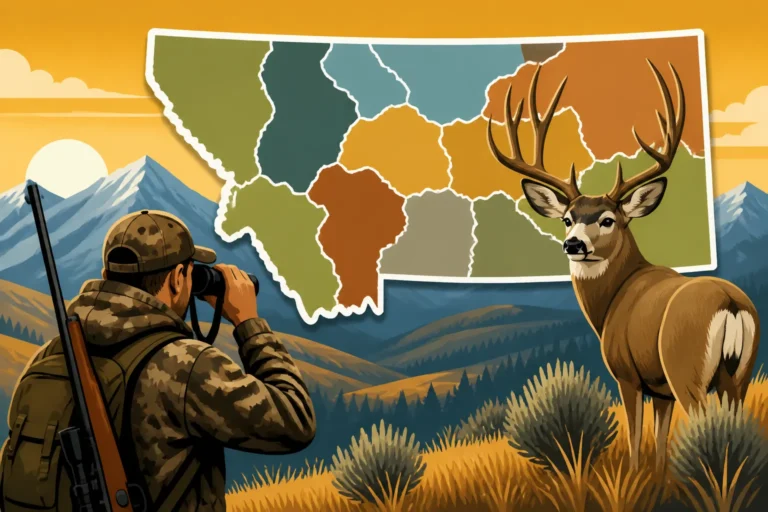
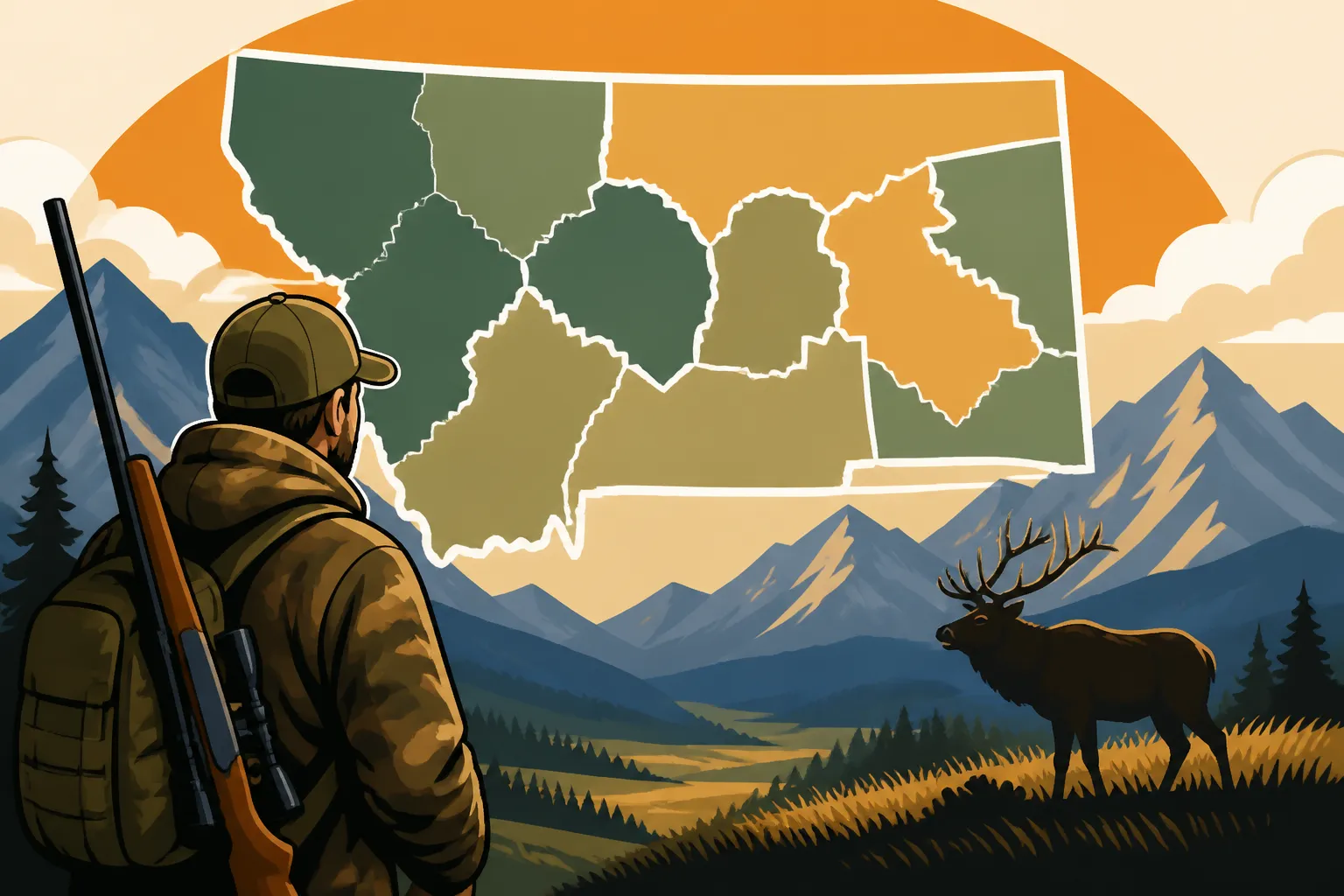
It’s a common dream, isn't it? The thought of packing up your gear, heading out into the vastness of Montana, and finding your own elk, mule deer, or antelope without a guide leading the way. But let's be real, turning that dream into a successful reality can feel incredibly daunting. You’re staring at maps, regulation books, and online forums, trying to make sense of hundreds of hunting districts and figuring out which ones truly offer a legitimate shot for a do-it-yourself hunter. This guide is here to cut through the confusion and help you pinpoint the best Montana hunting districts where a dedicated DIY approach can genuinely pay off.
Understanding the DIY Hunter's Mindset for Montana
There’s something uniquely fulfilling about a do-it-yourself hunt, especially in a state as wild and expansive as Montana. You’re not just chasing an animal; you’re embracing a profound challenge, testing your skills, and forging a deeper connection with the land on your own terms. But this kind of freedom comes with significant responsibilities and requires a specific mindset to succeed in Big Sky Country.
The Allure and Challenge of DIY Hunting in Big Sky Country
The allure of a Montana DIY hunt is undeniable. Imagine the silence of an early morning in the backcountry, the crisp mountain air, and the thrill of spotting a bull elk across a vast basin, knowing that every step, every decision, is yours alone. It’s an adventure that promises unparalleled independence and a deep sense of accomplishment when you finally tag out. Many hunters are drawn to the idea of a Montana DIY Elk Hunting Guide because it represents the purest form of the pursuit, a true test of self-reliance.
However, the challenges are just as immense. Montana is big. Its public lands are vast, rugged, and can be unforgiving. You’re up against not only the wilderness and the animals but also other hunters, unpredictable weather, and complex regulations that change annually. Unlike a guided hunt where logistics and local knowledge are handled for you, the DIY hunter is responsible for everything: scouting, navigation, packing, meat care, and safety. There's no one to lean on but yourself and your hunting partners. The margin for error is often much smaller, and the physical and mental demands are considerable. This isn’t a hunt for the faint of heart or those unwilling to put in the immense amount of preparation required long before opening day.
Key Considerations for Independent Hunters
Before you even start looking at specific hunting districts, it's crucial to honestly assess what you're looking for and what you're capable of. A successful DIY hunt in Montana hinges on a realistic evaluation of several factors. First, consider your physical fitness. Are you ready to hike miles in steep, high-elevation terrain with a heavy pack? Montana’s mountains demand serious endurance. Next, think about your experience level. Do you have a solid foundation in hunting, tracking, field dressing, and basic survival skills? Montana's backcountry can quickly turn dangerous for the unprepared.
Another critical consideration is the type of game you're targeting. Elk, mule deer, antelope, and whitetail each present unique challenges and thrive in different habitats. Your gear setup, from optics to boots to your weapon of choice, needs to be appropriate for the species and terrain. Finally, and perhaps most importantly, you need to commit to extensive pre-season planning. This means pouring over maps, understanding game movements, researching public land access, and familiarizing yourself with the specific regulations for your chosen district. Ignoring any of these considerations is a surefire way to turn a dream hunt into a frustrating, or even dangerous, experience.
Navigating Montana's Diverse Hunting Regions for DIY Success
Montana is a mosaic of different landscapes, each offering distinct hunting opportunities and requiring unique DIY strategies. Understanding these regional differences is the first step in narrowing down the best hunting districts for your independent adventure. From towering peaks to rolling prairies, the terrain dictates not only where the animals live but also how you'll hunt them.
Western Mountains and Forested Public Lands
When most people picture hunting in Montana, they often envision the rugged western mountains. This region, encompassing areas like the Bitterroot, Sapphire, and parts of the Beaverhead-Deerlodge National Forest, is characterized by vast expanses of public land, primarily National Forests and Wilderness Areas. It’s elk and mule deer country, with dense timber, steep slopes, and high alpine basins. For the DIY hunter, these areas offer incredible opportunities for a true backcountry experience, but they demand significant physical conditioning and a willingness to get deep into roadless areas to escape pressure. You'll likely need to consult a Montana Backcountry Hunting Guide before venturing into these remote reaches.
Hunting here often means multi-day pack-in trips, navigating complex terrain, and relying heavily on glassing techniques and tracking skills. Districts in these regions can hold good numbers of elk and mule deer, but finding them often means covering a lot of ground and being prepared for diverse weather conditions. Access is generally good, but the effective access—getting away from roads and other hunters—is what truly defines a successful hunt. If you're looking for solitude and a challenging, rewarding hunt in iconic western landscapes, these districts might be your ideal choice, but be prepared for the physical toll and logistical planning involved in a deep wilderness hunt.
Central Montana's Breaks and River Bottoms
Moving eastward from the main mountain ranges, central Montana presents a different, yet equally compelling, DIY landscape: the famed river breaks and fertile river bottoms. Areas like the Missouri Breaks are renowned for their rugged, canyon-filled terrain, often a mix of public lands (BLM, National Grasslands) and private ranches. This diverse environment is prime habitat for both mule deer and whitetail deer, and in many areas, elk can be found utilizing the broken country for cover. The "breaks" are characterized by steep, eroded hillsides, deep coulees, and scattered timber, making them perfect for spot-and-stalk tactics.
The river bottoms, such as those along the Milk River or the Missouri River, offer fantastic whitetail hunting. These areas are often a patchwork of private and public lands, including State Trust Lands and Block Management Areas, requiring careful navigation and permission-seeking. DIY hunters targeting whitetail in these areas will focus on understanding deer patterns along riparian corridors and agricultural edges, often utilizing ground blinds or tree stands. For those interested in this specific challenge, learning How to Hunt Whitetail in Montana River Bottoms is essential. The central regions offer a blend of opportunities, from challenging spot-and-stalk on mule deer in the breaks to more ambush-style hunting for whitetail along the rivers, all requiring diligent e-scouting and on-the-ground reconnaissance to find accessible hunting grounds.
Eastern Plains and Block Management Opportunities
Further to the east, Montana transitions into vast plains and rolling grasslands. This landscape, while seemingly less dramatic than the mountains, offers some of the best DIY opportunities for antelope and excellent hunting for mule deer and whitetail in specific habitats. The eastern plains are dominated by private agricultural lands interspersed with significant tracts of public land, including BLM and State Trust Lands. However, the real game-changer for DIY hunters in this region is the Block Management Program (BMP).
Montana Block Management Areas Explained are key to unlocking access to private lands that would otherwise be off-limits. These agreements between landowners and Montana Fish, Wildlife & Parks (FWP) provide public hunting access, often for specific species, during designated periods. A DIY hunter willing to do their homework and understand the nuances of the BMP can find incredible opportunities on these lands. Antelope thrive in this open country, offering thrilling How to Spot-and-Stalk Antelope in Montana hunts. Mule deer can be found in the coulees and badlands, while whitetail often stick to the river drainages and creek bottoms. Success here depends heavily on thoroughly researching available Block Management Units, respecting landowner rules, and being prepared for long drives between hunting areas. The sheer amount of ground available, when you factor in BMP, makes eastern Montana a DIY paradise for those who prefer open country and a slightly less physically demanding hunt than the high mountains.
| Region Type | Dominant Terrain | Primary Species for DIY | Typical Hunting Style | Public Land Access | Key DIY Challenge |
|---|---|---|---|---|---|
| Western Mountains | Rugged, forested, high elevation | Elk, Mule Deer | Backcountry, spot-and-stalk, still-hunting | High percentage, but often roadless | Physical endurance, remote logistics |
| Central Breaks | Canyons, coulees, mixed timber | Mule Deer, Whitetail, some Elk | Spot-and-stalk, glassing, ambush | Moderate, mixed with private | Navigating patchwork ownership, ruggedness |
| Eastern Plains | Open grasslands, rolling hills, river bottoms | Antelope, Mule Deer, Whitetail | Spot-and-stalk, blinds, utilizing Block Management | Moderate, often dependent on BMP | Access permission, open visibility |
Top Montana Hunting Districts for DIY Elk Hunters
Elk hunting in Montana is often seen as the pinnacle of a Western DIY experience. While drawing a coveted limited-entry permit can take years, many districts offer general season opportunities where a determined DIY hunter can find success. The key is knowing where to focus your efforts—districts with ample public land, decent elk populations, and terrain that allows for effective hunting without requiring a private land lease.
Districts Known for High Public Land Access
For the DIY elk hunter, public land is paramount. You need acres, and you need huntable acres. While exact district recommendations can shift with management changes and elk populations, generally speaking, districts with large swaths of National Forest or BLM land within Regions 1, 2, 3, and parts of 4 and 5 often provide the best foundation for a DIY hunt. Consider areas like those within the Beaverhead-Deerlodge National Forest (parts of Region 3) or the Helena-Lewis and Clark National Forest (parts of Region 4). These regions contain significant amounts of ground where you can walk for miles without hitting a fence line.
Districts like 380, 390, or many in the 400 series (410, 417, 441, 454) frequently offer general elk tags and provide a combination of timber, open parks, and draws. These are districts where you can embark on a full Montana Backcountry Hunting Guide experience or utilize remote two-track roads to get deep enough to avoid significant hunter pressure. The challenge isn’t usually finding public land, but rather finding elk that haven’t been pushed into adjacent private holdings or deep, dark timber. Your success will hinge on thorough pre-season scouting and an understanding of how to Locate Elk on Montana Public Land once the season opens. Utilizing tools like onX Hunt can be invaluable in identifying these large blocks of public ground and finding critical access points.
Districts with Manageable Terrain and Elk Numbers
While the wilderness offers solitude, some DIY hunters prefer districts where the terrain is challenging but doesn't necessarily demand multi-day pack-ins just to reach elk country. These districts often have a better network of Forest Service roads or trails, allowing for day trips from a base camp, while still offering significant public land to roam. The trick is to find that sweet spot: enough elk, enough public land, and terrain that's strenuous but not prohibitive for getting an animal out.
Look into districts that border wilderness areas or have significant "edge" habitat where timber meets open sagebrush, or where elk migrate between summer and winter ranges. Many districts in central Montana, like those in the Little Belt or Snowy Mountains (Region 4), can offer this balance. While they might see more hunter pressure, especially during the general rifle season, a persistent and physically capable hunter willing to hike beyond the easy access points can often find pockets of elk. These areas typically require good optics and patience, as elk might be more nocturnal or stick to thicker cover. The goal here isn't necessarily a "trophy" hunt, but a solid opportunity to harvest a cow or bull elk on public land with a DIY mindset.
Prime Montana Districts for DIY Mule Deer and Whitetail
Beyond elk, Montana offers outstanding opportunities for DIY deer hunters. Both mule deer and whitetail are popular targets, each thriving in distinct habitats and requiring different strategies. For the independent hunter, finding districts that consistently produce quality opportunities for these species on public or accessible private land is key.
Mule Deer Hotspots on Public Land
Mule deer are truly icons of the American West, and Montana holds some fantastic public land mule deer hunting. Their preference for open, broken country, sagebrush hillsides, and badlands makes them well-suited for spot-and-stalk tactics. For the DIY mule deer hunter, the vast public lands of eastern Montana (Regions 6 and 7) and the central Missouri Breaks (parts of Region 4 and 5) are often the most rewarding. Districts like those found around the Custer Gallatin National Forest or in the Powder River country can offer excellent hunting on BLM and State Trust lands.
These regions are ideal for long-range glassing, followed by strategic stalks. You’ll spend hours behind your binoculars or spotting scope, searching draws, coulees, and ridge lines for a tell-tale flicker of an ear or a patch of hide. Success in these districts often means covering ground, not necessarily by hiking endless miles in steep mountains, but by driving accessible two-tracks and then walking out ridgelines to glass new country. How to Hunt Mule Deer on Montana Public Land in these areas often involves a keen eye for subtle changes in topography and a deep understanding of mule deer behavior in open, arid environments. Moreover, many of these eastern districts benefit significantly from the Block Management Program, providing additional access to prime private land that can hold impressive bucks.
Whitetail Havens and River Systems
Montana's whitetail deer population is robust, particularly along river corridors and in agricultural country. For the DIY whitetail hunter, districts throughout central and eastern Montana that feature significant river systems—like the Yellowstone, Missouri, Milk, and their tributaries—are often excellent choices. These areas provide the dense cover, water, and food sources that whitetail thrive on. Districts in Region 5 (e.g., along the Yellowstone) and Region 6 (e.g., along the Milk River) are particularly known for strong whitetail populations.
Hunting whitetail in these environments typically involves a combination of scouting for active trails, pinch points, and food sources, often leading to setting up ground blinds or tree stands. The challenge for DIY hunters here is often navigating the checkerboard of public and private land ownership that characterizes these river bottom areas. Block Management Areas (BMAs) can again be a lifesaver, providing crucial access to private land parcels that connect public tracts. Learning How to Hunt Whitetail in Montana River Bottoms will involve understanding thermal currents, wind direction in dense cover, and the whitetail's generally more secretive nature compared to mule deer or antelope. Persistence and a willingness to knock on doors for permission, or thoroughly investigate BMA maps, are essential for a successful DIY whitetail hunt.
Leveraging Technology and Resources for Your DIY Hunt
In today’s hunting landscape, the "do-it-yourself" moniker doesn't mean you have to go it alone or rely solely on paper maps and outdated information. Modern technology and a wealth of readily available resources can dramatically enhance your planning, scouting, and execution, giving you a significant edge in finding the best Montana districts for your DIY hunt.
Essential Mapping and Scouting Tools
One of the biggest game-changers for any DIY hunter, especially in a state as vast and complex as Montana, is digital mapping software. Tools like onX Hunt have revolutionized how hunters approach public land. With onX Hunt, you can overlay property boundaries directly onto satellite imagery, clearly identifying public lands (National Forest, BLM, State Trust Land, Block Management Areas) and crucial access roads. This is invaluable for identifying huntable ground, avoiding trespassing, and understanding the layout of a district before you ever step foot in it. You can mark waypoints for potential water sources, bedding areas, travel corridors, and glassing knobs from the comfort of your home. Learning How to Use onX for Montana Hunting effectively can save you countless hours of scouting time and prevent frustrating encounters with private land.
Beyond real-time mapping, platforms like GoHunt offer an incredible suite of resources for planning, especially for nonresident hunters. GoHunt provides detailed draw odds, application strategies, and unit breakdowns for Montana, helping you understand the likelihood of drawing specific permits or identifying general season districts that align with your DIY goals. They offer information on game populations, public land percentages, and even historical success rates, which can be critical when deciding How to Choose a Montana Hunting District. These tools, used in conjunction, allow you to e-scout Montana hunting units with an unprecedented level of detail, helping you select districts that truly offer a fair shot for an independent hunter.
Interpreting FWP Regulations and Draw Odds
Montana's hunting regulations can be complex, and understanding them is non-negotiable for a DIY hunt. The Montana Fish, Wildlife & Parks (FWP) website is your primary source for official regulations, season dates, hunt codes, and draw results. Before selecting any district, you absolutely must read the current hunting regulations thoroughly. Pay close attention to unit-specific rules regarding antler point restrictions, brow tines, and antlerless opportunities. Different districts can have vastly different rules, even if they are geographically close. Knowing the difference between Montana General vs Permit Tags Explained is crucial, as is understanding the specific deadlines for license applications.
For permit hunts, interpreting draw odds is essential for managing expectations and strategizing your application. Resources from FWP and platforms like GoHunt provide historical draw statistics, allowing you to see how many points it typically takes to draw a specific permit in a given district. For general season tags, which are often the bread and butter of DIY opportunities, focus on the season dates for archery and rifle, any specific closures or limitations, and general harvest trends. Don't just look at the overall state success rates; dig into district-specific information where available. The more you understand these regulations and statistics, the better equipped you'll be to make informed decisions and embark on a legal and productive DIY hunt in Montana.
Disclaimer
Hunting is an inherently dangerous activity. This guide provides general information for educational purposes only and is not a substitute for official regulations, professional guidance, or personal due diligence. Always consult the most current Montana Fish, Wildlife & Parks regulations before planning any hunt. Hunting laws and conditions can change rapidly, and it is the hunter's sole responsibility to ensure compliance with all applicable rules and to prioritize safety.