Beaverhead-Deerlodge Hunting Guide
Hunting the vast expanses of Montana's wilderness can feel utterly overwhelming, especially when you're staring at a map that shows millions of acres of national forest. The sheer scale can paralyze you, making it tough to even know where to begin your research, let alone your actual hunt. But don't let the size of places like the Beaverhead-Deerlodge National Forest intimidate you. This guide is here to break down this magnificent, sprawling hunting ground, helping you understand its unique challenges and incredible opportunities so you can plan a successful and rewarding hunt.
Understanding the Beaverhead-Deerlodge National Forest Landscape for Hunting
The Beaverhead-Deerlodge National Forest isn't just a patch of woods; it's the largest national forest in Montana, a true behemoth of wild country. Spanning over 3.3 million acres across southwestern Montana, it encompasses a staggering diversity of landscapes. We’re talking about everything from high-alpine tundra and jagged peaks that scratch the sky to dense timbered slopes, rolling sagebrush hills, and river bottoms teeming with life. This incredible variety is both its biggest draw and its most daunting challenge for hunters.
Geographic Scope and Diverse Ecosystems
When you look at a map of the Beaverhead-Deerlodge (often just called the "B-D"), you'll see a complex tapestry of mountain ranges. It includes significant portions of the Pioneer Mountains, the Tobacco Root Mountains, the Gravelly Range, the Anaconda-Pintler Wilderness, and parts of the Continental Divide. Each of these ranges, and the valleys and drainages between them, presents a different face.
Think about the Pioneer Mountains, for instance. You've got towering, glaciated peaks that hold snow late into the year, giving way to steep, conifer-covered slopes that can be incredibly challenging to navigate. Down in the valleys, you'll find more open sagebrush and aspen groves. Then there are areas like the lower elevations near Dillon or Wisdom, where the landscape opens up more, resembling classic intermountain valleys with river corridors. This isn't a homogenous forest; it's a collection of distinct ecosystems, each demanding a slightly different approach from the savvy hunter. Understanding these micro-climates and terrain features is your first step to unlocking its secrets.
Key Species and Their Habitats
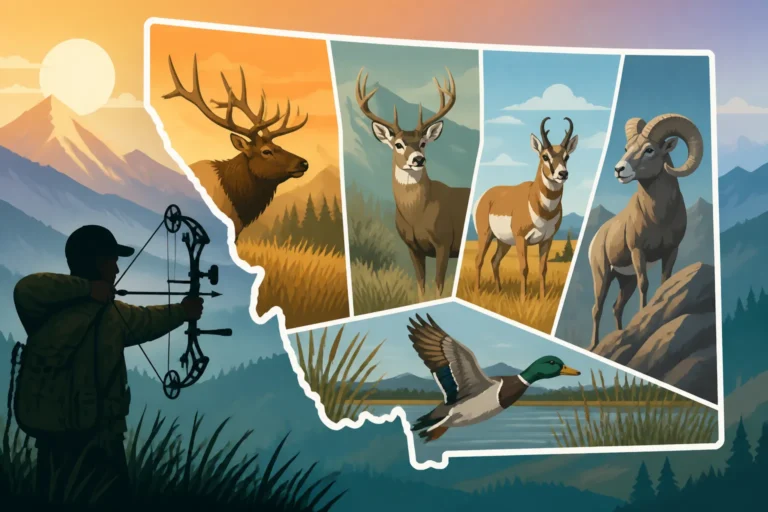
The rich biodiversity of the Beaverhead-Deerlodge means it's home to a fantastic array of big game. Elk, mule deer, and whitetail deer are the primary targets for most hunters, but you'll also find moose, bighorn sheep, mountain goats, and both black bears and grizzly bears in different pockets. Each species has its preferred haunts, and knowing these can dramatically narrow down your search.
For elk, you're often looking at those dense, north-facing timbered slopes at higher elevations, especially during daylight hours or after hunting pressure sets in. They'll drop to lower, more accessible areas for feeding in the mornings and evenings, particularly in more secluded basins. Mule deer, on the other hand, tend to favor more open, brushy slopes, often just below the timberline or in areas with patchy timber and sage. Whitetail deer are classic river bottom and agricultural edge dwellers, so you'll find them closer to the major drainages and private land interfaces, sometimes overlapping with forest service property. Moose are generally found in wet, riparian areas, often near willow thickets and beaver ponds at mid-to-high elevations, especially in the more northern and western parts of the forest. Bighorn sheep and mountain goats are creatures of the high, rugged peaks and cliffs, often requiring specialized permits and an even more demanding physical effort to pursue. Understanding these habitat preferences is crucial for effective scouting and hunting.
Navigating Access and Regulations in the Beaverhead-Deerlodge
The sheer size of the Beaverhead-Deerlodge National Forest means there are countless ways in, but not all access points are created equal. Knowing how to efficiently navigate this vast area, both physically and through the bureaucratic maze of regulations, is paramount to a successful hunt.
Public Access Points and Road Systems
Access into the B-D ranges from incredibly easy to practically non-existent. You've got major highways like Interstate 15 running along its eastern edge, U.S. Highway 93 slicing through its western side, and scenic Montana Highway 43 winding right through its heart, connecting towns like Wisdom and Dillon. From these arteries, a vast network of Forest Service roads branches out, some well-maintained gravel, others barely two-track trails that require a high-clearance 4×4, and many that are seasonal and impassable during wet or snowy conditions.
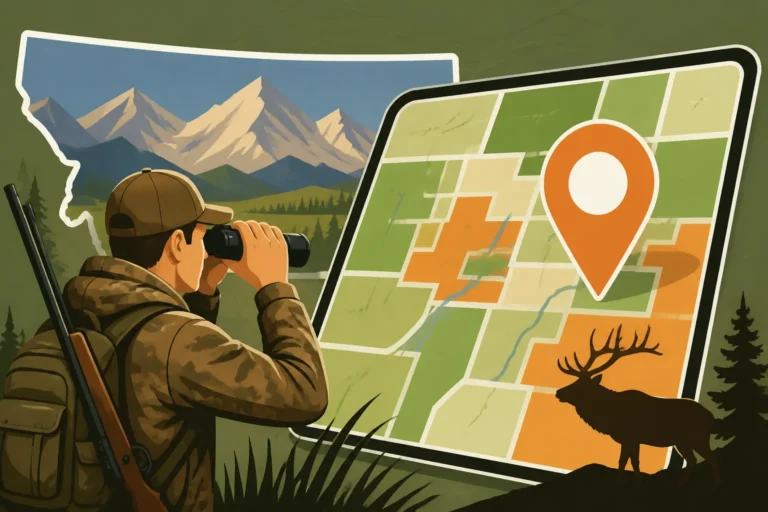
Crucially, some of the best hunting areas are miles from any road, deep within designated wilderness or roadless areas. This is where tools like onX Hunt become absolutely indispensable. You can clearly see public and private land boundaries, forest service roads, ATV trails, and even wilderness boundaries right on your phone or GPS. It's a game-changer for avoiding trespassing or planning your route into prime backcountry. You need to verify road status through the local Forest Service Ranger District offices, as conditions can change rapidly due to weather, logging, or fire. Don't just assume a road marked on an older map is open or passable; always double-check.
Understanding Hunting Districts and Permits
The Beaverhead-Deerlodge National Forest is not a single hunting district (HD); it spans numerous districts, each with its own regulations, season dates, and permit requirements. You might be hunting in HD 310 one day and contemplating a push into HD 330 the next, only to find the regulations are entirely different. This complexity is one of the biggest frustrations for new hunters in Montana.
For elk, many districts within the B-D are "general," meaning if you draw a general elk license (like the nonresident Big Game Combo or Elk Combo), you can hunt during the general season without an additional permit. However, many of the most sought-after units, especially those known for trophy potential or high success rates, are "permit-only" units requiring a special draw. This system applies to deer as well, particularly for mule deer B licenses or antlerless elk tags. Species like moose, bighorn sheep, and mountain goats are almost exclusively permit-only, often requiring many years of applying and building points to even have a slim chance of drawing. Understanding the nuances of Montana General vs Permit Tags Explained is vital before you even consider applying. Resources like GoHunt provide invaluable data on draw odds for specific units, helping you make informed decisions on where to put your points and applications.
| Species | Primary Habitat | Common Hunting Tactics | Typical District Status (B-D) |
|---|---|---|---|
| Elk | Dense timber, north-facing slopes, high basins | Spot-and-stalk, calling, still-hunting | General & Permit |
| Mule Deer | Open, brushy slopes, timber fringe, ridges | Spot-and-stalk, glassing | General & Permit (B tags) |
| Whitetail | River bottoms, agricultural edges, dense cover | Stand hunting, still-hunting, drives | General |
| Moose | Riparian areas, willow thickets, beaver ponds | Spot-and-stalk, calling | Permit Only |
| Bighorn Sheep | High alpine, rocky cliffs, exposed ridges | Spot-and-stalk, extreme glassing | Permit Only |
| Black Bear | Timbered slopes, berry patches, creek bottoms | Spot-and-stalk, baiting (where legal) | General (spring/fall) |
Strategies for Success in the Beaverhead-Deerlodge Backcountry
Hunting in the Beaverhead-Deerlodge is rarely easy. It demands preparation, resilience, and a solid strategy. This isn't flat-land hunting; it's physically demanding, mentally taxing, and incredibly rewarding.
E-Scouting and Pre-Season Planning
Before you ever set foot on the ground, your hunt in the Beaverhead-Deerlodge should begin with intensive e-scouting. This involves using online mapping tools, satellite imagery, and various data sources to identify potential hunting areas from the comfort of your home. Start by familiarizing yourself with How to E-Scout Montana Hunting Units. Look for areas with a good mix of feed, water, and cover – the holy trinity for big game. Identify potential bedding areas (often dense timber on north-facing slopes for elk, or broken terrain for mule deer), travel corridors (ridges, saddles, drainages), and water sources.
Pay close attention to public land boundaries using tools like onX Hunt. Note any adjacent private land, as animals will often move between public and private depending on pressure and feeding opportunities. Look for historical burn areas, which can create fantastic new forage, and identify remote basins or roadless areas that might hold less pressured animals. Cross-reference this with historical weather data for typical snowlines and prevailing winds during your hunt dates. A solid e-scouting plan can save you days of aimless wandering and put you in the right general area.
Effective Hunting Tactics for Mountain Terrain
Once you're on the ground, the Beaverhead-Deerlodge demands adaptable tactics. Spot-and-stalk is arguably the most effective method for elk and mule deer in this country, particularly if you're hunting in more open, broken terrain. This involves finding a high vantage point, like a ridge or a knob, and spending hours patiently glassing with good optics to locate animals. Once spotted, carefully plan your approach, using terrain features and wind to your advantage. Read more about Montana Elk Hunting: Spot-and-Stalk Tactics to refine your approach.
For denser timber, especially when elk are seeking refuge, still-hunting or slow-moving through the woods can be productive. This requires extreme stealth, paying attention to every twig snap and every subtle movement. Calling can also be highly effective, especially for elk during the rut, but even outside the rut, cow calls can often pique a bull's curiosity. Understanding How to Call Elk in Montana can give you a significant edge. Always use the wind and thermals to your advantage; animals in this country are acutely aware of scent, and a misplaced thermal can ruin your day. Remember, the animals often dictate the method; be prepared to switch gears.
Gear and Physical Preparation
Hunting the Beaverhead-Deerlodge is a physically demanding endeavor. You will be hiking miles, often at high elevations, over steep and uneven terrain. Adequate physical preparation is not just a recommendation; it's a necessity. Start a fitness regimen well in advance, focusing on cardio, leg strength, and endurance. Being in shape means you can hunt harder, longer, and more safely.
Your gear selection is equally critical. Quality boots are paramount – something sturdy, waterproof, and well-broken in. Blisters can end a hunt faster than anything. A reliable backpack, capable of comfortably carrying your daily essentials and potentially a heavy load of meat, is also non-negotiable. Check out the Best Boots for Montana Elk Hunting and the Best Backpack for a Montana Elk Hunt for detailed recommendations. Good optics (binoculars, spotting scope) are your best friends for finding game in this expansive country. Layers of clothing are essential to adapt to Montana's rapidly changing mountain weather, which can go from warm sunshine to snow squalls in a matter of hours. And always, always carry emergency supplies, a reliable navigation device (onX Hunt being a prime example), and tell someone your plan, especially if you're venturing deep into the backcountry. A full Montana Backcountry Hunting Gear List would be beneficial to consult.
Dealing with Challenges and Finding Rewards
The Beaverhead-Deerlodge, like any vast public land, comes with its own set of challenges, from hunter pressure to unexpected weather, but it also offers some of the most profound rewards for those willing to earn them.
Dealing with Hunting Pressure and Finding Solitude
One of the biggest frustrations for hunters on easily accessible public land is pressure. The Beaverhead-Deerlodge is no exception, especially on opening weekend or in districts known for general tags. However, its immense size also means that solitude is absolutely achievable if you're willing to work for it. The general rule of thumb is: the further you get from a road, the fewer people you'll encounter. This is where a willingness to How to Pack Into the Montana Backcountry truly pays off.
Focus your efforts on wilderness areas, designated roadless areas, or simply drainages that require a significant hike to reach. Use your e-scouting tools to identify these less-traveled spots. Hunting mid-week can also significantly reduce pressure. Animals in heavily hunted areas become incredibly wary; they learn to move at night, bed in the densest cover, and avoid roads. Adapting your strategy to this behavior, focusing on these sanctuaries, or hunting later in the season after the initial rush has subsided, can lead to success. Remember, a major part of Montana Public Land Hunting Strategy is often about out-thinking and out-walking other hunters.
Unique Opportunities for Trophy and Meat Hunters
While Montana isn't exclusively a "trophy state" like some others, the Beaverhead-Deerlodge National Forest absolutely holds the potential for truly exceptional animals. The diverse ecosystems and the sheer acreage provide ample habitat for elk and deer to grow to impressive sizes, especially in units with limited entry permits or those that are particularly remote. If a giant bull elk or a massive mule deer buck is your goal, you'll likely need to focus on specific permit districts and be prepared for a physically demanding hunt deep in the backcountry.
However, even if your goal is simply to fill the freezer, the Beaverhead-Deerlodge offers abundant opportunities. Many general units, particularly for antlerless elk or general mule deer and whitetail tags, can provide fantastic meat hunting experiences. These opportunities might be closer to roads or in areas with slightly more pressure, but with perseverance and good scouting, you can find success. Whether you're chasing a Boone and Crockett contender or just delicious wild game for your family, the Beaverhead-Deerlodge delivers. This is truly an area that rewards the diligent, prepared hunter with both incredible experiences and a freezer full of organic, free-range protein. Consider studying the overall Montana Elk Hunting Guide or Montana Mule Deer Hunting Guide for more species-specific information to enhance your hunt in this vast area.
Disclaimer
Hunting is an inherently dangerous activity. The information provided in this guide is for informational purposes only and should not be taken as a substitute for official regulations, professional guidance, or personal responsibility. Always consult the most current Montana Fish, Wildlife & Parks regulations, seek proper training, and prioritize safety above all else. This guide does not endorse illegal activities or unsafe practices.