Elkhorn Mountains Hunting Guide
For many hunters dreaming of Montana, the idea of pursuing elk and mule deer in rugged, beautiful mountains is the ultimate draw. But when you start looking at specific areas, the sheer amount of information, or often the lack thereof, about a particular mountain range can feel overwhelming. You’re left wondering if it's the right fit for your skills, your chosen season, or even if it holds the kind of game you're after. This comprehensive guide will peel back the layers of hunting in the Elkhorn Mountains, offering insights into its unique terrain, game populations, effective strategies, and the essential preparations you'll need to make your hunt a success.
Understanding the Elkhorn Mountains Hunting Landscape
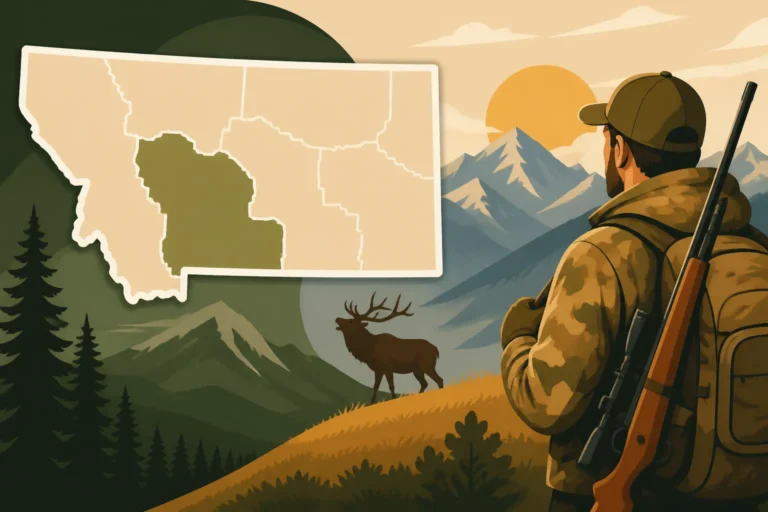
The Elkhorn Mountains, affectionately known as "the Elkhorns" by locals, rise majestically between Helena and Boulder, Montana. This range is a true gem, offering a mix of dense timber, high alpine meadows, steep canyons, and accessible national forest land, all within relatively easy reach of population centers. While this accessibility can mean higher hunter pressure in some spots, it also means a wealth of opportunities for those willing to put in the work to explore.
Geography and Distinctive Terrain
Geographically, the Elkhorns are a fascinating place. Elevations range from around 5,000 feet in the lower valleys to over 9,000 feet at peaks like Crow Peak and Elkhorn Peak. You'll encounter a mosaic of habitats: dark timber, primarily Douglas fir and lodgepole pine, providing critical cover and bedding areas; aspen groves that light up in the fall and offer transitional forage; and sprawling open parks and steep, grassy hillsides that are perfect for glassing. The north-facing slopes tend to hold snow longer and offer cooler, denser cover, often serving as prime bedding areas for elk, especially once hunting pressure starts. Conversely, south-facing slopes melt out faster, providing early season forage and often attracting mule deer.
Navigating this terrain requires good physical conditioning and reliable gear. Expect steep climbs, rocky footing, and brushy draws that can test even the most seasoned hunter. Water sources are generally plentiful, especially in spring and early summer, but can dry up in late season, concentrating animals around remaining water holes or wallows. Understanding these micro-habitats is crucial for successful hunting, whether you're chasing a bull elk through the timber or glassing for a mule deer buck on a high ridge.
Primary Game Species
When people talk about hunting in the Elkhorns, their thoughts almost immediately turn to elk and mule deer, and for good reason. Both species thrive in this diverse environment, though their preferred habitats can differ.
- Elk: The Elkhorns support a healthy elk population, drawing hunters from across the state and beyond. You'll find elk across various elevations, moving between dense timber for security and open parks for feeding. During the early archery season, bulls are often vocal, especially during the rut, making calling strategies highly effective. As the season progresses into rifle season, elk tend to retreat into thicker cover and steeper, less accessible areas to escape pressure. Understanding how to find elk in Montana dark timber is paramount here.
- Mule Deer: Mule deer are also abundant, often found in the more open, broken country, particularly on south-facing slopes, rocky areas, and the edges of timber. They are masters of using topography to their advantage, often disappearing into seemingly sparse cover. Early season archery can be excellent for mule deer, especially if you can locate them on summer ranges. During the rifle season, hunters often focus on glassing large areas and identifying patterns of movement between feeding and bedding.
Beyond these two mainstays, the Elkhorns also offer opportunities for black bear, particularly in spring and fall, mountain lion (requiring a special permit and typically hunted with hounds), and various small game and upland birds. It’s a truly diverse ecosystem for the dedicated hunter.
Access and Regulatory Framework
The Elkhorns fall primarily within Montana Fish, Wildlife & Parks (FWP) Region 3, specifically encompassing several hunting districts. For many years, the Elkhorns have been a general elk hunting area, meaning that if you draw a general elk license (like the Nonresident Combination License or a resident general elk tag), you could hunt elk there. However, regulations can and do change. It's always critical to consult the most current Montana Hunting Seasons Explained guide released by FWP before planning your trip.
Permit-only districts or specific antlerless quotas might be implemented based on population management goals. For instance, specific antlerless B licenses or limited-entry permits might exist for certain districts within the Elkhorns to manage cow numbers. Non-resident hunters, in particular, need to be acutely aware of the Montana Nonresident License Draw Explained and the types of licenses and permits required. Tools like onX Hunt are invaluable for understanding boundaries and regulations on the ground, but nothing replaces checking the official FWP regulations for your specific hunt year. For mule deer, the general deer tag typically covers most of the range, but again, always verify.
Effective Strategies for Elk Hunting in the Elkhorn Mountains
Elk hunting in the Elkhorns is a challenging but highly rewarding endeavor. Success often hinges on a combination of strategic planning, understanding elk behavior, and being physically ready for the demanding terrain.
Locating Elk in Diverse Terrain
Elk are creatures of habit and security, especially during hunting season. In the Elkhorns, this means they'll often be found in particular types of terrain that offer food, water, and most importantly, cover from human activity.
- Timber and North-Facing Slopes: As pressure increases, elk will often retreat deep into the dense, dark timber on north-facing slopes. These areas offer thermal cover, shade, and security. Spend time still-hunting Montana timber, moving slowly with the wind in your face, pausing often to listen and look for fresh sign. Don't be afraid to venture into the steepest, gnarliest canyons and darkest stands of trees; that's often where the big bulls are hiding. Learn how to find elk in Montana dark timber, as these spots are sanctuaries.
- High Basins and Saddles: Elk frequently use high basins for bedding and feeding, particularly during the archery season when they are less pressured. Saddles and ridges connecting these basins serve as natural travel corridors. E-scouting Montana hunting units using satellite imagery and topo maps can reveal these features long before you set foot on the mountain. Look for wallows, fresh rubs, and well-used game trails.
- Water Sources and Feeding Areas: In the early season, elk will often frequent water holes and lush feeding grounds in the early morning and late evening. As the season dries out, remaining water sources become critical. Focus your efforts on glassing these areas from a distance at dawn and dusk. Remember, elk in the Elkhorns are constantly moving between these elements, so understanding their daily cycle is key.
Proven Hunting Methods for Elkhorns
Different times of the season and different terrains call for different tactics. Being versatile in your approach will greatly increase your odds.
- Spot-and-Stalk: While often associated with open country, spot-and-stalk can be highly effective in the more open parks and transitional zones of the Elkhorns. Use good optics to glass vast areas at first light and last light, looking for feeding elk. Once an animal is spotted, meticulous planning of your approach, considering wind, thermals, and cover, is vital. For more detailed insights, check out our guide on Montana Elk Hunting: Spot-and-Stalk Tactics.
- Calling Strategies: During the peak rut (late September to early October), calling is arguably the most exciting and effective method. Learn how to bugle for Montana elk to locate bulls, and use cow calls to draw them in closer. Remember that calling success often depends on knowing when to be aggressive and when to be subtle. Bulls can be wary, especially after hearing numerous calls, so reading the situation is crucial. If you're looking for more, our guide on Montana Elk Hunting: Calling Tactics dives deeper.
- Still-Hunting and Ambush: When elk are pressured and tight-lipped, still-hunting through timbered areas can be incredibly productive. Move slowly, silently, and deliberately, often taking a step or two and then pausing for several minutes, scanning every shadow and opening. Another effective tactic is to ambush elk along known travel corridors between bedding and feeding areas. This requires extensive scouting to identify these pinch points.
Managing Hunter Pressure
The Elkhorns are a popular area, especially on weekends during the general rifle season. Hunter pressure is a real concern, but it also dictates elk movement.
- Hunt Deep and Steep: The most common advice, and often the most effective, is to simply go where others won't. This means hunting deeper into wilderness study areas or climbing to higher, steeper elevations that deter less determined hunters. Physically preparing for a Montana elk hunt is crucial if you plan to employ this strategy.
- Utilize Mid-Week Opportunities: If your schedule allows, hunting during the week can significantly reduce the number of other hunters you encounter. Elk will often settle back into more predictable patterns once the weekend crowds dissipate.
- Hunt the "Holes": Even in heavily hunted areas, there are often pockets of overlooked terrain—small, steep drainages, dense stands of timber, or seemingly inaccessible benches—that elk will use as refuges. Using mapping tools like onX Hunt can help identify these potential "holes" that others might pass by. Also, check out our piece on How to Hunt Montana Public Land Pressure for more specific advice.
Strategic Approaches for Mule Deer Hunting in the Elkhorn Mountains
While elk often steal the spotlight, the Elkhorns offer fantastic opportunities for mule deer. These desert-adapted deer thrive in the more open, rugged country, and a dedicated hunter can find some exceptional bucks.
Identifying Productive Mule Deer Habitat
Mule deer in the Elkhorns will utilize different habitats than elk, though there can be overlap, especially in transition zones.
- High-Elevation Basins and Rocky Outcrops: Mule deer often prefer higher, rockier terrain, especially bucks seeking security and solitude. Look for areas with a mix of small timber patches, sagebrush, and broken rocky slopes. These areas provide excellent vantage points for the deer and ample escape routes. Learn how to glass Montana's big country to effectively cover these areas.
- Transitional Zones: The edges where dense timber gives way to open parks or clearings are often hotbeds of mule deer activity, especially during feeding times at dawn and dusk. These areas offer both forage and quick access to cover.
- South-Facing Slopes: Early in the season and during colder periods, south-facing slopes are often preferred due to warmer temperatures and earlier snowmelt, which provides access to forage sooner. Use your binoculars to thoroughly pick apart these slopes.
Mastering Spot-and-Stalk for Mule Deer
Spot-and-stalk is the quintessential method for hunting mule deer in the Elkhorns, capitalizing on their tendency to inhabit open or semi-open country.
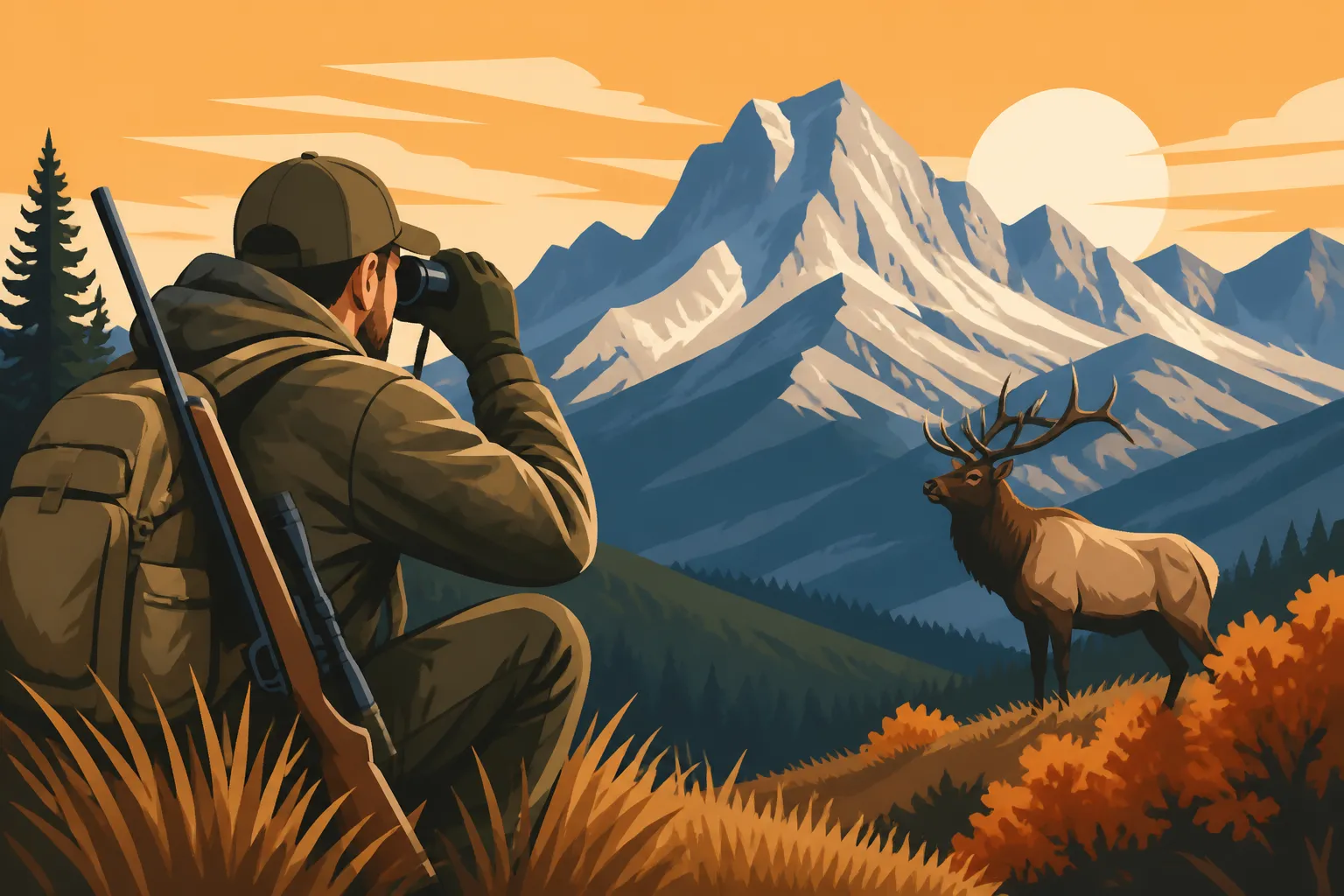
- Effective Glassing Techniques: This cannot be emphasized enough. Good quality binoculars (10x or 12x) and a spotting scope are indispensable. Spend hours patiently glassing from a high vantage point, systematically picking apart every shadowed draw, rockslide, and timber edge. Look for antlers, ears, or any unnatural outline. GoHunt has some excellent resources on optics that can help you select the right tools for this.
- Patient Observation: Once you spot a deer, don't rush. Watch it for an extended period. Understand its direction of travel, feeding patterns, and where it might bed down for the day. This intelligence gathering is crucial for a successful stalk.
- Strategic Approach: Mule deer have incredible eyesight and can pick up movement from a great distance. Use terrain features, draws, and timber to conceal your approach. Always pay close attention to the wind direction, as their sense of smell is also acute. For more on this, our Montana Mule Deer Hunting: Spot-and-Stalk Tactics article offers in-depth advice.
Understanding Mule Deer Movement Patterns
Mule deer movements are influenced by forage, breeding cycles, and hunter pressure. Knowing these patterns helps you anticipate their location.
- Early Season: In the archery season, mule deer are often in predictable summer patterns, frequenting high-elevation feeding areas. Bachelor groups of bucks are common. Focus on finding these groups before they disperse.
- The Rut: The mule deer rut typically occurs in mid to late November, often overlapping with the later stages of the general rifle season. Bucks become much more active and less cautious as they pursue does. Focus on areas with concentrations of does during this period.
- Pressure-Induced Movement: Like elk, mule deer will quickly adapt to hunting pressure. They'll become more nocturnal or move into denser cover and steeper terrain that offers sanctuary. Be prepared to hunt these harder-to-reach areas, especially on public land.
Essential Gear and Preparation for Elkhorn Hunts
A successful hunt in the Elkhorns isn't just about strategy; it's also about being properly equipped and physically ready for the challenges of mountain hunting.
Footwear and Layered Clothing
The weather in the Elkhorn Mountains can change drastically, sometimes within a single day. Investing in quality gear is not just a comfort, it's a safety measure.
- Sturdy, Waterproof Boots: This is non-negotiable. You'll be covering miles of steep, uneven, often wet terrain. A good pair of broken-in, waterproof, supportive hunting boots is critical. Look for models with stiff soles for side-hilling and ankle support. Our guide on Best Boots for Montana Elk Hunting provides excellent recommendations.
- Layered Clothing System: Forget bulky, single-layer warmth. A quality layering system allows you to adapt to temperature fluctuations. Start with a moisture-wicking base layer, add insulating mid-layers (fleece or down), and top it off with a waterproof/windproof outer shell. Wool or synthetic materials are far superior to cotton, which holds moisture and chills you quickly.
- Rain Gear: Always carry reliable rain gear, even if the forecast looks clear. Mountain weather is notoriously unpredictable, and a sudden downpour or snow shower can turn a pleasant day into a miserable, hypothermia-inducing experience without proper protection.
Optics, Navigation, and Safety Tools
Being able to see, know where you are, and communicate are paramount in the backcountry.
- Quality Optics: As mentioned for mule deer, good binoculars (10x-12x) are essential for both elk and deer. A spotting scope can be incredibly helpful for confirming species, judging animals, and picking apart distant slopes without burning boot leather. Rangefinders are also critical for accurate shot placement in mountain environments where judging distance can be deceiving.
- GPS and Digital Maps: A dedicated GPS unit or a smartphone with a reliable mapping application like onX Hunt is absolutely crucial. Download offline maps for your entire hunting area before you leave service. This allows you to track your position, mark waypoints (sign, game sightings, kill sites), and navigate confidently, even in dense timber or fog. Familiarize yourself with how to E-Scout Montana Hunting Units using these tools before your trip.
- Emergency Communication and Safety Gear: Carry a reliable headlamp with extra batteries, a first-aid kit, fire-starting materials, and emergency shelter. Consider a satellite messenger device (like a Garmin inReach or Zoleo) for off-grid communication and emergency SOS capabilities. Cell service is unreliable in much of the Elkhorns. Always tell someone your hunting plan, including your intended route and return time. Our Montana Backcountry Hunting Safety Tips offers more advice.
Physical Conditioning
The Elkhorns are not for the faint of heart. The rugged terrain and elevation gain demand a high level of physical fitness.
- Cardiovascular Endurance: Focus on activities that build your lung capacity, such as hiking with a weighted pack, trail running, or stair climbing. Simulate the demands of hunting by training on uneven terrain. Read up on a good Montana Elk Hunt Fitness Plan.
- Strength and Stamina: Strong legs, core, and back muscles are essential for navigating steep slopes and, most importantly, for packing out an animal. Incorporate squats, lunges, deadlifts, and core exercises into your routine. Remember, packing out an elk in Montana can be a multi-day, incredibly strenuous effort.
- Mental Toughness: Beyond the physical, mountain hunting requires significant mental fortitude. Be prepared for long days, challenging conditions, and the occasional setback. A positive attitude and persistence are just as important as strong legs.
Navigating Public Access and Regulations in the Elkhorns
Montana prides itself on its vast public lands, and the Elkhorns are no exception. However, understanding the nuances of public and private land boundaries, as well as specific regulations, is vital for a legal and successful hunt.
Understanding Public Land Boundaries
The Elkhorns are characterized by a patchwork of land ownership, predominantly U.S. Forest Service (Helena-Lewis and Clark National Forest), with some Bureau of Land Management (BLM) tracts and State Trust Lands.
- National Forests: The majority of the Elkhorn Mountains fall within the Helena-Lewis and Clark National Forest. These lands are open to public hunting, but specific travel regulations (motorized vs. non-motorized) can apply to different roads and trails. Always check forest service maps and regulations.
- BLM and State Trust Lands: While often interspersed, BLM lands and Montana State Trust Lands also offer hunting opportunities. State Trust Lands sometimes require a State Land Use License in addition to your regular hunting license, so verify with FWP. Using a mapping application like onX Hunt is absolutely essential here. It clearly delineates public and private land boundaries, allowing you to confidently identify legal access points and avoid trespassing. This is how to get the most out of your Montana Public Land Hunting Guide.
Block Management Areas and Private Land Access
While the Elkhorns are largely public, pockets of private land exist, and nearby agricultural areas can play a role in game movement.
- Block Management Areas (BMAs): Montana’s Block Management Program is a fantastic initiative where private landowners allow public hunting access on their property. While less common directly within the dense timber of the higher Elkhorns, BMAs can be found in the foothills and surrounding agricultural areas, providing crucial access to deer and sometimes elk moving between private and public land. Always check the FWP website for a list of current BMAs, their specific rules (some require sign-in, others reservations), and maps. Understanding Montana Block Management Areas Explained can unlock additional opportunities.
- Private Land Permission: For lands not part of the BMA program, securing landowner permission is the only way to hunt private property. This requires polite inquiry, respecting the landowner's wishes, and often building relationships over time. Never assume access.
Key Regulations and Permits
Montana's hunting regulations can seem complex, but understanding the basics is crucial.
- General vs. Limited Entry: Many districts in the Elkhorns are historically "general" for elk, meaning a general elk license is sufficient. However, FWP continuously reviews population data and may implement limited-entry permits for specific districts or species to manage herds. Always check the current regulations for Montana General vs Permit Tags Explained.
- Hunt Codes: Every species in every district has a specific hunt code. When applying for permits or even confirming general season legality, you'll need to know these codes. Familiarize yourself with Montana Hunt Codes Explained to ensure you're pursuing your target legally.
- Antler Point Restrictions: Be aware of any antler point restrictions that may apply to bulls or bucks in certain districts. This is a common management tool to protect younger animals and improve herd quality. Always ensure you can legally identify a legal animal in the field.
Elkhorn Mountains Hunting Opportunities Table
To give you a quick overview of what to expect, here's a table summarizing hunting opportunities for the main big game species in the Elkhorn Mountains.
| Species | Primary Habitat | Typical Hunting Method | Season Considerations |
|---|---|---|---|
| Elk | Dense timber, north-facing slopes, high basins | Calling, Still-hunting, Spot-and-Stalk | Archery: Rut activity high. Rifle: Increased pressure, elk go deep. |
| Mule Deer | Open ridges, rocky outcrops, timber edges, south-facing slopes | Spot-and-Stalk, Glassing | Archery: Summer patterns, bachelor groups. Rifle: Rut in late season. |
| Black Bear | Timbered slopes, berry patches | Spot-and-Stalk, Baiting (where legal) | Spring: Forage on green-ups. Fall: Feeding on berries/acorns before denning. |
| Mountain Lion | Rugged, timbered areas, following deer/elk | Hounds (special permit), Incidental | Often pursued in winter on snow. Requires specific permit and can be challenging. |
This table provides a general guide, but remember that animal behavior and habitat use can vary year to year based on weather, forage, and pressure. Adaptability is your best friend in the Elkhorns.
Disclaimer
Hunting is an inherently risky activity. The information provided in this guide is for informational purposes only and is not a substitute for official regulations, professional guidance, or personal due diligence. Always consult the latest Montana Fish, Wildlife & Parks regulations and maps before planning and executing any hunt. Be aware of weather conditions, practice safe firearm handling, and prioritize your safety and the safety of others in the field.