How to Hunt Elk Water Holes in Montana
The search for Montana elk often feels like chasing ghosts, especially when they aren't bugling their heads off or leaving obvious tracks in the snow. But there's a secret weapon many hunters overlook or underutilize: water holes. When conditions are dry, or in specific types of terrain, these seemingly insignificant spots can become absolute magnets for thirsty elk. This guide will help you pinpoint these critical locations and set up for success.
Understanding Elk Hydration Needs in Montana
Elk, like all living creatures, need water to survive. But their hydration needs aren't static; they shift dramatically with the seasons, weather patterns, and even the specific landscape they inhabit. Ignoring these factors can lead you to spend countless hours overlooking a dry creek bed while the elk are actually congregating elsewhere.
Seasonal Variations and Water Sources
Montana's diverse landscape means that what constitutes a critical water source changes throughout the year. In the spring, melting snow provides ample water almost everywhere, making specific water holes less of a concentrated draw. As summer progresses and temperatures rise, especially in a dry year, small seeps, springs, and stock tanks become increasingly vital. This is when water hole hunting really shines.
Come fall, during the archery and early rifle seasons, if the landscape is dry, elk will travel significant distances to get a drink. You might find them hitting the same isolated seep on a ridgeline day after day. Once winter sets in and snow blankets the ground, elk often get much of their hydration from eating snow, reducing their need to visit open water. However, even in winter, a flowing spring that doesn't freeze might still be a key stop, especially during a dry spell between snowfalls. It's crucial to consider the time of year and prevailing conditions. For instance, understanding Montana Elk Season Dates Guide will help you anticipate these seasonal changes in elk behavior.
The Role of Weather and Terrain
Montana's weather plays an enormous role in water hole dynamics. A long, hot, and dry spell in late August through September can turn even small, muddy puddles into prime elk real estate. Conversely, a wet summer with frequent rain showers means elk can find water almost anywhere, dispersing them and making water holes less predictable. Consider the terrain as well. In arid, eastern Montana plains or the more open, broken country of the Missouri Breaks, water sources are much scarcer and thus more valuable to elk than in the lush, heavily timbered drainages of western Montana, where springs are more abundant.
Topography also dictates access. Steep, rugged canyons might funnel elk to specific, accessible water points at the bottom, while flatter, rolling hills might offer more diffuse water options, but still funnel traffic to the largest or most reliable sources. Knowing How Weather Moves Montana Elk can drastically improve your water hole hunting strategy.
Identifying Primary Water Sources
Primary water sources for elk in Montana can range from obvious rivers and large lakes to incredibly subtle, often overlooked spots. Rivers and larger streams are constant, but elk might only visit them under the cover of darkness or if other options are unavailable due to pressure. Stock ponds, often built for cattle, are goldmines, especially on Block Management Areas or private lands. These are typically consistent and attract a variety of wildlife.
Natural springs and seeps, however, are the true gems. They can be tiny, just a wet spot on a hillside with enough standing water for an elk to drink, or larger, creating a small pool. These often stay thawed longer into the fall and can be less disturbed by human activity. Don't overlook wallows either, which are often associated with a water source and provide a muddy bathing spot for bulls during the rut.
Locating Productive Elk Water Holes
Finding a water hole is one thing; finding one that elk consistently use and that offers a good hunting opportunity is another. This isn't just about looking for blue on a map; it's about connecting those blue spots to elk behavior and travel patterns.
E-Scouting for Water Sources with Technology
In today's hunting world, effective e-scouting is non-negotiable, and it's your first step to identifying potential water holes. Apps like GoHunt offer incredible detail, allowing you to pour over satellite imagery and topographic maps from the comfort of your home. You're looking for blue lines indicating creeks, small ponds, springs, and even subtle green patches in otherwise dry areas that might signal a seep. Pay close attention to terrain features around these water sources:
- Contour Lines: Look for areas where contours converge or flatten out, which can indicate natural drainages or depressions where water might pool.
- Vegetation Changes: Greener, denser vegetation in a dry landscape is a dead giveaway for a consistent water source.
- Access Roads/Trails: See if there are game trails or old logging roads that lead to or near these water sources. Elk, like us, often take the path of least resistance.
Cross-reference different map layers. A satellite image might show a green patch, while the topo map confirms a spring symbol. GoHunt's property boundaries and public/private land layers are also critical here, as many prime water sources might be on private land or block management areas. For deeper insights, learn How to E-Scout Montana Hunting Units to become proficient with these digital tools.
Ground Scouting and Sign Identification
E-scouting gets you in the ballpark, but ground scouting confirms your suspicions and tells you if the water hole is currently being used by elk. Once you've identified potential spots on your map, it's time to put boots on the ground, but do so carefully to avoid contaminating the area with your scent or leaving obvious human disturbance.
- Tracks: Look for fresh elk tracks leading to and from the water. Size, depth, and clarity will tell you how recently elk have been there.
- Droppings: Fresh elk droppings near the water are another strong indicator.
- Trails: Distinct game trails converging on a water source are excellent signs. These trails often have rubs or old tracks, indicating consistent use.
- Wallows: If it's a muddy area, look for wallows. Active wallows, especially during the rut, are often associated with water and indicate bulls are in the area.
- Vegetation Disturbance: Broken branches, browsed shrubs, or muddy banks can also indicate elk activity.
Always approach water holes from downwind and glass the area extensively before walking right up to it. You don't want to bump elk from a spot you plan to hunt.
Public Land vs. Private Land Water Access
Access to water holes in Montana can vary significantly depending on land ownership. On vast tracts of national forest or BLM land, finding undisturbed water sources can be challenging due to increased hunter pressure, especially during general rifle season. However, these areas often hold hidden, less accessible springs that can be incredibly productive for those willing to hike deep. Learning Montana Public Land Hunting Guide is essential for navigating these areas.
Private lands often have stock tanks and developed springs, which can be fantastic if you secure permission. These areas might see less pressure, but securing permission can be tough. Block Management Areas (BMAs) are a fantastic resource, allowing public access to private lands. Many BMAs have critical water sources, but regulations vary by BMA, so always check the specific rules and maps for each unit before heading out. Sometimes, a BMA might have specific walk-in restrictions or even designated hunting areas around water.
Effective Strategies for Hunting Water Holes
Once you've located a promising water hole, the real game begins: setting up your hunt. This requires careful consideration of concealment, wind, and timing to maximize your chances of encountering an elk up close.
Setting Up for Success: Blinds and Concealment
Concealment is paramount when hunting water holes. Elk are incredibly wary, and any movement or unnatural silhouette will send them packing.
- Ground Blinds: A pop-up ground blind offers excellent concealment and is relatively quick to set up. Position it downwind from the water, preferably with a dark background to help it blend in. Brush it in thoroughly with natural vegetation from the area. The key is to get it there early, if possible, letting animals get used to its presence for several days or even weeks before you hunt.
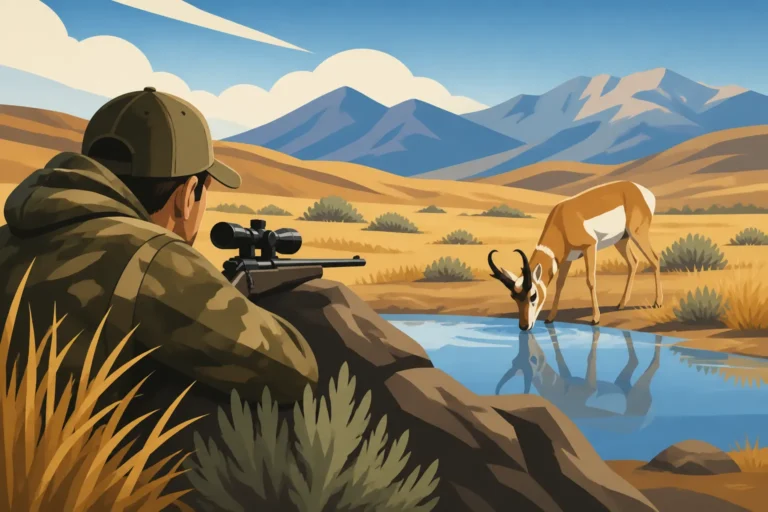
- Natural Blinds: If allowed and suitable, using natural cover like dense brush, a cluster of trees, or even a rock outcrop can provide effective concealment. Again, position yourself downwind and ensure you have a clear shot lane to the water source. Remember, you want to be close enough for an ethical shot, but far enough away that your scent doesn't spook approaching elk.
- Tree Stands: While less common for water hole hunting unless directly adjacent to timber, a tree stand can offer an elevated vantage point, getting your scent above the primary travel paths. However, setting up a tree stand near a water source can be more disruptive.
Regardless of your choice, ensure your setup offers a comfortable wait. You might be there for hours, and fidgeting will give you away.
Wind Direction and Scent Control
Wind is your arch-nemesis, or your best friend, when hunting elk at a water hole. Elk have an incredible sense of smell, and a single whiff of human scent will ruin your hunt.
- Always Hunt Downwind: This cannot be stressed enough. Approach your setup from a direction that keeps your scent blowing away from the water source and any likely approach trails. If the wind isn't right, don't hunt that day. Period.
- Scent Control Regiment: Take scent control seriously. Wash your hunting clothes in scent-free detergent, store them in airtight bags, and use scent-eliminating sprays on your person and gear before heading into the field. Avoid strong-smelling foods, colognes, or anything that could carry an unnatural odor.
- Thermals: In mountainous terrain, thermals will play a significant role. In the mornings, thermals generally fall down into the drainages, while in the evenings, they rise. Plan your approach and setup accordingly. Often, hunting midday when thermals are swirling or rising straight up can be less predictable, but sometimes the only option for getting into a tricky spot. How to Use the Wind Hunting Montana Elk and How to Use Thermals in Montana Elk Country are vital skills to master.
Optimal Times for Hunting Water Holes
Elk usually visit water during specific times, but this can vary depending on pressure, weather, and moon phase.
- Midday: This is often the most productive time, especially during hot, dry weather. Elk will bed down for the morning, then often get up for a drink before bedding again or moving to evening feeding areas. This is when many hunters are back at camp or moving, making it a less pressured time for elk.
- Evening: The last few hours of daylight can also be productive as elk move from bedding to feeding areas, often stopping for a drink along the way.
- Early Morning: While elk might drink at first light, they are often still moving from nocturnal feeding, and pressure can be high. If you're setting up in the dark, do so extremely quietly.
- Moon Phase: A full moon might mean elk are more active at night, potentially drinking then and making daylight visits less predictable. New moon periods can sometimes concentrate daytime activity.
- Hunting Pressure: If the area is heavily hunted, elk will become nocturnal visitors to water holes. You might still catch them at first light or last light, but midday visits become less likely.
Be prepared to commit. Water hole hunting is often a waiting game, and sitting for hours, even all day, is not uncommon.
Overcoming Challenges and Adapting Your Approach
Water hole hunting isn't always sitting back and waiting for an elk to appear. There are challenges, and successful hunters know how to adapt and persevere when things don't go exactly as planned.
Dealing with Hunter Pressure and Disturbance
One of the biggest frustrations when hunting public land water holes is dealing with other hunters. Nothing sours a hunt faster than another hunter walking through your carefully chosen setup.
- Go Deeper: The best way to mitigate pressure is to find water holes in harder-to-reach areas. This means more hiking, perhaps even a multi-day Montana Backcountry Hunting Guide expedition. Other hunters might avoid these spots.
- Scout for Pressure: During your ground scouting, look for signs of human presence: boot tracks, spent casings, or even old garbage. If a water hole looks heavily pressured, it's probably best to move on.
- Be Flexible: Have multiple water holes scouted and ready to go. If your primary spot is disturbed or shows no fresh sign, you need a backup plan. Be willing to pack up and move to a different location.
- Understand Timing: Most hunters hit the woods at first light and leave by mid-morning or early afternoon. This is why midday can be so effective for water holes; you're hunting when others aren't, potentially catching elk that have been bumped or are seeking refuge. Knowing How to Hunt Montana Public Land Pressure is a skill honed over many seasons.
The Waiting Game and Patience
Water hole hunting demands patience, often more so than other elk hunting methods. You might sit for hours, even days, without seeing an animal. It's easy to get antsy, fidget, or start second-guessing your spot.
- Be Prepared: Bring snacks, plenty of water, and entertainment (a book, e-reader, or podcast downloaded beforehand, but be mindful of noise) to keep yourself occupied.
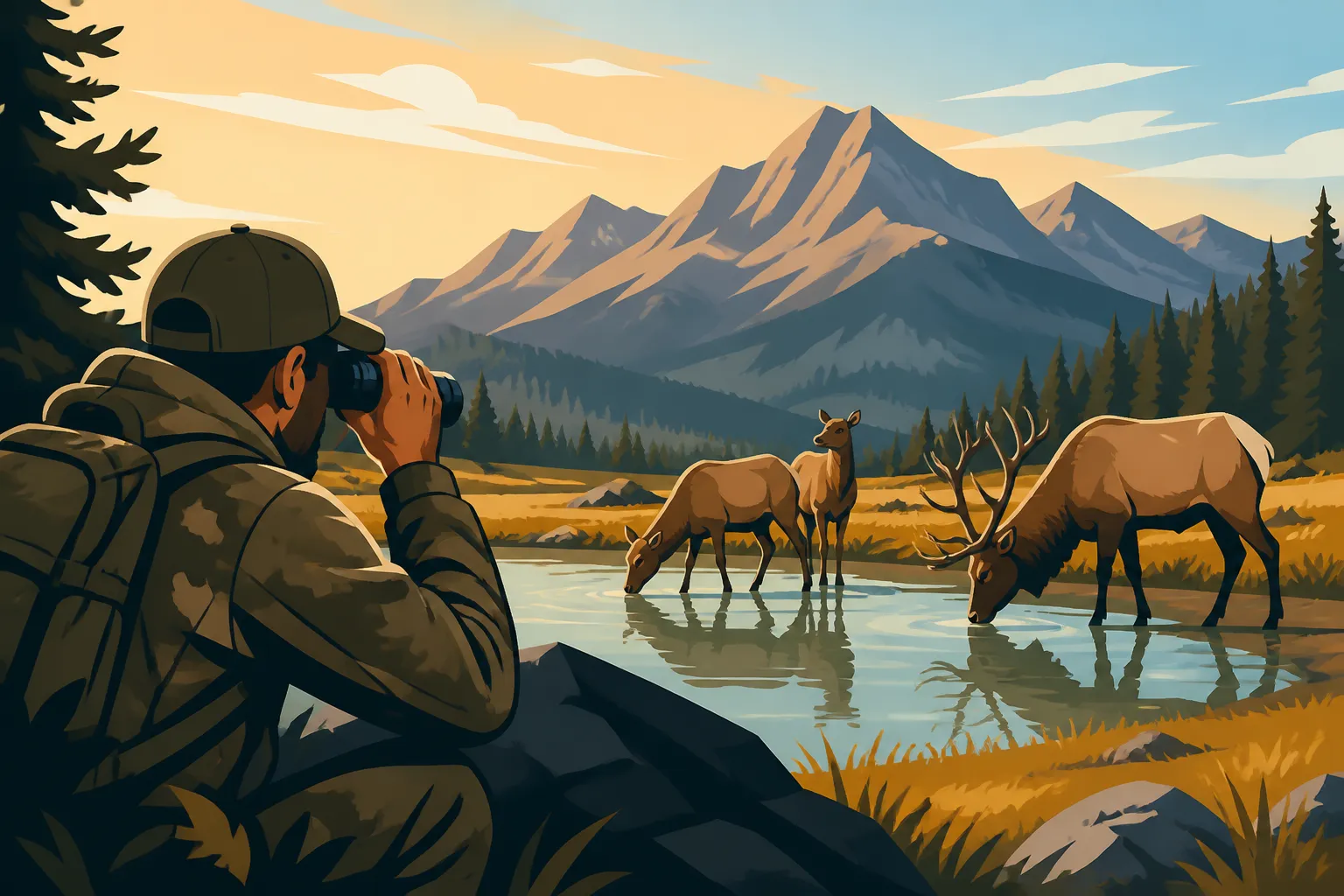
- Stay Alert: While you're waiting, constantly scan your surroundings. Use your binoculars to pick apart the edges of the timber, distant hillsides, and approach trails. Elk can materialize out of nowhere.
- Trust Your Scouting: If you've done your homework and found fresh sign, trust that the elk will eventually come. Your job is to be there when they do.
- Mental Toughness: This style of hunting tests your resolve. Remind yourself why you're there and envision the moment an elk steps out. This mental preparation can be as important as your gear.
Combining Water Hole Hunting with Other Tactics
While water hole hunting can be a standalone strategy, it often works best when integrated into a broader hunting plan.
- Post-Calling Strategy: If you're How to Call Elk in Montana and get a response but the bull hangs up, consider if there's a water source nearby. Sometimes a bull will circle downwind to scent-check, and if he finds a water hole, he might stop there to calm down and get a drink. You could then try to ambush him or reposition for a call sequence.
- Still-Hunting Transition: If a water hole isn't productive, don't just give up. Use it as a starting point to How to Still-Hunt Montana Timber or move slowly along game trails radiating from the water, looking for fresh sign or bedding areas. Elk don't live at the water hole; they just visit.
- Glassing Strategy: If you're How to Glass Montana's Big Country from a distant ridge, make sure to mark any visible water sources on your map. You might spot elk heading towards them, giving you a target to stalk or a new area to investigate for future water hole sets.
- Midday Movement: If you've spent the morning spot-and-stalking or calling without success, transitioning to a pre-scouted water hole for the midday slump can be a highly effective change of pace and capitalize on elk's natural need to hydrate during the warmest parts of the day.
By understanding the needs of Montana elk, thoroughly scouting for water, and applying smart hunting tactics, you can turn these unassuming spots into some of the most exciting and productive locations in the field.
| Water Source Type | Characteristics | Best Conditions to Hunt | Pros | Cons |
|---|---|---|---|---|
| Natural Springs/Seeps | Small, often hidden, consistent flow, lush vegetation | Hot & Dry; Low Pressure | Less pressure, consistent, natural draw | Hard to find, small window for shot |
| Stock Ponds/Tanks | Man-made, often on private/BMA land, reliable | Hot & Dry; Moderate Pressure | Easy to locate, large animals use them | Can be pressured, limited public access |
| Rivers/Large Streams | Constant, easily accessible | High Pressure; Wet Weather | Always available, often high traffic | Elk cautious, broad access points |
| Temporary Puddles | Rain-fed, inconsistent, often muddy | Extreme Dry Spells; Post-Rain | Unexpected draw, often unpressured | Unreliable, short-lived |
| Wallows (Muddy Areas) | Associated with water, used for cooling/rutting | Rut Period; Hot Weather | Attracts bulls, strong scent attraction | Can be loud, not always "drinking" water |
Disclaimer
Hunting is an inherently dangerous activity. The information provided in this guide is for informational purposes only and should not be taken as a substitute for professional guidance, landowner permission, or local regulations. Always prioritize safety, adhere to all Montana Fish, Wildlife & Parks regulations, obtain the necessary licenses and permits, and respect private property. Hunt ethically and responsibly.