How to Sit Water for Montana Antelope
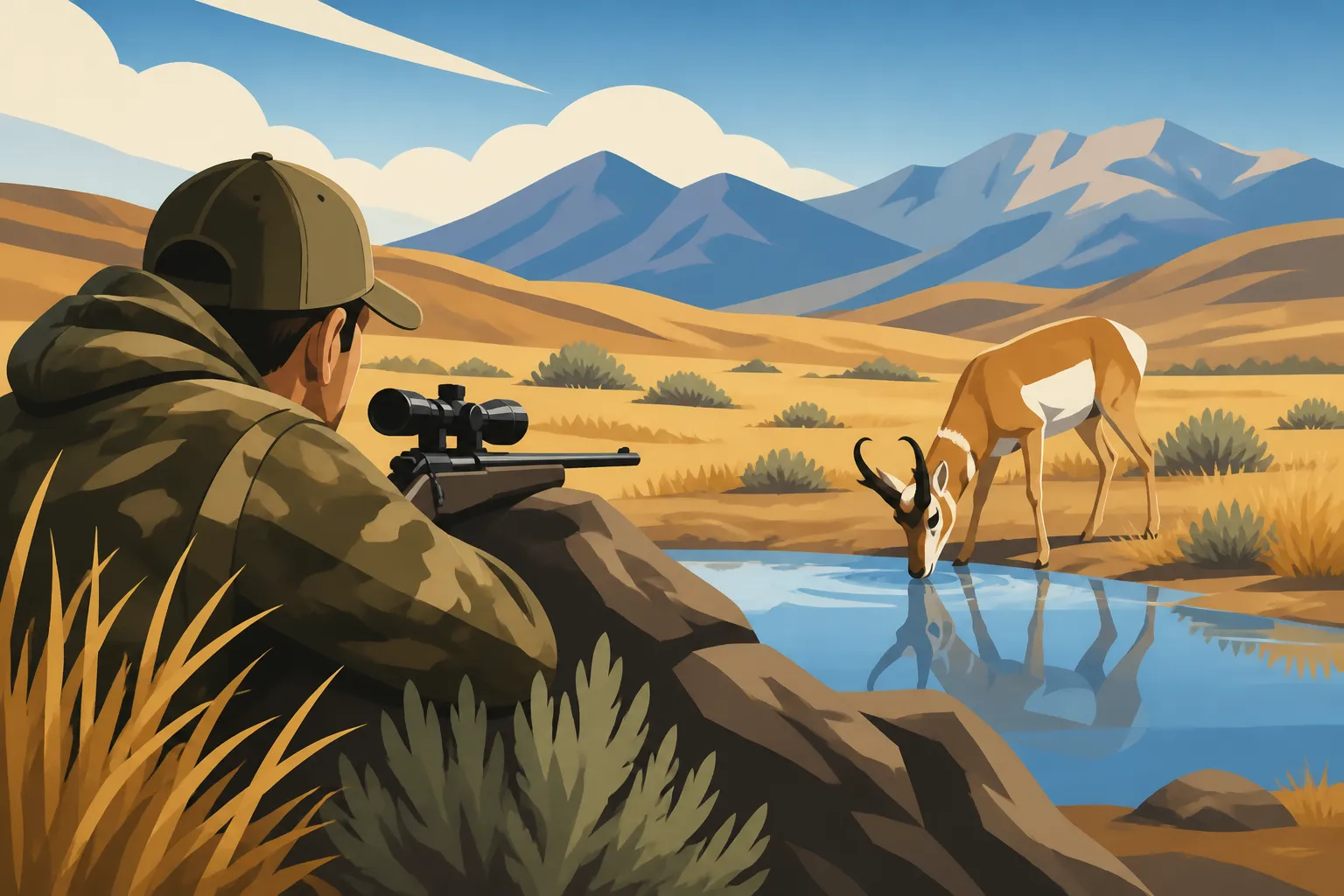
Hunting antelope in Montana's vast, open country can feel like an impossible puzzle. Their incredible eyesight and blistering speed make traditional spot-and-stalk tactics a monumental challenge, often leaving hunters frustrated and empty-handed in seemingly endless landscapes where cover is a rare luxury. But there's a time-tested strategy that levels the playing field, especially when the Big Sky State turns hot and dry: sitting water. This guide will walk you through everything you need to know to successfully ambush antelope at their essential watering holes.
Understanding Antelope and Their Thirst
Antelope, often called pronghorn, are truly unique creatures. They aren't technically deer or even goats, but rather a species endemic to North America, known for their incredible speed and adaptations to harsh, arid environments. Understanding their biology and the specific demands of Montana's landscape is the first step to successful waterhole hunting.
Antelope Biology and Water Needs
Pronghorn have evolved to thrive in wide-open, semi-arid grasslands and deserts, much like those found across eastern Montana. While they can extract some moisture from the plants they eat, particularly forbs and shrubs, they are not camels. Unlike some desert dwellers, antelope still require regular access to water, especially during hot, dry periods. Their metabolic processes, digestion, and cooling mechanisms all depend on consistent hydration.
Consider a hot August day on the plains: temperatures soar, vegetation withers, and the need for a good drink becomes paramount. A pronghorn's body works hard to regulate its temperature, and without sufficient water, it simply cannot function optimally. This biological necessity makes water sources genuine magnets for them. They typically prefer to drink at least once a day, and sometimes more during extreme heat. This predictable behavior is precisely what we leverage when we decide to sit a waterhole. Knowing this fundamental need helps us anticipate their movements and understand why a particular water source might be more active than another.
Montana's Arid Landscape and Water Sources
Montana offers a diverse range of hunting environments, but when we talk about antelope, we're primarily looking at the expansive, often dry, plains and breaks of the eastern and central parts of the state. This landscape is characterized by rolling hills, sagebrush flats, agricultural fields, and critically, a sparse distribution of permanent water. Unlike mountainous regions with numerous creeks and springs, the plains often rely on specific, isolated sources.
These vital water sources can include:
- Stock Ponds: These are man-made impoundments, often dug for livestock, and are perhaps the most common and reliable water sources in antelope country. They range in size from small puddles to larger dugouts.
- Guzzlers: Sometimes installed specifically for wildlife, these are artificial watering devices designed to collect and store rainwater. While less common than stock ponds, they can be absolute hotspots if you find one.
- Perennial Creeks and Rivers: While rarer in the driest parts, certain river bottoms and creek beds can offer consistent water. However, the presence of more cover in these areas can make shooting lanes more challenging.
- Windmills and Tanks: Ranching operations often utilize windmills to pump groundwater into troughs or tanks for cattle. Antelope quickly learn to use these dependable water sources.
The scarcity of water is precisely what makes sitting water for antelope such an effective strategy. When options are limited, animals are forced to concentrate around the few available drinks, providing a predictable pattern you can exploit. The key is to find those critical water sources that serve a large area.
Scouting Key Waterholes for Success
You can't just pick any puddle and expect antelope to show up like clockwork. Successful waterhole hunting begins long before you set up your blind, with thorough and strategic scouting. This involves both digital reconnaissance and putting boots on the ground.
E-Scouting for Water Sources
In the modern hunting world, e-scouting is your best friend, especially for a tactic like waterhole sitting. Before you ever leave your couch, you can use powerful mapping tools to narrow down potential hotspots in your chosen hunting district. Online platforms like GoHunt, OnX Hunt, and even Google Earth are invaluable for this.
Start by identifying the general areas known for good antelope populations, often found in the eastern Montana plains. Then, zoom in and begin your search for water. Look for specific symbols or topographic features that indicate water: blue dots or polygons for ponds and reservoirs, thin blue lines for creeks (pay attention to perennial vs. intermittent), and any indications of ranching infrastructure like roads leading to what might be stock tanks or windmills. Sometimes, subtle green patches in an otherwise dry landscape can signal a hidden seep or spring. A powerful tool like GoHunt can layer property boundaries, public land access, and water sources, giving you a comprehensive overview without stepping foot outside. When you're looking to plan your hunt, knowing the Montana Antelope Season Dates and Tags is a crucial first step, and GoHunt can help you overlay that information with potential hunting units. Also, consider areas that are far from major roads or human activity, as antelope tend to be warier in pressured zones. Pinpoint several potential waterholes on your map—you'll want options.
Boots-on-the-Ground Scouting
E-scouting is fantastic for narrowing down locations, but nothing beats verifying your findings with actual physical presence. This "boots-on-the-ground" scouting is critical to confirm water sources, assess access, and identify prime ambush locations. Plan a scouting trip well before the season opens, ideally during similar hot and dry conditions to what you expect during your hunt.
When you arrive at a potential waterhole, do not just walk directly to it. Antelope are incredibly wary, and spooking them now can ruin your chances later. Park your vehicle far away and approach cautiously, using terrain and vegetation for cover. Think like an antelope: where would they approach? Where would they feel safe drinking?
Look for:
- Tracks: Are there fresh antelope tracks in the mud around the water's edge? This is your most obvious sign of recent activity. Pay attention to the quantity and freshness.
- Droppings: Antelope droppings will also indicate recent presence.
- Travel Routes: Where are the antelope trails leading into and out of the water source? These paths will help you understand their common approach and exit patterns, crucial for blind placement.
- Cover and Terrain: Evaluate the surrounding area for potential blind locations. Is there enough natural cover (sagebrush, coulee banks, tall grass) to conceal a blind? How is the terrain for shooting lanes?
- Wind Direction: Consider prevailing winds for your blind setup.
Remember, minimal disturbance is key. Don't linger too long, and try not to leave any human scent or trash behind. You're trying to gather information without alerting the antelope to your presence. If you're looking for more details on navigating these areas, check out our guide on How to Hunt Antelope in Montana's Plains.
Identifying Active Waterholes and Patterns
Once you've identified several potential waterholes, your next task is to figure out which ones are truly "active" and, more importantly, when they are active. This requires observation and pattern recognition.
If you have time, set up trail cameras (cellular cameras are a game-changer for this) on a few of the most promising waterholes. Position cameras slightly off the water's edge, aimed to capture animals as they approach and drink. Check them regularly (or remotely, if cellular). Look for:
- Frequency of Visits: Which waterholes are getting the most traffic?
- Time of Day: Are the antelope drinking early morning, mid-day, or late evening? On hot days, they might drink multiple times. Often, the hottest part of the day, when spot-and-stalk is nearly impossible, is precisely when antelope are driven to water.
- Number and Type of Animals: Are you seeing bucks, does, or both? This might influence your target choice.
- Access Routes: Observe which routes they commonly use to approach the water.
Without trail cameras, you'll rely on fresh sign and perhaps even sitting a distant vantage point with good optics to observe from afar for a few hours. The goal is to identify the most consistently used waterholes and understand the animals' general daily routine. This knowledge is gold and will allow you to make an informed decision on where and when to set up your ambush, significantly increasing your odds. For more on maximizing your pre-hunt preparation, refer to our article on How to E-Scout Montana Hunting Units.
Setting Up Your Waterhole Ambush
Once you've identified a promising waterhole, the next critical phase is setting up your blind for the ambush. This isn't just about putting a tent in the ground; it's a strategic decision that can make or break your hunt.
Choosing the Right Blind Location
Blind placement is paramount when sitting water for antelope, as their eyesight is legendary. A slight error can leave you staring at empty plains for hours. Several factors need to be carefully considered:
- Wind Direction: This is non-negotiable. Always, always set up downwind of the waterhole. Antelope have an excellent sense of smell, and even a slight breeze carrying your scent will send them scattering. You need to know the prevailing wind patterns for your hunting area and check the forecast daily. If the wind shifts significantly during your hunt, you might need to move your blind or consider another waterhole. Our guide on How to Use the Wind Hunting Montana Elk offers principles that are equally applicable to antelope.
- Sun Position: Think about where the sun will be throughout the day, especially during prime drinking times. You don't want the sun shining directly into your blind's shooting windows, silhouetting you, or making it difficult to see your target. Ideally, the sun should be at your back or to your side.
- Background and Blend-in: Your blind needs to blend seamlessly into the existing environment. Avoid placing it on a skyline or in an open area with no natural backdrop. Instead, tuck it into a coulee, against a large clump of sagebrush, or even alongside an old fence line if it breaks up the outline. The goal is to make it look like part of the landscape.
- Shooting Lanes: While concealment is key, you also need clear, unobstructed shooting lanes to the water's edge. Identify the most likely approach routes for the antelope and ensure you have a clean shot at various distances. Clear any small branches or tall grass that might deflect an arrow or bullet.
- Distance to Water: For rifle hunting, 100-200 yards is often ideal, giving you a comfortable range while minimizing the chance of being seen. For bowhunters, you'll need to be much closer, typically 20-40 yards. Ensure your chosen spot allows for these distances.
Remember, antelope are incredibly vigilant. Take your time, assess all angles, and consider how a pronghorn's keen eyes might perceive your setup from various approach directions.
Blind Types and Construction
When it comes to the physical blind, you have a few options, each with its own advantages and disadvantages.
- Pop-Up Ground Blinds: These are the most common and often the most effective. Brands like Primos, Ameristep, and Barronett offer various models.
- Pros: Portable, quick to set up and take down, excellent concealment, good scent containment, and weather protection. Many have dark interiors, making it harder for animals to see movement inside.
- Cons: Can be expensive, some are bulky to pack in, and they can look unnatural if not brushed in properly. They also need to be anchored securely against Montana's often strong winds.
- Construction/Setup: Set these up several days or even a week before your hunt, if possible. This allows local wildlife to get accustomed to its presence, making it less alarming. Brush in the blind thoroughly with local vegetation (sagebrush, grasses) to break up its outline. Tie it down tightly to prevent it from blowing away.
- Natural Blinds: Using existing features of the landscape can be highly effective, especially if you prioritize minimalist hunting or are short on gear.
- Pros: Cost-free, blend in perfectly with the environment, and require no extra gear.
- Cons: May offer less concealment than a purpose-built blind, especially against movement. Limited options for comfortable seating or protection from elements. Might not offer good scent containment.
- Construction/Setup: Utilize large clumps of sagebrush, rock outcrops, cut banks of coulees, or natural depressions. Augment with loose vegetation if needed to create better cover. Ensure you have a clear shooting lane.
- Vehicle Blinds: In some areas, particularly on large private ranches or Block Management Areas where vehicles are allowed on certain roads, your truck can serve as a blind.
- Pros: Ultimate comfort, ability to move between waterholes quickly, and minimal setup time. Antelope are often accustomed to vehicles.
- Cons: Limited to road access, restricted shooting angles, and if the animal isn't used to vehicles in that exact spot, it can still spook.
- Setup: Park your vehicle well before daylight, shut off the engine, and remain absolutely still. Use tinted windows or hang dark cloths inside to obscure movement.
Whichever blind type you choose, remember that the goal is to become invisible. Think of it as creating a natural-looking hiding spot that offers you clear sightlines while completely obscuring your presence.
Patience and Stealth
These two virtues are absolutely non-negotiable for waterhole hunting. You're entering the antelope's world, and they have the home-field advantage.
- Patience: Expect to sit for long hours, sometimes from before dawn until after dusk, particularly on hot days. Bring plenty of water, snacks, and mentally prepare for the wait. Animals don't operate on your schedule. They might come in quickly, or they might make you wait all day. Don't check your phone constantly or fidget. Every movement inside the blind, every sound, can potentially be detected.
- Stealth: This extends beyond blind placement.
- Quiet Entry and Exit: Approach your blind in the dark, well before first light, and exit only after dark. Walk quietly, using terrain to mask your approach.
- Minimal Movement: Once inside, move as little as possible. If you need to shift, do it slowly and deliberately, ensuring your silhouette isn't visible in the windows.
- Dress for Stealth: Wear dark clothing or camouflage inside the blind, even though you're supposedly hidden. Dark colors help further obscure your form against the dark interior of most blinds.
- Silence is Golden: Keep noise to an absolute minimum. Unzipping bags, rustling wrappers, or talking on the phone will carry further than you think in the quiet plains environment.
Mastering patience and stealth transforms waterhole hunting from a game of chance into a strategic art. The payoff, when a magnificent pronghorn buck finally steps into view, makes every quiet moment worth it.
Essential Gear for Waterhole Hunting
Beyond your weapon and basic hunting attire, specific gear will significantly enhance your comfort, effectiveness, and success when sitting water for Montana antelope. Being prepared for long, hot hours in potentially isolated locations is key.
Optics and Rangefinding
When hunting antelope in open country, your optics are your best friends. Their incredible eyesight means they'll often spot you first if you're not careful, but good optics allow you to spot them from a distance, identify sex and size, and make crucial decisions.
- Binoculars (Binos): A good pair of 10×42 or 10×50 binoculars are indispensable. You'll spend a lot of time glassing the surrounding area from your blind, looking for movement, assessing approaching animals, and identifying other game. Look for binoculars with good low-light performance, as antelope are often most active during dawn and dusk. Brands like Vortex, Leupold, and Maven offer excellent options for various budgets.
- Spotting Scope: While not strictly necessary for every waterhole hunt, a spotting scope can be invaluable, especially if you're targeting a specific quality buck. From your blind, you can scan distant hills and ridges to see if animals are moving toward your water source, allowing you to prepare. It's also critical for field-judging animals at longer distances before they get within shooting range, helping you avoid spooking smaller bucks.
- Rangefinder: Absolutely essential for both rifle and bow hunters. Antelope can be deceptive in their appearance, and judging distance in flat, open country without familiar landmarks is notoriously difficult. A laser rangefinder will give you precise distances to the water's edge, potential shooting lanes, and any markers you've placed, ensuring an ethical shot. Pre-range key distances from your blind before animals appear.
Having quality optics and using them diligently will not only increase your success rate but also prevent you from having to raise your weapon prematurely, which can spook wary animals.
Comfort and Hydration
Montana's plains can be unforgiving, with scorching sun, little shade, and fluctuating temperatures. Being comfortable and well-hydrated is crucial for maintaining the patience and focus required for a successful sit.
- Portable Chair: Invest in a comfortable, quiet hunting chair or stool. You'll be spending hours, if not an entire day, sitting still. A good chair prevents aches and pains that lead to fidgeting and premature movement. Look for models that are lightweight, easy to deploy, and don't creak or make noise when you shift your weight.
- Water, Water, Water: This cannot be stressed enough. Bring more water than you think you'll need. Dehydration can quickly set in, impairing judgment and making a long sit miserable. A good insulated water bottle or hydration bladder is a must.
- Snacks: Pack quiet, non-perishable snacks like trail mix, energy bars, or dried fruit. Avoid crunchy items or loud packaging.
- Sun Protection: Even inside a blind, sun can sneak in or beat down if you step out. A wide-brimmed hat, sunglasses, and sunscreen are important.
- Layered Clothing: Even if it starts hot, temperatures can drop significantly if the sun goes behind clouds or during evening hours. Layers allow you to adapt without making noise. Consider moisture-wicking base layers to manage sweat.
- Entertainment (Quiet!): A book, an e-reader, or podcasts (with headphones at a low volume) can help pass the long hours, but be prepared to put them down instantly when an animal appears. Some hunters use hunting apps to scout other areas during downtime, like reviewing Montana Antelope Draw Odds Explained or exploring potential Best Montana Districts for Antelope Bucks.
Remember, comfort allows you to remain still and focused. Don't underestimate the mental and physical toll of an all-day sit in the elements.
Weapon Choice and Shot Placement
Your weapon choice, whether rifle or bow, will dictate your setup and required distances. Regardless of what you carry, ethical shot placement is paramount.
- Rifle: For rifle hunters, antelope present a relatively small target, but their open-country habitat often means longer shots.
- Caliber: Popular calibers for antelope include .243 Win, 6.5 Creedmoor, .270 Win, and .308 Win. The key is accuracy and flat trajectory.
- Shot Placement: The ideal shot is broadside, aiming for the lung-heart area just behind the shoulder. Antelope are delicate animals, and a well-placed shot is usually fatal. Avoid head-on or extreme quartering shots. A solid rest (bipod, shooting sticks, or blind window rest) is crucial for precision.
- Bow: Bowhunting antelope over water is incredibly exciting due to the close proximity.
- Setup: Ensure your bow is perfectly tuned, and you've practiced extensively at ranges out to 50-60 yards, though 20-40 yards is more common for waterhole setups.
- Shot Placement: Broadside or slight quartering-away shots are best, aiming for the lung-heart area. Ensure you know the precise anatomy.
- Practice: Practice shooting from a seated position, replicating the confined space of a blind. Practice drawing your bow slowly and silently.
Always know your weapon's limitations and your own. Don't take a shot you're not confident in. Respect for the animal and ensuring a quick, humane kill is the hunter's utmost responsibility.
The Hunt Itself: Strategy and Execution
All your scouting and preparation culminate in the actual hunt. Success on a waterhole hunt isn't just about showing up; it's about executing your plan with precision and adapting to the dynamic environment.
Timing Your Sit
Knowing when to be in your blind is almost as important as where you set it up. Antelope, like most animals, have patterns, but these can be influenced by factors like weather and hunting pressure.
- Best Times of Day: Generally, the earliest morning hours (first light) and late evening (last light) are prime times for many big game species. Antelope will certainly visit water during these cooler periods. However, for waterhole hunting specifically, the middle of the day during the hottest part of summer or early fall can be exceptionally productive. When the sun is high and temperatures peak, the antelope's need for water becomes most urgent, often driving them to drink when other hunting methods are least effective. Don't abandon your post just because the sun is high; that might be exactly when the big buck shows up.
- Best Weather Conditions: Hot and dry conditions are your best friends for waterhole hunting. A recent rainstorm can create temporary puddles across the landscape, dispersing antelope and making your chosen waterhole less critical. Look for forecasts of prolonged heat waves and dry spells. These are the conditions that concentrate antelope onto the limited, permanent water sources you've scouted. Strong winds can also push antelope to water to seek relief or simply to escape dust, but ensure your blind is secured.
Being flexible and understanding how weather impacts antelope behavior will help you maximize your time in the blind. If you're wondering how antelope respond to various environmental factors, our article on Montana Pronghorn Behavior and Biology provides deeper insights.
Managing Wind and Scent
This bears repeating because it's that important: wind and scent are critical factors that can either make or break your waterhole hunt. Antelope have an incredibly keen sense of smell, arguably their primary defense against predators.
- Staying Downwind: Your blind must be positioned downwind of the water source based on the prevailing wind. Before you even set up your blind, use a wind checker (a small squeeze bottle with powder, or even just milkweed floss) to confirm the wind direction. As the day progresses, keep checking the wind. Thermals in undulating terrain can shift, especially morning and evening. If the wind changes and starts blowing your scent toward the water, you have two choices: either move your blind (if feasible and safe to do quietly) or accept that any antelope approaching from downwind will likely bust you.
- Scent Elimination: While being downwind is the primary defense, minimizing your scent is still crucial.
- Scent-Free Clothing: Wash your hunting clothes in scent-free detergent and store them in airtight bags. Dress in the field, not at home, to avoid picking up household odors.
- Personal Hygiene: Use scent-free soap and deodorant.
- Cover Scents/Attractants: While not always necessary for waterhole sits, some hunters use cover scents (like sage or dirt) or even mild attractants designed for antelope. However, relying on staying completely downwind is generally more effective.
- Minimize Odors: Avoid bringing food with strong odors into the blind. Don't smoke or use scented products. Every bit of scent discipline helps.
Even if you're perfectly downwind, a swirling thermal can occasionally betray you. The more you eliminate human odors, the safer you'll be.
The Approach and Exit
Your approach to and exit from the blind are almost as important as the sit itself. Careless movements during these times can educate animals, making them warier of that particular waterhole for future visits, or even blow your immediate hunt.
- Approaching the Blind: Always approach your blind in the dark, well before first light. Use the terrain as much as possible for cover. Walk slowly and quietly. Avoid shining your flashlight directly onto the waterhole, as any glimmer can be seen by animals already present or approaching. If you've scouted travel routes, try to follow a path that minimizes your disturbance and scent trail near the water. The goal is to slip into your blind undetected, leaving no sign of your arrival.
- Exiting the Blind: Just as with the approach, wait until after dark to exit your blind. If you leave prematurely, you risk spooking animals that are either currently at the waterhole or approaching it for an evening drink. If you've just taken an animal, the situation changes, and you'll need to focus on recovery, but for typical "empty" sits, patience for exit is key. Pack up quietly, trying not to leave any trash or disturbed ground. The less evidence you leave, the more natural the waterhole will feel to the antelope.
Thinking of your hunt as a complete cycle—from scouting to setup to the sit to the final exit—helps reinforce the importance of every step. Respecting the animals and their environment ensures that these precious hunting opportunities remain viable for seasons to come.
Blind Comparison for Waterhole Hunting
To help you decide which blind might be best for your Montana antelope waterhole hunt, here's a quick comparison of common types:
| Feature | Pop-Up Ground Blind (e.g., Primos, Ameristep) | Natural Blind (e.g., Sagebrush, Coulee) | Vehicle Blind |
|---|---|---|---|
| Concealment | Excellent. Dark interior hides movement, good patterns. | Varies widely. Can be excellent if well-chosen/augmented. | Good, as antelope are often habituated to vehicles. |
| Scent Control | Good. Enclosed space helps contain scent (requires ventilation). | Poor. Open to elements, scent easily disperses. | Poor. Unless engine is off and windows sealed, scent can be strong. |
| Comfort | Good. Protection from sun, wind, rain. Room for chair, gear. | Poor. Exposed to elements, limited seating options. | Excellent. Climate control, comfortable seating, ample storage. |
| Portability | Good. Folds compact, can be hiked in (some models heavy). | Excellent. No gear to carry. | Fair. Limited to vehicle access roads. |
| Setup Time | Moderate. 10-20 minutes, plus brushing in. | Quick. Find natural cover and settle in. | Instant. Park and wait. |
| Cost | Moderate to High ($100-$400+). | Free. | Cost of vehicle and fuel. |
| Best Use | Dedicated, long sits at key waterholes. | Opportunistic sits, minimalist hunting, scouting. | Areas with high vehicle traffic, private land, quick mobility. |
| Drawbacks | Can be bulky, expensive, needs to be brushed in, requires securing against wind. | Limited protection, little movement allowed, might not have ideal shooting lanes. | Restricted to roads, can be noisy, limited shooting angles. |
This table provides a quick overview, but remember that the "best" blind is always the one that fits your specific hunting situation, budget, and comfort needs while providing optimal concealment for wary Montana antelope.
Disclaimer
Hunting is an inherently dangerous activity. This guide provides information for educational purposes only and is not a substitute for professional instruction, proper training, or adherence to all local, state, and federal hunting regulations. Always prioritize safety, respect wildlife, and obtain all necessary licenses and permits before engaging in any hunting activity. Consult the Montana Fish, Wildlife & Parks regulations for the most current and specific rules regarding hunting in Montana.