How to Hunt Whitetail in Montana River Bottoms
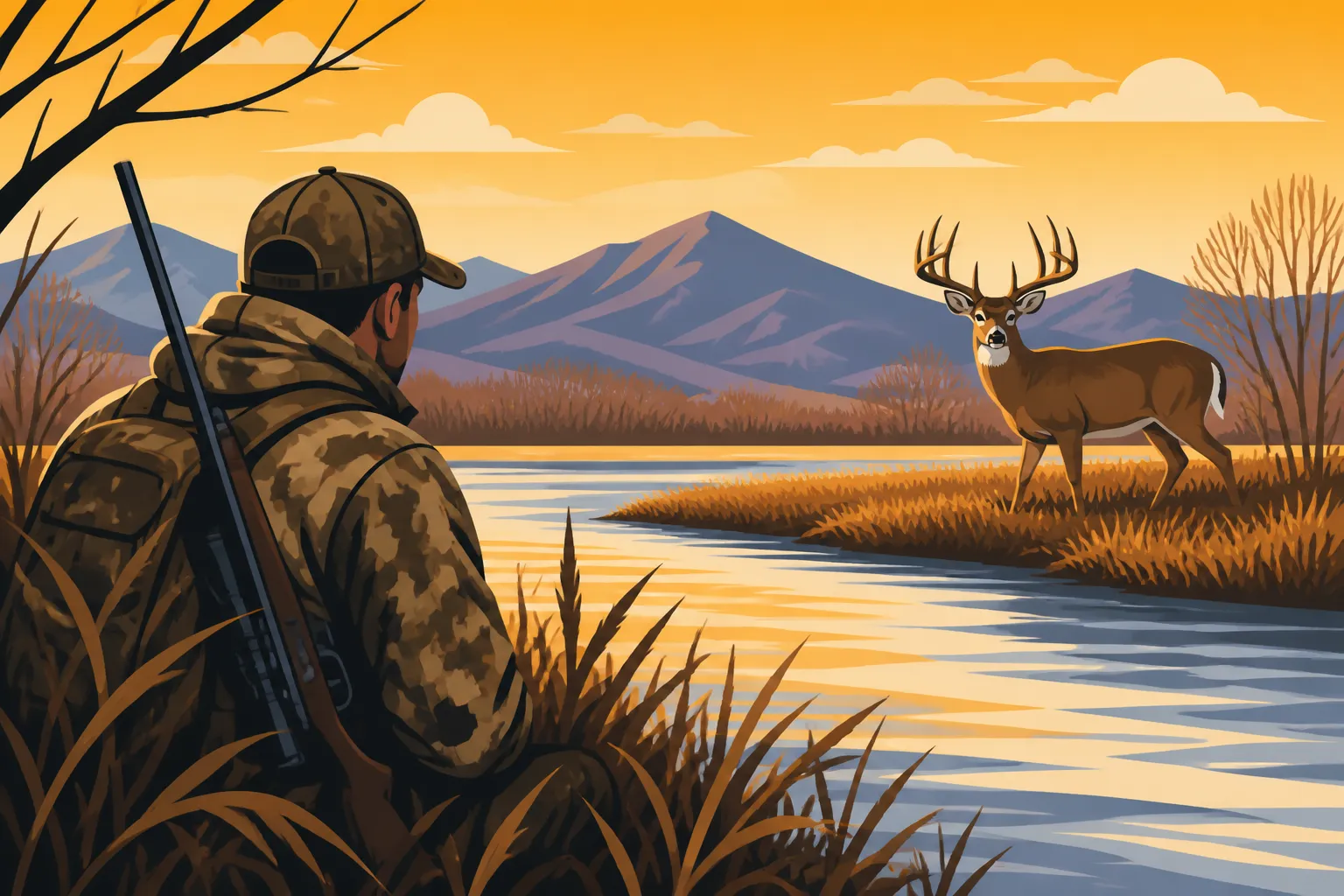
Trying to pin down a mature whitetail buck in Montana's river bottoms can feel like chasing a ghost through a thorny maze. The dense cover, unpredictable wind currents, and the deer's uncanny ability to vanish into thin air often leave hunters frustrated, questioning if they're even in the right spot. This comprehensive guide will pull back the curtain on these challenging but rewarding environments, providing you with battle-tested strategies to successfully hunt whitetail deer in Montana's unique riparian zones.
Understanding Montana's River Bottom Whitetail Habitat
Montana's river bottoms are ecological powerhouses, creating ribbons of life that snake through the state's diverse landscapes. For whitetail deer, these areas are not just a preference; they're a lifeline, offering everything they need to thrive. Understanding why these habitats are so critical to whitetails is the first step in unlocking successful hunting strategies.
The Unique Appeal of River Bottoms for Whitetail
Imagine a deer's perfect world: ample food, dense cover for bedding and escape, and consistent water sources. That's exactly what Montana's river bottoms provide, often in stark contrast to the drier uplands or wide-open plains. The rich, alluvial soils along rivers like the Yellowstone, Missouri, and Milk support a lush growth of vegetation, from towering cottonwood trees to thick willow thickets, dogwood, and chokecherry bushes. This creates a smorgasbord of browse and mast, from tender new growth in spring and summer to vital woody browse and berries in the fall and winter. The sheer density of cover also offers incredible security, allowing whitetails to move, bed, and feed with a high degree of concealment. This is why you'll find healthy populations, often including mature bucks, living out their entire lives within these narrow strips of habitat, making them prime targets for hunters.
Key Habitat Components in Montana's Riparian Zones
Delving deeper, specific components within these river bottoms are absolute magnets for whitetails. First, consider the dense willow and dogwood thickets. These form impenetrable walls, offering thermal cover during cold snaps and perfect bedding sites where deer can vanish just yards from a trail. Next are the mature cottonwood galleries. These giant trees provide elevated vantage points for rubs and scrapes, and their sheer size creates pockets of shade and protection. Oxbow lakes and sloughs are also crucial, offering additional water sources and often hosting cattails and other aquatic vegetation that deer will browse. You'll also find agricultural fields bordering many river bottoms, providing vital food sources like corn, alfalfa, or winter wheat. The deer use the river bottoms as safe travel corridors to access these fields. Finally, the river itself is a natural barrier and travel route. Deer frequently use the banks and dry gravel bars for travel, and will often cross the river, especially during the rut or to escape pressure. Understanding these specific elements is key to knowing where to focus your scouting and hunting efforts.
Seasonal Changes and Their Impact on Whitetail Locations
Whitetail behavior and location within river bottoms shift dramatically with the seasons, and ignoring these changes is a surefire way to be in the wrong place at the wrong time. In the early archery season in September, deer are often still in their summer patterns, frequently bedding in the coolest, densest cover close to water, and moving to agricultural fields or lush browse patches at dawn and dusk. As October progresses and the leaves begin to fall, the cover thins, and deer become more reliant on the densest evergreen cover or the deepest, nastiest willow thickets. This is also when bucks start to feel the urge of the rut. By November, during the peak rut, bucks are on the move, tirelessly cruising through the entire river bottom, checking scrapes, rubs, and doe groups. They'll utilize every inch of cover, often moving during daylight hours in search of receptive does. Finally, in the late season, after the rut has passed and winter sets in, deer will focus heavily on reliable food sources and thermal cover. South-facing slopes that catch the sun and dense stands of conifers or heavy woody browse become critical for survival. Understanding Montana's Whitetail Rut Timing is paramount to success during this period. Your hunting strategy needs to evolve with these seasonal shifts.
Essential Scouting Strategies for River Bottom Whitetails
Scouting is the bedrock of successful river bottom whitetail hunting. Without understanding the specific movements and preferred haunts of deer in your chosen area, you'll be largely relying on luck. This environment demands a thorough, two-pronged approach: effective e-scouting combined with diligent boots-on-the-ground reconnaissance.
E-Scouting and Topographical Map Analysis
Before you even step foot in the mud, your digital scouting tools should be your best friend. Services like GoHunt are invaluable for dissecting potential hunting areas from the comfort of your home. Start by pulling up high-resolution satellite imagery. Look for those tell-tale fingers of dense riparian vegetation that follow a watercourse. Identify pinch points where the river bottom narrows, funnels deer movement, or where a hard change in terrain, like a bluff or steep bank, forces deer into a predictable path. Pay close attention to agricultural fields adjacent to the river bottom, and mental note bedding areas – often the densest, most inaccessible patches of cover. By understanding How to E-Scout Montana Hunting Units, you can significantly narrow down your physical scouting efforts. Topographical maps are equally important. Look for subtle elevation changes, even slight rises within a flat river bottom, as these often become preferred bedding spots or travel routes to avoid seasonal flooding. Identify natural barriers like uncrossable river bends or cliffs that will funnel deer. These tools allow you to develop a hypothesis about deer movement before you ever put boots on the ground, saving you precious time and energy.
Boots-on-the-Ground Reconnaissance
E-scouting only gets you so far; there's no substitute for getting into the habitat itself. This is where you confirm your digital findings and discover the subtle nuances that satellite imagery can't reveal. Start by walking the perimeter of the river bottom, noting where deer enter and exit, especially if adjacent to private agricultural fields or uplands. Then, dive into the dense cover. This is often an arduous task, pushing through thick brush and navigating tangled fallen timber, but it's essential. Look for established deer trails – not just faint paths, but well-worn routes that show consistent use. Pay attention to how these trails intersect, creating natural hubs. During your reconnaissance, be mindful of the wind and thermal dynamics, as they can be highly localized and unpredictable in river bottoms due to the undulating terrain and water influence. You'll want to cover as much ground as possible, looking for fresh sign, but also identifying potential ambush points, such as tight corridors, saddles, or strategic bends in the river that might force deer closer.
Reading Whitetail Sign in Dense Cover
The river bottom is a canvas of whitetail activity, but you need to know how to read the art. Fresh sign is your roadmap. Tracks are the most obvious. Look for different sizes – larger, broader tracks often indicate mature bucks. Pay attention to the direction of travel and how frequently they appear. Droppings can give you an idea of deer density and recent activity. Fresh, dark droppings mean deer have been in the area recently. Rubs on saplings and small trees are indicators of buck activity, especially as the pre-rut approaches. Larger, more aggressive rubs on bigger trees usually signal a mature buck. Scrapes are essentially buck calling cards – pawed-out ground with an overhanging branch (the "licking branch") that bucks will scent mark. Fresh scrapes with torn-up ground and a broken licking branch are hot spots. Don't forget beds. These are often subtle depressions in dense cover, typically offering the deer a good vantage point or scent check of prevailing winds. By meticulously piecing together this mosaic of signs, you'll begin to understand how deer are using the river bottom and where your best chances for an encounter lie. The "Montana Whitetail Deer Hunting Guide" has more insights on this.
Proven Hunting Tactics for Montana's River Bottoms
Hunting whitetails in the tangled confines of Montana's river bottoms demands specific tactics. It's not like hunting open-country mule deer; here, patience, precision, and an understanding of close-quarters engagement are key. Forget long-range shots; think strategic ambush.
Tree Stand and Ground Blind Setups
Given the dense cover, getting above or completely concealed within the terrain is often the most effective approach.
- Tree Stands: Identifying the right tree for a stand in a river bottom can be a challenge. You need a sturdy, mature cottonwood or a cluster of smaller, climbable trees that offer good concealment and a clear shooting lane down a primary travel corridor. Look for rub lines, scrape areas, or funnel points between dense bedding and feeding areas. Ideal locations are often on the edge of a thicket overlooking a trail, or a subtle rise providing a view over a slough. Remember, whitetails have an incredible sense of smell, so prevailing wind direction is paramount. Set up your stand to have the wind blowing your scent away from where deer are likely to approach. Learn How to Hunt Montana Whitetail from a Tree Stand for more detailed strategies.
- Ground Blinds: If suitable trees are scarce or you prefer to be on the ground, a well-placed ground blind can be deadly. These are particularly effective in areas where the cover is naturally thick, allowing the blind to blend in seamlessly. Position your blind facing a well-used trail, a key scrape, or an intersection of trails. Ensure you have clear shooting lanes in multiple directions, but most importantly, keep your back to the thickest cover possible to break up your silhouette. Fabric blinds like those from brands such as Primos or Barronett Blinds can be highly effective, but natural blinds built from downed timber and brush are often even better. Be sure to set up ground blinds well in advance of your hunt, giving deer time to get accustomed to their presence. See How to Hunt Montana Whitetail in a Ground Blind for additional tips.
Still-Hunting and Driving Strategies
Sometimes, sitting and waiting isn't enough, especially when deer are pressured or the rut is in full swing.
- Still-Hunting: This is a slow, methodical approach where you move through the river bottom almost imperceptibly, taking one or two steps, then stopping to observe and listen for several minutes. The goal isn't to walk a mile; it's to cover 100 yards in an hour, blending into the environment. Pay attention to every snap of a twig, every rustle of leaves. Focus on bedding areas or dense transition zones. This method requires extreme patience and acute awareness of your surroundings. Always hunt into the wind, checking behind you occasionally. It’s a fantastic way to intercept a buck cruising for does or bust a bedded deer before it knows you're there.
- Driving Strategies: In larger river bottom systems, especially on public land, carefully executed drives can be very effective, though they often require a small group of hunters. The idea is to have "drivers" slowly and quietly push deer out of dense cover towards "standers" positioned at strategic escape routes or pinch points. Communication is key, and safety should always be the top priority. Drivers should move deliberately, sometimes pausing to mimic the natural movement of a deer, which can make a buck feel less pressured and more likely to move naturally. Standers need to be absolutely still and concealed, ready for a quick shot. This is a tactic that works well for those dense, unhuntable thickets that hold mature bucks year-round.
Calling and Decoying Whitetails in River Bottoms
When deer are actively seeking mates, calling and decoying can be powerful tools in the river bottoms.
- Calling Tactics: The rut is prime time for calling. Bucks are actively searching for does, and they're often willing to investigate a vocalization.
- Grunt Calls: A simple grunt can pique a buck's curiosity, mimicking the sound of another buck or a lost doe. Use short, soft grunts initially.
- Doe Bleats: These can be effective for drawing in both does and curious bucks. A fawn bleat can also sometimes draw in a doe, and a buck might follow.
- Rattling: Mimicking the sound of two bucks fighting can be highly effective, especially during the pre-rut and early rut when bucks are establishing dominance. Set up in dense cover with the wind in your favor, rattle aggressively for 30-60 seconds, then wait in silence for 15-20 minutes, ready for a buck to come investigate. Check out How to Rattle for Montana Whitetail for more specifics.
- Decoying: A well-placed whitetail decoy, particularly a buck decoy, can draw in an aggressive rutting buck looking for a fight or a doe decoy that attracts a cruising buck. Position the decoy so an approaching buck will present a good shot opportunity. Always set up with the wind in your favor, positioning yourself downwind of the decoy, so any approaching deer will have to pass your shooting lane to get to the decoy. Use an estrous doe scent or tarsal gland scent to enhance realism. Remember, decoying can attract other hunters, so always be visible and aware of your surroundings, especially on public land.
Gear and Considerations Specific to River Bottom Hunting
Hunting Montana's river bottoms isn't just about strategy; it's about being properly equipped for the unique challenges these environments present. From navigating dense cover to dealing with moisture and tricky wind, your gear choices can make or break your hunt.
Clothing and Scent Control for Close Encounters
River bottoms mean thick cover, often leading to close-range encounters. This makes clothing and scent control absolutely critical.
- Durable, Quiet Clothing: Forget noisy stiff fabrics. You'll be pushing through brush, climbing over downed trees, and crawling through thickets, so your clothing needs to be tough, thorn-resistant, and, most importantly, quiet. Look for brushed fleece, wool, or soft-shell materials. Brands like Sitka Gear or First Lite offer excellent options designed for silent movement. Layering is key for adapting to Montana's unpredictable weather, as temperatures can swing wildly from morning to midday. Think moisture-wicking base layers, insulating mid-layers, and a quiet, waterproof outer shell.
- Aggressive Scent Control: Whitetails in dense cover are incredibly reliant on their sense of smell. Scent control isn't just a suggestion; it's a necessity. This means showering with scent-free soap, using scent-free deodorant, and washing your hunting clothes in scent-free detergent. Store your hunting clothes in scent-free bags or an airtight tote. Consider using activated carbon clothing (like from ScentLok or Carbon Express) or ozone generators, but never rely solely on these. Play the wind, always. It’s your primary line of defense against being busted. In the swirling thermals of a river bottom, this is especially challenging, so having redundant scent control measures is a must for those close-range shots.
Optics and Weapons for Tight Spaces
Your optics and weapon choices need to align with the often-limited visibility and close-quarter shots common in river bottoms.
- Optics: While powerful long-range binoculars might be great for glassing open country, they can be overkill here. A compact binocular (8×32 or 10×42) is perfect for scanning tight pockets of timber and identifying deer in dense cover. A rangefinder is always a good idea, even for close shots, to confirm distances through brush. A quality rifle scope with a low-end magnification (e.g., 1-4x or 2-7x) or a red dot sight for muzzleloaders or shotguns can be ideal, allowing for quick target acquisition when a deer suddenly appears. For those who enjoy Montana Archery Elk Hunting Guide, a high-quality bow sight with multiple pins is essential.
- Weapons: For rifle hunters, a fast-handling rifle in a caliber that performs well in timber (e.g., .30-30, .30-06, .270, .308) is a good choice. Shots are often quick and under 150 yards, so extreme accuracy at 500 yards isn't the primary concern; rather, it's about reliability and quick follow-up shots. For archery hunters, a compact, maneuverable bow is advantageous when navigating dense brush and shooting from tight positions in a tree stand. Muzzleloader hunters should ensure their setup is quiet and efficient for quick loading and shooting. The key is to choose a weapon you're proficient with that allows for quick, ethical shots in a confined, often cluttered environment.
Dealing with Water, Mud, and Mosquitoes
River bottoms are inherently wet and buggy, and preparing for these elements is non-negotiable.
- Waterproof Footwear and Gear: You will encounter water, mud, and possibly even shallow stream crossings. High-quality, waterproof boots are essential, preferably 10-12 inches high, with good traction for slippery banks. Rubber boots are often preferred by many river bottom hunters for scent control and waterproofness. Consider bringing waterproof gaiters to keep brush and debris out of your boots. A waterproof backpack or a dry bag liner within your pack (refer to the Montana Backcountry Hunting Gear List for ideas) will protect your electronics, extra clothing, and food from moisture.
- Insect Repellent: Depending on the time of year, especially early season, mosquitoes and other biting insects can be relentless. Stock up on effective insect repellent (DEET or picaridin based), and consider treated clothing with permethrin. A head net can also provide welcome relief if the bugs are particularly bad. Don't let a swarm of mosquitoes ruin your concentration or force you to prematurely abandon a prime hunting spot. Being prepared for these uncomfortable realities allows you to stay focused on the hunt.
Mastering the Rut and Post-Rut in River Bottoms
The whitetail rut transforms river bottom dynamics, presenting both incredible opportunities and unique challenges. Understanding buck behavior during this high-stakes period and its aftermath is crucial for success.
Targeting Cruising Bucks During the Peak Rut
The peak of the rut in Montana, typically late October through November, is when whitetail bucks throw caution to the wind in search of does. In river bottoms, this means bucks are constantly on the move, often traversing the entire length of a riparian corridor.
- Funnel Points and Travel Corridors: This is the time to identify and target natural funnels within the river bottom. These could be narrow strips of timber between open fields, areas where the river makes a sharp bend, or even subtle saddles in the terrain that create a natural path of least resistance. Bucks will use these heavily as they cruise for does. Setting up a tree stand or ground blind on a major trail intersecting one of these funnels can be incredibly effective. Consider How to Hunt the Rut in Montana applies to these specific environments.
- Bedding Area Edges and Doe Groups: During the rut, bucks will often check the edges of dense doe bedding areas throughout the day. Locating pockets where does frequently bed and then setting up downwind of those areas can lead to encounters with cruising bucks checking for receptive females. Additionally, focusing on areas where multiple doe groups congregate, especially near food sources, will naturally increase your chances of seeing a buck. Don't be afraid to sit all day during the rut; a mature buck can show up at any moment.
Adapting to Post-Rut Whitetail Behavior
Once the primary rut winds down in late November and into December, buck behavior shifts dramatically. They are often exhausted, have lost significant body weight, and their primary focus returns to recovery and survival.
- Focus on Food and Thermal Cover: Post-rut bucks will revert to a pattern heavily dictated by food and thermal cover. Their bodies are craving calories, so concentrate your efforts around reliable, high-energy food sources that are still available, such as standing corn, winter wheat, or browse in dense thickets. Couple this with scouting for areas offering excellent thermal protection from the elements – think dense conifer stands, thick willow bottoms that block wind, or south-facing slopes that catch the sun.
- Reduced Movement and Daylight Activity: Bucks will generally reduce their daylight movement during the post-rut, preferring to move during low light or after dark to conserve energy. This means your hunting strategy needs to be even more patient. Focus on morning and evening hunts, but consider all-day sits in key areas, especially if cold fronts or snow pushes deer to feed. They might move quickly from bedding to food, so being precisely positioned is crucial. How to Hunt Elk After the Rut also provides similar insights on post-rut animal behavior regarding food and cover, which can be adapted for whitetails.
Handling Hunter Pressure in Key Areas
Montana's river bottoms, especially those with good public access, can see significant hunter pressure. Learning to adapt to this pressure is vital for consistent success.
- Seek Out Difficult-to-Access Areas: Whitetails, especially mature bucks, quickly learn where hunters exert pressure. They will often retreat to the nastiest, most impenetrable sections of the river bottom that most hunters avoid. This might mean pushing deeper into swamps, crossing smaller tributaries, or navigating dense thorn thickets. If it looks too thick or too difficult to access, that's precisely where a smart old buck will be hiding.
- Hunt Midday: While many hunters focus on dawn and dusk, pressured deer often move during the middle of the day in an attempt to avoid human activity. Consider still-hunting through bedding areas or sitting on travel corridors during midday, especially if you know other hunters are pushing deer in other parts of the river bottom. The movement of other hunters can inadvertently push deer right past your stand.
- Understand Block Management Pressure: Many river bottom areas are accessible via Montana's Block Management Program. While these areas offer fantastic access, they can also concentrate hunters. Research specific Block Management Areas (BMAs) and their rules. Some might have sign-in requirements that can give you insight into hunter numbers. Sometimes, hunting a BMA on a weekday instead of a weekend can drastically reduce pressure. Knowing How to Use Block Management for DIY Hunts can help you strategize around pressure. Platforms like GoHunt also offer detailed mapping features that can help identify public land sections within river bottoms that might be less accessible and thus experience less pressure.
Public Land Access and Regulations for River Bottoms
Navigating the landscape of public and private land, alongside understanding the intricacies of Montana's hunting regulations, is paramount for responsible and successful whitetail hunting in river bottoms. It's not just about finding deer; it's about staying legal and ethical.
Navigating Block Management and State Lands
Montana offers incredible public access opportunities, but knowing how to use them is key.
- Block Management Areas (BMAs): Montana's Block Management Program provides free public hunting access to private land. Many river bottom areas run through private ranchland, and the BMA program opens up these critical whitetail habitats. Each BMA has specific rules that can vary from year to year and even week to week. Some are "Type I" which are self-serve, requiring only a sign-in at a kiosk, while "Type II" areas require hunters to contact the landowner or manager directly to gain access. Always read the specific rules and maps for each BMA. These areas are excellent for hunting river bottom whitetails, but success often comes from knowing which BMAs have riparian zones and then understanding their access protocols.
- State Trust Lands and BLM Land: In addition to BMAs, Montana also has vast tracts of State Trust Land and Bureau of Land Management (BLM) land. Many river bottoms run through or border these public land types. State Trust Lands require a Conservation License and often have specific rules regarding vehicle access or camping. BLM lands are generally more open, but access points can be tricky. Always use detailed mapping applications (like GoHunt's mapping features) to clearly identify land ownership boundaries. A simple mistake in boundary identification can lead to trespassing charges, which no one wants. Understanding Montana General Deer License Explained helps you know what permits you need for these areas.
Understanding Montana's Whitetail Regulations
Montana's hunting regulations are complex and change annually. It is your responsibility as a hunter to know and abide by them.
- General vs. Permit Tags: Montana operates with a combination of general licenses and limited-entry permits for deer. For most whitetail hunting in river bottoms, you'll likely be using a general deer license, which allows you to hunt in general hunting districts during specified seasons. However, some specific hunting districts or specific types of whitetail tags (like antlerless B licenses) might require a drawing or be limited entry. Always consult the current year's Montana Fish, Wildlife & Parks (FWP) regulations booklet.
- Season Dates and Bag Limits: Whitetail season dates vary by region and hunting district. Pay close attention to the opening and closing dates for archery and general rifle seasons. Bag limits typically allow for one antlered deer on a general license, with additional antlerless "B" tags often available, sometimes specific to certain districts or private land. Make sure you understand whether your tag is "either-sex" or "antlered-only" or "antlerless-only." These regulations are put in place to manage the deer population sustainably and ensure hunting opportunities for future generations. For the most current information, refer to the "Montana Whitetail Deer Season Dates and Tags" information from FWP.
Respecting Private Land Boundaries
Montana has a strong tradition of private land ownership, and respecting these boundaries is not just a legal requirement but an ethical imperative.
- Know Before You Go: Before you ever step into a river bottom, have a clear understanding of public and private land boundaries. Use accurate maps (digital or paper) to identify every boundary line. Physical boundary markers like fences, signs, or painted posts are not always present or obvious in dense river bottom cover, so GPS is your best friend.
- Getting Permission: If you wish to hunt private land, always seek explicit permission from the landowner before you hunt. A polite, respectful request goes a long way. Do not assume that because land is unfenced or appears unmanaged, it is public or open to hunting. Always ask. Many landowners are willing to grant access, especially if you demonstrate respect for their property and follow their rules. Building these relationships can open up incredible hunting opportunities. Remember, ethical hunting starts with respecting property rights and maintaining a good reputation for hunters as a whole.
| Whitetail River Bottom Hunting Tactics | Best Season | Key Considerations | Gear Recommendation |
|---|---|---|---|
| Tree Stand Ambush | Pre-rut, Rut, Late Season | Wind direction, shooting lanes, scent control, cover. | Quiet climbing stand or hang-on, harness, rangefinder, quiet clothing. |
| Ground Blind Setup | Pre-rut, Rut, Late Season | Natural concealment, multiple shooting lanes, patience. | Durable ground blind, comfortable chair, scent control. |
| Still-Hunting | All Seasons | Slow, methodical movement, hunt into the wind, keen observation. | Quiet boots, waterproof layers, compact binoculars. |
| Driving (with partners) | General Season, Post-rut | Communication, safety, understanding deer escape routes. | Visible clothing for drivers, reliable two-way radios. |
| Calling (Grunt/Bleat/Rattle) | Pre-rut, Rut | Wind direction, cover, quick setup, readiness for fast action. | Quality grunt call, rattling antlers or bag, scent lures. |
| Decoying | Rut | Wind direction, safe backdrop, realistic decoy placement. | Buck or doe decoy, estrous scent, binocular to verify deer. |
Disclaimer
Please be aware that hunting regulations, season dates, and access rules in Montana can change frequently. It is the responsibility of every hunter to check the latest Montana Fish, Wildlife & Parks (FWP) regulations annually and ensure compliance with all state and local laws. This guide is for informational purposes only and should not be considered legal advice. Always prioritize safety and ethical hunting practices.