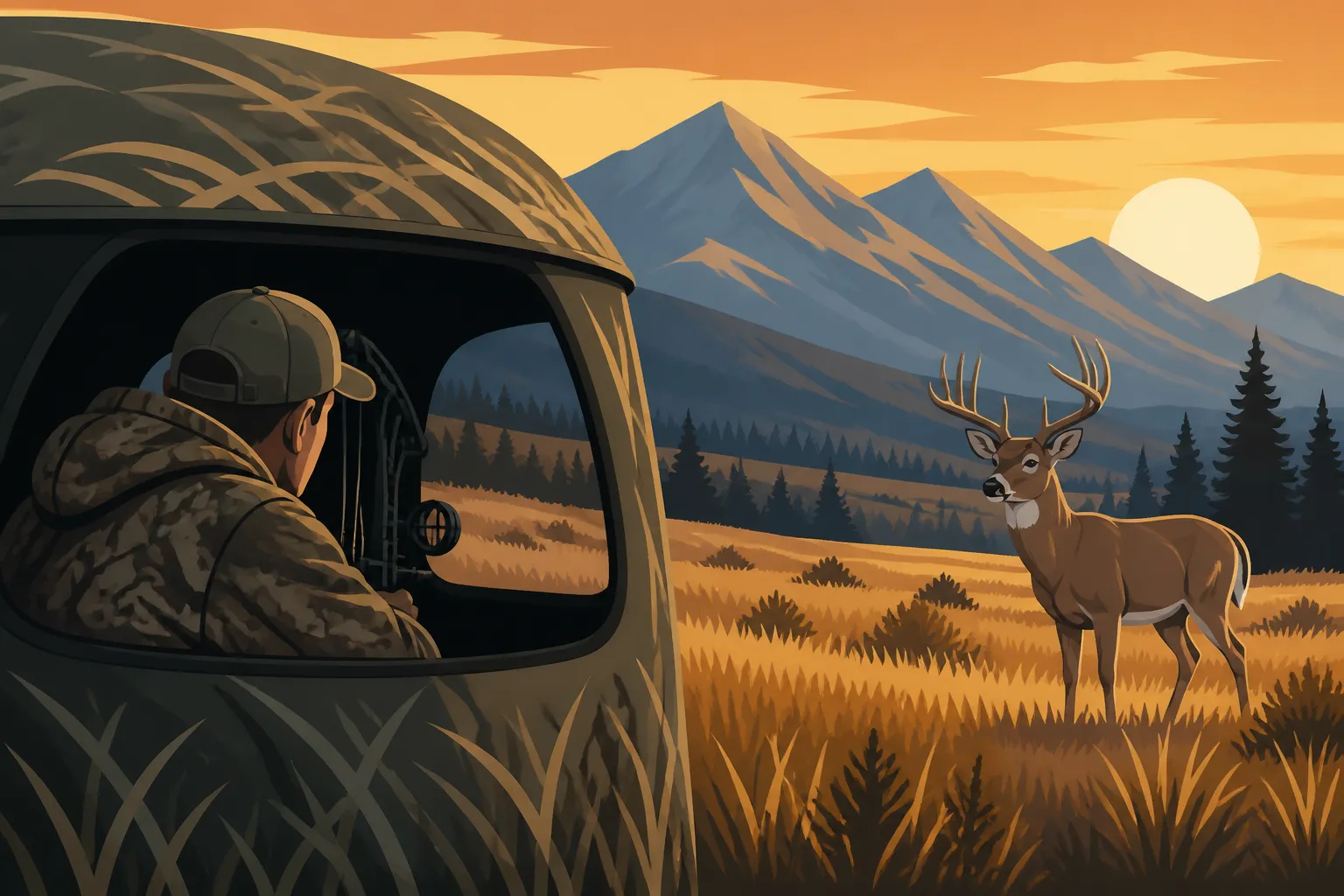
How to Hunt Montana Whitetail in a Ground Blind
Hunting whitetail deer in Montana can be one of the most rewarding, yet frustrating, pursuits. These animals are incredibly wary, possessing an uncanny ability to vanish into sparse cover or detect the slightest scent or movement. For many hunters, especially those looking to minimize their presence and maximize their chances in specific areas, mastering the art of hunting from a ground blind becomes an indispensable skill. This guide will walk you through everything you need to know to effectively utilize a ground blind for Montana whitetail, transforming your hunts.
Why Choose a Ground Blind for Montana Whitetail
When you think of deer hunting, tree stands often come to mind first. However, ground blinds offer a unique set of advantages, particularly when targeting the intelligent and often skittish whitetail deer found across Montana's diverse landscapes. From river bottoms to agricultural fields, a well-placed ground blind can be a game-changer.
Concealment and Scent Control Advantages
One of the biggest hurdles in hunting whitetail is their incredible sense of smell and their keen eyesight. Deer are constantly scanning their surroundings for anything out of place. This is where a ground blind truly shines. A quality ground blind, properly brushed in, completely breaks up your human silhouette, making you virtually invisible against the natural backdrop. You're no longer perched awkwardly in a tree, trying to stay still for hours; instead, you're nestled inside a natural-looking hide.
Beyond visual concealment, ground blinds offer significant advantages in scent control. While no blind is 100% scent-proof, a well-sealed blind, combined with proper scent elimination practices, can drastically reduce your scent cone. The fabric and structure of the blind create a barrier, trapping some of your scent inside and allowing less to disperse into the air. This is especially crucial on days with swirling winds or when hunting high-pressure areas where deer are already extra cautious. Imagine setting up downwind of a well-used deer trail; in a tree stand, your scent would be carried directly to approaching deer. In a ground blind, you have a much better chance of containing that tell-tale human odor, increasing your shot opportunities.
Adaptability to Diverse Montana Terrains
Montana’s whitetail habitat is incredibly varied, ranging from dense river bottom thickets to open agricultural fields bordering timber, and even the fringes of urban areas. Not every location is suitable for a tree stand. Sometimes the trees are too sparse, too small, or simply in the wrong spot to offer an effective shooting lane or concealment. This is where the portability and adaptability of ground blinds become invaluable.
You can set up a ground blind literally anywhere you find suitable cover or a strategic travel corridor. Whether it's tucked into a natural brush pile on the edge of a wheat field, nestled against a stand of cottonwoods along the Yellowstone River, or hidden within a patch of sagebrush overlooking a natural funnel, a ground blind gives you flexibility. This adaptability allows you to hunt spots that would be otherwise impossible with a tree stand, opening up new opportunities for targeting Montana whitetail deer. For example, some of the most productive whitetail areas along Montana's river bottoms might have limited suitable trees, but plenty of undergrowth perfect for tucking in a blind. This versatility makes ground blinds an excellent choice for a wide array of hunting scenarios, whether you're focusing on How to Hunt Whitetail in Montana River Bottoms or more open country.
Setting Up Your Ground Blind for Success
The success of your ground blind hunt hinges almost entirely on how and where you set it up. It’s not enough to just pop up a blind; thoughtful placement and meticulous preparation are key to fooling a whitetail’s sharp senses.
Strategic Placement and Scouting
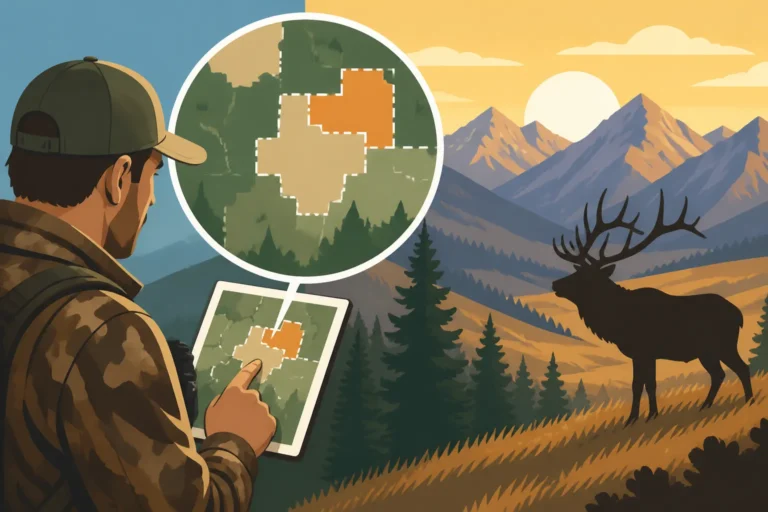
Choosing the right location for your ground blind is paramount. This isn't a random decision; it's a strategic one, often informed by extensive scouting. Before you even think about putting up a blind, you need to understand where the deer are moving, what they're eating, and what their preferred bedding areas are. This involves boot leather on the ground, looking for tracks, rubs, scrapes, and feeding sign. Digital tools can also be a huge help here; many hunters use mapping software like onX Hunt or platforms like GoHunt to analyze terrain, access points, and potential funnels before ever stepping foot in the woods. This kind of e-scouting can save you a lot of time and legwork.
Focus on pinch points, funnels, and transition zones where deer are likely to travel between bedding and feeding areas. Consider the prevailing wind direction for your chosen spot, as well as alternative wind directions if you plan to hunt the spot multiple times. Always set up downwind or crosswind of where you expect deer to approach. You want to be able to exit and enter your blind without spooking deer, so think about your approach and exit routes. Ideal locations include the edges of food plots, field corners, dense timber edges, or along creek bottoms. Think about where deer feel safe traveling during daylight hours. A great place to start is identifying areas where Montana Whitetail Deer: Where to Find Them in your chosen hunting district.
Preparing the Blind and the Area
Once you’ve pinpointed your ideal spot, the real work begins. Your ground blind shouldn't just appear overnight. Whitetail deer are creatures of habit and notice changes in their environment. If you set up a bright, new blind the day before the season opener, you're likely to have a very quiet hunt. Ideally, set up your blind several weeks, or even months, before you plan to hunt it. This gives deer time to get accustomed to its presence and view it as just another part of the landscape.
When setting up, brush in your blind heavily. Don’t just rely on the camouflage pattern; actively break up its outline with natural vegetation found in the area. Use branches, tall grasses, corn stalks, or whatever is readily available to make it blend seamlessly. Cut shooting lanes before the season, ensuring you have clear lines of sight to all critical areas where you expect deer to pass, without having to make noise later. Make sure your shooting windows are trimmed to accommodate your bow or rifle, allowing for a smooth draw or swing. Remove any leaves, twigs, or debris from inside and immediately outside your blind that could make noise when you shift your weight or open a window. Consider digging a shallow depression for your chair to keep your profile even lower inside the blind. The more natural and undisturbed your setup appears, the higher your chances of success.
Tactics for Hunting from a Ground Blind
Hunting from a ground blind requires a different mindset and set of skills than hunting from an elevated position. Patience, discipline, and understanding deer behavior are key when you're at eye level with your quarry.
Managing Movement and Noise
Inside a ground blind, you have the advantage of being completely hidden from a deer's direct line of sight, but this doesn't give you license to move carelessly. Your primary concern should always be minimizing movement and noise. Deer, especially mature whitetails, are incredibly sensitive to both. Even subtle movements inside the blind can catch their attention through the mesh windows or if they glimpse an outline through a slightly misaligned window.
Before you even sit down, arrange all your gear so it’s easily accessible without shuffling around. This means your bow or rifle, rangefinder, calls, water, and snacks should be within arm's reach. Wear dark clothing inside the blind to minimize contrast against the dark interior, especially if hunting during daylight hours when light might filter in. Avoid bright colors or reflective materials. When a deer is approaching, make all necessary movements (like drawing your bow or raising your rifle) before they are in full view and looking your direction. Once their head is down feeding or they are looking away, slowly and deliberately get into position. Practice these movements at home so they become second nature. Noise is equally critical. Every rustle, creak, or clink can be amplified in the stillness of the woods. Choose a comfortable, quiet chair, and avoid noisy zippers or Velcro on your clothing or pack.
Shot Opportunities and Considerations
When hunting from a ground blind, your shot opportunities can present unique challenges compared to a tree stand. You’re shooting at ground level, which changes arrow trajectory for bowhunters and bullet impact points for rifle hunters. Always practice shooting from a seated position, or whatever position you expect to take in the blind, to fully understand your sight picture and bullet drop/arrow flight at different ranges. This is particularly important for archery hunters; make sure your broadheads have enough clearance from the blind walls when drawing your bow.
Since you're at ground level, the angle of your shot into the deer is different. A broadside shot from a ground blind will typically pass through a deer higher than a shot from a tree stand at the same distance, meaning you need to be precise about your aiming point. It’s crucial to know your vitals well. Furthermore, your field of view might be more restricted than from a tree stand due to the blind walls and mesh windows. Carefully evaluate your shot, ensuring you have a clear path to the vitals without branches, grass, or mesh obstructing your projectile. For rifle hunters, ensure you have a solid rest inside the blind, whether it's shooting sticks, a bipod, or the blind's interior structure. Always use a rangefinder, like a model from Vortex or Leupold, to confirm distances, as judging distance from a blind can sometimes be tricky due to the confined perspective. Understanding Montana Elk Hunting: Rifle Tactics or Montana Elk Hunting: Archery Tactics in general terms can help, but adapting them to ground blind specific scenarios is key.
Essential Gear for Ground Blind Hunting
Having the right gear is crucial for a comfortable, effective, and ethical ground blind hunt. Beyond your weapon of choice, certain items will significantly enhance your experience and increase your chances of success.
Blind Selection and Comfort
Choosing the right ground blind is your first and most important step. There's a wide range of options, from budget-friendly popup models to more robust, semi-permanent structures. Consider the following:
- Size: Will you be hunting solo or with a partner? Do you need enough space for your bow to draw fully? Brands like Primos, Barronett Blinds, and Ameristep offer various sizes.
- Fabric and Durability: Look for thick, durable fabric that is waterproof and quiet. A black interior is preferred for maximum concealment.
- Window Configuration: Do the windows offer enough versatility for different shooting angles? Are they quiet to open and close? Some blinds feature shoot-through mesh, which is excellent for bowhunters, but always test your broadheads with it first as some mesh can deflect arrows.
- Ease of Setup: For mobile hunters, a quick-setup blind is essential. If you're leaving it out for the season, durability and weather resistance become priorities.
| Feature | Basic Pop-Up Blind | Mid-Range Blind | Premium Hub Blind |
|---|---|---|---|
| Price Range | $50 – $150 | $150 – $300 | $300 – $600+ |
| Durability | Lighter fabric, less weather-resistant | Moderate fabric, decent weather resistance | Heavy-duty fabric, highly weather-resistant |
| Setup Speed | Very fast (pop-up) | Fast (hub style) | Fast (hub style) |
| Concealment | Basic camo patterns, thinner material | Good camo, black interior, shoot-through mesh | Advanced camo patterns, silent windows, scent control features |
| Space/Comfort | Typically smaller, less room for gear | Comfortable for 1-2 hunters, adequate gear space | Spacious for 2+ hunters, ample gear room |
| Ideal Use Case | Short hunts, fair weather, highly portable | All-around hunting, varied conditions | Long sits, extreme weather, permanent placement for season |
Beyond the blind itself, don't underestimate the importance of comfort. A quiet, comfortable chair is non-negotiable for long sits. A small foam pad or carpet scrap on the floor can help silence foot movements and insulate against cold ground. A portable heater (with proper ventilation!) can extend your time in the blind during those frigid late-season Montana General Rifle Season Dates or Late-Season Elk Hunting in Montana if you decide to try blinds for other species.
Optics and Accessories
Even though you’re in a confined space, optics remain vital. A good pair of binoculars (8×42 or 10×42) is essential for scanning your surroundings, identifying deer, and confirming antler points. Remember, whitetail often hide in thick cover, and binos help you pick apart the shadows. A rangefinder is equally critical, allowing you to accurately judge distances to shooting lanes and potential deer travel paths. Given that you’re at eye level, range estimation can sometimes feel different.
Other accessories that enhance your ground blind hunt include:
- Scent Control: While the blind helps, scent control sprays, charcoal filters, and Ozonics units can further reduce your scent footprint, especially if your blind isn't perfectly sealed.
- Calls: A deer grunt tube and a bleat can be highly effective in drawing whitetails closer or stopping them for a shot. Knowing How to Call in a Silent Montana Bull for elk translates well to deer in terms of technique, though the calls are different.
- Headlamp/Flashlight: For setting up in the dark or packing out after dark.
- Snacks and Water: Staying hydrated and energized helps maintain focus during long sits.
- Backpack: A quiet pack to carry all your essentials to and from the blind.
By combining the right gear with thoughtful preparation and disciplined execution, hunting Montana whitetail from a ground blind can be an incredibly effective and enjoyable method, offering a unique perspective and close encounters with one of North America's most challenging game animals. With preparation, patience, and attention to detail, you'll be well on your way to a successful harvest.
Disclaimer
Hunting is an inherently dangerous activity. Always prioritize safety, follow all Montana Fish, Wildlife & Parks regulations, and ensure you have proper landowner permission for private lands or understand public land access rules. Be aware of your surroundings, know your target and what is beyond it, and never consume alcohol or drugs while hunting. This guide is for informational purposes only and does not supersede official hunting regulations.