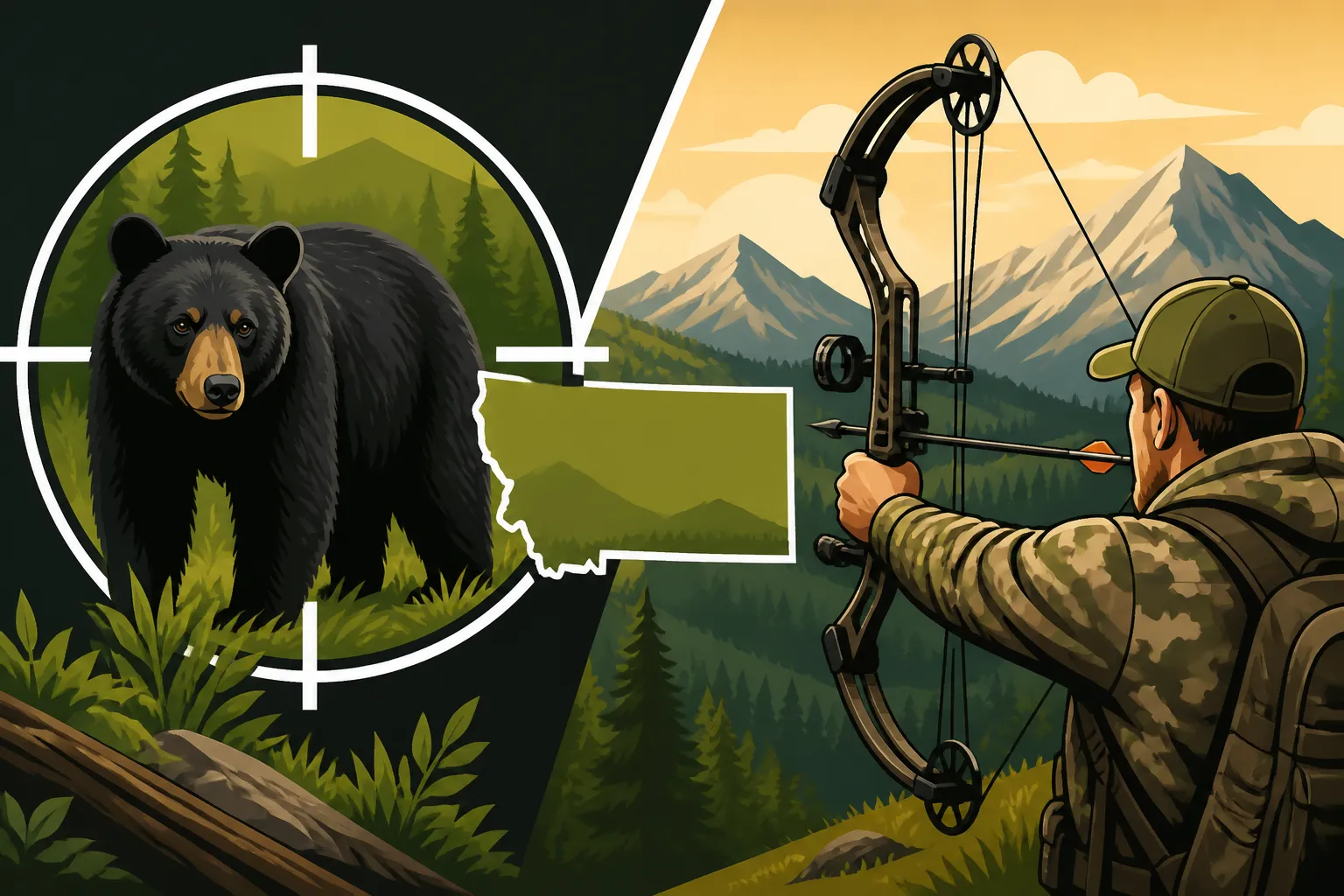
Best Method to Hunt Montana Black Bear
Hunting black bear in Montana can feel like searching for a shadow in a vast wilderness. These intelligent, elusive animals thrive in dense cover and rugged terrain, making it incredibly challenging to even spot one, let alone get within an ethical shooting range. It's a humbling experience, often marked by endless hours of glassing, hiking steep mountainsides, and sometimes, coming up empty-handed. But with the right approach and a deep understanding of their habits, you can significantly increase your chances. This guide will walk you through the most effective methods for hunting black bear in Montana, focusing on strategies that genuinely work and prepare you for the adventure.
Understanding Montana Black Bear Behavior and Habitat
Before you even think about packing your rifle or bow, you need to think like a bear. Black bears aren't just roaming aimlessly; their movements are dictated by their stomach and their need for safety. Knowing their habits and preferred hangouts is your first and most critical step towards success.
Seasonal Movements and Foraging Patterns
Black bear activity in Montana is heavily influenced by the seasons, especially the availability of food. When they emerge from their dens in spring, bears are often ravenous and are seeking easily digestible, high-energy foods. This typically means they're looking for new green growth, winter-killed carcasses, and even the tender buds of aspen or willow. As the spring progresses into early summer, they shift to berries, forbs, and grubs. In the fall, their focus becomes almost entirely on packing on calories for hibernation. This means they'll be keying in on huckleberries, serviceberries, chokecherries, and often, acorns or other hard mast crops if available in certain areas. This drive to feed makes them somewhat predictable if you know what they're eating and where those food sources are.
During the spring, you'll often find bears on south-facing slopes. Why? Because these slopes are the first to melt out, exposing tender green shoots earlier than anywhere else. They're literally following the green-up line up the mountains. A few weeks later, they might move to lower elevations near riparian areas, gorging on new grasses and forbs. By late summer and into fall, their diet shifts dramatically, and they’ll be hitting berry patches hard. Areas with a mix of timber and open spaces, especially those with good berry production, become prime real estate. Understanding this annual food-driven cycle is critical, as it directly impacts where you should focus your efforts. Knowing these patterns helps you to effectively How to Hunt Montana Black Bear in Spring or during the fall season.
Preferred Terrains and Denning Habits
Montana's diverse landscape offers black bears a smorgasbord of habitats, from dense conifer forests in the western mountains to the river bottoms and breaks of central and eastern Montana. Generally, black bears prefer areas with a good mix of dense cover for security, proximity to water, and varied food sources. This often means rugged, timbered mountainsides, thick draws, and areas with a lot of downed timber. They love north-facing slopes for bedding because they offer cooler temperatures and denser cover during the heat of the day. South-facing slopes, as mentioned, are prime feeding areas in spring.
When it comes to denning, black bears are quite adaptable. They might use hollow logs, rock crevices, dug-out dens under rootwads, or even just a thick brush pile. These dens are usually well-hidden and offer protection from the elements. While you won't be hunting bears in their dens, understanding their need for secure bedding and denning locations reinforces the importance of focusing your efforts in areas with abundant cover and minimal human disturbance. You can learn more about Montana Black Bear: Where to Find Them in different regions. The density of cover provides them comfort and safety, which is why a good bear hunter will spend a lot of time scrutinizing these types of areas.
Primary Methods for Hunting Black Bear in Montana
Montana offers a few legal and effective methods for pursuing black bears, each with its own set of challenges and rewards. Choosing the "best" method often comes down to personal preference, physical ability, and the specific regulations of the hunting district you're in.
The Art of Spot and Stalk
Spot and stalk hunting is arguably the most common and often considered the most traditional method for black bear in Montana, especially during the spring season. It’s physically demanding but incredibly rewarding. This method involves using high-quality optics to locate bears from a distance, typically across drainages or on open hillsides, and then carefully planning and executing a stalk to get within shooting range.
The key to success with spot and stalk is patience and meticulous glassing. You'll spend hours, sometimes days, perched on a vantage point, scanning every patch of timber, every open hillside, and every shadowed draw. Look for anything out of place: a patch of black against green, a distinctive movement, or even just the shine of a bear's coat in the sun. As mentioned previously, south-facing slopes in spring are prime areas for this tactic. Once a bear is spotted, the real work begins. You need to assess the terrain, wind direction, and potential escape routes for the bear. The stalk itself requires extreme stealth, often navigating steep, rocky, or timbered country. One wrong move, a broken branch, or a sudden gust of wind can send your quarry vanishing into the timber. This method is often detailed in guides like How to Spot-and-Stalk Montana Black Bear and requires good physical conditioning and mental fortitude. It’s where quality optics from brands like Vortex, Swarovski, or Kowa really shine, allowing you to pick apart distant landscapes with precision.
Utilizing Hounds for Bear Hunting
Hunting black bear with hounds is a specialized and highly effective method legal in specific areas and seasons in Montana, though it requires specific licenses and permits. This method involves using trained dogs to track, chase, and tree or bay a bear. It's a high-adrenaline, fast-paced hunt that relies heavily on the skill of the houndsmen and the prowess of their dogs.
For hunters considering this method, it's crucial to understand the commitment and ethical considerations involved. You'll often be covering vast distances on foot, sometimes at a dead run, through incredibly thick and rugged country to keep up with the dogs once they're on a hot trail. The chase can last for hours, culminating in the bear either being treed or cornered on the ground (bayed). At this point, the hunter must make an ethical shot quickly and safely, often in close quarters. This method is typically guided by experienced outfitters or local houndsmen who possess the necessary permits and expertise. It's not a DIY endeavor for the casual hunter, as training and maintaining a pack of bear hounds is a serious undertaking. If you're looking for a physically intense, action-packed hunt, and are willing to invest in a guided experience, hound hunting can be incredibly successful. Be sure to check the latest Montana Black Bear Season Dates and specific regulations for hound hunting, as they can vary by district.
Ambush Tactics Near Travel Corridors and Feed Areas
While less common than spot and stalk, ambush hunting can be effective, especially in areas with very dense cover or during times when bears are moving predictably between feeding and bedding areas. This method involves identifying key travel routes, known feeding sites, or natural funnels and positioning yourself strategically for an encounter.
This tactic works best when you have done thorough pre-season scouting or have reliable information about bear activity. Look for areas with fresh bear sign—tracks, scat, claw marks on trees, or overturned rocks. In spring, focus on saddles between south-facing slopes and denser bedding areas. In the fall, focus on heavy timber bordering productive berry patches. The key is to get into your chosen ambush spot well before daylight or in the early afternoon, remain absolutely still and quiet, and let the bears come to you. Scent control is paramount here; bears have an incredible sense of smell. You'll often be sitting for long periods, so comfort and patience are essential. This method is often employed by hunters who prefer a more stationary approach, similar to How to Hunt Whitetail in Montana River Bottoms, but adapted for bear behavior. Using a platform like GoHunt can help you e-scout and identify potential travel corridors and feeding zones from aerial imagery, saving you valuable time on the ground.
Gear, Preparation, and Ethical Considerations
Regardless of your chosen method, proper gear and preparation are non-negotiable for a safe and successful black bear hunt in Montana. This isn't a stroll in the park; it's a challenging endeavor in often unforgiving terrain.
Optics, Weaponry, and Essential Field Equipment
Your gear list for a Montana black bear hunt will be similar to what you'd pack for elk or deer, but with a few bear-specific considerations.
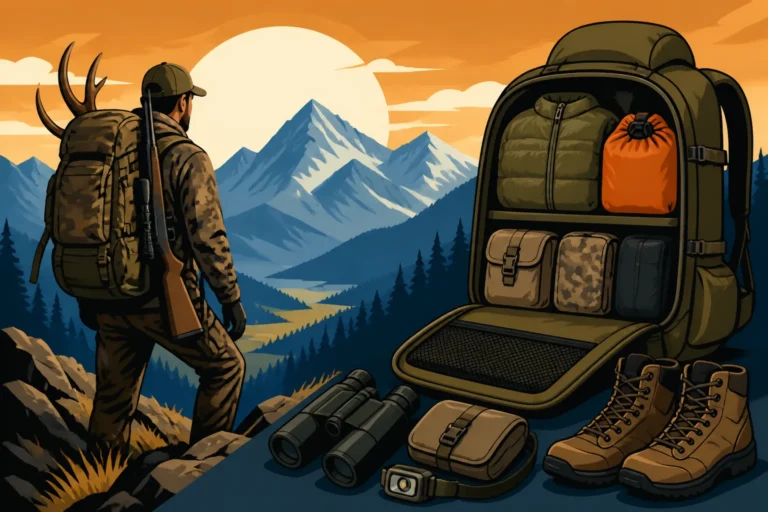
- Optics: High-quality binoculars (10×42 or 12×50) and a spotting scope (20-60x) are absolutely critical for spot and stalk. You'll be spending hours behind glass, so investing in clear, bright optics is paramount. A rangefinder is also essential for accurate shot placement.
- Weaponry: For rifles, popular calibers like .30-06, .300 Win Mag, .308, and 7mm Rem Mag are excellent choices, firing well-constructed, heavy-for-caliber bullets. For archery, a compound bow with a draw weight suitable for delivering sufficient kinetic energy with broadheads designed for large game is necessary. Always practice extensively with your chosen weapon to ensure proficiency and ethical shot placement.
- Backpack: A comfortable, sturdy backpack capable of carrying water, food, extra layers, first-aid, and potentially bear meat is vital. You’ll want something with good suspension and capacity. For those considering a multi-day hunt, a pack designed for backcountry excursions, like those covered in Montana Backcountry Hunting Gear List, is a must.
- Clothing: Layers are your friend in Montana. Weather can change drastically. Think moisture-wicking base layers, insulating mid-layers, and a waterproof/windproof outer shell. Good hiking boots are also non-negotiable for the rugged terrain.
- Bear Spray: This is non-negotiable. Always carry bear spray in an easily accessible holster, even when hunting black bears. Encounters can happen, and safety is always first.
- Navigation: A GPS device or a reliable hunting app like GoHunt, coupled with physical maps and a compass, is essential. Losing your way in bear country is a serious situation. Make sure you understand How to E-Scout Montana Hunting Units to navigate effectively.
Physical Conditioning and Safety Protocols
Black bear hunting in Montana can be incredibly physically demanding. If you're spot and stalk hunting, expect to climb steep hillsides, cross difficult terrain, and cover many miles, sometimes at high altitudes. Being in good physical shape is not just about comfort; it's a safety issue. You need to be able to hike with your gear, execute a stealthy stalk, and, if successful, pack out heavy meat in challenging conditions. Check out resources like Montana Elk Hunt Fitness Plan for ideas on preparing your body for these demands.
Safety should always be your top priority.
- Hunt with a Partner: Whenever possible, hunt with a friend. It's safer, and two sets of eyes are better than one.
- Tell Someone Your Plan: Always inform a non-hunting contact about your hunting area, expected return time, and specific plans.
- First Aid: Carry a comprehensive first-aid kit and know how to use it.
- Bear Awareness: Beyond carrying bear spray, understand bear behavior. Know how to avoid encounters and what to do if one occurs. This applies to both black bears and grizzlies, which overlap in much of Montana's prime black bear country. Knowing the differences, and always assuming it could be a grizzly, is paramount for safety.
- Ethical Shots: Always strive for a clean, ethical shot. Be patient, wait for the right opportunity, and know your limitations and your weapon's capabilities. A wounded bear in thick cover is a dangerous situation.
Strategic Considerations for Locating and Approaching Bears
Beyond the basic methods and gear, truly successful black bear hunting in Montana often boils down to keen observation, understanding animal behavior, and using the environment to your advantage.
Interpreting Bear Sign and Tracking Techniques
Bears leave behind a wealth of clues if you know what to look for. Fresh tracks in mud or snow can tell you how recently a bear was in the area and its direction of travel. Scat can indicate their diet and freshness. Claw marks on trees, especially older aspens or pines, can signify a rub tree or even a feeding area where they've climbed to get nuts or bark. Overturned rocks or torn-up logs suggest foraging activity for grubs and insects.
When tracking, pay attention to the little details. Look for bent grass, broken twigs, and disturbed leaves. Bear tracks are relatively distinct, with five toes and a prominent heel pad. The size and freshness of the tracks can help you determine if you're close to a bear. If you find very fresh sign—especially warm scat or tracks that look like they were just made—slow down, become incredibly stealthy, and be prepared for an encounter. Tracking, particularly in dense timber, demands acute focus and a quiet approach. Remember, bears are always listening and smelling for danger. For more general tracking tips, consider how one might How to Hunt Elk in Montana's Wilderness.
Mastering Wind and Thermals in Bear Country
Just like elk or deer, bears rely heavily on their sense of smell. Ignoring the wind or thermals is a surefire way to spook a bear before you even see it. Understanding how these forces work in mountain terrain is crucial.
- Wind: Always try to approach a bear with the wind in your face (or quartering to you). This carries your scent away from the animal. A shifting wind can quickly betray your presence, so constantly monitor it with a wind checker.
- Thermals: In mountainous terrain, air currents (thermals) typically flow downhill in the mornings and uphill in the evenings. During midday, they can be unpredictable. If you're stalking a bear in the morning, approach from below to keep your scent carried downhill, away from the bear. In the evening, approach from above. This is an art form, not a science, and takes practice and keen observation. Knowing how to use these natural air currents, as highlighted in How to Use Thermals in Montana Elk Country, applies directly to bear hunting.
Being mindful of your scent and how it travels is a constant battle. Use scent-eliminating sprays on your clothes, store them in scent-free bags, and avoid strong odors like cologne, coffee, or gasoline. Every little bit helps.
Here’s a quick comparison of the primary black bear hunting methods in Montana:
| Method | Description | Pros | Cons | Typical Season | Skill Level Required |
|---|---|---|---|---|---|
| Spot & Stalk | Locate bears with optics from a distance, then stalk within shooting range. | High success rates in open country, traditional, rewarding. | Physically demanding, requires patience and good optics. | Spring & Fall | Intermediate-Expert |
| Hound Hunting | Use trained dogs to track and tree/bay a bear. | Very high success rates, exciting, active. | Requires specialized permits/guides, highly physical, specific seasons. | Spring & Fall | Intermediate-Expert |
| Ambush Hunting | Position yourself near known travel routes or feeding areas. | Less physically demanding, can be effective in dense cover. | Requires extensive scouting, high patience, can be low opportunity. | Spring & Fall | Beginner-Intermediate |
Ultimately, the best method to hunt Montana black bear is the one you are most prepared for, both physically and mentally, and the one that aligns with your personal hunting style and the regulations of your chosen district. Whether you're covering vast ground on a spot and stalk, trailing hounds through thick timber, or patiently waiting in an ambush, the challenge and reward of pursuing these magnificent animals in Montana's wild landscapes is an experience like no other.
Disclaimer
Please remember that hunting regulations, season dates, and license requirements for black bear in Montana can change annually. It is your responsibility to consult the most current Montana Fish, Wildlife & Parks regulations before planning any hunt. This guide is for informational purposes only and does not constitute legal advice. Always prioritize safety, ethical hunting practices, and respect for the wildlife and the land.