Best Montana Districts for Horseback Hunting
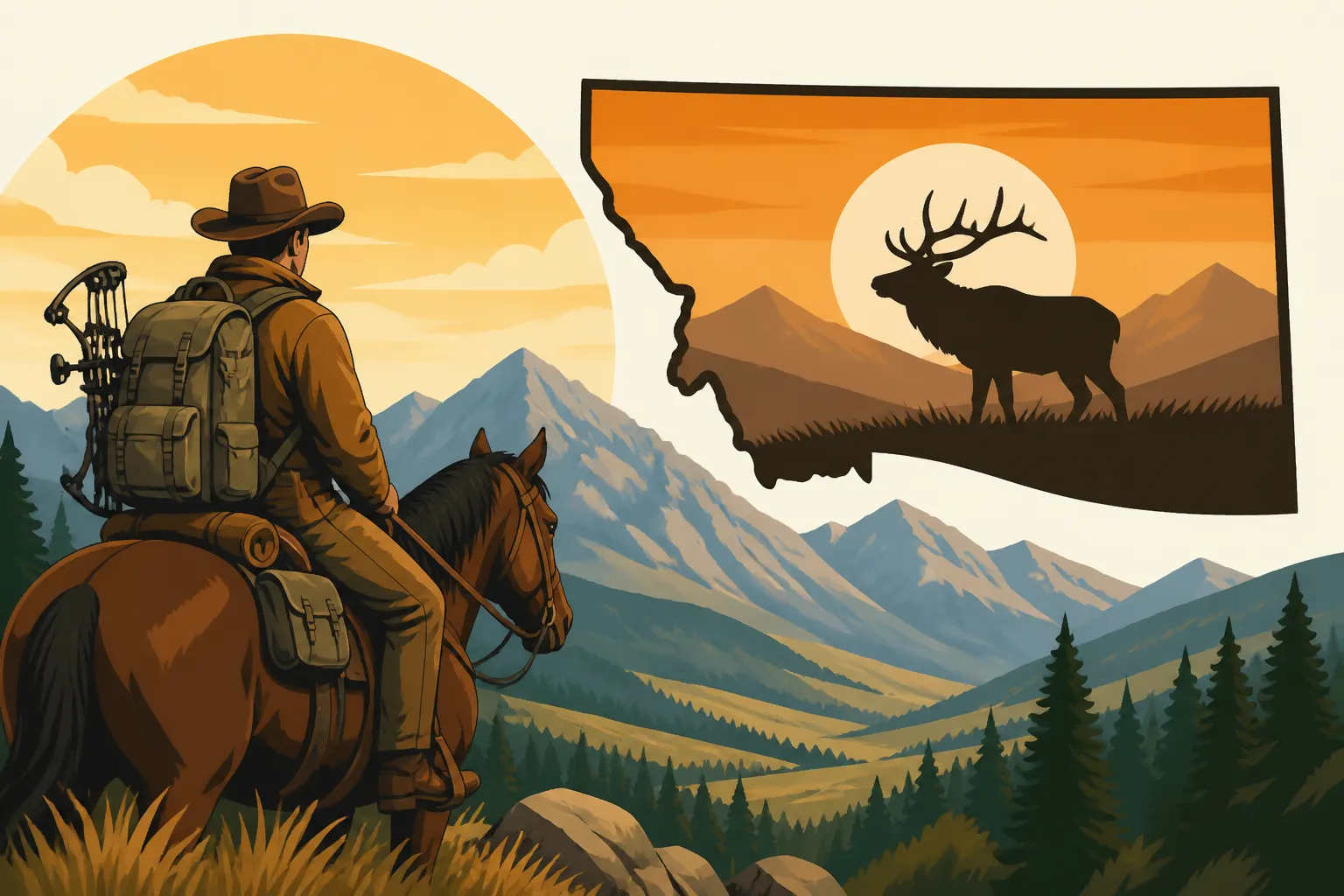
Trying to cover the vast, rugged expanses of Montana's prime hunting grounds on foot can feel like an impossible task, leaving many hunters feeling utterly defeated before they even start. The sheer scale of the landscape, combined with the need to pack out heavy game, often deters even the most dedicated outdoors enthusiasts. This guide is here to unravel the mystery of horseback hunting in Montana, showing you how these incredible animals can unlock remote hunting opportunities and significantly increase your chances of success and enjoyment in the backcountry.
Why Choose Horseback for Your Montana Hunt?
Let's be honest, those majestic mountains and sprawling prairies of Montana aren't always easy on the legs. Miles turn into agonizing treks, and the thought of packing out an elk on your back can make even the most seasoned hunter consider a different hobby. This is where a trusty horse becomes more than just a ride; it becomes your partner in crime, an essential tool that transforms daunting wilderness into accessible hunting grounds.
Covering Vast Terrain with Ease
One of the biggest frustrations for many hunters is feeling limited by their own two feet. You see promising ridges in the distance, dark timber that just screams elk, but the thought of the day-long hike just to get there and back, let alone hunt, is exhausting. Horses solve this problem. They can cover significantly more ground in a day than any human, allowing you to access those deep, remote basins and high-country plateaus that rarely see human pressure. Think about it: instead of spending half your day busting brush to reach a good glassing knob, your horse can carry you there, saving your energy for the hunt itself. This is especially true when you're looking to explore expansive regions like those found in a Montana National Forest Hunting Guide or tackle the sheer scale of the state's wilderness areas.
You can push further into areas that are simply inaccessible to ATVs or even e-bikes, giving you a competitive edge against other hunters sticking to road systems. Imagine covering 15-20 miles of rugged mountain trails in a day, scouting multiple drainages, and still feeling fresh enough to put a stalk on a bull elk in the evening. That's the power of horseback hunting.
Hauling Heavy Loads and Preserving Your Energy
The moment of truth arrives: you've successfully harvested an elk deep in the backcountry. Now comes the real work – getting that meat out. For a solo hunter, or even a small group, this can mean multiple, grueling trips, often through steep, unforgiving terrain. This is where horses truly shine. The ability to pack out an entire elk, or at least a significant portion of it, in one or two trips is a game-changer. It means less time spent hauling, less risk of meat spoilage, and more importantly, less physical toll on your body.
Instead of dreading the pack-out, you can focus on the satisfaction of a successful hunt. Horses don't just carry meat; they carry your camp, your water, your firewood, and all the creature comforts that make a backcountry hunt enjoyable, not just survivable. From wall tents and wood stoves to extra optics and dehydrated meals, your horse becomes your mobile base camp, enabling longer, more comfortable stays in remote locations. This ability to pack heavy gear is a cornerstone of any successful Montana Backcountry Hunting Guide, allowing hunters to sustain themselves far from the nearest trailhead.
Key Considerations for Choosing Horseback Districts
Not all hunting districts are created equal when it comes to utilizing horses. There are specific characteristics and regulations you need to consider to ensure a safe, legal, and productive horseback hunt. It's not just about finding elk; it's about finding elk country that works for you and your equine partners.
Navigating Terrain and Trail Systems
When scouting for horseback hunting districts, the type of terrain and the availability of established trails are paramount. While horses are incredibly capable, endlessly navigating dense timber blowdowns or extremely boulder-strewn slopes can be difficult, slow, and even dangerous for both horse and rider. Look for districts that offer a good mix of open ridge lines, established wilderness trails, and accessible timbered slopes.
For instance, many parts of the Bob Marshall Wilderness Complex, or the Beaverhead-Deerlodge National Forest, offer extensive trail networks originally established for fire suppression or early exploration. These trails, while sometimes rugged, provide relatively clear pathways deep into prime wildlife habitat. Using detailed mapping tools like onX Hunt becomes absolutely essential here. You can identify existing trails, evaluate terrain steepness, and even locate potential campsites with good forage and water. Pay close attention to areas marked as "wilderness" – while horses are generally allowed, mechanized transport is not, and certain restrictions may apply to group sizes or camping practices. Understanding these nuances is crucial for a smooth experience.
Understanding Public Land Access and Regulations
Montana has a vast amount of public land, but how that land is accessed and what regulations apply to horse use can vary significantly. You'll encounter National Forest lands, BLM lands, State Trust Lands, and even Block Management Areas. Each can have slightly different rules.
- Wilderness Areas: These are often ideal for horseback hunting due to their remote nature and lack of motorized access. However, they come with strict "Leave No Trace" principles, and specific rules might dictate where you can tie up horses, how far from water sources you can camp, and what kind of feed is allowed (often requiring certified weed-free feed). Consulting the local Forest Service office for the specific wilderness area you plan to enter is always a good idea. For a deeper dive, check out our guide on Montana Wilderness Area Hunting.
- National Forests and BLM Lands: Generally, horses are permitted, but always confirm any specific restrictions, especially around popular trailheads or developed recreation sites. You'll want to cross-reference your chosen district with the specific forest service regulations.
- Block Management Areas (BMAs): While some BMAs allow foot traffic only, others are designed to allow vehicle access to certain points, and a few might permit horse use on specific routes. Always check the individual BMA rules rigorously, as they can change annually. This makes resources like the FWP website and platforms like GoHunt invaluable for up-to-date information.
Scouting for Water and Forage
A horse isn't just a machine; it's a living, breathing partner that needs food and water. This is perhaps one of the most overlooked aspects of planning a horseback hunt. You can't just throw a bag of grain on their back and expect them to thrive for a week in the mountains. When e-scouting with onX Hunt, identify perennial water sources, mountain meadows, or areas with good undergrowth that can provide adequate forage.
In drier years or late in the season, water can be scarce, pushing both game and horses to specific locations. Planning your camp near a reliable water source is non-negotiable. Additionally, consider how you'll provide supplemental feed. Certified weed-free hay pellets or cubes are often required in wilderness areas to prevent the spread of invasive species. Failing to plan for your horse's needs will lead to a miserable, potentially dangerous, and certainly unsuccessful hunt.
Top Montana Districts for Horseback Hunting
Montana is a big state, and while many districts offer opportunities for horseback hunting, some stand out due to their expansive public lands, established trail systems, and traditional use by outfitters and private horsemen. These are the places where horses truly come into their own.
The Majestic Wilderness Complexes
Montana's designated wilderness areas are, without a doubt, premier destinations for horseback hunting. Their roadless nature means that the only way to effectively penetrate deep into these vast landscapes is on foot or horseback.
- Bob Marshall Wilderness Complex (HDs like 150, 151, 153, 154): Often affectionately called "The Bob," this immense wilderness area is practically synonymous with horseback hunting. It encompasses over 1.5 million acres and offers a lifetime of exploration. The terrain is rugged, with vast basins, high peaks, and dense timber, but it's crisscrossed by an extensive network of trails. You can pack into remote drainages, set up a base camp, and hunt for weeks without seeing another soul. The elk herds here are legendary, though hard-earned. Access points around areas like the Flathead National Forest or the Sun River drainage are popular jump-off points. If you're looking for a truly immersive experience, a Bob Marshall Wilderness Hunting Guide will show you why this is a top choice.
- Anaconda-Pintler Wilderness (HDs like 211, 212, 213, 216): Located southwest of Missoula, the "A-Pinch" offers another incredible wilderness experience. It's characterized by high alpine lakes, dramatic peaks, and cirques, interspersed with timbered slopes. While challenging, the rewards for a dedicated horseback hunter are substantial. The sheer remoteness means less hunter pressure in its deeper reaches, offering a chance at mature animals.
- Absaroka-Beartooth Wilderness (HDs like 310, 520): Straddling the Montana-Wyoming border, this wilderness is truly epic, home to Montana's highest peaks. It's incredibly rugged and demanding, but offers unparalleled solitude and trophy potential for elk, deer, and even bighorn sheep and mountain goats (if you draw those elusive tags). Horse trails are often steep and rocky, requiring sure-footed animals and experienced riders. However, the views and the challenge are unmatched.
Expansive National Forests and Roadless Areas
Beyond the formal wilderness designations, many districts within Montana's National Forests contain significant roadless or limited-access areas perfect for horses.
- Beaverhead-Deerlodge National Forest (HDs like 300, 311, 320, 321, 330): This forest alone is the largest in Montana, covering over 3 million acres. It encompasses numerous mountain ranges like the Gravelly, Tobacco Root, and Pioneer mountains. Many of these ranges have vast roadless blocks where horses are invaluable. The hunting can be excellent for elk and mule deer. Consider districts within this forest, particularly those with less developed road systems, as prime candidates. Our Beaverhead-Deerlodge Hunting Guide provides more detail on specific areas within this massive forest.
- Custer Gallatin National Forest (HDs like 313, 332, 510, 520, 530): East of Bozeman, this National Forest is home to the Bangtail, Bridger, Crazy, and Absaroka mountain ranges. While some areas are heavily used, deep pockets within its boundaries, especially in the Crazy Mountains or along the Yellowstone River, offer substantial opportunities for horseback hunters to get away from the crowds and find elk or mule deer. The terrain here is classic Montana high country, requiring good horses and solid planning.
- Lolo National Forest (HDs like 201, 202, 204, 260): Near Missoula, the Lolo offers a mix of challenging timbered terrain and open slopes. While parts are heavily roaded, there are still extensive areas where horses can grant you access to overlooked pockets of game, especially for elk and whitetail deer.
Here's a quick overview of some excellent choices for horsepower:
| District Type | Example District (HD) | Primary Species | Terrain Type | Horse Access Notes |
|---|---|---|---|---|
| Wilderness Complex | Bob Marshall (150) | Elk, Mule Deer | Rugged mountains, dense timber, open basins | Extensive established trails, remote, weed-free feed req. |
| National Forest (Roadless) | Beaverhead-Deerlodge (330) | Elk, Mule Deer | Mountains, conifer forests, meadows | Good trail systems, less extreme than true wilderness |
| National Forest (Mixed) | Custer Gallatin (313) | Elk, Mule Deer | Steep slopes, open parks, heavy timber | Variable access, some very remote sections, challenging |
| Western Front Range | Rocky Mountain Front (441) | Elk, Mule Deer | High peaks, foothills, sagebrush | Access into vast, rugged country, often wind-swept |
Planning and Executing Your Horseback Hunt
A successful horseback hunt in Montana is about more than just having horses; it's about meticulous planning, preparation, and knowing what you're getting into. This isn't a casual endeavor, but with the right approach, it can be the most rewarding hunt of your life.
Essential Gear and Logistics
Packing for a horseback hunt requires a different mindset than a backpacking trip. You can bring more, but every item still needs to be carefully chosen for durability and functionality.
- Horse Gear: Pack saddles (Decker or Sawbuck), panniers, saddle bags, hobbles, picket lines, portable electric fence, feed bags, and most importantly, certified weed-free feed. Don't skimp on quality here; broken gear in the backcountry is a major headache.
- Camping Gear: A sturdy wall tent with a wood stove can turn a miserable cold snap into a cozy evening. A larger, more comfortable sleeping pad and bag are also possible when horses are carrying the weight. Think about a portable water filter for yourself and your horses, though they often prefer natural sources if available.
- Hunting Gear: All your standard hunting gear, including your rifle or bow, optics, and clothing. However, you might consider slightly heavier-duty boots, like those discussed in Best Boots for Montana Elk Hunting, to handle the varied terrain and potential horse-related duties. Don't forget a quality first-aid kit for both humans and horses.
- Navigation: While you'll be following trails, having reliable navigation is paramount. A GPS unit and physical maps are essential. This is where tools like onX Hunt truly shine. You can pre-load maps, mark water sources, potential game areas, and safe travel routes, identifying potential campsites with good forage. This kind of detailed How to E-Scout Montana Hunting Units is critical for success.
When it comes to logistics, consider how you'll get your horses to the trailhead, where you'll park your rig, and how you'll handle any emergencies. If you're a nonresident, you'll need to secure your Montana Nonresident Combination License Guide well in advance. Some hunters opt to hire a professional packer for their first few trips to learn the ropes, or even book a Montana Drop Camp Hunts Explained where an outfitter packs you in and out, but you do the hunting yourself.
Physical and Horsemanship Preparation
Just because a horse is doing the heavy lifting doesn't mean you get to skip the gym. Riding a horse for multiple hours a day over rugged terrain is physically demanding. You'll use muscles you didn't even know you had. Improving your core strength, flexibility, and overall endurance will make your ride much more comfortable and safer. If you're interested in boosting your fitness, checking out our guide on How to Physically Prepare for a Montana Elk Hunt can provide some valuable insights.
More importantly, your horsemanship skills need to be solid. Your horse needs to be trail-savvy, comfortable in rough country, and responsive to your commands. If you're new to horse packing, practice extensively before your trip. Spend time riding in varying conditions, crossing streams, navigating fallen timber, and getting your horse accustomed to strange sounds and sights. Your safety, and the safety of your horse, depends on it.
This level of preparation and self-sufficiency is a hallmark of Montana DIY Elk Hunting Guide strategies, empowering hunters to tackle ambitious goals. A strong partnership with your horse allows you to implement effective Montana Elk Hunting Methods Explained deeper in the backcountry, where the biggest bulls often reside.
Disclaimer
The information provided in this guide is for general informational purposes only and does not constitute professional advice. Hunting regulations, district boundaries, and access rules in Montana can change frequently. Always consult the latest Montana Fish, Wildlife & Parks (FWP) regulations and specific land management agency rules (e.g., Forest Service, BLM) before planning any hunting trip. Horseback hunting carries inherent risks; ensure you are adequately prepared, skilled, and equipped for the backcountry environment.