Archery Elk Tactics for the Rut in Montana
The screaming of a bull elk in the crisp Montana autumn air is a sound that sets an archery hunter's soul on fire, but turning that thrilling bugle into a punched tag is often a frustrating and elusive goal. Many archers find themselves overwhelmed by the sheer size of Montana's elk country, the unpredictable nature of rutting bulls, and the intense physical and mental demands of chasing these magnificent animals with a bow. This comprehensive guide will arm you with the specific archery tactics you need to effectively hunt elk during the rut in Montana, helping you understand their behavior, optimize your gear, and master the calling and stalking strategies that lead to success.
Understanding the Montana Elk Rut
The elk rut in Montana is arguably the most exciting time to be in the woods for an archery hunter. This is when bull elk are at their most vocal and, often, their most vulnerable. But it's also a time of high energy, unpredictable behavior, and intense competition, both among the elk and among hunters. Truly understanding what drives these animals during this period is the first step toward crafting a successful archery strategy.
Timing is Everything for Peak Rut Action
Montana's elk rut usually kicks off in late August and can run strong through late September, sometimes even into early October, with the absolute peak often falling between the middle and end of September. This window is critical for archers because it's when bulls are most actively breeding, establishing dominance, and thus, most responsive to calls. However, "peak rut" isn't a single day; it's a phase that can shift slightly year to year based on factors like weather, herd health, and the moon phase. Cold snaps can often ignite activity, as cooler temperatures make bulls more comfortable moving and bugling.
During the early stages of the rut, say the last week of August into the first week of September, you'll hear sporadic bugles. Bulls are often testing the waters, gathering their cows, and sizing each other up. They might be responsive to a challenge but can still be cautious. As you get into mid-September, the real show begins. This is when the estrus cows are becoming receptive, and bulls are in full-on battle mode, bugling almost constantly, rubbing trees, and herding their harems. It's a high-stakes game where a well-placed cow call or a challenging bugle can draw a bull right into your shooting lane. Knowing these windows helps you decide when to take your vacation days and focus your efforts. For a broader overview of the season, check out our guide on Montana Elk Season Dates Guide.
Decoding Elk Behavior Changes During the Rut
The rut transforms bull elk from secretive, often solitary animals into loud, dominant, and sometimes surprisingly reckless creatures. Their primary focus shifts entirely to breeding. This means they'll be preoccupied with holding onto their cows, fending off rival bulls, and seeking out new opportunities. This preoccupation is your biggest advantage as an archer.
Bulls will be incredibly vocal, using a complex range of bugles, grunts, and chuckles to communicate their presence, challenge rivals, and gather their cows. They will also rub their antlers on trees and thrash brush to mark territory and demonstrate dominance. You'll see cows that are coming into estrus becoming more vocal with cow calls, which can also be an excellent locator for bulls. Understanding these behaviors allows you to predict their movements and responses. For example, a bull raking a tree is showing aggression and might respond violently to a challenge bugle. A bull quietly herding his cows might be drawn in by a soft cow call, hoping to add another receptive female to his harem. Their senses are still sharp, but their minds are often clouded by hormones, making them more susceptible to well-executed calling and careful stalking.
Key Archery Gear Considerations for the Rut
Archery hunting for Montana elk during the rut demands specialized gear that can stand up to the rigors of the backcountry and the close-quarters encounters the rut often provides. Your setup needs to be precise, durable, and optimized for quick, ethical shots in challenging conditions. Overlooking seemingly small details can lead to missed opportunities or, worse, an unethical shot.
Bow Setup Optimization for Close Encounters
When a rutting bull comes screaming in, sometimes all you get is a split second for a shot, and it might not be a perfect broadside. Your bow setup needs to be absolutely dialed in for accuracy and capable of delivering maximum kinetic energy. This means a bow that you can comfortably draw silently and hold steady, even with adrenaline coursing through your veins. Your draw weight should be something you can manage consistently, not just once at the pro shop. A quiet bow is paramount; any creaks or excessive string slap can blow your cover. Ensure your cams are synchronized, your peep is aligned, and your rest is functioning flawlessly.
Broadheads are another critical component. For elk, mechanical broadheads are popular for their large cutting diameter and accuracy at longer distances, but fixed-blade broadheads offer superior penetration and are often preferred by many experienced elk hunters, especially when encountering thick hide and heavy bone. Whichever you choose, practice with them extensively to ensure they fly true with your field points. Your arrows should be stiff enough for your draw weight and broadhead choice, providing consistent flight and penetration. Don't skimp on arrow quality; a few extra grains of weight can provide a noticeable increase in kinetic energy. A reliable quiver that holds arrows securely yet allows for silent, quick removal is also essential.
Essential Optics and Rangefinders
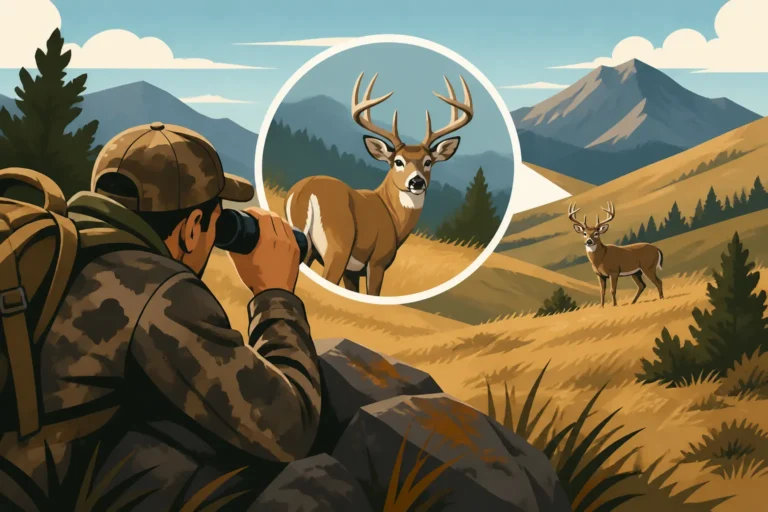
In Montana's vast landscapes, good optics are not just helpful; they are essential. While you might be hunting in thicker timber during the rut, you'll still spend a lot of time glassing open meadows, distant ridges, and across drainages for movement or to locate the source of a bugle. High-quality binoculars, typically 10×42 or 10×50, are your best friend for spotting those subtle antler tips or a flick of an ear. Brands like Maven, Vortex, and Swarovski are popular among serious hunters for their clarity and durability.
A reliable rangefinder is non-negotiable for archery elk hunting. Unlike rifle hunting where ranges are more forgiving, archery demands precise distance measurement for ethical shots. Practice ranging objects quickly and silently. Many rangefinders also offer angle compensation, which is crucial in Montana's steep, broken terrain. Knowing the exact yardage to a bull that’s just stepped out from behind a tree, or even to a landmark where you expect him to appear, can be the difference between a clean shot and a miss. It's not enough to own these tools; you need to be proficient in using them under pressure. Consider a rangefinder that is quick to acquire targets and has a simple interface, especially when your hands might be shaking from adrenaline. For more on selecting the right viewing gear, take a look at our guide on Best Optics for Montana Big Game.
Mastering Elk Calling During the Rut
Elk calling during the rut is an art form, a conversation with the wilderness, and often the most exciting part of archery hunting. Done right, it can bring a massive bull into bow range. Done wrong, and you might send him running for the next county. Success hinges on understanding what elk are saying and how to respond appropriately.
Aggressive Bugling and Cow Calling
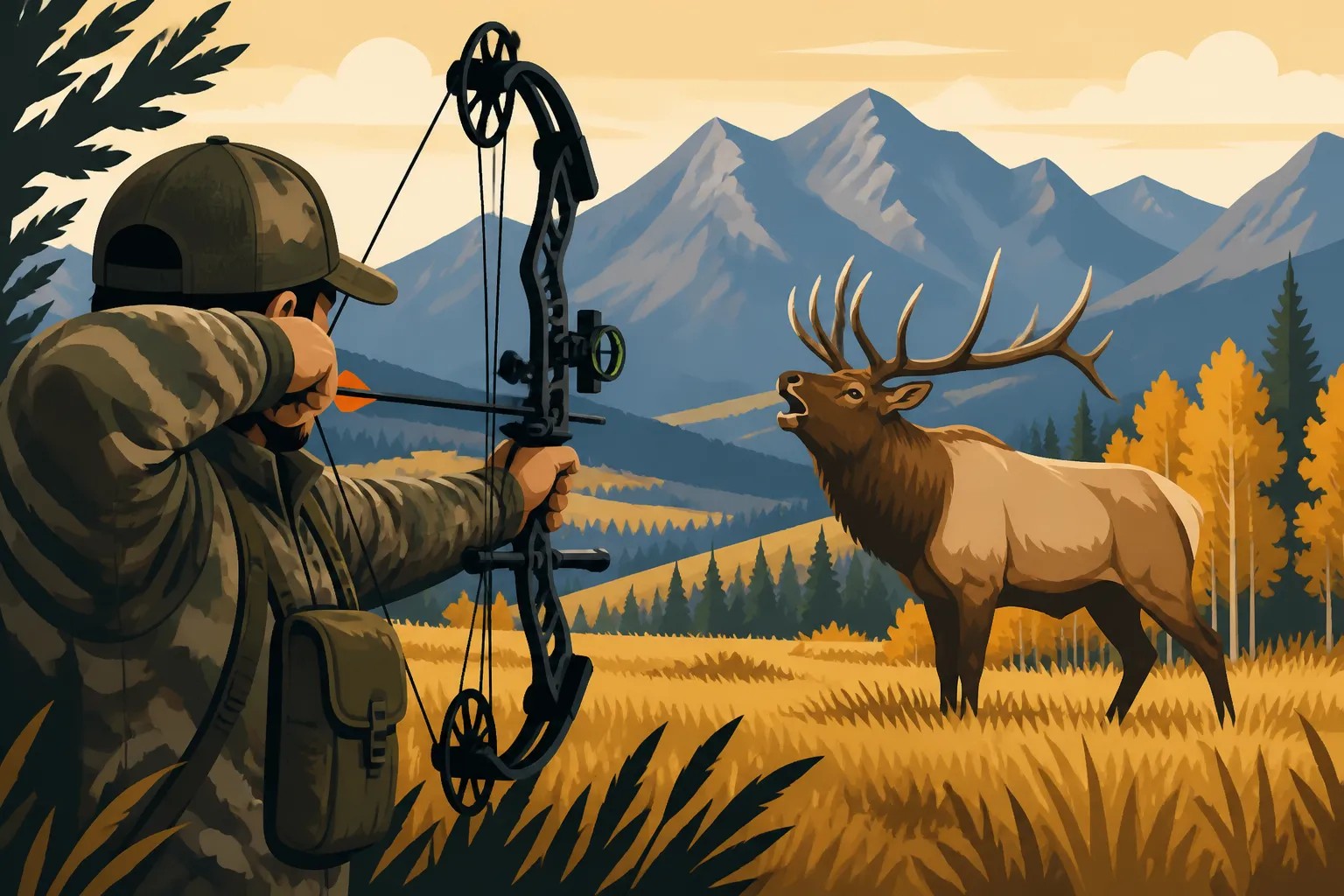
During the peak rut, bulls are looking for a fight or a receptive cow, and your calling should reflect that. Don't be shy with your bugles if you hear a bull talking. A good challenge bugle can often draw in a dominant bull who wants to defend his territory or a satellite bull hoping to steal some cows. Vary your bugles – start with a locator bugle, then, if you get a response, escalate to a more aggressive, drawn-out challenge. Incorporate chuckles and grunts to mimic a bull that’s actively tending his cows. Learning How to Bugle for Montana Elk is a game-changer.
Cow calling is equally, if not more, important. Soft, plaintive estrus cow calls can be incredibly effective, especially for drawing in a bull who is looking for more cows or has lost his harem. Don't just make one type of cow call; vary your tones and sequences. A series of excited, short mewing calls can sound like a cow in estrus, while longer, more drawn-out mews can sound like a lost cow. Often, the combination of light cow calls followed by a subtle, soft grunt from a "bull" is irresistible to a real bull. Remember, sometimes silence after a call can be as effective as the call itself, especially if a bull is trying to pinpoint your location. For a deeper dive into the nuances, refer to our article on How to Cow Call Montana Elk.
Decoy Tactics and Setups
Decoys can be a powerful, albeit risky, tool during the archery rut. The visual element of a decoy can be the final piece of the puzzle that convinces a hesitant bull to commit. When a bull hears your calls, he's often looking for the source, and seeing another elk can solidify his belief that you're real. There are two main types: cow decoys and bull decoys.
A cow decoy is generally safer and more versatile. It appeals to a bull's desire to breed and gather cows. When using a cow decoy, place it downwind or crosswind of your position, giving the bull a visual target to approach. Position it so the bull can see it as he comes in, but also allow yourself a clear shooting lane. Be ready; bulls can come in fast and aggressively.
Bull decoys, particularly those showing aggressive postures or large racks, are higher risk but can be incredibly effective for challenging a dominant bull. Use these with caution and only if you’re confident in your calling and setup. A bull decoy might elicit a charge or a quick retreat. Always place your decoy where the bull will focus on it, not you, and ensure you have a shooting lane. Decoys like those from Montana Decoy are lightweight and packable, making them ideal for mobile archery hunters. They often require a partner to set up effectively, with one person calling and the other managing the decoy and the shooter. Always consider wind direction and potential shot angles when setting up.
Strategic Archery Approaches for Rutting Elk
Simply wandering through the woods bugling won't guarantee success. Archery hunting rutting elk in Montana requires a strategic approach, blending aggressive tactics with stealth and patience. You need to be able to move quickly, set up effectively, and adapt to the ever-changing dynamics of the rut.
Spot-and-Stalk in Open Timber and Meadows
While dense timber might seem like the primary elk habitat, rutting bulls often utilize the edges of open meadows, clear-cuts, or thinner timber stands to gather and display their cows. This is where spot-and-stalk tactics become incredibly effective for archery hunters. Early mornings and late evenings are prime times, as elk move between feeding and bedding areas. Use your high-quality optics to meticulously glass these areas from a distance, looking for movement, color variations, or the glint of an antler. Once you spot a bull, carefully assess his position, the wind direction, and any cover that can aid your approach.
The key to a successful spot-and-stalk is patience and calculated movement. Utilize every fold in the terrain, every patch of timber, and every rock to mask your approach. Pay excruciating attention to the wind – elk have an incredible sense of smell, and one puff of wind in the wrong direction can end your hunt instantly. Move slowly, deliberately, and silently, especially as you get closer. Wear quiet clothing that won't rustle against branches. If the bull is bugling, use his vocalizations to mask your movements. Sometimes a well-placed cow call can stop a moving bull or turn him slightly, giving you a better angle. This method is incredibly challenging, but the reward of closing the distance on a rutting bull with a bow is unparalleled. For more detailed insights into this approach, consider our guide on How to Spot-and-Stalk Elk in Montana.
Ambush Points and Ground Blinds
Not every hunt allows for an aggressive spot-and-stalk, especially in areas with very thick timber or heavy hunting pressure. In these situations, setting up an ambush or using a ground blind can be incredibly effective. Rutting elk often follow predictable travel corridors between bedding areas, water sources, and feeding grounds, especially if they are moving with a harem. Identifying these natural funnels, saddles, wallows, or heavily used game trails can lead to excellent ambush opportunities.
A natural ground blind can be as simple as a cluster of pines, a fallen log, or a rock outcrop that offers good concealment and shooting lanes. It's crucial to set up downwind of where you expect the elk to come from. Use natural cover to break up your silhouette, and remain absolutely motionless. You can also deploy a pop-up ground blind, which offers superior concealment and protection from the elements, especially in more open terrain. Brands like Primos and Ameristep offer reliable, portable blinds. These work particularly well near known elk wallows during the rut, as bulls will often visit them to cool off and scent mark. When calling from a blind, remember that the sound will be somewhat muffled, so you might need to adjust your volume. Being patient and letting the elk come to you can be a highly successful tactic, especially when bulls are wary or the terrain makes stalking difficult. For further reading, explore Montana Elk Hunting: Ground Blind Tactics.
Reading Elk Sign and Adapting to Conditions
Successfully hunting elk, especially with a bow during the rut, isn't just about calling or stalking; it's also about being a detective. Elk leave a myriad of clues, and understanding these signs, combined with adapting to weather and pressure, can significantly increase your odds.
Interpreting Rubs, Scrapes, and Wallows
Elk sign becomes abundant and highly concentrated during the rut. Rubs, where bulls strip bark from trees with their antlers, are clear indicators of bull activity. Fresh rubs, especially on smaller trees or saplings, signal an active bull expressing dominance and marking his territory. Pay attention to the size and height of the rub – larger, higher rubs often indicate a bigger bull. You might find multiple rubs clustered together, creating a "rub line," which can sometimes indicate a travel corridor or a staging area.
Scrapes, though less common than deer scrapes, do occur, especially where bulls urinate and paw the ground, depositing their scent. These are direct messages to other elk. Finding fresh scrapes means you’re in an area where bulls are actively communicating and asserting dominance. Wallows, muddy depressions where elk roll around to cool off and apply scent, become magnets during the rut. Bulls will wallow to spread their scent, cool down after sparring, and dry out their hide. A fresh, muddy wallow with strong elk scent means a bull has been there recently, often within hours. Setting up near an active wallow or along a trail leading to one can be a deadly tactic, especially if you understand How to Hunt Elk Wallows in Montana. All these signs tell you not just that elk are in the area, but what they are doing and how recently they've been there.
Adapting to Weather and Hunter Pressure
Montana's weather can be famously unpredictable, and it significantly impacts elk behavior during the rut. A cold front can often kickstart rut activity, making bulls more vocal and active. Warm, sunny days can slow things down, pushing elk into cooler, shaded bedding areas, often at higher elevations or in dense timber, until evening. Rainy or snowy conditions can make elk move more freely, as the precipitation helps muffle sound and makes human scent harder to detect. Knowing How to Hunt Elk in Montana Snow can be a huge advantage. Always check the forecast and adjust your plans accordingly.
Hunter pressure, especially on public land, is another major factor. During the archery rut, prime areas can see significant human presence. Over-pressured elk become quieter, more nocturnal, and seek refuge in thicker, nastier timber or roadless areas. If you're encountering heavy pressure, consider changing your strategy. Instead of aggressive bugling, try subtle cow calls or silent still-hunting into thick cover. Using tools like GoHunt can help you identify areas with lower reported hunter densities or analyze draw odds for less pressured units. You might need to hike deeper into the backcountry, away from roads and popular trailheads, to find unpressured animals. Hunting these tougher spots might require a deeper dive into topics like How to Pack Into the Montana Backcountry or a review of our full Montana Backcountry Hunting Guide. Adapting to pressure means being flexible and often working harder than the next guy.
Safety and Ethics in Montana Archery Elk Hunting
Hunting Montana's elk, particularly during the rut, is an immense privilege that comes with significant responsibility. Ensuring your safety and upholding ethical hunting practices are paramount, not just for your own well-being but for the preservation of the sport. The challenges of the backcountry, combined with the presence of other hunters, demand vigilance and respect.
Navigating Public Land Pressure and Respecting Fellow Hunters
Montana boasts an incredible amount of public land, which is fantastic for opportunity but also means you'll likely encounter other hunters. The rut, with its heightened elk activity, tends to draw a crowd. It's crucial to be aware of your surroundings and the presence of others. Always assume there are other hunters in the area. When you hear another hunter calling or moving in on elk, give them space. Cutting off another hunter's stalk or walking into their setup is not only unsafe but also incredibly disrespectful.
Communication, where possible, is key. If you bump into another hunting party, a quick, friendly chat about where each group is heading can prevent conflicts and keep everyone safe. Bright orange clothing, while not always required for archery season, can increase visibility to others, especially if you're in an area with a lot of cross-country travel. Always be mindful of your shooting lanes and what lies beyond your target. Remember, an elk is never worth compromising safety or a respectful interaction with a fellow hunter. Understanding How to Beat the Crowds on Montana Public Land is vital for a positive experience.
Responsible Shot Placement and Animal Recovery
As an archery hunter, your commitment to ethical hunting starts with shot placement. Unlike rifles, bows require pinpoint accuracy to ensure a quick, humane kill. Always aim for the vital organs – the heart and lungs – which are located in the "pocket" behind the elk's shoulder. Practice regularly at various distances and angles to build confidence in your shot. Never take a shot if you're unsure of the range, the animal's exact position, or if there's any obstruction. Patience is critical; waiting for the perfect broadside or quartering-away shot is always better than rushing a marginal one.
After the shot, quick and diligent animal recovery is your ethical responsibility. Mark the exact spot where the elk was standing and the direction it ran. Wait a minimum of 30 minutes, sometimes longer for a gut shot, to allow the animal to lie down and expire. During this time, resist the urge to immediately pursue, which can spook a wounded animal and make recovery much harder. Follow the blood trail meticulously, looking for blood type and volume to assess the wound. If you lose the trail, spread out and grid search the area. In Montana's rugged terrain, a thorough recovery effort can take hours, or even days, and sometimes requires extra hands. Having a reliable GPS or app like onX or GoHunt to mark the hit site and track your path can be invaluable. Always be prepared for the work of packing out your animal; it's part of the hunt. Understanding How to Pack Out an Elk in Montana is just as important as the shot itself.
Field Dressing and Meat Care in the Montana Backcountry
The moment of truth arrives, and you've successfully harvested a bull elk with your bow. The hard work, however, is far from over. Proper field dressing and meat care are crucial, especially in the Montana backcountry where temperatures can be warm, and the sheer volume of meat is substantial. Neglecting these steps can lead to spoiled meat, rendering all your efforts in vain.
Rapid Cooling and Quartering in the Field
Once your elk is down, the clock starts ticking. The primary goal is to cool the meat as quickly as possible to prevent spoilage. Start by field dressing the animal immediately. This involves removing all internal organs, which generate a tremendous amount of heat. Work efficiently and cleanly. If you're unfamiliar with the process, practice on deer or watch instructional videos beforehand. Once the cavity is clear, prop it open with sticks or logs to allow air circulation. If possible, wipe the cavity clean with snow or dry cloths – avoid water as it can promote bacterial growth.
Next, you’ll need to quarter the animal. For backcountry hunting, this typically means the "gutless method" where you remove the four quarters, backstraps, tenderloins, neck meat, and any other desirable cuts without gutting the animal. This method is faster, cleaner, and allows you to separate the meat from the bone, making it lighter and easier to cool. Hang the quarters in game bags, ideally in a cool, shady spot with good airflow. If temperatures are warm, consider spreading the meat out on a tarp overnight to facilitate cooling before packing it out the next morning. It’s a lot of work, but essential for preserving your hard-earned harvest. Check out How to Quarter an Elk in the Montana Backcountry for detailed steps.
Protecting Your Harvest During Transport
Transporting your elk meat from the backcountry to a processor or your vehicle requires careful planning to maintain its quality. Game bags are an absolute must. Good quality game bags, like those from Argali or KUIU, are breathable yet protective, keeping flies and debris off the meat while allowing it to cool. Avoid using plastic garbage bags, as they trap heat and moisture, leading to rapid spoilage. Once the meat is in game bags, protect it further in your pack. Keep it away from your body heat as much as possible.
If you have a long hike out, especially in warmer weather, plan your route to utilize shaded areas. If you're packing out over multiple trips, ensure the meat left in the field remains cool and suspended. Once you get the meat back to your vehicle, if you have a long drive home, transport it in coolers filled with ice. Ensure the meat is not directly submerged in water; use frozen water bottles or put ice in plastic bags to avoid waterlogging the meat. Some hunters even bring a small, portable cooler specifically for the backstraps and tenderloins to ensure these prime cuts are kept extra cool. Proper planning and attention to detail during transport will ensure your delicious elk meat makes it home ready for the freezer. For tips on managing meat in challenging conditions, see How to Keep Elk Meat Cool in Montana's Early Season.
Disclaimer
Hunting is an inherently dangerous activity. This guide provides general information and recommendations for archery elk hunting during the rut in Montana. Always prioritize safety, adhere to all Montana Fish, Wildlife & Parks regulations, and obtain proper licensing. The author and publisher are not responsible for any accidents, injuries, or legal infractions that may occur. Consult with local experts and thoroughly research your chosen hunting area before heading into the field.