How to Hunt Bighorn Sheep in Montana
The dream of a Montana bighorn sheep tag is legendary, but the reality is that it's one of the most challenging and sought-after hunts in North America. Many aspiring hunters are quickly overwhelmed by the notoriously complex draw system, the astronomical odds, and the sheer physical demands of pursuing these magnificent animals in their rugged, high-altitude domain. This comprehensive guide aims to demystify the process, from understanding bighorn biology and navigating the competitive tag draw to mastering hunting strategies and preparing for the ultimate high-country adventure.
Unraveling the Mystique of Montana Bighorn Sheep
Hunting bighorn sheep isn't just about bagging a trophy; it's about entering their world, a realm of vertical rock and thin air. These animals are truly special, evolved to thrive in environments that challenge even the most seasoned human athlete. Understanding their biology and behavior is the first critical step to even dreaming of a successful hunt.
The Elusive Nature of Bighorn Rams
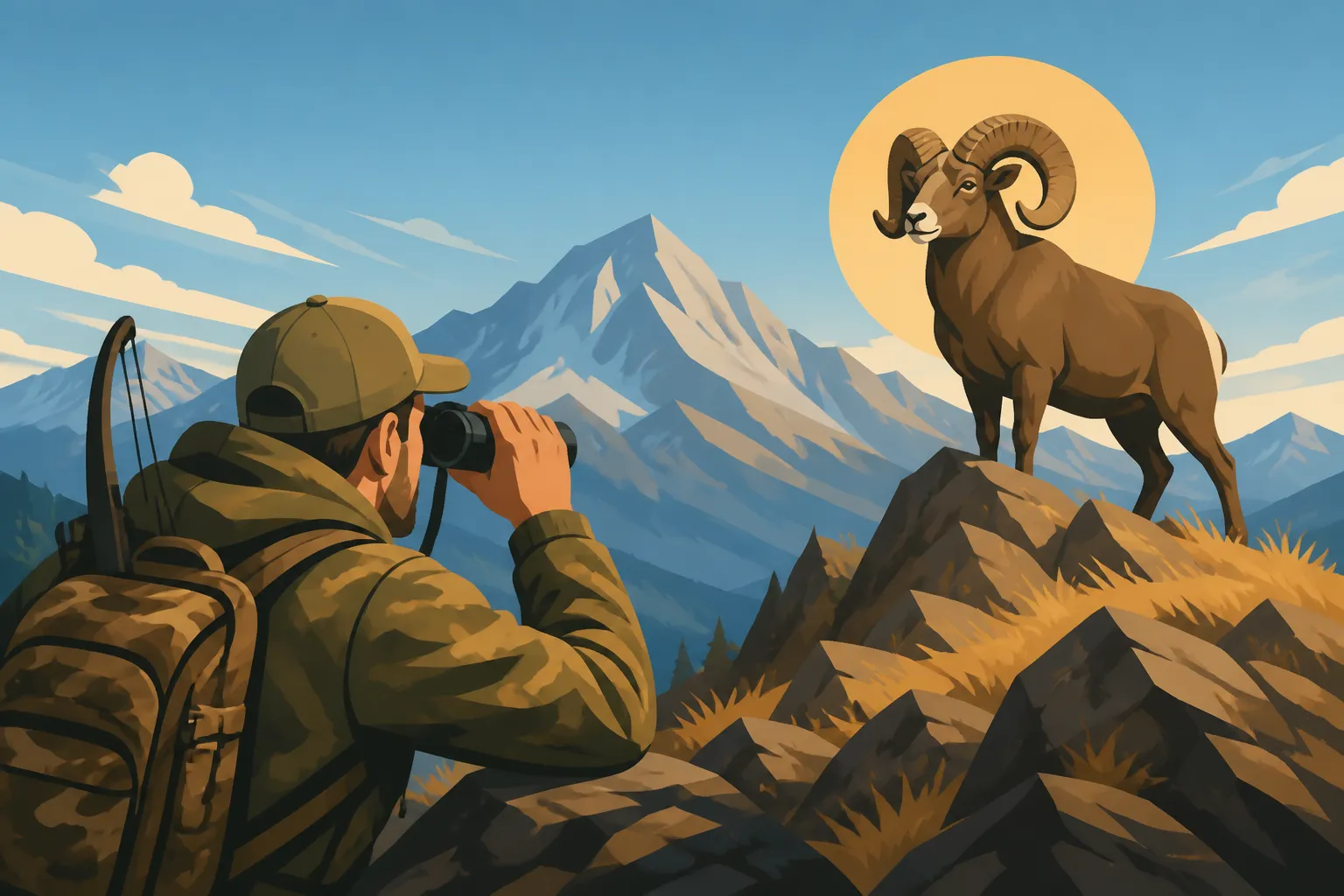
Imagine an animal with the eyesight of a hawk, the nose of a bloodhound, and ears that can pick up the slightest rustle from hundreds of yards away. That's a bighorn sheep. Their senses are incredibly acute, a necessity for survival in their exposed, treacherous habitats. They prefer steep, rugged, open terrain, giving them a commanding view of their surroundings, allowing them to spot predators—including hunters—long before they are themselves detected. You'll often see them silhouetted against a skyline, but approaching them is a whole other matter. They use every fold and crevice in the landscape to their advantage, often disappearing into what seems like bare rock, leaving you scratching your head wondering how an animal that size could vanish so completely. This isn't like still-hunting whitetails in dense timber; it's a game of long-distance observation and meticulous stalking.
Preferred Habitat and Seasonal Movements
Montana's bighorn sheep populations are found in some of the state's most iconic and brutal mountain ranges, such as parts of the Absaroka-Beartooth Wilderness, the Anaconda-Pintler Wilderness, the Tobacco Root Mountains, and the Missouri Breaks. Their habitat is typically high-alpine, characterized by rocky slopes, cliff bands, and open, grassy meadows interspersed with timbered draws. During the harsh Montana winters, they often descend to lower elevations, particularly to south-facing slopes that shed snow faster and offer crucial forage exposed by the sun. As summer arrives and the snow recedes, they climb back to the higher country, seeking cooler temperatures and succulent alpine vegetation. Their movements are often localized within these ranges, but understanding these seasonal shifts is vital for knowing where to begin your glassing efforts. A ram you see in October might have been a good distance away from his wintering grounds, but he’ll still be within a predictable high-country zone.
Bighorn Sheep Biology and Behavior
Bighorn sheep are primarily grazers, feasting on grasses, forbs, and shrubs found in their mountainous homes. They live in segregated social groups for much of the year: ewes, lambs, and yearlings form nursery bands, while rams typically form bachelor groups, especially outside of the rut. This segregation means you often won't find large rams mingling with ewes until late fall. The rut usually occurs from late October through December, when rams engage in spectacular head-butting contests to establish dominance and breeding rights. These rams are truly built for it, with skulls up to two inches thick. Their iconic horns grow throughout their lives, adding a new segment each year. Counting these growth rings can give you a rough estimate of a ram's age, a crucial skill for judging trophy quality in the field. Watching a mature ram effortlessly navigate a sheer rock face is a testament to their incredible agility and strength, reminding you just how much of a challenge it will be to pursue them in their vertical world.
Navigating the Montana Bighorn Sheep Draw System
Alright, let's talk about the elephant in the room: actually getting a bighorn sheep tag in Montana. This isn't a "show up and buy a tag over the counter" kind of hunt. It's a journey that often spans decades, built on patience, strategic applications, and a healthy dose of luck.
Understanding Montana's Limited Entry Permit System
Montana's bighorn sheep tags are allocated through an incredibly competitive limited entry permit system. Unlike general deer or elk tags, these are special permits tied to specific hunting districts. The number of permits issued each year is extremely low, often in the single digits for an entire hunting district, and sometimes even zero for certain units if herd numbers are too low. This scarcity means that draw odds are notoriously low, making a Montana bighorn sheep tag one of the most coveted—and difficult—to acquire in the West. Some districts might offer "Unlimited" permits, which sounds great, but these are typically for areas with extremely challenging access or very low sheep densities, meaning while the tag might be easier to draw, the hunt is still incredibly tough. This system ensures sustainable management of the herds, but it also creates intense competition among hunters.
The Critical Role of Bonus Points
Montana utilizes a bonus point system for species like bighorn sheep, moose, and mountain goats. Here's how it works: every year you apply for a bighorn sheep permit and are unsuccessful, you receive one bonus point. The more bonus points you accumulate, the more "chances" you have in the draw. For instance, if you have 10 bonus points, your name theoretically goes into the hat 11 times (your current application plus your 10 points). However, it's crucial to understand that bonus points increase your odds; they do not guarantee a tag. It's still a random lottery. In many of the premier districts with healthy populations and good trophy potential, it's common for hunters to accumulate 20, 30, or even more years' worth of points before drawing a tag. Some hunters apply their entire lives and never draw. This system demands long-term commitment. To realistically assess your chances, especially for those highly sought-after units, using tools like GoHunt's Insider service can be a game-changer. It provides detailed draw odds, application statistics, and unit research, helping you understand the point creep and true likelihood of drawing a tag in any given district.
Application Strategy and Deadlines
The application process for Montana's bighorn sheep permits is handled through the Montana Fish, Wildlife & Parks (FWP) online system. Typically, the deadline for special big game permits, including bighorn sheep, is May 1st each year. Before you can even apply for a special permit, you'll need to purchase a base hunting license and a conservation license. Choosing which units to apply for is a deeply personal and strategic decision. Do you go for the long shot, applying for a unit known for massive rams but with near-zero odds, or do you opt for a unit with slightly better odds, perhaps sacrificing some trophy potential for a greater chance at simply hunting sheep? This is where research, often aided by resources like GoHunt, becomes invaluable. They can help you sift through historical draw data, success rates, and permit allocations to make the most informed decision possible for your individual point total and hunting aspirations. Understanding Montana Preference Points vs Bonus Points is also critical here, as the mechanics differ from species to species and even between license types. Carefully review the FWP regulations each year, as hunt codes, boundaries, and permit numbers can change.
Montana Bighorn Sheep Draw Odds Example (Hypothetical Data)
Let's look at some hypothetical draw data to illustrate the challenge. These numbers are purely illustrative and do not reflect actual current odds for any specific unit but demonstrate the competitive landscape.
| Hunting District (HD) | Permits Issued (2023) | Number of Applicants (2023) | Max Bonus Points Drawn (2023) | Min Bonus Points Drawn (2023) | Draw Odds (All Applicants) |
|---|---|---|---|---|---|
| HD 300 (Absaroka) | 2 | 1,500 | 32 | 28 | 0.13% |
| HD 482 (Missouri B.) | 3 | 1,800 | 29 | 25 | 0.17% |
| HD 250 (Anaconda) | 1 | 1,200 | 35 | 35 | 0.08% |
| HD 315 (Tobacco R.) | 2 | 1,350 | 27 | 23 | 0.15% |
Note: "Max Bonus Points Drawn" and "Min Bonus Points Drawn" represent the highest and lowest point totals among successful applicants in that year's draw. Some units may have a successful applicant with 0 points, which is the "random chance" factor at play.
As you can see, even with a large number of bonus points, drawing a bighorn sheep tag in Montana is a long shot. This table underscores the importance of a long-term strategy when building points for a tag like this. To apply, you'll need to understand the nuances of Montana Hunting Seasons Explained for when to apply and specific tag requirements detailed in Montana Limited Entry Permits Explained.
Strategies and Tactics for a Successful Bighorn Sheep Hunt
Drawing a bighorn sheep tag is winning the lottery, but it's only the first step. The hunt itself is an entirely different beast, demanding extreme physical prowess, mental fortitude, and a mastery of mountain hunting techniques. This is where the real work begins.
The Spot-and-Stalk Methodology in Rugged Terrain
When hunting bighorn sheep, spot-and-stalk isn't just a method; it's practically the only method. These animals live in open, expansive country where their primary defense is their incredible eyesight and ability to traverse impossible terrain. Your optics will be your most valuable tools. You'll spend countless hours behind a high-quality spotting scope and a solid pair of binoculars, systematically glassing vast expanses of mountainside. The process involves locating a ram, carefully evaluating its size and trophy potential, and then meticulously planning your approach. This planning phase is critical and can take hours, even days. You need to identify a route that keeps you concealed, minimizes noise, and ideally uses the wind to your advantage. Stalks can be incredibly long, arduous, and frustrating, often requiring you to cover miles of steep, broken ground only to have the sheep move before you get within range. Patience is paramount; a hasty move will undoubtedly result in a spooked ram disappearing over a ridge. For a deeper dive into this technique, check out our guide on How to Spot-and-Stalk Montana Bighorn Sheep.
Essential Gear for the High Country Hunter
Bighorn sheep hunting will test your gear as much as it tests you. Lightweight, durable, and reliable equipment is not a luxury; it's a necessity. Your boots, in particular, are arguably the single most important piece of gear. Invest in comfortable, high-quality mountain boots with excellent ankle support and a stiff sole, such as those from Kenetrek or Schnee's, as you'll be navigating steep talus slopes and unstable scree fields for days on end. Your backpack needs to be capable of comfortably carrying heavy loads—not just your gear for the hunt, but potentially hundreds of pounds of meat and cape on the pack-out. High-end optics are non-negotiable: a 15x or 18x binocular, a 60-80mm objective spotting scope, and a precise rangefinder are crucial for finding and judging sheep from a distance. Layering clothing is essential, as weather in the high country can swing from warm sunshine to freezing snow and howling winds in a matter of hours. Don't forget a reliable shelter, a robust water filtration system, and emergency communication devices. For a comprehensive overview, our Montana Backcountry Hunting Gear List provides excellent insights.
Physical and Mental Preparation
Let's be blunt: bighorn sheep hunting is arguably the most physically demanding big game hunt you can undertake. This isn't a stroll through the woods. You'll be climbing thousands of vertical feet, carrying heavy loads, at elevations where the air is thin, and your lungs will burn. A serious training regimen is not just recommended; it's mandatory. Focus on exercises that build cardiovascular endurance, leg strength (especially for steep ascents and descents), and core stability. Incorporate weighted hikes with the pack you'll be using, simulating the real-world conditions. Beyond the physical, the mental game is equally crucial. You'll face disappointment, exhaustion, self-doubt, and potentially dangerous situations. Resilience, patience, and unwavering determination are critical traits. You must be prepared to push through discomfort, stay positive through fruitless days of glassing, and maintain focus when the opportunity finally arises. It’s a marathon, not a sprint. Our guide on How to Physically Prepare for a Montana Elk Hunt offers transferable advice that can be adapted for the extreme demands of sheep hunting.
Post-Harvest Care and Regulations
After the incredible effort and immense privilege of harvesting a Montana bighorn ram, your responsibilities don't end. Proper post-harvest care and adherence to FWP regulations are crucial for respecting the animal, ensuring your meat is well-preserved, and staying on the right side of the law.
Field Processing in Remote Environments
Once a ram is down, especially in the rugged, remote terrain bighorns inhabit, field processing needs to happen quickly and efficiently. Time is often of the essence, particularly in early season hunts where temperatures can still be warm, potentially spoiling meat. You’ll need a sharp knife, a bone saw, and plenty of breathable game bags. The primary goal is to cool the meat down as fast as possible by breaking the animal down into quarters, removing all bone, and getting it out of its hide. Proper caping for a full shoulder or full body mount is also critical if you plan on taxidermy. This process takes practice and skill, and doing it in the field, often on an unstable slope, adds an extra layer of challenge. Have a clear plan for your pack-out, considering how you'll distribute the weight and how many trips it might take. For detailed steps on quartering large game in the backcountry, our guide on How to Quarter an Elk in the Montana Backcountry offers valuable, applicable advice.
Mandatory Check-ins and Horn Plug Requirements
Montana Fish, Wildlife & Parks has strict requirements for checking in harvested bighorn sheep. All legally harvested bighorn sheep must be presented to an FWP representative for inspection within 48 hours of harvest. This mandatory check-in is vital for the state's wildlife management, providing critical data on age, sex, and health of the population. During the check-in, the FWP official will "plug" the ram's horns. This involves drilling a small hole in one of the horn bases and inserting a metal plug with a unique serial number, which permanently identifies the horn as legally harvested. This plug is crucial for legal possession and transport. Failure to check in your sheep within the specified timeframe or properly plugging the horns can result in severe penalties, including fines and forfeiture of your trophy. Always consult the current Montana hunting regulations for the most up-to-date requirements and procedures.
Respecting the Resource and Ethical Hunting
Drawing a bighorn sheep tag is a once-in-a-lifetime opportunity for most hunters, a profound privilege that carries with it significant responsibility. Every aspect of the hunt, from application to harvest and beyond, should be approached with the utmost respect for the animal and its habitat. This means practicing ethical shot placement to ensure a clean, humane kill, minimizing disturbance to other wildlife, and adhering strictly to all hunting regulations. It also means leaving no trace, packing out all trash and spent casings, and actively participating in conservation efforts. The success of Montana's bighorn sheep populations, and the continuation of these incredible hunting opportunities, relies heavily on the ethical conduct and stewardship of hunters. Being a bighorn sheep hunter in Montana is a true honor, and upholding the highest ethical standards ensures this legacy endures for future generations.
Disclaimer
Please remember that hunting regulations, season dates, and draw odds are subject to change annually. Always consult the latest Montana Fish, Wildlife & Parks (FWP) regulations and official sources before making any plans or submitting applications. This guide provides general information and should not be considered a substitute for official FWP documentation.