Montana Elk vs Mule Deer Hunting
Deciding between hunting elk and mule deer in Montana often feels like choosing between two incredible, but vastly different, adventures. Many hunters come to the Treasure State with dreams of both, only to face the tough reality of limited time, budget, and tag availability. This comprehensive guide will meticulously break down the unique aspects of pursuing Montana elk versus mule deer, helping you understand the distinctions in habitat, behavior, hunting strategies, and the physical demands required for each.
Understanding the Quarry: Behavior and Habitat
Before you even think about packing your bags, it's crucial to understand the animals themselves. Elk and mule deer, while both iconic Western big game, are distinct in their habits, preferred environments, and the challenges they present to hunters. Their inherent characteristics dictate everything from how you scout to the tactics you'll employ in the field.
The Elusive Elk: Habitat and Movement
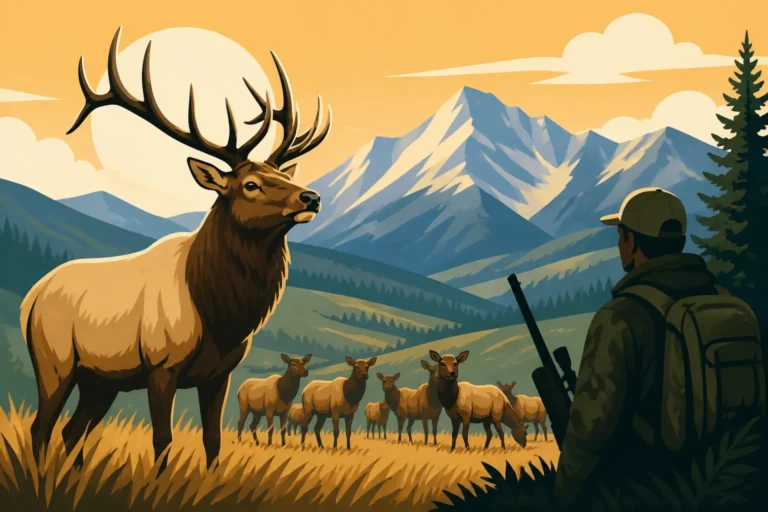
Elk, the true monarchs of the mountains, are large, gregarious animals that thrive in diverse habitats, primarily favoring forested mountain ranges, open parks, and timbered slopes. In Montana, you'll typically find them in the western and central mountainous regions, often at higher elevations. They are creatures of routine, moving between bedding areas, feeding grounds, and water sources, especially during the fall hunting seasons. Their sheer size means they need significant forage, and they are known to travel considerable distances.
During the archery season, particularly the rut, elk are vocal and can be located by their bugles. However, as rifle season progresses and hunting pressure mounts, they become incredibly elusive, retreating into dense, north-facing timber or rugged, inaccessible terrain. Understanding these seasonal movements and their preference for thick cover is paramount. Knowing how to interpret signs like fresh tracks, rubs, and wallows is critical for pinpointing their current locations, especially when they go silent.
The Resilient Mule Deer: Terrain and Habits
Mule deer, with their distinctive large ears and bounding gait, are incredibly adaptable, inhabiting a broader range of Montana's landscapes than elk. While you'll find them in mountainous terrain, they also thrive in the high deserts, rolling badlands, and broken river bottoms of eastern Montana. Unlike elk, they tend to be more solitary or move in smaller groups, and their home ranges are generally smaller.
Mule deer are masters of camouflage and utilizing broken terrain to their advantage. They often bed on south-facing slopes, soaking up the sun, or tuck themselves into coulees and draws that offer both cover and vantage points. When startled, they use their characteristic "muley jump" to quickly cover ground through rugged country. Their behavior changes less dramatically with hunting pressure compared to elk, often holding tight in cover rather than fleeing for miles. For nonresidents, pursuing mule deer can sometimes be a slightly more accessible endeavor compared to the highly competitive elk draws, particularly when focusing on specific tag types. If you're looking for a comprehensive overview, our Montana Mule Deer Hunting Guide can offer even deeper insights.
Hunting Strategies: Adapting to the Species
Your approach in the field will vary significantly depending on whether you're chasing the mountain monarchs or the high-desert dwellers. Each species demands a unique set of skills, patience, and physical application of tactics. What works for one often won't yield results for the other, making it essential to tailor your strategy.
Calling and Grinding for Elk
Elk hunting, especially during the archery rut, is often synonymous with calling. Learning How to Call Elk in Montana effectively is a game-changer, allowing you to locate bulls, draw them into shooting range, or provoke a response that gives away their position. Bugles, cow calls, and even calf chirps are all part of an elk hunter's vocal arsenal. This direct interaction makes elk hunting incredibly exciting and often heart-pounding.
Beyond calling, elk hunting frequently involves what many call the "mountain grind." This means covering vast amounts of rugged, steep terrain, often in low-light conditions, to locate animals. It's about putting miles on your boots, climbing thousands of vertical feet, and being prepared for all weather conditions. Once located, a successful elk hunt often involves a demanding stalk over challenging ground, sometimes culminating in an intense close-range encounter. For those looking to dive deeper into this challenging pursuit, our Montana Elk Hunting Guide covers all the essential methods.
Glassing and Spot-and-Stalk for Mule Deer
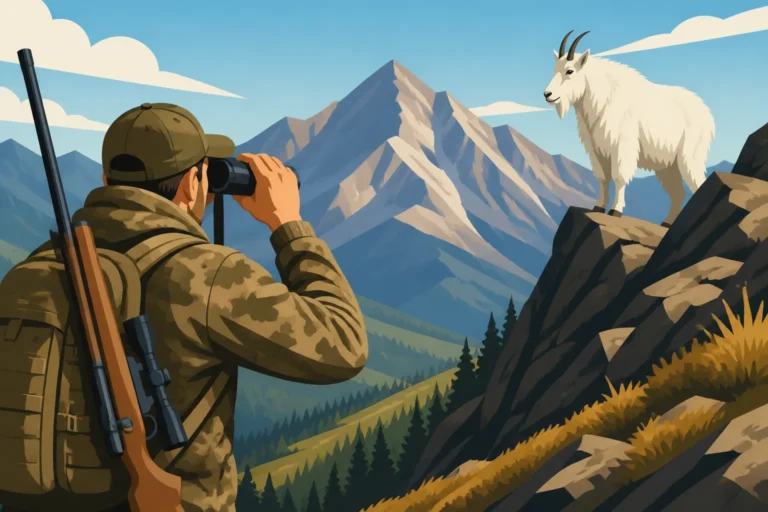
Mule deer hunting, particularly in the more open landscapes of central and eastern Montana, is predominantly a game of patience, optics, and precision spot-and-stalk. Hunters spend countless hours behind binoculars and spotting scopes, systematically glassing vast expanses of hillsides, coulees, and timber edges. The goal is to locate deer from a distance, assess their potential, and then meticulously plan an approach.
Once a desirable buck is spotted, the real work of the spot-and-stalk begins. This involves using terrain features, wind direction, and cover to close the distance undetected. It's a mental chess match against the deer's keen senses, often requiring long crawls, careful foot placement, and an acute awareness of your surroundings. While calling can sometimes be effective, especially rattling during the rut, it's generally a secondary tactic compared to the visual hunt. For a detailed breakdown of this technique, check out our guide on How to Spot-and-Stalk Montana Mule Deer.
Navigating Montana's Diverse Hunting Landscapes
Montana is a vast state, offering an incredible diversity of landscapes. This environmental richness directly influences where and how you'll hunt, with specific terrains naturally favoring either elk or mule deer. Understanding these geographical preferences is key to effective scouting and planning.
High-Country Elk Sanctuaries
When you think of elk hunting in Montana, chances are you're envisioning the rugged, often roadless, high country of the western and central portions of the state. Areas like the Bob Marshall Wilderness, the Absaroka-Beartooth Wilderness, and parts of the Beaverhead-Deerlodge National Forest are prime elk habitat. These environments are characterized by steep slopes, dense timber, alpine meadows, and remote basins. Elk thrive in these areas due to abundant forage, water, and the protective cover that thicker forests provide, especially as hunting pressure increases.
Hunting these areas often means embracing a true Montana Backcountry Hunting Guide experience. This involves packing in on foot or horseback, establishing spike camps, and being entirely self-sufficient for days on end. The physical demands are immense, but the reward is the chance to pursue elk far from the crowds. E-scouting these units can be a huge advantage. Platforms like GoHunt, for instance, offer invaluable mapping tools and data to help you virtually explore these remote landscapes, identify potential pinch points, and assess historical animal movements before you ever set foot in the field.
Mule Deer in the Breaks and River Bottoms
While mule deer can certainly be found in mountainous regions, some of Montana's most iconic mule deer hunting occurs in the state's eastern and central "breaks" country, as well as along major river systems. The Missouri Breaks, the badlands along the Yellowstone River, and the rolling plains with their coulees and draws are classic mule deer habitat. These areas are often characterized by less timber, more open grasslands, sagebrush flats, and dramatic topographical features.
Hunting these regions means adapting to a different kind of challenge. Instead of dense forests, you're navigating complex river drainages, steep, eroded hillsides, and expansive plains. Access can be a mix of public land (including BLM and State Trust lands) and private property, often managed through programs like Block Management. These landscapes are ideal for glassing long distances, as deer often bed in hidden pockets or against sparse cover, allowing hunters to pick them out from miles away. Scouting these areas often focuses on water sources, agricultural interfaces, and natural funnels.
License, Tags, and Draw Odds: Planning Your Hunt
The administrative side of hunting in Montana can be just as challenging as the physical hunt itself, particularly when it comes to securing tags for elk and mule deer. Nonresidents especially need to understand the draw system, point systems, and application deadlines.
The Montana Elk Tag Puzzle
Montana's elk tags are highly coveted, especially for nonresidents. The primary way for nonresidents to hunt elk is by purchasing a Nonresident Big Game Combination License or a Nonresident Elk Combination License. These licenses include your conservation license, fishing license, upland bird license, and a general elk tag. However, demand far outstrips supply, making the draw competitive. Success rates for nonresidents hover around 15-25% for the general elk combo, depending on the year and the number of applicants.
Understanding Montana General vs Permit Tags Explained is crucial here. Most of the state is general elk hunting, meaning your general elk license is all you need once drawn. However, some specific hunting districts require an additional permit, which is drawn separately and is even harder to acquire. Nonresidents accumulate preference points, which improve your odds in future draws but do not guarantee a tag. The application deadline for these major combo licenses is typically March 15th. It's a waiting game, and many hunters invest years building preference points before finally drawing a coveted tag. For the most up-to-date information, consulting the Montana Elk Season Dates Guide and FWP regulations is essential.
Securing a Montana Mule Deer Tag
While still competitive, especially for trophy areas, mule deer tags in Montana can be slightly more accessible than elk tags. Nonresidents typically obtain a general deer tag as part of the Nonresident Big Game Combination License or a Nonresident Deer Combination License. The draw odds for the general deer combo are usually higher than for the general elk combo, often ranging from 40-60% for nonresidents.
Montana also offers "B" licenses, which are antlerless or either-sex tags for specific hunting districts. These can often be easier to draw and provide additional hunting opportunities or a chance to fill the freezer if your general buck tag goes unfilled. Furthermore, specific hunting districts sometimes have better draw odds for mule deer than others, especially in eastern Montana. Tools like those offered by GoHunt provide detailed draw odds analysis, allowing you to strategically select units where your chances are statistically better. For a full picture, our Montana Mule Deer Season Dates and Tags guide can provide critical details.
Here's a quick comparison of the two hunts:
| Feature | Montana Elk Hunting | Montana Mule Deer Hunting |
|---|---|---|
| Typical Habitat | Rugged mountains, dense timber, high alpine basins | Open plains, badlands, breaks, river bottoms, foothills |
| Primary Tactic | Calling (rut), still-hunting timber, mountain grind | Glassing, spot-and-stalk |
| Physical Demands | Extremely high (steep climbs, long distances, heavy packs) | High (long walks, intense glassing, strategic stalks) |
| Social Behavior | Herding animals, often vocal (rut) | Often solitary or small groups, generally quieter |
| Nonresident Tag Odds | Highly competitive (15-25% for general elk combo) | Competitive but better than elk (40-60% for general deer combo) |
| Typical Season Dates | Archery (Sept), General Rifle (Oct-Nov) | Archery (Sept), General Rifle (Oct-Nov) |
| Gear Focus | Lightweight yet durable for brutal conditions, calling gear | High-quality optics, bipods/shooting sticks, light packs |
| Meat Yield | Substantial (200-300+ lbs boned) | Moderate (60-100 lbs boned) |
Physical Demands and Essential Gear
Both elk and mule deer hunting in Montana are physically demanding, but the nature of those demands and the gear you'll need to succeed can vary considerably. Being prepared physically and having the right equipment is non-negotiable for a safe and successful hunt.
The Stamina for Elk Mountain Hunts
Elk hunting in the mountains is often likened to a grueling athletic event. You'll regularly be hiking thousands of vertical feet, navigating steep, uneven terrain, and covering miles over the course of a day. This is compounded by the fact that once an elk is down, the real work of packing out hundreds of pounds of meat begins, often over the same challenging terrain. A strong cardiovascular system, powerful legs, and robust core strength are absolutely essential. Many hunters spend months, if not a full year, following a dedicated Montana Elk Hunt Fitness Plan to prepare for the rigors of an elk hunt.
Your gear needs to be up to the task as well. Investing in high-quality, durable Best Boots for Montana Elk Hunting is paramount to prevent blisters and provide ankle support on steep slopes. A robust, comfortable backpack capable of carrying heavy loads for miles is another critical piece of equipment. Think lightweight but warm clothing layers that can adapt to rapid weather changes from sunny afternoons to freezing rain or snow. Reliable optics, including binoculars and a rangefinder, are key for identifying animals in thick timber and judging distances.
Gear Up for Mule Deer Country
While potentially less vertical, mule deer hunting often involves covering vast distances on foot across uneven, broken ground. You might spend hours glassing from a single vantage point, but then quickly embark on a several-mile stalk over rolling hills or through deep coulees. The physical demand here is more about endurance and the ability to move quietly and efficiently over varied terrain. Although the pack out won't be as heavy as an elk, it can still be a significant challenge, especially if you're deep in the badlands. It's still important to How to Physically Prepare for a Montana Elk Hunt, even if you're targeting deer, as the demands are considerable.
For mule deer, high-quality optics are arguably the most important tools. A good set of 10x or 12x binoculars, paired with a powerful spotting scope (20-60x or higher), is critical for finding deer at long ranges. A sturdy tripod for your optics is non-negotiable for stable viewing. Lighter, more breathable clothing might be appropriate for the often warmer, drier conditions of eastern Montana's plains and breaks, but layers are still key for temperature regulation. A comfortable day pack with hydration, snacks, and essential survival gear is always a wise choice.
Making the Choice: Which Hunt is Right for You?
Ultimately, the decision between pursuing elk or mule deer in Montana comes down to your personal goals, experience level, physical conditioning, and tolerance for the challenges each hunt presents. Both offer incredible, authentic Western hunting experiences, but they are distinctly different adventures.
Assessing Your Experience and Goals
If you're a first-time Western hunter, or someone looking for a slightly less physically grueling introduction to Montana big game, mule deer hunting might be a more approachable option. The tag draw odds are generally better, and the hunting methods, while still challenging, can be more visually oriented, allowing for a slower, more deliberate approach. It's a fantastic way to learn the ropes of glassing, judging distance, and executing stalks in open country. Plus, the landscapes themselves can be breathtaking and unique.
For seasoned Western hunters, or those who dream of the ultimate physical and mental challenge, elk hunting often calls loudest. The sheer size of the animal, the allure of bugling bulls in the rut, and the intense physical demands of the high country offer an unparalleled adventure. It's a hunt that tests every fiber of your being but delivers immense satisfaction when successful. Consider your tolerance for risk, discomfort, and the uncertainty of a demanding draw before committing to an elk-only pursuit.
Weighing the Rewards and Challenges
The rewards of both hunts are immense: the opportunity to immerse yourself in Montana's stunning wilderness, the thrill of the chase, and the satisfaction of ethically harvesting an animal. Elk offer a huge meat yield and a truly epic story of mountain pursuit. Mule deer provide a different kind of challenge, often a strategic game of cat and mouse in vast, beautiful landscapes, culminating in a beautiful trophy and delicious venison.
The challenges are also significant. Elk hunting demands top-tier physical fitness, the mental fortitude to endure tough conditions, and the patience to navigate complex draw systems. Mule deer hunting requires exceptional glassing skills, precise stalking, and often the ability to handle long shots in windy conditions. No matter which you choose, Montana offers an unforgettable big game hunting experience. Many hunters, after experiencing both, find a deep appreciation for the unique qualities and challenges each magnificent animal brings to the table. Choosing which one to pursue often simply sets the stage for a new, incredible chapter in your hunting journey.
Disclaimer
Please note that hunting regulations, season dates, and license draw procedures in Montana are subject to change annually. It is the hunter's responsibility to consult the most current Montana Fish, Wildlife & Parks (FWP) regulations before planning any hunt. This guide is for informational purposes only and should not be considered a substitute for official FWP publications.