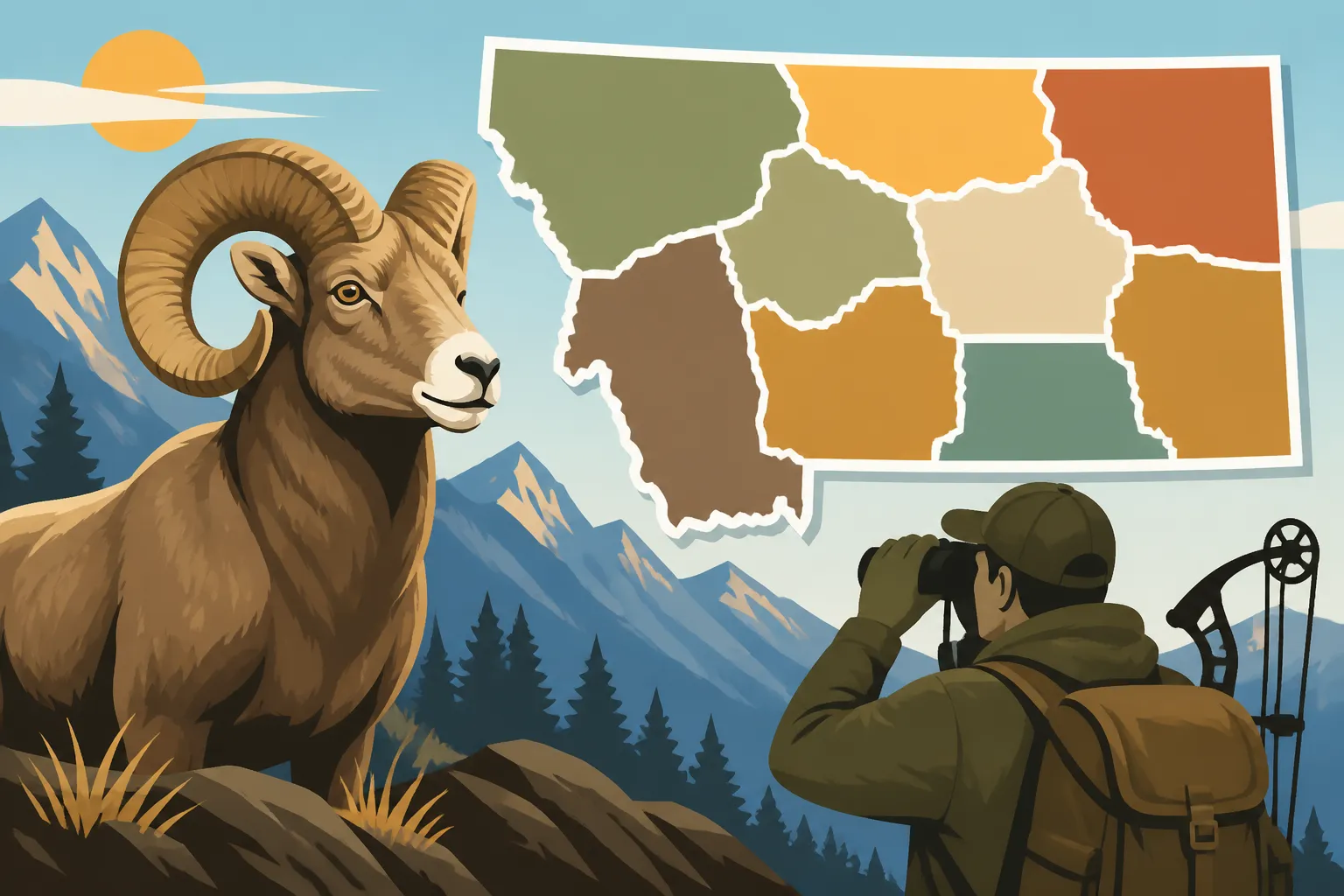
Montana Bighorn Sheep Unlimited Districts Explained
The dream of hunting bighorn sheep in Montana is a powerful one, often fraught with confusion and a sense of near-impossibility for many hunters. You've probably heard whispers of "unlimited" districts, and your mind immediately jumps to a more accessible opportunity, only to be met with conflicting information or a stark reality check. It’s incredibly frustrating trying to parse through regulations that seem to speak a different language, leaving you wondering if a bighorn sheep tag is truly a once-in-a-lifetime draw or if these mythical unlimited districts hold a hidden key. This guide is here to cut through that fog, explain exactly what Montana's "unlimited" bighorn sheep districts are all about, and help you understand the real strategies involved.
The Allure and Challenge of Montana Bighorn Sheep Hunting
There's a certain magic surrounding bighorn sheep that makes them one of North America's most sought-after big game animals. Their majestic curled horns, their incredible agility on treacherous mountain terrain, and the sheer challenge of pursuing them in their high-alpine habitats elevate them to legendary status. But let's be honest, chasing these rams isn't just physically demanding; it's a bureaucratic labyrinth to even get a tag.
Why Bighorn Sheep are so Coveted
For many hunters, a bighorn sheep hunt isn't just about harvesting an animal; it's an ultimate test of skill, endurance, and mental fortitude. These animals live in some of the most remote and rugged landscapes Montana has to offer, often above timberline, where oxygen is thin, and every step is a calculated risk. The pursuit demands peak physical condition, precise marksmanship, and a keen understanding of their behavior and habitat. There's also the undeniable visual appeal of their massive, sweeping horns, which are truly a marvel of nature. The opportunity to witness these incredible animals in their native element is a privilege, regardless of whether you punch a tag. It’s an experience that carves itself into your memory, far beyond just the harvest. If you're looking for a deeper dive into the species, check out our guide on the Montana Bighorn Sheep Hunting Guide.
The Rarity of a Bighorn Sheep Tag
Here's where reality often bites hard. Bighorn sheep tags are, without a doubt, the rarest and most difficult to draw in Montana. This isn't just hyperbole; it's a cold, hard fact based on population numbers and management strategies. Montana Fish, Wildlife & Parks (FWP) manages bighorn sheep populations very conservatively to ensure their long-term health and genetic diversity. This means very few tags are issued each year, typically as highly coveted special permits in specific hunting districts.
The draw odds are incredibly low, often in the single digits or even fractions of a percent for non-residents. Residents have better odds, but still, a bighorn tag is a generational hunt for most. This extreme rarity is a significant part of their allure – it’s a true lottery, a testament to enduring patience and a little bit of luck. Understanding this context is crucial before diving into the "unlimited" concept, as it sets the stage for what those words don't mean. It's not a secret backdoor to guaranteed success; it's just a different flavor of challenge.
Understanding Montana's Bighorn Sheep Management
Montana's bighorn sheep management is a complex system designed to balance hunting opportunities with species conservation. It’s not as simple as drawing a general elk tag; there are layers of permits, quotas, and a unique bonus point system that all play into the equation.
How Permits and Quotas Work
Most bighorn sheep hunting in Montana occurs through a special permit draw system. This means that instead of a general over-the-counter tag, specific hunting districts (HDs) are allocated a very limited number of permits. These permits are typically for a specific class of animal, such as "ram," and are often further restricted by weapon type or season dates. For instance, a district might offer only one or two ram tags for archery season, and perhaps a couple more for rifle season.
FWP sets these quotas based on current population estimates, herd health, lamb recruitment rates, and specific management objectives for each herd unit. It's a highly scientific and data-driven process, ensuring that hunting pressure doesn't negatively impact the long-term viability of these sensitive populations. When you apply for a bighorn sheep tag, you’re not just applying for a "sheep tag" generally; you’re applying for a permit in a specific hunting district with its own unique quota and draw odds. This localized approach is critical because sheep populations are often isolated and don't necessarily interact across broad landscapes like elk or deer do.
The Role of Bonus Points in Drawing a Tag
Montana uses a bonus point system for its special permit draws, including bighorn sheep. This system is designed to reward loyalty and persistence, theoretically increasing your odds over time. Here's how it works: for every year you apply for a special permit (like a bighorn sheep tag) and are unsuccessful, you accrue a bonus point. When you apply the following year, all your accumulated bonus points are squared. So, if you have 5 bonus points, your name essentially goes into the draw as if you had 25 chances (5×5).
This system means that hunters who have been applying for many years have a significantly higher mathematical advantage in the draw. It’s not a guarantee, but it certainly helps over time. You can also purchase a bonus point annually even if you don't apply for a permit, which is a smart strategy for building points for future applications without committing to a full permit application. However, if you draw a bighorn sheep permit, your bonus points for that species are reset to zero. This ensures that the same individuals don't draw year after year. For a more detailed breakdown, you can read our explanation of How Montana Bonus Points Work. Knowing this system is paramount because even in "unlimited" districts, bonus points still play a critical role in who gets to hunt.
What "Unlimited" Districts Truly Mean for Bighorn Sheep
Now, let's tackle the heart of the matter: what exactly does "unlimited" mean when we're talking about Montana bighorn sheep districts? This term can be incredibly misleading, often conjuring images of open-season hunting, but the reality is far more nuanced.
Dispelling Common Misconceptions
When you hear "unlimited," your mind might immediately jump to the idea of a general tag, or at least a permit that’s easy to draw. This is not the case for Montana bighorn sheep. The term "unlimited" in the context of Montana bighorn sheep hunting districts typically refers to districts where the number of non-resident permits for bighorn sheep is not capped by a specific quota. Instead, non-resident success is tied to the number of resident permits drawn.
Essentially, Montana FWP sets a certain percentage (usually 10%) of the total available ram tags for non-residents, if any residents draw tags in a given district. So, if a district has 10 resident ram tags issued, then 1 non-resident tag might be available. If no residents draw, no non-resident tags are issued. This system essentially makes the availability of non-resident tags directly dependent on resident success and interest. It doesn't mean there's an endless supply of tags; it means the limit on non-resident tags isn't a fixed number but a floating percentage based on resident draws.
This is a critical distinction, as it means even in an "unlimited" district, the actual number of non-resident permits could still be zero, one, or a very small handful. It's not a free-for-all, and it doesn't bypass the incredibly tough draw odds. It simply removes a pre-set ceiling on non-resident permits in favor of a proportional system. Many hunters, especially those new to Montana’s intricate draw system, mistake "unlimited" for "easy to draw," leading to understandable disappointment.
Practical Implications for Hunters
For a hunter eyeing one of these "unlimited" districts, the practical implications are significant. First, your odds are still exceedingly low. While theoretically "unlimited," the actual number of permits available to non-residents remains small due to the proportional system. This means you’re still banking on residents drawing tags in that district for any non-resident opportunities to even materialize.
Second, the bonus point system is still king. Even though the number isn't fixed, the draw itself is still conducted using the bonus point system. So, while more non-resident tags might be available in a theoretical sense, those tags will almost certainly go to applicants with a substantial number of bonus points. Without a significant accumulation of points (often 10+ years of applying, or even more for high-demand districts), your chances of drawing a permit, even in an "unlimited" unit, are incredibly slim.
Lastly, the "unlimited" nature can sometimes draw more non-resident applicants because of the misconception, paradoxically making the draw even more competitive for those few available slots. It's a complex dance where understanding the underlying mechanics, not just the terminology, is vital. GoHunt often provides excellent resources and draw odds calculations for these specific districts, which can be invaluable for understanding your realistic chances. They break down historical draw data, helping you see the true picture beyond the hopeful "unlimited" label.
Key "Unlimited" Districts and Their Characteristics
Montana has several hunting districts that historically fall under this "unlimited" non-resident permit structure for bighorn sheep. These areas are iconic sheep ranges, known for their rugged beauty and challenging hunting conditions.
Famous Unlimited Districts and Their History
Some of Montana's most famous bighorn sheep hunting districts have historically operated under this "unlimited" non-resident permit system. These often include areas within the world-renowned Missouri Breaks, such as HD 680, which sits in the heart of the Charles M. Russell National Wildlife Refuge. The Breaks are legendary for their wild, untamed character—a maze of deep coulees, stark badlands, and rolling plains that offer incredibly demanding hunts. The sheep here are often referred to as "Missouri Breaks Bighorns," known for their resilience and elusive nature.
Other districts might include portions of the Rocky Mountain Front, like HD 482 or 483, where the mountains erupt from the plains, creating vast, rugged habitat. These areas are characterized by vast, open basins, steep rock faces, and dense timber pockets, requiring hunters to be adept at glassing immense landscapes and navigating extreme terrain. The history of these districts is often tied to significant conservation efforts that brought bighorn sheep back from perilously low numbers in the early 20th century, making every tag drawn a testament to successful wildlife management. Understanding the specific regulations for the Montana Elk General vs Permit Tag Strategy can offer some parallel insights into how FWP differentiates access across species.
Hunter Success and Effort in These Areas
It's important to temper expectations regarding hunter success in these "unlimited" districts. While the dream is to draw a tag and fill it, the reality is that bighorn sheep hunting, especially in these challenging environments, has low success rates even for resident hunters who've scouted for years. These aren't easy hunts by any stretch of the imagination.
Hunters often face extreme physical demands, including significant elevation gains, unpredictable weather, and the vastness of the landscape. Spotting sheep from miles away, planning a stalk over treacherous terrain, and then executing a shot in high winds or low light are all common challenges. It's not uncommon for hunters to spend an entire season in these districts without even seeing a legal ram, let alone getting a shot opportunity. Success often requires multiple days, sometimes weeks, of relentless hiking, glassing, and strategic planning.
Table: Typical Characteristics of Montana's "Unlimited" Bighorn Sheep Districts
| Characteristic | Description | Implications for Hunters |
|---|---|---|
| Permit Availability | Non-resident tags are proportional to resident tags drawn (e.g., 10%). Not a fixed quota. | Number of non-resident tags can fluctuate year-to-year and may be zero. Still extremely low odds. |
| Draw Odds | Still incredibly low, often less than 1% for non-residents. High bonus point accumulation is essential. | Requires many years of applying and building bonus points. This is not an "easy-draw" alternative. |
| Terrain | Extremely rugged, remote, and physically demanding. Examples include the steep badlands of the Missouri Breaks or high-alpine sections of the Rocky Mountain Front. | Demands peak physical condition, advanced navigation skills, and appropriate gear. Expect brutal hikes. |
| Hunter Pressure | Despite low tag numbers, the allure of "unlimited" can concentrate non-resident applications. Actual hunter numbers on the ground remain very low per district. | You might encounter other hunters, but the vastness of the landscape often spreads people out. |
| Sheep Behavior | Often elusive, residing in remote, inaccessible areas. Highly adapted to their challenging environments. | Requires extensive glassing, patience, and a deep understanding of bighorn sheep biology and movement patterns. |
| Success Rates | Typically low, even for experienced hunters. Weather, physical demands, and sheep elusiveness all contribute to challenging hunts. | Manage expectations. A tag is only the beginning; success is far from guaranteed and requires immense effort. |
This table really highlights that "unlimited" is more about the structure of the draw and less about guaranteeing opportunity. The challenge of the hunt itself remains paramount.
Strategies for Hunting in Montana's Unlimited Bighorn Sheep Districts
Drawing a bighorn sheep tag, even in an "unlimited" district, is just the first step. The real work begins long before you set foot in the field. Success hinges on meticulous preparation and smart on-the-ground tactics.
E-Scouting and Physical Preparation
Long before you load up your truck, dedicated time behind a computer screen with mapping software like onX Hunt or even tools like Google Earth is essential. This is where you conduct your How to E-Scout Montana Hunting Units. You'll want to identify potential sheep habitat: steep, rocky slopes, escape terrain, bedding areas, and water sources. Look for areas with diverse topography that offers both cover and vantage points. Pay attention to historical sheep locations if you can find them (FWP biologist reports or local knowledge can be golden here). Mark potential access points, glassing knobs, and possible spike camp locations. Understanding the nuances of Montana Bighorn Sheep Habitat will be crucial during this phase.
Physical preparation cannot be overstated. Bighorn sheep hunting is arguably one of the most physically demanding big game hunts in North America. You’ll be ascending and descending thousands of feet of elevation daily, often in steep, unstable terrain, carrying heavy packs. Incorporate a rigorous fitness regimen that focuses on endurance, strength (especially for your legs and core), and cardiovascular health. Hiking with a weighted pack, stair climbing, and mountain biking are excellent ways to get in sheep shape. Don’t just hit the gym; get out and hike difficult terrain as much as possible. Simulating the demands of the hunt will pay dividends when you're huffing and puffing at 9,000 feet.
On-the-Ground Tactics and Gear
Once you're in the field, patience and persistence are your greatest assets. Bighorn sheep hunting is primarily a glassing game. You need high-quality optics – a good pair of 10x binoculars, a spotting scope (20-60x or 25-75x), and a sturdy tripod are non-negotiable. Find a vantage point that allows you to see vast areas of sheep habitat, set up your tripod, and spend hours meticulously picking apart every rock face, ridge, and shadowed slope. Use your binoculars first to scan broad areas, then switch to your spotting scope to confirm "bumps" on the mountain. Focus on feeding areas in the mornings and evenings, and shady bedding areas during the heat of the day. For more on this, our Montana Mule Deer Hunting: Spot-and-Stalk Tactics article has a lot of transferable skills.
When you finally spot a ram you want to pursue, the stalk begins. This is where your knowledge of the terrain and the wind becomes paramount. Use topographical maps to plan your route, staying out of sight and downwind of the sheep. Sheep have incredible eyesight, so slow, deliberate movements and using terrain features for cover are crucial. Be prepared for multiple, drawn-out stalks that might take hours or even an entire day. Gear-wise, aside from optics, invest in durable, lightweight layered clothing suitable for rapidly changing mountain weather, quality hiking boots with excellent ankle support, and a pack capable of carrying your essentials, plus meat if you're successful. A reliable rangefinder and a sturdy rifle or archery setup you’re extremely proficient with are also essential. Remember, every piece of gear you carry needs to earn its place in your pack.
Navigating the Application Process for Unlimited Districts
Applying for a bighorn sheep permit, even in these "unlimited" districts, requires careful attention to detail and a strategic approach. It's not just about filling out a form; it's about understanding the system.
Key Deadlines and Application Tips
The application process for Montana's special big game permits, including bighorn sheep, typically follows a very specific timeline. The application period usually opens in January and closes in mid-March, often around March 15th. This deadline is absolutely critical; miss it, and you're out of luck for the year. Ensure you have all your base licenses squared away before applying for permits. For non-residents, this usually means purchasing a Non-Resident Big Game Combination license, which includes a fishing license, conservation license, and various other tags. You can learn more about Montana Nonresident License Draw Explained to get a full picture of all the requirements.
When applying, be sure to list your hunt choices carefully. Research historical draw odds for specific hunt codes within the "unlimited" districts you're considering. While the term "unlimited" sounds promising, the reality of drawing is tied to the points system and the actual number of resident tags drawn in that specific unit. Don't be afraid to apply for a permit even if your bonus points are low; you can't draw if you don't apply, and everyone starts somewhere. However, set realistic expectations. Also, remember you can apply for a bonus point only, without applying for a tag, to continue building your points for future years. This is a common tactic for hunters focused on highly sought-after species like bighorns.
Maximizing Your Chances (Even if Small)
Let's be clear: maximizing your chances for a bighorn sheep tag in Montana is a long game, especially for non-residents, and even in "unlimited" districts. The single most impactful thing you can do is consistently apply for a bonus point every single year. The power of squared bonus points means that over a decade or two, your mathematical advantage becomes significant, increasing your odds from near impossible to just incredibly difficult.
Beyond accumulating points, thorough research using tools like GoHunt’s draw odds data can help you make informed decisions about which hunt codes to apply for. Some "unlimited" districts might see slightly less demand than others, or perhaps have historically issued a fractionally higher number of non-resident tags. It's a game of inches, and every bit of research helps.
Another consideration, although less direct for "unlimited" tags, is to understand the broader Montana Sheep and Goat Hunting Explained landscape. Sometimes, participating in other, less competitive draws (if available and within your budget) can keep you engaged in the system while you continue to accrue sheep points. Lastly, consider applying as a group. While a group application has its own rules (e.g., bonus points for the group are averaged), it can sometimes be a viable strategy, though less common for species as rare as bighorn sheep. Ultimately, drawing a Montana bighorn sheep tag is a marathon, not a sprint, and patience, persistence, and a dash of luck are your most valuable assets.
Disclaimer
Please note: Hunting regulations and draw processes in Montana are subject to change annually. Always consult the most current Montana Fish, Wildlife & Parks (FWP) regulations and official application guides before making any hunting plans or submitting applications. This guide provides general information and should not be considered a substitute for official FWP resources.