Montana Bison Hunt Explained
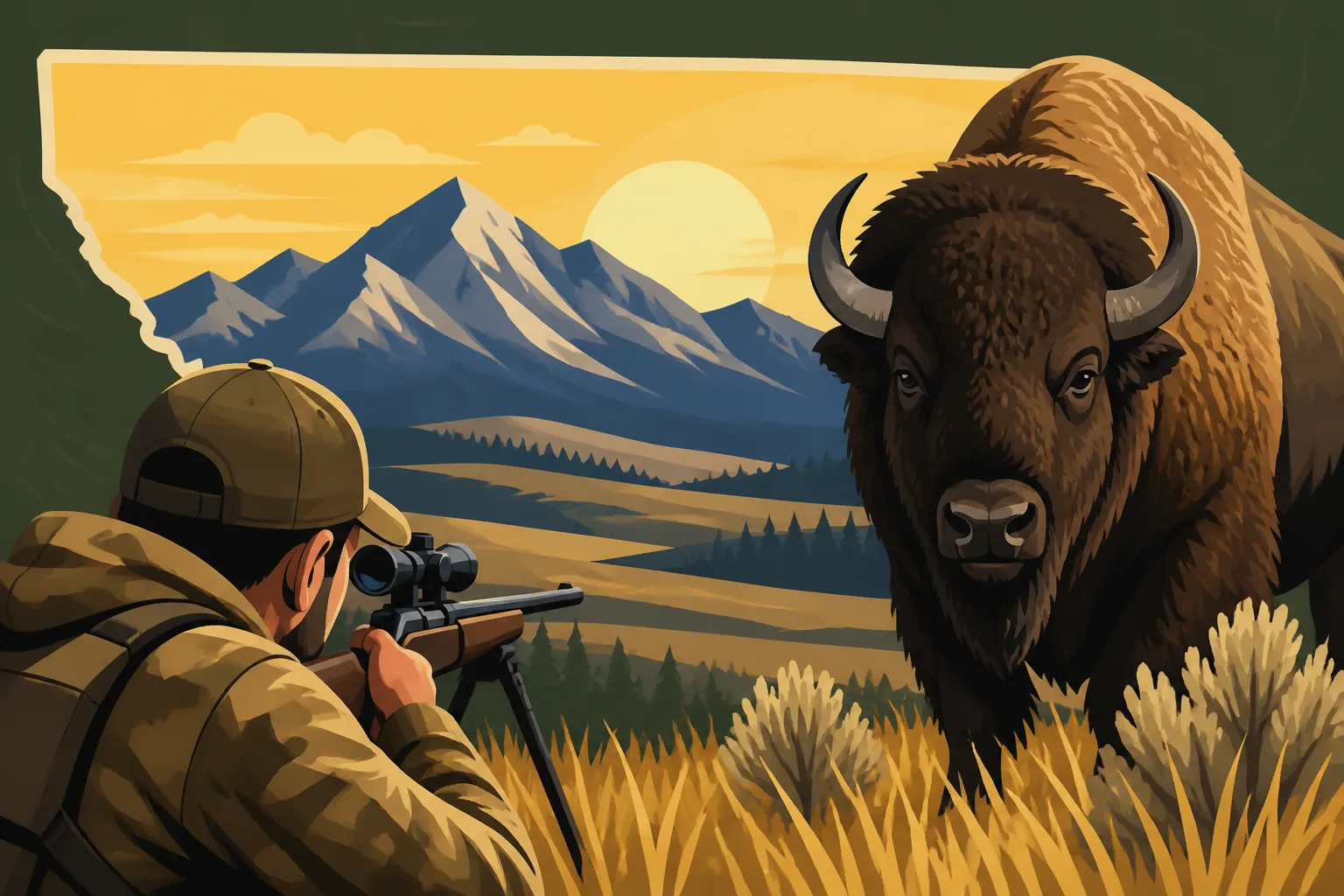
Oh, the allure of a Montana bison hunt! For many, it's the ultimate big game dream, a truly wild and historical pursuit that speaks to the very essence of the frontier. But let's be honest, trying to navigate the rules, understand the draw odds, and even just figure out where and how to apply can feel like trying to herd buffalo yourself – frustrating, confusing, and often, seemingly impossible. If you're yearning for a chance at this magnificent animal and need a clear, realistic guide to what it all entails, you've come to the right place.
The Majestic Challenge of Montana Bison Hunting
Hunting bison in Montana isn't just about pursuing big game; it's about connecting with a primal landscape and an animal that symbolizes the untamed spirit of the American West. These aren't your typical deer or elk hunts; bison are a different beast entirely, both in their physical presence and the bureaucratic hoops you'll jump through to even get a chance at one. The sheer scale of these animals, coupled with the deeply rooted cultural significance, makes a Montana bison tag one of the most coveted, and consequently, one of the hardest to draw in the country.
Understanding the Unique Nature of Bison
Bison are incredibly powerful, resilient animals that demand immense respect. Unlike elk or deer, they aren't typically found in dense timber or high alpine basins (though they can certainly be in mountainous terrain). They often inhabit open grasslands, river bottoms, and rolling hills, though the huntable herds in Montana are primarily associated with the Yellowstone ecosystem, pushing their range into adjacent public and private lands. Their social structure is also different; they live in large herds, and their sheer size means that a field harvest is an entirely different logistical challenge. A mature bull can weigh over 2,000 pounds, making recovery and processing a monumental task that requires serious planning and equipment. You can't just throw a bison quarter over your shoulder and walk out.
The Extreme Rarity of a Bison Tag
Let's not sugarcoat it: drawing a Montana bison tag is like winning the lottery. Montana Fish, Wildlife & Parks (FWP) issues a very limited number of bison hunting licenses each year, primarily focused on managing the wild, free-ranging herd that migrates out of Yellowstone National Park. This management is a delicate balance, often influenced by landowner tolerance, disease considerations, and state-tribal agreements. The result? Non-resident hunters, in particular, face extremely long odds, often requiring many years of applying and building bonus points without success. Even residents find it a tough draw. This isn't a tag you count on getting every few years; for most, it's a once-in-a-lifetime aspiration.
Navigating the Montana Bison License Draw Process
If you're serious about hunting bison in Montana, the first, and arguably most challenging, hurdle is the draw. This isn't a simple over-the-counter affair; it's a highly competitive, bonus-point driven system that requires careful attention to deadlines and regulations.
Licenses, Permits, and Application Details
To even apply for a Montana bison license, you'll first need a few foundational items. Just like applying for elk or deer, non-residents need to purchase a base hunting license and a conservation license. For bison, the specific tag you're applying for is a special drawing permit. There are no general bison tags; every opportunity is a limited-entry draw.
The application period for bison typically opens in early summer and runs through a specific deadline, often in August or September, with results usually announced in the fall. It's crucial to check the current year's FWP regulations booklet or their website for exact dates, as they can shift slightly. When applying, you'll need to select specific hunt codes, which designate the area and type of bison (e.g., bull, cow, either-sex). This is where strategic planning comes into play. Tools like those offered by GoHunt can be invaluable for researching historical draw odds and understanding which hunt codes might offer a slightly better (though still slim) chance, or at least help you pick units that align with your hunting style.
Let's break down the general application requirements:
- Base Hunting License: Required for all non-resident big game hunters.
- Conservation License: Another foundational license for all hunters.
- Bison License Application Fee: A non-refundable fee charged for applying to the draw.
- Bison License Fee (if drawn): The substantial cost of the actual tag, only paid if successful in the draw.
The FWP website is your go-to for the official application portal. Be meticulous with your application; any errors could disqualify you, and given the rarity of this opportunity, you don't want to make a mistake.
Bison Hunt Codes and Season Structures
Montana's bison hunts are highly localized and tied to specific management objectives. The most well-known and sought-after opportunities are often those associated with the herd migrating out of Yellowstone National Park, primarily in areas surrounding Gardiner, Montana, and sometimes further north. These areas have specific hunt codes, such as the 399-20 "Yellowstone Bison" permits, which are often antlerless or either-sex tags focused on herd reduction. However, other hunt codes might exist for different areas or management needs, so thoroughly reviewing the FWP regulations is paramount.
The season structures for bison are also highly specific and can vary year to year based on population objectives, migration patterns, and agreements with federal and tribal agencies. Unlike a general elk season that runs for weeks, bison hunts are often much shorter, sometimes just a few days or specific timeframes, often in late fall or winter when bison move out of the park. Hunters must be prepared to react quickly if they draw a tag and the season opens.
Here's a simplified look at how hunt codes and seasons might appear (always verify with current FWP regulations):
| Hunt Code | Hunt Area | Animal Type | Typical Season Dates | Notes |
|---|---|---|---|---|
| 399-20 | Gardiner-Area (North Yellowstone) | Antlerless/Either-Sex | Dec – Feb (variable by year/migration) | Primarily for herd reduction, often requires active migration. |
| 399-21 | West Yellowstone Area (West Yellowstone) | Antlerless/Either-Sex | Nov – Mar (variable by year/migration) | Similar to Gardiner, dependent on migration and FWP management. |
| Other Codes | Specific areas/Private land (rare) | Varies | Varies | Extremely rare, often through tribal partnerships or private landowners. |
It's important to understand that these "hunt areas" are often fluid, especially around Yellowstone. Bison don't respect invisible lines on a map, and their presence in huntable areas is entirely dependent on their migration out of the park. This adds another layer of complexity to the hunt, as you might draw a tag for an area where bison are only present for a few weeks, or not at all, during your season. This is why staying informed with FWP updates and even local reports is critical if you're lucky enough to draw.
The Role of Bonus Points in Bison Draws
Montana utilizes a bonus point system for species like bison, moose, bighorn sheep, and mountain goat. This system is designed to reward loyalty and persistence. For every year you apply for a bison tag and are unsuccessful, you accrue one bonus point. When you apply in subsequent years, your total number of bonus points is squared, and that number is entered into the draw. For example, if you have 5 bonus points, you'll effectively have 25 "chances" in the draw that year. This system significantly increases your mathematical odds over time, but given the extremely limited number of bison tags, it still takes many years, often decades, to accumulate enough points for a reasonable chance.
There's no guarantee, even with a high number of points, that you'll draw. It simply makes your name appear more times in the randomized draw. Many hunters use services like GoHunt to track their points and analyze draw odds history, helping them make informed decisions about when to apply and for which specific units. Understanding your Montana Bonus Points Explained is crucial for any long-term strategy for limited-entry species. You can also purchase a bonus point for bison without applying for a tag, which is a common strategy for hunters who want to build points for future years without the upfront cost of a full license application.
Strategies for a Successful Montana Bison Hunt (Once You Draw!)
Congratulations! If you've managed to beat the odds and draw a Montana bison tag, the real work, and excitement, truly begin. This isn't a hunt to be taken lightly; the animal, the terrain, and the logistics all present significant challenges.
Pre-Season Scouting and Essential Planning
Drawing the tag is just the start. Effective pre-season planning is absolutely critical for a bison hunt.
- E-Scouting and Map Study: Even if you can't physically scout, dedicated e-scouting is a must. Utilize satellite imagery, topographic maps, and FWP hunt boundary maps to understand the terrain, access points, and potential holding areas for bison. Pay close attention to public land boundaries, as many bison movements occur on a patchwork of public and private property. Understanding How to E-Scout Montana Hunting Units can save you a ton of time and effort.
- Contacting FWP: Don't hesitate to call the local FWP office for the district you drew. Biologists and game wardens are invaluable resources who can provide up-to-date information on bison movements, recent harvest numbers, access concerns, and other critical details. They often have the most current information regarding herd locations and activity.
- Logistical Preparedness: This is huge. Do you have a plan for a heavy-duty pack frame or game cart? Do you know who will help you? A bison is massive, and you will need help. Think about a winch, a good chainsaw for splitting the brisket, heavy-duty game bags, and enough coolers for hundreds of pounds of meat. Consider bringing a full-size pickup or a trailer to haul quarters.
- Physical Conditioning: While bison might seem less active than an elk, hunting them can involve hiking in rough terrain, often in deep snow and cold weather. And once you get one down, the physical exertion of field dressing and packing out is immense. Being in top shape is vital.
Hunting Tactics and Ethical Shot Placement
Hunting bison requires a blend of patience, perseverance, and ethical considerations. The hunt itself is often more about finding the herd and getting into position than intricate calling or elaborate stalking tactics.
- Locating Herds: Bison are herd animals. Finding one means finding many. Use good optics to glass large areas, focusing on known wintering ranges, river bottoms, and areas with good forage. Look for dark moving specks against snowy landscapes or on open hillsides. Remember, many of the publicly hunted bison migrate out of Yellowstone, so monitoring park movements can be key.
- Stalking and Approach: While less flighty than a whitetail, bison are still wild animals and deserve a careful approach. Use the wind, terrain features, and any available cover to get within comfortable and ethical shooting range. They can appear docile, but they are powerful and can be dangerous if agitated.
- Shot Placement: This is paramount. A bison's vitals are massive, but they are also incredibly tough, with thick hides, heavy bone, and a large hump that can mislead shot placement. Aim for the classic shoulder shot, slightly forward and low, targeting the heart and lungs. Broadside shots are generally preferred. A frontal shot can work if aiming for the chest, but it requires precision and a good understanding of anatomy. Many experienced bison hunters use heavier caliber rifles (e.g., .338 Win Mag, .375 H&H, .45-70 Gov't) with stout, deep-penetrating bullets to ensure a clean kill. A follow-up shot should always be prepared. Remember, a wounded bison is an extremely dangerous animal.
- Safety First: Bison are large, powerful, and can move surprisingly fast. Always maintain a safe distance and be aware of your surroundings, especially if hunting alone.
Field Care, Recovery, and Logistics
The true challenge of a bison hunt often begins after the shot. The sheer size of the animal means specialized recovery and field care are essential to preserve the meat.
- Field Dressing: You'll want to get the hide off and the animal quartered as quickly as possible, especially in warmer weather. This isn't a job for one person. Bring sharp knives, a game saw, a good hide puller, and plenty of clean game bags. Many hunters opt to skin and quarter the animal on the ground, rolling it as they go, or even using a portable hoist if feasible.
- Cooling the Meat: Getting that enormous amount of meat cooled down is critical. In colder temperatures, hanging quarters might be sufficient. In milder weather, you'll need to bone out the meat and pack it into coolers with ice. Remember, you'll be dealing with hundreds of pounds of muscle. This can be more complex than How to Pack Out an Elk in Montana due to the added size and weight.
- Transportation: Whether it's a short drag, a pack-out with horses, or a vehicle recovery, planning this step is non-negotiable. Many bison are harvested in areas accessible by vehicles or ATVs, but often, a significant drag or multiple trips are still necessary. Some outfitters specialize in bison recovery services, which might be a worthwhile investment if you're not physically prepared or don't have a robust recovery team.
- Meat Processing: Have a reputable butcher lined up, or be prepared for extensive home processing. A bison will yield a tremendous amount of high-quality, lean meat.
Hunting bison in Montana is truly a journey, from the years of applying to the incredible moment you're standing over such a magnificent animal. It’s a test of patience, preparation, and respect for the wild. Good luck on your quest for this extraordinary experience. You can find more information on Montana Big Game Species Guide and Montana Hunting Seasons Explained to round out your knowledge.
Disclaimer
Please remember that hunting regulations, season dates, and license requirements in Montana are subject to change. Always consult the official Montana Fish, Wildlife & Parks (FWP) website and current year's regulations booklet before planning or undertaking any hunting activities. This guide provides general information and should not be considered legal advice or a substitute for official FWP publications. It is the hunter's responsibility to know and follow all applicable laws and regulations.