Hunting the Bridger Mountains
For many hunters, the Bridger Mountains represent a formidable challenge and an alluring promise, a range known for its steep, timbered slopes and elusive elk herds right on the doorstep of Bozeman. If you've ever gazed at those peaks and wondered how to unlock their secrets for a successful big game hunt, you're not alone. This guide aims to pull back the curtain on hunting the Bridgers, offering realistic advice and strategies to help you navigate this rugged, beautiful, and often demanding Montana hunting area.
Understanding the Bridger Mountains Hunting Landscape
The Bridger Mountains, often simply called "the Bridgers," are a striking north-south range just northeast of Bozeman, Montana. They're a favorite stomping ground for local hunters, but don't let the proximity to a major town fool you; these mountains are wild, steep, and demand respect. Their unique geography, combined with the resident wildlife, creates a hunting experience that is both rewarding and challenging.
Geographic Overview and Habitat
The Bridgers rise dramatically from the Gallatin Valley floor, with peaks like Ross Peak and Sacagawea Peak commanding impressive views. The range is characterized by steep, timbered slopes, deep drainages, and high-elevation basins that can hold snow well into the hunting season. The lower elevations often consist of foothill grasslands and aspen groves, transitioning to mixed conifer forests (Douglas fir, lodgepole pine, subalpine fir, spruce) as you gain elevation. Above the timberline, you'll find expansive alpine terrain with rocky scree fields and isolated krummholz patches, offering both cover and feeding opportunities for game.
Water sources are generally abundant, with numerous small creeks and springs, especially in the spring and early summer. However, later in the season, some of these might dry up, making water-finding a crucial part of your scouting. The north and east-facing slopes tend to hold denser timber and snow longer, providing thermal cover and refuge for animals, especially when pressured or during harsh weather. South and west-facing slopes, often sunnier, can offer better glassing opportunities and earlier green-up in spring, attracting animals to feed. Understanding these microclimates and how they relate to the seasons is key to success.
Primary Game Species in the Bridgers
While the Bridgers are most renowned for their elk population, they also host good numbers of mule deer, a decent population of black bears, and even mountain lions.
- Elk: These are the stars of the show in the Bridgers. You'll find both resident herds that stick to the mountains year-round and migratory herds that move into the lower foothills and private lands during winter. During the archery season and early rifle seasons, elk are typically high up, often in the dark timber on north-facing slopes or in high basins, especially during the rut. As hunter pressure increases and snow piles up, they'll begin to move lower, sometimes pushing onto adjacent private lands or into deep, secluded timber pockets. For insights into seasonal patterns, you might want to read about Montana Elk Season Dates Guide or how to hunt Montana Elk in early archery season.
- Mule Deer: Mule deer populations can be found throughout the range, often preferring the more open, broken timber and brushy draws. They are masters of using topography to disappear. Early season often finds bucks higher up, sometimes near the same alpine areas as elk, but they typically drop down to lower, brushier winter ranges as the season progresses and snow deepens. Focusing on the transition zones between timber and open country can be very productive for mule deer.
- Black Bear: The Bridgers offer opportunities for black bear hunting, both in spring and fall. Bears are typically found in timbered areas, especially where berries or other food sources are abundant. Spring bear hunting often focuses on south-facing slopes as they green up, providing the first flush of feed. In the fall, they'll be feasting on huckleberries and other mast crops to put on weight before winter.
- Mountain Lion: While notoriously difficult to hunt, mountain lions are present throughout the Bridger range, preying on the abundant deer and elk. These hunts usually require hounds or extensive tracking skills, and tags are limited, often filled on a quota basis.
Hunter Access and Public Land Considerations
The majority of the Bridger Mountains are public land, managed primarily by the Custer Gallatin National Forest. This means excellent access for public land hunters, but it also means significant hunter pressure, especially on weekends and during the general rifle season.
- Roads and Trailheads: There are several main access points with established trailheads along the eastern and western flanks of the range. For example, the Fairy Lake Road on the eastern side offers access to high-elevation trailheads, while the Story Hills area on the western side provides entry into some lower-elevation timber. Many of these roads are well-maintained but can become impassable with early snow, so always check conditions.
- Wilderness and Roadless Areas: While not a designated wilderness area like the nearby Absaroka-Beartooth, much of the Bridger range offers roadless backcountry experiences. This means you'll need to be prepared to hike in, potentially several miles, to escape the crowds and find undisturbed animals. For serious backcountry enthusiasts, knowing how to pack for a Montana backcountry hunt is crucial.
- Block Management Areas (BMAs): While less prevalent directly in the high Bridgers, some Block Management Areas might be available in the adjacent foothills or agricultural lands, especially for antlerless deer or elk. These BMAs offer critical access to private lands that animals often move onto under hunting pressure. Always check the FWP Block Management Atlas for current opportunities.
- onX Hunt and Other Mapping Tools: To effectively navigate the mix of public and private land, and to identify trail systems and potential hunting spots, a robust mapping tool like onX Hunt is indispensable. It clearly delineates land ownership, trails, roads, and even topographic features, allowing you to plan your approach and identify remote pockets of public land. Similarly, tools like GoHunt provide valuable unit data and draw odds, helping you choose where to focus your efforts. These are excellent resources for How to E-Scout Montana Hunting Units and ensuring you stay on the right side of property lines.
Strategies for Hunting the Bridger Mountains
Hunting the Bridger Mountains requires a blend of meticulous planning, physical stamina, and adaptable on-the-ground tactics. The steep terrain and often high hunter density mean you need to work smarter and harder to find success.
E-Scouting and Pre-Season Planning
Before you even set foot in the Bridgers, hours spent e-scouting can make or break your hunt. This is where tools like onX Hunt truly shine.
- Identify Access Points and Terrain: Use satellite imagery and topographic maps to pinpoint potential trailheads, parking areas, and critical access roads. Look for areas that are difficult to access, as these often hold fewer hunters and more undisturbed game. Pay close attention to elevation changes – the Bridgers are steep, and every contour line matters. Identify saddles, benches, and gradual slopes that might serve as natural travel corridors for game.
- Locate Key Habitat Features: For elk, search for north-facing slopes with dense, dark timber (thermal cover) interspersed with south-facing clearings or avalanche chutes (feeding areas). Look for natural funnels where timbered ridges meet, or where animals might be forced to cross open terrain. For mule deer, focus on transition zones, areas with mixed timber and brush, and less dense forest edges. Consider areas around water sources, especially during drier periods.
- Analyze Historical Data (GoHunt): Platforms like GoHunt can provide invaluable data on historical draw odds, success rates by hunting district, and even harvest statistics for specific units. This helps you understand the realistic potential of your chosen district and whether it's more known for trophy animals or simply opportunities to fill the freezer. While most of the Bridgers are within general elk units, knowing the typical success rates can help manage expectations.
- Scout for Pressure Points: Overlay public land boundaries with satellite imagery to identify where human activity is likely to be concentrated. Look for easy-access trails, roads that penetrate deep into the mountains, and areas close to popular recreation spots. Then, intentionally plan routes that avoid these high-pressure zones or penetrate deeper into the backcountry where fewer hunters venture. This might mean adding an extra mile or two to your hike, but it often pays off. Knowing How to Beat the Crowds on Montana Public Land is a critical skill here.
On-the-Ground Tactics for Deer and Elk
Once you're actually in the Bridgers, your tactics will need to be as rugged as the landscape itself. Still-hunting, glassing, and calling are all valuable methods, depending on the conditions and the species you're after.
- Still-Hunting the Timber: Much of the Bridger Mountains is covered in dense timber, making still-hunting an incredibly effective, albeit slow, method. Move slowly, literally one step at a time, pausing often (5-10 minutes) to listen and observe. Use your binoculars to pick apart every shadow, every cluster of trees. Elk and deer will often bed down in these thickets, relying on their excellent camouflage and the cover to remain undetected. Focus on north-facing slopes and areas with thick, dark timber, especially after sunrise when animals might be bedding down. Learning How to Still-Hunt Montana Timber is a master skill.
- Glassing Openings and Ridges: While often thick, the Bridgers do offer opportunities for glassing, particularly in high alpine basins, avalanche chutes, and along open ridges or clear-cuts. Position yourself in a vantage point before first light and systematically glass all potential feeding and bedding areas as the sun comes up. Look for patches of antlers, ears, or the distinct body shape of an animal. This is especially effective for mule deer in more open areas or for spotting elk transitioning from bedding to feeding in the early morning or late evening. For tips on this, check out How to Glass Montana's Big Country.
- Calling During the Rut: For archery elk hunters, the Bridger Mountains during the September rut can be an electrifying experience. Both cow calls and bull bugles can be effective. Use locator bugles to find a bull, then move in cautiously. Once you're closer, use a mix of cow calls and light bugles to entice him into range. Be mindful of other hunters calling; sometimes less is more. For deeper dives, explore How to Bugle for Montana Elk or How to Cow Call Montana Elk. Remember, calling isn't just for the rut; subtle cow calls can still pique interest from post-rut bulls, especially if they think a lone cow is nearby.
Navigating Hunter Pressure
The Bridgers, being so accessible from Bozeman, can experience significant hunter pressure, particularly during the general rifle season and on weekends. This pressure profoundly impacts animal behavior.
- Go Deeper, Stay Longer: The simplest way to escape pressure is to out-hike other hunters. While many will stick to within a mile or two of the road, animals often retreat deeper into the mountains. Plan to hike 3-5 miles or more away from established trailheads. Consider a multi-day backcountry hunt to access truly undisturbed areas. Setting up a spike camp or a full Montana Elk Camp can be a game-changer.
- Hunt Mid-Week: If your schedule allows, hunting on weekdays will almost always result in significantly less competition. The difference between a Saturday and a Tuesday can be night and day.
- Focus on Overlooked Terrain: Animals pressured by hunters will often seek refuge in the steepest, thickest, nastiest terrain they can find. Don't shy away from areas that look miserable to traverse. Ravines, dense blowdowns, and sheer slopes often become sanctuaries. These areas might not be glamorous, but they are where unpressured animals will often hide.
- Use the Wind and Thermals: With increased hunter presence, animals become incredibly wary of human scent. Always be conscious of the wind direction. In mountainous terrain, thermals (air currents that flow uphill in the morning and downhill in the evening) play a critical role. Plan your approach and exit routes to use these air currents to your advantage, keeping your scent away from the animals you're pursuing. Learning How to Use Thermals in Montana Elk Country is paramount.
Essential Gear and Preparation for the Bridgers
The rugged and often unpredictable nature of the Bridger Mountains demands careful consideration of your gear and physical readiness. Being underprepared can quickly turn a hunting adventure into a dangerous situation.
Recommended Gear for Mountain Hunting
Packing smart means being ready for anything the Montana mountains throw at you, from blazing sun to sudden snowstorms.
- Layered Clothing: Montana weather is notoriously fickle. A proper layering system is non-negotiable. Start with a moisture-wicking base layer (merino wool or synthetic), add an insulating mid-layer (fleece or puffy jacket), and top it off with a waterproof/windproof outer shell. This allows you to adjust to changing temperatures and activity levels. Brands like KUIU, Sitka, and First Lite offer excellent mountain hunting apparel designed for performance and durability in varying conditions.
- High-Quality Backpack: You'll be covering serious ground and potentially carrying out heavy loads. A comfortable, durable backpack with a good internal or external frame is essential. Look for capacities in the 45-75 liter range for day hunts with extra gear or multi-day excursions. Mystery Ranch and Kifaru are popular choices among serious mountain hunters for their load-hauling capabilities. Consider what you'll need to pack out an elk in Montana when selecting your pack.
- Optics: Good optics are your best friends in the mountains. A quality pair of 10×42 binoculars (e.g., from Maven Optics or Vortex Optics) is a must for spotting game. A spotting scope (15-45x or 20-60x) is incredibly useful for detailed glassing in open areas, especially for field judging a Montana bull elk. Don't forget a rangefinder for accurate shot placement in variable terrain.
- Footwear: Your feet will take a beating. Invest in sturdy, waterproof, and well-broken-in hiking boots with good ankle support. Brands like Kenetrek or Schnee's are renowned for their mountain hunting boots. Pair them with quality wool or synthetic socks to prevent blisters.
- Navigation Tools: While onX Hunt on your phone is excellent, always carry a physical map (USGS topo or Custer Gallatin National Forest map) and a compass. Battery life can fail, and a backup is vital. A GPS device can also be a valuable addition.
- Emergency Essentials: Always carry a first-aid kit, fire starter, headlamp with extra batteries, water filter or purification tablets, extra food, emergency shelter (like a bivy sack or lightweight tarp), and a signaling device (whistle, satellite messenger like a Garmin InReach). Montana backcountry hunting safety tips are not just suggestions, they're commandments.
Physical Conditioning and Safety
The Bridgers are steep. There's no getting around it. Physical fitness is not just about comfort; it's about safety and increasing your chances of success.
- Cardiovascular Endurance: You'll be climbing thousands of feet in elevation. Incorporate hiking with a weighted pack, trail running, and stair climbing into your routine. Focus on sustained effort, not just short bursts. A good Montana Elk Hunt Fitness Plan should start months in advance.
- Strength Training: Focus on legs, core, and back. Squats, lunges, deadlifts, and planks will help you navigate uneven terrain, carry heavy loads, and prevent injury.
- Altitude Acclimatization: If you're coming from sea level, plan to spend a day or two at higher elevation before your hunt to help your body adjust. The Bridgers aren't as high as some ranges, but the strenuous activity can still be taxing.
- Safety in Numbers: Hunting with a partner or a group is always safer in the backcountry. If hunting solo, always inform someone of your exact hunting plans, including your route and expected return time.
- Wildlife Encounters: Be bear aware. Carry bear spray, know how to use it, and make noise in thick cover. Mountain lions are present but rarely seen; know how to react if you encounter one.
Weather Considerations and Backcountry Readiness
The Bridger Mountains can experience drastic weather swings, often within a single day. You need to be prepared for everything from warm, sunny days to freezing rain and heavy snow.
- Monitor Forecasts Religiously: Keep a close eye on the weather forecast in the days leading up to and during your hunt. However, remember that mountain weather can change rapidly and local forecasts might not accurately reflect conditions at higher elevations.
- Be Prepared for Winter: Even in September or October, snow can fall in the high country. Pack warm layers, waterproof outer shells, and gaiters. Consider bringing traction devices like microspikes if you anticipate icy conditions on steep trails. Learning How to Handle Cold-Weather Gear for Montana will be invaluable.
- Water Management: While water is generally available in the Bridgers, having a reliable water filter (e.g., Sawyer Squeeze or Katadyn BeFree) or purification tablets is essential. Always carry enough water for your immediate needs and know where your next water source is.
- Contingency Planning: What's your plan if you get injured? What if a sudden whiteout occurs? Have backup navigation, emergency communication, and enough supplies to spend an unexpected night out if necessary. Always consider how to quarter an elk in the Montana backcountry, as that might be a lengthy process requiring additional light and warmth.
Draw Odds and Regulations Specific to the Bridgers
Hunting the Bridger Mountains means understanding the Montana Fish, Wildlife & Parks (FWP) regulations and navigating the state's licensing and draw system. It can feel a bit like cracking a code, but it's crucial for a legal and successful hunt.
Understanding Hunt Districts and Permits
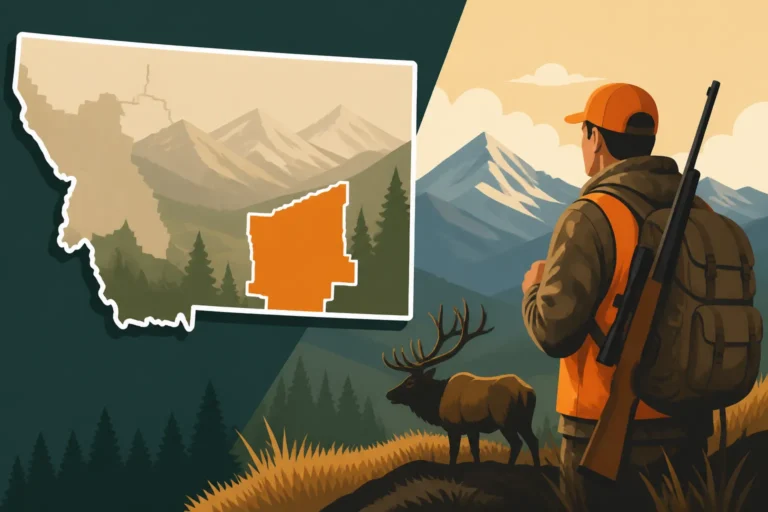
The Bridger Mountains fall within specific hunting districts (HDs) within Montana, primarily HD 390. This district is generally considered a general hunting district for elk, meaning that a hunter with a general elk license (like the nonresident Big Game Combo or Elk Combo) can hunt elk there without drawing a special permit.
- General vs. Permit Tags: Montana differentiates between "general" licenses and "permit" licenses. General licenses typically allow you to hunt a specific species in most units throughout the state. Permit licenses, on the other hand, are for limited-entry districts or for specific types of tags (like antlerless elk B licenses) and are drawn through a lottery system. Fortunately for Bridger hunters, HD 390 is a general elk unit, making it more accessible. However, always double-check the current regulations, as FWP can make changes annually. You can find more detail on Montana General vs Permit Tags Explained.
- Deer Tags: For deer, HD 390 is also typically a general deer unit. This means a general deer license (part of the combo license or a separate General Deer License) is valid. However, always confirm antler point restrictions or "either-sex" vs. "antlerless" requirements for deer, as these can vary.
- Bear and Lion Tags: Black bear and mountain lion tags are generally available over-the-counter for specific seasons, but always confirm quotas and season dates, as these can change.
Navigating Montana's Draw System
While HD 390 is a general unit for elk and deer, many nonresidents apply for the Montana Nonresident Combination License, which includes general elk and deer tags. This license is drawn through a lottery.
- Preference Points: Montana uses a preference point system for the nonresident Big Game and Elk Combination licenses. Each year you apply and are unsuccessful, you can purchase a preference point (or apply for one directly if you're not planning to hunt that year). These points increase your odds in subsequent draws. Many applicants need several points to draw the general combo licenses, especially those hoping for elk. Understanding How Montana Preference Points Work is crucial for nonresidents.
- Bonus Points: For specific limited-entry permits (not usually applicable to the general Bridgers hunt, but good to know for future reference), Montana uses a bonus point system, which functions differently from preference points.
- Application Timeline: The application period for nonresident combination licenses typically runs from January 1st to April 1st. It’s imperative to apply within this window. If you miss it, you miss your chance for the main draw that year. Keep track of the Montana Big Game Draw Deadlines to ensure you don't miss out.
- Draw Results: Results are usually released in mid-April or early May. If successful, you'll then be able to purchase your full license. If unsuccessful, you can typically purchase a preference point for the next year.
Key Regulations and Season Dates
Regulations are dynamic and can change annually. Always consult the official Montana FWP hunting regulations before your hunt. You can find these online or at any FWP office or license vendor.
- Archery Season: Typically runs from early September to mid-October for elk and deer. This season offers unique opportunities to hunt during the rut, especially for elk. Check Montana Archery Season Dates for specific dates.
- General Rifle Season: Generally runs from late October through late November. This is when the majority of hunters are in the woods, and animals are often more pressured. Consult the Montana General Rifle Season Dates for exact timing.
- Antler Point Restrictions: Be aware if any antler point restrictions apply to bull elk or buck deer in HD 390. Sometimes, only bulls with a certain number of points on one side (e.g., 4 points or better) are legal, or specific districts might be "either-sex" allowing any antlered animal. Always confirm.
- Hunter Orange Requirements: During the general rifle season, hunters are usually required to wear at least 400 square inches of hunter orange above the waist. This is a crucial safety measure.
- Respect Private Land: The Bridgers are surrounded by private property. While public access is good, be vigilant about property boundaries. Using onX Hunt to confirm your location relative to private land is not just helpful, it's essential for avoiding trespassing issues.
Game Species Overview in Bridger Mountains (HD 390)
| Species | Primary Habitat | Common Season(s) | Typical Hunting Strategy | Notes |
|---|---|---|---|---|
| Elk | Dense timber, high basins, north slopes | Archery, General Rifle | Still-hunting timber, calling during rut, glassing avalanche chutes, tracking snow | Requires significant physical effort due to steep terrain. |
| Mule Deer | Open timber, brushy draws, transition zones | Archery, General Rifle | Spot-and-stalk, still-hunting, glassing open hillsides | Can be pressured into dense cover near public access. |
| Black Bear | Timbered areas, berry patches, south slopes | Spring, Fall | Spot-and-stalk on green-ups (spring), still-hunting/stalking berry patches (fall) | Tags typically available over-the-counter; confirm quotas. |
| Mountain Lion | Dense timber, rocky outcrops | Winter | Hounds often used; difficult to hunt. Quotas apply. | Specialized hunt, often requires a guide or extensive experience. |
Hunting the Bridger Mountains is an experience that truly embodies the spirit of Montana hunting: challenging, rewarding, and deeply immersive. With careful planning, physical preparation, the right gear, and a solid understanding of the regulations, you can certainly carve out your own success in these majestic mountains.
Disclaimer
Please note that hunting regulations, season dates, and access policies can change annually. It is your responsibility to always consult the most current Montana Fish, Wildlife & Parks regulations and local land management agency rules before planning or undertaking any hunting activity. This guide provides general information and recommendations but is not a substitute for official sources.