Montana Mule Deer Hunting: Backcountry Tactics
The allure of big Montana mule deer often brings hunters to the vast stretches of public land, but the truth is, the biggest bucks, and often the most rewarding experiences, are found far from roads and easily accessible areas. Navigating the rugged, remote backcountry for these wary creatures presents unique challenges, from intense physical demands to meticulous planning. This guide aims to equip you with the knowledge and tactics needed to conquer Montana's wilderness and find success on a backcountry mule deer hunt.
Why Hunt Montana Mule Deer in the Backcountry
There's a reason seasoned hunters talk about the backcountry with a certain reverence – it's where the wild truly lives, and often, where the biggest mule deer bucks hide. Getting off the beaten path isn't just about escaping crowds, though that's a huge part of it; it's about pursuing a different kind of hunt, one that tests your limits and rewards your efforts exponentially.
Escaping Hunter Pressure
Anyone who's hunted public land in Montana during rifle season knows the disheartening feeling of pulling up to a trailhead only to find it packed with trucks. That's the reality for many easily accessible areas. Mule deer, particularly mature bucks, are incredibly intelligent and quickly learn to avoid human activity. They'll retreat deep into rough, tangled timber, steep canyons, or high alpine basins where few hunters are willing to venture. When you pack in a few miles, you're not just leaving the trucks behind; you're often leaving 90% of other hunters behind. This immediately increases your odds of encountering undisturbed deer, and more importantly, bucks that haven't been pushed and harassed all season. This is especially true during the archery season and even more so during the general rifle season when pressure peaks.
Finding Undisturbed Deer and Trophy Bucks
Mule deer in the backcountry typically exhibit more natural behavior. They aren't constantly on edge, running from one ridge to the next. This means they might feed longer in open areas, stick to predictable patterns, and be less skittish when you do encounter them. For those chasing older, larger bucks, the backcountry is often the only place to consistently find them. These wise old deer didn't get big by being easy targets near roads. They sought refuge in the most challenging terrain, developing survival instincts that keep them away from roads and trails. You'll find that bucks in these remote areas often have more relaxed dispositions, allowing for more time to evaluate and execute a thoughtful stalk. It’s also where you’re more likely to see unique antler configurations and truly mature specimens that have escaped countless hunting seasons.
Essential Backcountry Gear and Physical Preparation
Embarking on a backcountry mule deer hunt isn't a spur-of-the-moment decision; it requires meticulous planning, the right gear, and a significant investment in physical fitness. Neglecting any of these can quickly turn a dream hunt into a miserable, or even dangerous, ordeal.
Building Your Backcountry Gear List
Your gear is your lifeline in the backcountry. Every item needs to be carefully chosen for its weight, durability, and multi-purpose utility. You're not just carrying a rifle; you're carrying your shelter, food, water, navigation tools, first aid, and the means to process and pack out an animal.
Shelter System: A lightweight tent or tarp setup is crucial. Consider a reliable three-season tent from brands like Big Agnes or MSR, designed to handle unexpected snowstorms or high winds often encountered in Montana's mountains. A quality sleeping bag rated for colder temperatures (0 to 20 degrees Fahrenheit, depending on the season) and a comfortable sleeping pad are non-negotiable for a good night's rest, which directly impacts your energy levels and mental focus.
Backpack: Your backpack is arguably the most critical piece of equipment. It needs to be comfortable, durable, and capable of hauling heavy loads – not just your camp, but potentially hundreds of pounds of meat and antlers. Brands like Mystery Ranch, Kifaru, and Stone Glacier are popular among serious backcountry hunters for their robust frames and well-thought-out designs. When choosing, consider a pack with a load shelf or external frame that can handle a quartered animal. You can learn more about finding the right pack in our guide on the best backpack for a Montana elk hunt, which applies well to mule deer as well.
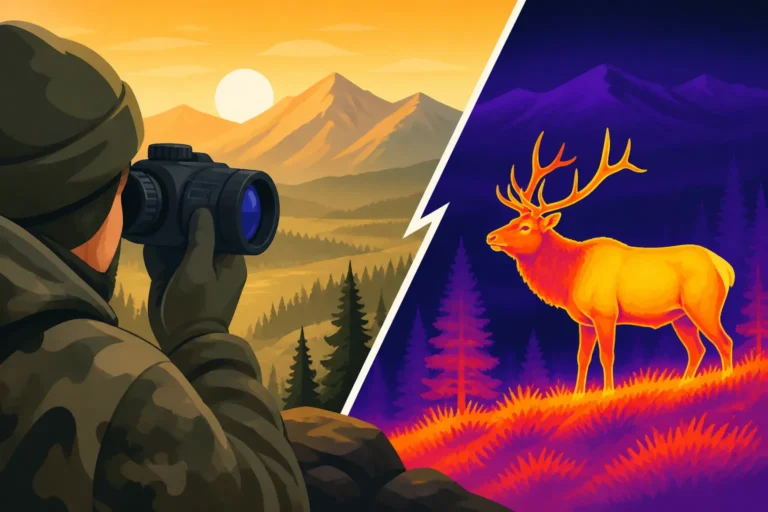
Optics: Top-tier optics are not a luxury in mule deer country; they are a necessity. You'll spend countless hours glassing, so invest in the best binoculars and spotting scope you can afford. 10×42 or 12×50 binoculars are standard for scanning broad landscapes, while a quality spotting scope (e.g., a 15-45×65 or 20-60×80) on a sturdy tripod will allow you to pick apart distant hillsides and evaluate bucks. Rangefinders are also essential for accurate shot placement in varied terrain. For a deeper dive into choosing the right glass, check out our piece on Best Optics for Montana Big Game.
Navigation: GPS devices (like a Garmin inReach, which also offers satellite communication) are vital for backcountry navigation, but always carry a physical map and compass as a backup. Modern tools like onX Hunt are incredibly valuable for e-scouting and real-time navigation, showing public/private land boundaries, and topographic features. Having a reliable power bank for charging electronics is also key.
Clothing: Layering is the name of the game in Montana. Start with a moisture-wicking base layer (merino wool is fantastic), add insulating mid-layers (fleece or puffy jackets), and top it off with waterproof and windproof outer shells. Always pack an extra puffy jacket for glassing sessions or unexpected drops in temperature. Good quality hiking boots, broken in well before the hunt, are indispensable.
Hunting-Specific Gear: Don't forget your rifle or bow, ammunition/arrows, knives for field dressing, game bags (essential for keeping meat clean and cool), paracord, and a headlamp with extra batteries. A small trowel for digging cat holes and toilet paper are also important for Leave No Trace principles.
Here's a simplified table comparing typical gear categories for a multi-day backcountry hunt:
| Gear Category | Key Items | Weight Consideration | Notes |
|---|---|---|---|
| Shelter | Tent/Tarp, Sleeping Bag, Sleeping Pad | Lightweight | Protection from elements, critical for recovery |
| Pack System | Backpack (60-80L+), Pack Cover | Durable, adjustable | Must fit well, capable of hauling heavy loads |
| Optics | Binoculars, Spotting Scope, Tripod, Rangefinder | Mid-Heavy | Essential for locating and evaluating deer at distance |
| Navigation | GPS, Map, Compass, Power Bank | Light-Mid | Always have redundant navigation tools |
| Clothing | Base layers, Mid-layers, Shells, Boots | Varies | Layering system, weather-dependent |
| Food & Water | Dehydrated Meals, Filters, Reservoir | Varies by duration | High-calorie, reliable water purification |
| Safety/First Aid | Med Kit, Satellite Communicator, Fire Starter | Light | Crucial for emergencies, personal safety |
| Hunting Tools | Rifle/Bow, Ammo, Knife, Game Bags | Varies | Ethical harvest and meat care |
Physical Fitness for Rugged Terrain
Montana's mule deer backcountry is unforgiving. Expect steep ascents, rocky scree fields, thick timber, and long days covering challenging ground with a heavy pack. Physical fitness isn't just about bagging a buck; it's about safety and enjoyment.
Cardiovascular Endurance: This is paramount. Start training months in advance with activities like hiking with a weighted pack, trail running, or stair climbing. Mimic the terrain you expect to encounter. Imagine climbing thousands of vertical feet with 40-50 pounds on your back. That's a typical day.
Strength Training: Focus on core strength, leg strength, and back strength. Squats, lunges, deadlifts, and planks are your friends. Strong legs and a strong core will help you navigate difficult terrain and prevent injuries, especially when carrying heavy loads.
Mental Toughness: Don't underestimate the mental grind. Long days, bad weather, no deer sightings, and constant physical discomfort can wear you down. Training your body also trains your mind to push through adversity. Simulate hunt conditions during your training – hike in the rain, push yourself when tired. For more detailed training advice, check out our article on the Montana Elk Hunt Fitness Plan, as much of that conditioning applies directly to mule deer.
Strategic Scouting for Backcountry Mule Deer
You can't just show up to the Montana backcountry and expect to find mule deer. Success hinges on thorough pre-hunt preparation and effective on-the-ground scouting. The more you know about the unit and the deer before you even step foot in it, the higher your chances of success.
E-Scouting Remote Units
E-scouting is the modern hunter's secret weapon, especially for backcountry hunts where physical access for scouting might be limited. This is where tools like GoHunt come into their own.
Topographical Maps and Satellite Imagery: Dive deep into topographic maps. Look for specific features that mule deer favor:
- North-facing slopes: Often hold more timber, shade, and moisture, making them ideal bedding areas, especially as the season progresses and temperatures drop.
- Steep, broken country: These provide security and escape cover. Look for benches, draws, and small pockets of timber or brush on steep hillsides.
- Water sources: While mule deer are adapted to arid environments, they still need water. Identify springs, seeps, and small creek bottoms.
- Transitional areas: The edges where timber meets open sagebrush, or where steep country flattens out, are often key feeding zones.
- Isolated pockets: Look for remote basins, cirques, or small timber stands far from roads that act as natural sanctuaries.
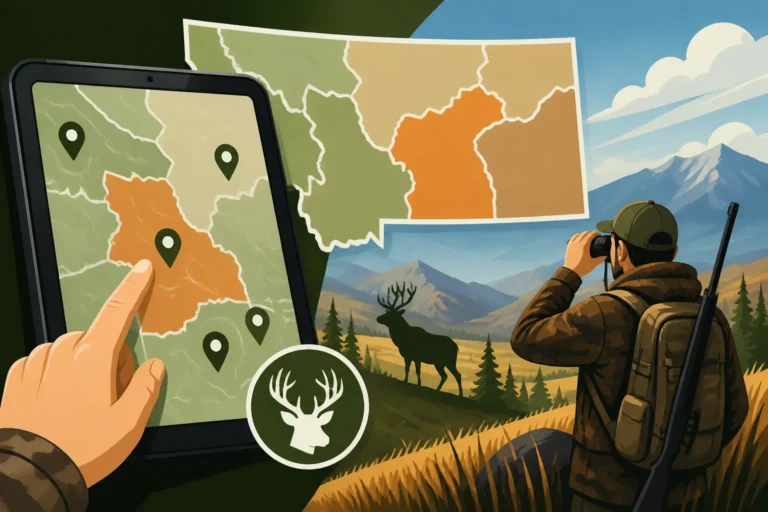
Use multiple map layers, including satellite, topo, and even shaded relief, to get a comprehensive understanding of the landscape. Platforms like onX Hunt and GoHunt allow you to drop waypoints, measure distances, and analyze terrain features with incredible detail. GoHunt's Insider service, for instance, offers a wealth of data on draw odds, success rates, and unit breakdowns that can inform your initial unit selection, helping you understand the potential of a specific hunting district.
Historical Data and Game Behavior: Research historical weather patterns for your chosen timeframe and area. A warm, dry fall might push deer to higher elevations or specific water sources. Early snow can trigger migration. Pay attention to how the rut timing typically aligns with the season dates in that region, as deer behavior changes drastically during the breeding season. Understanding deer migration patterns, if any, within your target unit is also critical. These larger seasonal movements can dictate where deer will be found during specific hunting windows.
On-the-Ground Scouting and Reading Sign
If possible, an actual boots-on-the-ground scouting trip to your backcountry area can be invaluable. This allows you to confirm what you saw on the maps and find fresh sign.
Covering Ground Smartly: Focus on key areas identified during your e-scouting. Instead of aimlessly wandering, have a plan to systematically cover potential bedding, feeding, and travel corridors. Look for fresh tracks, droppings, rubs on trees, and scrapes on the ground. The freshness of the sign tells you how recently deer were in the area. Pay attention to the size of tracks and droppings to gauge the presence of mature bucks.
Glassing Thoroughly: Just like during the hunt, glassing is your primary tool for scouting. Spend hours behind your binoculars and spotting scope, picking apart every patch of cover. Early mornings and late evenings are prime times to spot deer as they move from bedding to feeding areas. Don't just scan; grid the landscape systematically, pausing to examine anything that looks out of place. This skill is vital and something you can practice extensively, as detailed in our guide on How to Glass Montana's Big Country.
Understanding Habitat and Food Sources: Identify what deer are currently eating. Is it bitterbrush, aspen leaves, serviceberry, or various forbs? Knowing their preferred food sources for the season you're hunting will help you narrow down productive areas. Look for browse lines on bushes or clipped vegetation. Observe what plants are dominant in different elevations and aspects – this will tell you where deer are most likely to find sustenance.
Tactics for Hunting Mule Deer in Montana's Backcountry
Once you're physically prepared and have a solid understanding of your hunting unit, it's time to put those skills into action. Backcountry mule deer hunting demands a blend of patience, persistence, and precise execution.
The Art of Spot-and-Stalk
Spot-and-stalk is the quintessential mule deer hunting method, especially in the open, broken country often found in Montana's backcountry. It involves finding deer from a distance and then carefully closing the gap for a shot.
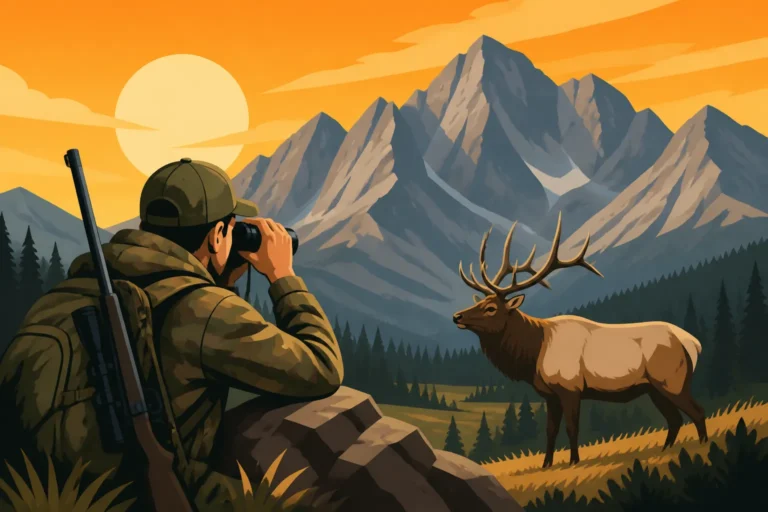
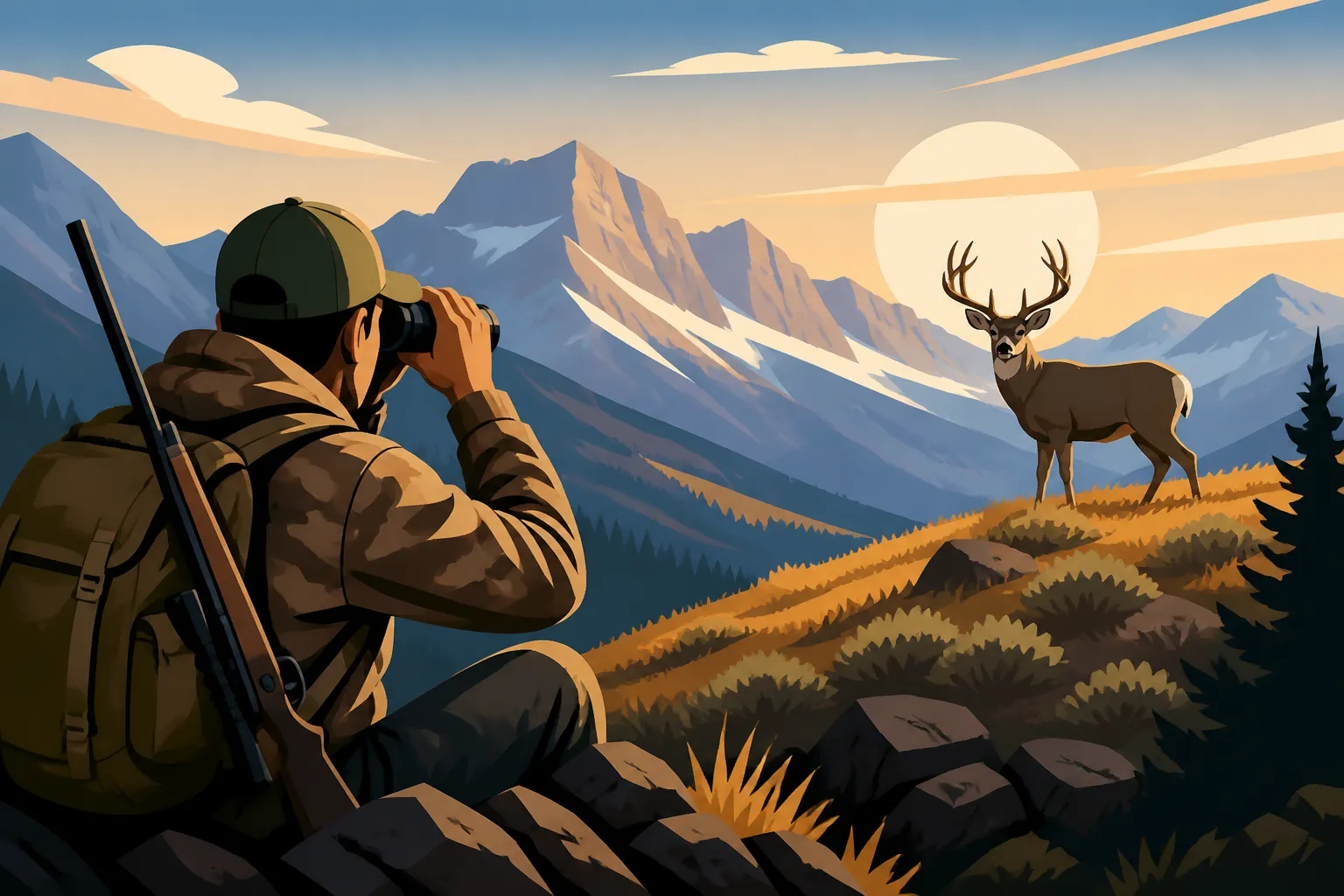
Long-Range Glassing: This is where it all begins. Find a high vantage point, settle in, and meticulously glass every ridge, canyon, and timber patch. Don't be in a hurry. Many successful backcountry hunters spend more time glassing than walking. Use your binoculars to scan wide, then use your spotting scope to analyze specific areas, looking for the tell-tale horizontal line of a deer's back, a flick of an ear, or the glint of an antler. Patience here is key; often, a buck will reveal himself only after hours of waiting.
Planning the Stalk: Once you spot a buck, the real challenge begins. Analyze the terrain between you and the deer. Look for natural cover, ravines, timber, or rock formations that can shield your approach. Crucially, assess the wind direction and thermals. The wind is constantly shifting in the mountains, and an undetected scent cone will ruin your hunt faster than anything else. Plan your route to stay downwind or crosswind of the deer. Also, consider the angle of the sun and any potential shadows you might cast. Avoid moving directly into the sun if it blinds you, or making yourself visible on a skyline.
Executing the Stalk: Move slowly and deliberately. Every step should be intentional. Use the terrain to your advantage, keeping low and out of sight. If the deer is bedded, pay close attention to its posture; if its head is up and ears are swiveling, it's alert. Wait for it to settle down before moving. Anticipate where the deer might move if spooked and adjust your approach accordingly. Sometimes, a long, circuitous route is necessary to stay concealed and keep the wind in your favor. This method of closing the distance and taking a shot is thoroughly covered in our detailed guide on Montana Mule Deer Hunting: Spot-and-Stalk Tactics.
Utilizing Wind and Thermals
Understanding and using wind and thermals is perhaps the most critical skill for a backcountry hunter. Animals rely on their nose, and a single whiff of human scent will send them scattering.
Wind Direction: The prevailing wind is your first concern. Always try to approach from downwind. Carry a wind checker (a small squeeze bottle of powder) and use it constantly to monitor shifts.
Thermals: In mountain terrain, thermals are a predictable phenomenon. As the sun rises and heats the earth, warm air rises, carrying scent uphill (upslope thermals). As the sun sets and the air cools, heavy cold air sinks, carrying scent downhill (downslope thermals). This typically means:
- Morning: Hunt below the deer, using rising thermals to carry your scent away and upward.
- Evening: Hunt above the deer, using falling thermals to carry your scent away and downward.
However, always be aware of micro-thermals in specific drainages or shaded areas that can deviate from the general pattern. Knowing how to use thermals for effective hunting is expanded upon in our article on How to Use Thermals in Montana Elk Country.
Still-Hunting and Ambush Tactics
While spot-and-stalk is primary, still-hunting through timbered slopes or setting up ambushes near key travel corridors can also be effective in the backcountry.
Still-Hunting Timber: When deer are bedded deep in the timber, or during inclement weather when visibility is poor, still-hunting becomes vital. This involves moving incredibly slowly, pausing often (every few steps) to scan and listen. Focus on small movements, shapes, and colors that don't belong. Move into the wind so your scent is carried behind you, and try to use soft ground or fresh snow to muffle your footsteps. Think like a predator, using terrain and cover to your advantage. This technique is detailed further in How to Still-Hunt Montana Timber.
Ambush Points: Identify pinch points, saddles, or benches that deer consistently use to travel between bedding and feeding areas. These can be excellent ambush locations, especially during the rut when bucks are actively seeking does. Get into position well before daylight or late in the afternoon, position yourself to have the wind in your favor, and wait patiently. Sometimes, finding a hidden water source or a favored wallow can also provide a strategic ambush location.
Field Care and Packing Out Your Mule Deer
Harvesting a mule deer in the backcountry is only half the battle. The real work begins after the shot, and doing it right is crucial for preserving the meat and ensuring a successful pack out.
Proper Field Dressing and Cooling
Once your deer is down, the clock starts ticking, especially if temperatures are mild. The goal is to cool the meat as quickly and thoroughly as possible.
Gutting and Skinning: Field dress the animal immediately to remove the internal organs and allow the body cavity to cool. If permitted in your hunting district (always check regulations), consider quartering the animal bone-in or boneless, depending on your packing strategy and how far you need to go. Skinning the deer helps tremendously with cooling, as the hide acts as an insulator. Hang the quarters if possible, even for a short time, to promote airflow.
Game Bags: Use breathable game bags (synthetic ones are often lighter and more durable than traditional cloth) to protect the meat from flies, dirt, and debris. Never use plastic bags, as they trap heat and promote bacterial growth. Ensure that blood is allowed to drain freely.
Cooling Strategies: If you’re a few days from a cooler, finding natural refrigeration is key. In early season hunts, this might mean finding a snowdrift or a cold, shaded area in a creek bottom. In colder weather, hanging meat in the shade, allowing cold air to circulate, is usually sufficient. Remember to hang quarters high enough to be out of reach of scavengers. Keeping elk meat cool in Montana's early season offers great principles that apply to mule deer as well.
Packing Out the Meat
Packing out a mule deer from the backcountry is a physically demanding task that often requires multiple trips or a carefully managed single-trip strategy.
Load Planning: Even a medium-sized mule deer can weigh 150-200 pounds dressed, resulting in significant meat weight. Divide the load into manageable sections. Typically, you'll have four quarters, two backstraps, two tenderloins, neck meat, and potentially the skull and antlers. Many hunters prioritize getting the meat out quickly, sometimes making a second trip for the antlers and cape if needed. A good external frame pack or a pack with a load shelf is indispensable here.
Navigating Terrain with Weight: Moving over steep, uneven terrain with a heavy pack is slow and taxing. Take frequent breaks. Watch your footing carefully, especially on descents. Trekking poles are incredibly helpful for stability and distributing weight. If hunting with a partner, you can alternate carrying heavier loads. If you’re solo, be prepared for multiple grueling trips.
Safety Considerations: Fatigue, difficult terrain, and the onset of darkness are major safety concerns during pack-out. Always have a headlamp, extra water, and a communication device like a Garmin inReach. Let someone know your approximate location and expected return time. The process is similar to How to Pack Out an Elk in Montana, just on a slightly smaller scale. Always prioritize safety over speed when packing heavy loads in rugged country.
Disclaimer
Hunting is an inherently dangerous activity. The information provided in this guide is for informational purposes only and should not replace proper training, local regulations, or professional advice. Always prioritize safety, adhere to all Montana Fish, Wildlife & Parks regulations, and ensure you have the necessary licenses and permits. Respect private land, practice ethical hunting principles, and always be prepared for changing weather and unexpected emergencies in the backcountry.