Montana Guided Hunts for Families
Planning a family hunting trip to Montana can feel like an overwhelming task, especially when you're trying to balance everyone's expectations, skill levels, and the sheer logistics of an outdoor adventure in big country. It’s easy to get bogged down in the details of licenses, gear, and finding suitable terrain. This guide is here to walk you through how a guided hunt can be the perfect solution for creating memorable, stress-free, and educational family hunting experiences in Big Sky Country.
Why a Guided Family Hunt in Montana Makes Sense
Let's be real, organizing a multi-person outdoor adventure, especially one involving hunting, is a lot. You're not just packing lunches; you're coordinating schedules, licenses, gear, travel, and trying to keep spirits high, all while navigating unfamiliar terrain. For families, these challenges are often magnified, particularly when you have a range of ages and experience levels in the group. This is where a guided hunt really shines, taking a massive load off your shoulders and allowing you to focus on what truly matters: spending quality time together in nature.
Addressing Diverse Skill Levels
One of the biggest hurdles for family hunting trips is accommodating everyone's experience. You might have an experienced parent, a teenager who’s been to hunter safety but has never pulled the trigger on big game, and a younger child just excited to be in the woods. A do-it-yourself trip would mean constantly splitting focus, trying to teach, guide, and hunt all at once. It’s exhausting, and often, no one gets the full experience they hoped for.
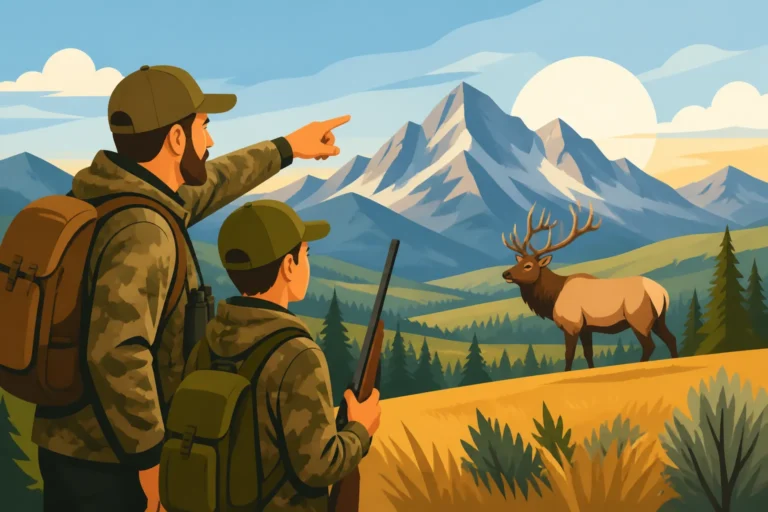
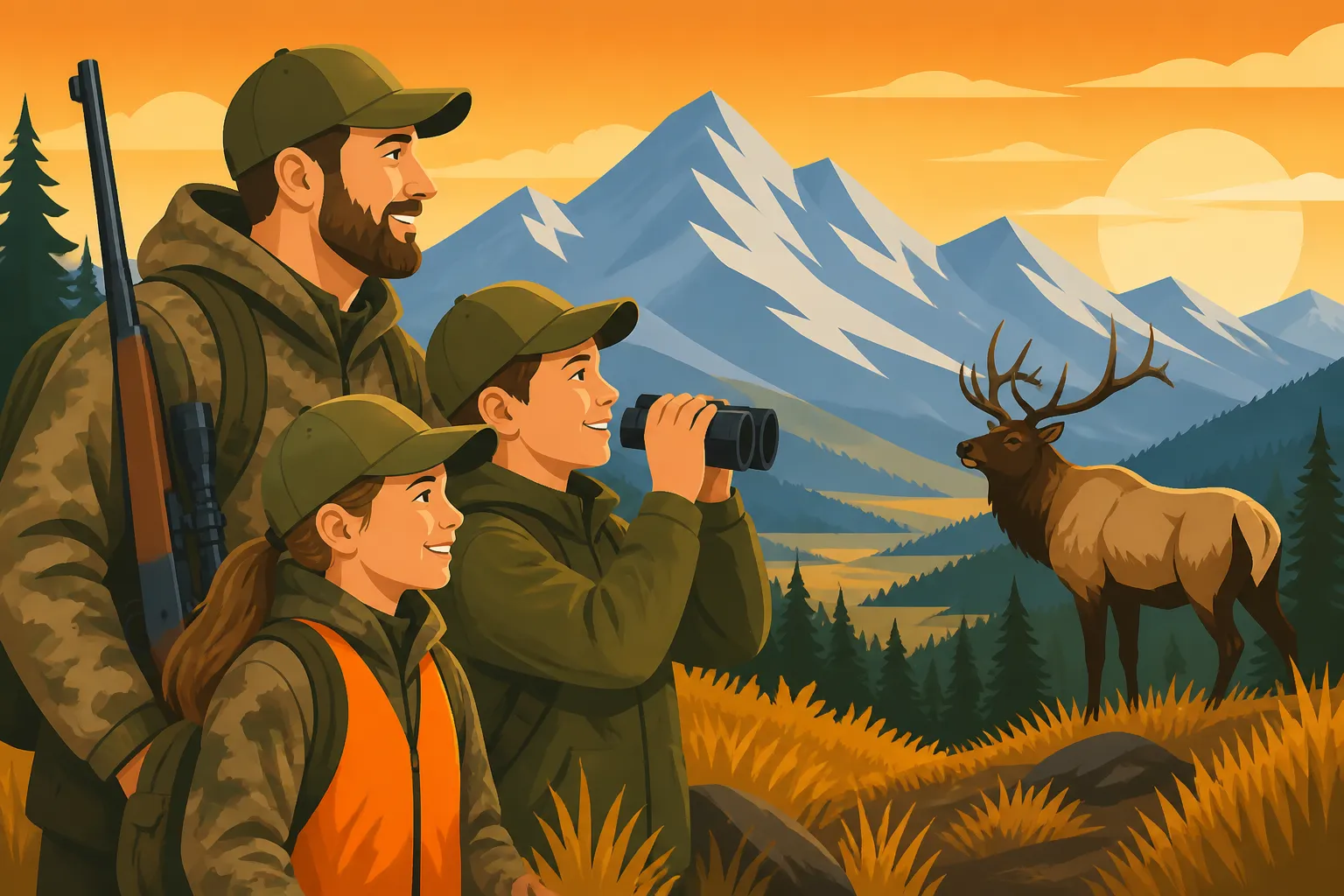
With a guided hunt, you have professional assistance dedicated to each family member. Guides are experts at tailoring the experience. They can walk alongside your beginner hunter, patiently explaining tracking signs, shot placement, and ethical considerations, while another guide might focus on assisting a more seasoned hunter in the group. This ensures that everyone feels supported, learns at their own pace, and has a genuine chance at success, whatever that means for them. Perhaps for the youngest, success is simply spotting a deer or learning to glass the mountains, while for an older sibling, it's about making their first ethical harvest. The beauty is that the outfitter can facilitate all these varied aspirations.
Minimizing Logistics and Stress for Parents
As a parent, you often feel like the CEO of every family vacation. Planning a hunting trip to a place like Montana adds layers of complexity that can quickly become overwhelming. From understanding the nuances of Montana Hunting Seasons Explained to figuring out game retrieval in rugged terrain, there's a lot to manage. The sheer mental load can detract from your own enjoyment of the hunt.
A guided family hunt dramatically reduces this stress. Outfitters handle the bulk of the logistics: they know the hunting districts, have access to prime areas (sometimes even private land), possess the necessary permits, and manage transportation in the field. They provide the essential equipment like optics, and often even handle the less glamorous but crucial tasks like field dressing and packing out game. Imagine not having to worry about where to camp, what to cook, or how to quarter an elk miles deep in the backcountry. This frees you up to fully immerse yourself in the experience with your family, genuinely relaxing and bonding without the constant pressure of being the chief organizer. It’s about being present, not preoccupied.
Safety and Expert Instruction
Montana’s wilderness is stunning, but it's also wild. Steep terrain, unpredictable weather, and encounters with wildlife (beyond just your quarry) are all part of the package. For families, especially those new to hunting or western terrain, safety is paramount. An experienced guide brings a wealth of knowledge that is simply invaluable. They understand the local weather patterns, know safe travel routes, are trained in first aid, and are proficient with firearms and archery equipment.
Beyond just physical safety, guides provide critical instruction. They teach responsible hunting practices, ethical shot placement, and how to track wounded game – lessons that instill a deep respect for the animal and the hunting tradition. For youth hunters, this mentorship is foundational. They learn directly from professionals who embody conservation and ethical conduct. This kind of hands-on education in a controlled, supportive environment can turn a hunting trip into a life-shaping experience, far beyond just pulling a trigger. You get peace of mind knowing your family is in capable hands, learning from the best.
Choosing the Right Outfitter for Your Family
Selecting the right outfitter is arguably the most critical step in planning a successful guided family hunt. Not all outfitters are created equal, and some specialize more in hardcore, trophy-focused hunts, while others excel at creating inclusive, family-friendly experiences. You want someone who understands the dynamics of hunting with different ages and skill levels, and who prioritizes the overall experience just as much as, if not more than, the harvest itself. It's about finding that perfect balance of adventure, education, and comfort.
Key Considerations for Family-Friendly Services
When you're sifting through potential outfitters, think beyond just their success rates for big bulls. For a family hunt, you need to dig deeper into their philosophy and services. Do they offer lodging options that are comfortable for families, such as cabins or wall tents with proper heating and amenities, rather than just spike camps? Are meals tailored to appeal to a broader palate, or are they strictly freeze-dried backpacking fare? These seemingly small details make a huge difference in keeping everyone happy and engaged, especially younger hunters who might not appreciate the "roughing it" aspect as much as a seasoned adult.
Consider their approach to daily schedules. A family hunt might benefit from shorter hunting days, incorporating breaks, or even offering alternative activities like fishing or wildlife photography for family members who might tire more easily or prefer a different pace. An outfitter who can adapt their schedule and offerings to suit your family’s needs, rather than sticking to a rigid plan, is a strong indicator of a family-friendly operation. Look for mentions of family rates, youth programs, or specific testimonials from other families.
Evaluating Experience with Youth and Beginners
This is where your detective hat comes on. Directly ask potential outfitters about their experience with youth and beginner hunters. An outfitter who frequently hosts families will often have specific programs or approaches designed to engage and educate younger participants. They might have guides who are particularly skilled at teaching, showing patience, and making the experience fun and approachable. They understand that a child's first hunt isn't just about harvesting an animal, but about fostering a love for the outdoors and the hunting tradition.
Inquire about their guide-to-hunter ratio. For a family with diverse skill levels, a higher guide-to-hunter ratio can be incredibly beneficial, ensuring that each family member receives personalized attention and instruction. You want to hear about how they handle things like safe firearm handling instruction, ethical shot placement for novice hunters, and how they manage expectations for success. A good outfitter will openly discuss these points, showing genuine enthusiasm for bringing new hunters into the fold. Reputable platforms like BookYourHunt or GoHunt often allow you to filter or read detailed reviews that might highlight an outfitter's family-friendliness or experience with youth.
Asking the Right Questions
Don't be shy about having a detailed conversation with any prospective outfitter. Prepare a list of questions specific to your family's needs. Beyond the obvious about species and dates, ask:
- What is your philosophy on hunting with children and beginners?
- Can you describe a typical day on a family hunt with you?
- What specific gear should we bring for all family members?
- How do you handle situations where a young hunter might get discouraged or tired?
- What kind of success rates do families typically experience (not just overall)?
- What is your guide-to-hunter ratio for family groups?
- Do you have references from other families you've guided?
Think about logistical questions as well, such as how Montana Hunter Education Requirement applies to your children, and what the specific Montana Youth Hunting License Rules entail. A transparent outfitter will provide clear answers and be happy to alleviate any concerns. They should be able to paint a vivid picture of what your family’s experience will be like.
Here's a quick comparison of factors to consider:
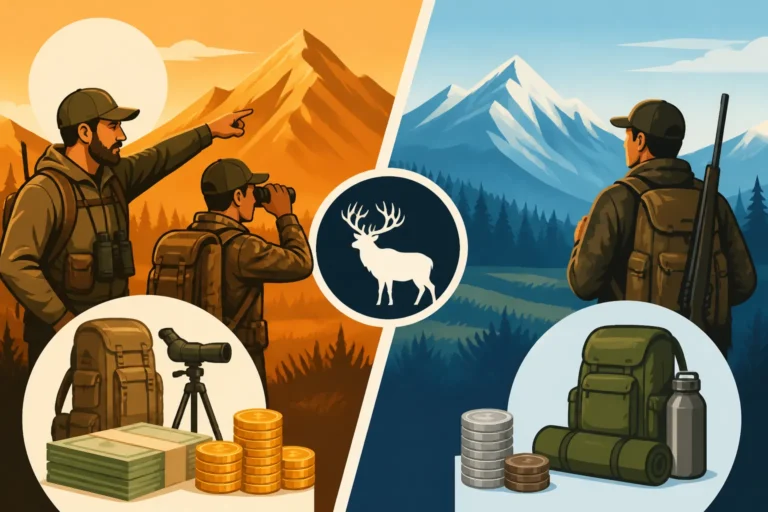
| Feature/Service | Trophy-Focused Outfitter (Less Family-Friendly) | Family-Focused Outfitter (More Family-Friendly) |
|---|---|---|
| Pace of Hunt | Aggressive, early mornings, late nights, long stalks | Flexible, moderate pace, incorporates breaks, less pressure |
| Lodging | Spike camps, wall tents (basic), utilitarian | Comfortable cabins, well-appointed wall tents, amenities |
| Meals | Practical, high-calorie, often freeze-dried | Diverse, home-cooked, caters to preferences, snacks |
| Guide Ratio | Often 1:2 or 1:3 | Often 1:1 or 1:2, more personalized attention |
| Focus | Maximizing harvest potential, specific animal size | Overall experience, education, enjoyment, ethical hunt |
| Age/Skill Adaptability | Limited, expects hunters to keep up | High, tailors instruction and activities to individual needs |
| Activities Beyond Hunt | Minimal | May offer fishing, wildlife viewing, camp activities |
| Expectations | High pressure for success, long hours | Focus on learning, bonding, making memories |
Types of Guided Hunts Suitable for Families
Montana offers a vast array of hunting opportunities, from majestic elk in rugged mountains to swift antelope on expansive plains. When planning a family hunt, it's crucial to consider the type of hunt that best aligns with your family's comfort levels, physical abilities, and what you hope to gain from the experience. Not every hunt is suitable for every family member, and an experienced outfitter can help you navigate these choices.
Day Hunts vs. Multi-Day Experiences
For families with very young children, or those new to hunting, a shorter day hunt might be the perfect entry point. These hunts typically involve heading out from a comfortable base each morning and returning in the evening. This allows for creature comforts, warm beds, and consistent meals, which can be invaluable for maintaining morale, especially with younger participants. Day hunts reduce the intensity and physical demands often associated with multi-day backcountry excursions, making the learning curve smoother and less intimidating. It allows everyone to test the waters without committing to a full week in a challenging environment.
However, if your family is more seasoned or looking for a deeper immersion, a multi-day guided hunt can provide an incredible bonding experience. Imagine waking up to a crisp Montana morning in a comfortable wall tent, sharing stories around a campfire, and truly disconnecting from the everyday grind. Outfitters specializing in multi-day hunts often have established base camps with cooks and amenities that blend rustic charm with essential comforts. These longer trips allow for more extensive learning, tracking, and the chance to adapt to animal patterns, increasing the odds of a successful harvest while fostering a profound appreciation for the wilderness. Think about whether your family thrives on daily comforts or yearns for a more sustained, immersive adventure.
Different Species for Varying Attention Spans
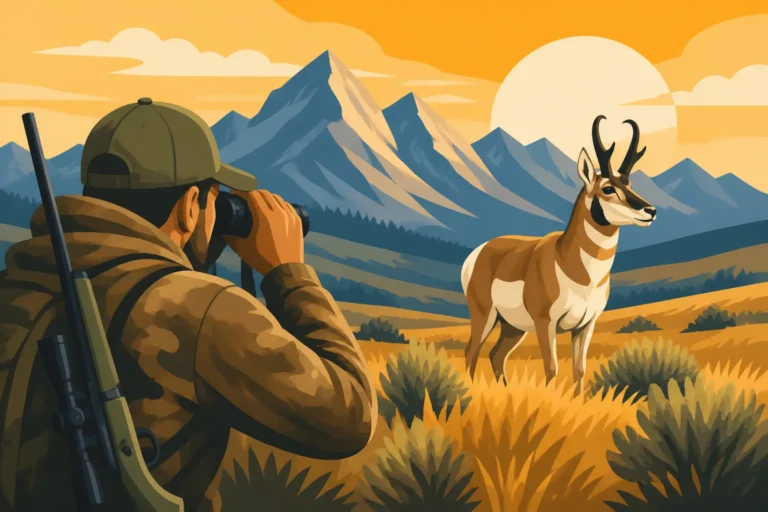
Choosing the right species for your family hunt is another critical decision, directly impacting the level of activity and attention required. For high-energy kids and those who might get bored sitting still for long periods, an active hunt for game like Montana Antelope Hunting Guide on the plains could be fantastic. Antelope hunting often involves more glassing and stalking, with exciting, fast-paced action when a stalk comes together. The open country also makes spotting game more frequent, which keeps engagement levels high.
Alternatively, if your family prefers a more patient, methodical approach or if you're targeting larger game, a Montana Elk Hunting Guide or Montana Mule Deer Hunting Guide might be more appropriate. Elk hunting, especially, can be physically demanding and require immense patience, often involving long hours of hiking and calling. However, the reward of seeing or hearing a bugling bull can be truly electrifying. For these hunts, an outfitter can adjust the pace, ensuring that younger hunters aren't pushed beyond their limits while still getting to experience the thrill of the chase. Consider the physical capabilities of everyone in your group when making this choice. Some outfits might even offer Montana Whitetail Deer Hunting Guide options in river bottom areas, which can be less physically demanding than mountain elk hunts.
Base Camp Comfort and Amenities
The quality and comfort of the base camp can make or break a family hunting trip. A guided hunt often means access to established camps that are far more comfortable than what you could set up on your own. For families, look for outfitters who pride themselves on clean, well-maintained facilities. This could mean sturdy canvas wall tents with wood-burning stoves for warmth, comfortable cots, and perhaps even dedicated cooking and dining tents. Some higher-end outfitters might even offer cabin lodging with private bathrooms and showers.
Beyond just the structures, consider the amenities. Are there hot showers available? What are the toilet facilities like? Is there a generator for charging devices (important for kids' entertainment or emergency communication)? How about a communal area where the family can relax, play games, or share stories in the evenings? The ability to retreat to a comfortable, dry, and warm space after a long day in the field, coupled with delicious, hot meals, significantly enhances the overall experience for everyone. These comforts can transform a potentially challenging hunting trip into a truly enjoyable family vacation where the hunting is just one part of the adventure. It's about finding an outfitter whose definition of "roughing it" aligns with your family's.
Planning Your Family's Montana Hunting Adventure
Once you've decided on a guided family hunt and perhaps even narrowed down a few potential outfitters, the real planning begins. This involves understanding the administrative side of hunting in Montana, getting everyone geared up, and mentally preparing for the experience. The more prepared you are, the smoother and more enjoyable the trip will be for every member of your family.
Understanding License and Draw Processes for Families
Navigating Montana's hunting license and draw process can feel like a labyrinth, especially for non-residents. The good news is that reputable outfitters are often incredibly knowledgeable about these requirements and can guide you through the process, but it's still crucial for you to understand the basics. Each family member, including youth, will need appropriate licenses and tags for the species you plan to hunt. You'll need to secure a base hunting license, conservation stamp, and possibly an AIS prevention pass before applying for specific big game tags.
Montana utilizes a preference point and bonus point system for certain limited-entry hunts, which can be complex. For a general elk or deer hunt, a combination license is often the path for non-residents. It's vital to research application deadlines carefully, as these can vary significantly. For instance, the main draw for combination licenses and many permits usually happens early in the year, long before hunting season begins. Your outfitter can often advise on specific Montana Hunting Districts Explained and which tags are generally easier to draw or recommend strategies for applying as a family. Websites like GoHunt offer extensive resources and tools to help understand draw odds and application strategies for various units. Don't forget to look into Montana Youth Hunting License Rules which can sometimes offer specific opportunities or requirements for younger hunters.
Packing Essentials for All Ages
Packing for a family hunt in Montana requires careful consideration for varying age groups and unpredictable mountain weather. You're not just packing for yourself; you're ensuring everyone from the youngest to the oldest is comfortable, safe, and appropriately dressed for conditions that can shift rapidly from warm sunshine to cold rain or even snow. Layering is key: start with moisture-wicking base layers, add insulating mid-layers like fleece or puffy jackets, and top with waterproof and windproof outer shells. Make sure everyone has quality hunting boots that are waterproof and broken-in to prevent blisters.
Beyond clothing, think about individual needs. For kids, this might mean a favorite book or small game for downtime, comfortable camp shoes, and perhaps a small, lightweight backpack of their own to carry snacks and water. Don't forget essential items like headlamps or flashlights for everyone, a good first-aid kit (though your guide will have one, personal items like blister treatment are handy), sunscreen, lip balm, and insect repellent. Binoculars or a spotting scope for each older family member will enhance their experience of observing wildlife. Your outfitter will provide a detailed packing list, but it's important to review it with a family lens, ensuring all ages are covered.
Pre-Hunt Preparation and Expectations
Physical and mental preparation are crucial for any Montana hunt, and even more so when involving a family. While a guided hunt reduces physical exertion compared to a DIY backcountry trip, some level of fitness will always enhance the experience. Encourage family members, especially kids, to get outside and hike regularly in the months leading up to the hunt. Even short walks on uneven terrain will help prepare their bodies for walking in hunting boots.
Mentally, it’s important to set realistic expectations for everyone. Talk openly about the goals of the trip. Is it primarily about spending time together? Learning about conservation? The thrill of the chase? The actual harvest of an animal is never guaranteed, and emphasizing the entire experience – the camaraderie, the stunning landscapes, the wildlife encounters – will prevent disappointment. Discuss ethical hunting practices, shot placement, and what happens after an animal is harvested. For young hunters, especially, this preparatory talk can solidify their understanding and appreciation for the gravity of hunting. An outfitter like those listed on BookYourHunt will often have resources or suggestions for pre-hunt prep. This upfront conversation ensures that everyone is on the same page and ready to embrace the adventure, whatever it may bring.
Making the Most of the Experience Beyond the Harvest
While the thrill of the hunt and the potential for a harvest are undoubtedly a huge part of any Montana hunting trip, for families, the true value often lies in the experiences shared and the lessons learned far beyond pulling a trigger. A guided family hunt offers a unique classroom, where the mountains and plains become living textbooks, fostering growth, appreciation, and unforgettable bonds.
Educational Opportunities in the Field
The Montana wilderness is a treasure trove of learning opportunities, and a skilled guide can unlock these for your family in ways you simply couldn't on your own. Imagine your guide pointing out fresh elk tracks, explaining the difference between a cow and a bull track, or showing you how to identify various plant species that elk browse on. They can teach your children about local ecosystems, predator-prey relationships, and the importance of habitat conservation. This kind of immersive, hands-on learning makes biology and ecology come alive far more vividly than any textbook ever could.
Guides are also masters of observation. They can teach your family how to glass distant hillsides for game, how to move quietly through timber, or how to use the wind to your advantage – skills that are not only crucial for hunting but also deeply connect you to the natural world. They’ll explain why certain animals prefer specific Montana Elk Habitat and Elevation or how Montana Pronghorn Behavior and Biology dictate their movements. This rich educational aspect transforms the hunt from a singular event into a broader appreciation for wildlife and the land, fostering a lifelong ethic of conservation in your children.
Building Lasting Memories
Hunting with family in a place as majestic as Montana creates a unique kind of bond and a vault full of stories. These are the moments that truly define the experience – the shared laughter around a campfire, the quiet awe of watching a sunrise over a snow-capped peak, the collective adrenaline rush of a close encounter with a herd of deer, or the pride in a young hunter making an ethical shot. These memories are often more cherished than any trophy.
A guided hunt removes much of the logistical stress, allowing you as a parent to truly participate in these moments rather than constantly managing them. You're free to teach, share, and simply be with your family. These shared experiences, especially in a challenging and rewarding environment, strengthen familial ties and create a common narrative that will be recounted for years to come. Whether it's the thrill of a successful stalk or the resilience learned from a long, cold day without a harvest, these are the threads that weave together a family's history in the outdoors. It's about taking the time to truly connect with each other and the wilderness, leaving the daily distractions behind.
Respecting Wildlife and the Land Conservation
At its core, ethical hunting is deeply intertwined with conservation. A good guide will embody and teach this principle throughout your family’s hunt. They will emphasize fair chase, responsible shot placement, and the proper handling of harvested game, including field dressing and packing out meat. This isn't just about rules; it's about instilling a profound respect for the animal and its role in the ecosystem. Your children will learn firsthand about sustainable wildlife management and the importance of hunters in funding conservation efforts.
Furthermore, guides teach respect for the land itself – leaving no trace, understanding wilderness etiquette, and appreciating the pristine beauty of Montana's public lands. They might explain about Montana Public Land Hunting Guide and the privilege of being able to access such vast, wild spaces. This practical education in environmental stewardship goes far beyond abstract concepts; it’s about experiencing the direct impact of human presence and learning to tread lightly. A family guided hunt can be a powerful lesson in being responsible stewards of our natural resources, ensuring that these incredible landscapes and the wildlife within them thrive for future generations.
Disclaimer
This article is for general informational purposes only and does not constitute professional advice. Laws, prices and regulations vary by location and change over time. Consult a qualified professional for guidance on your specific situation.