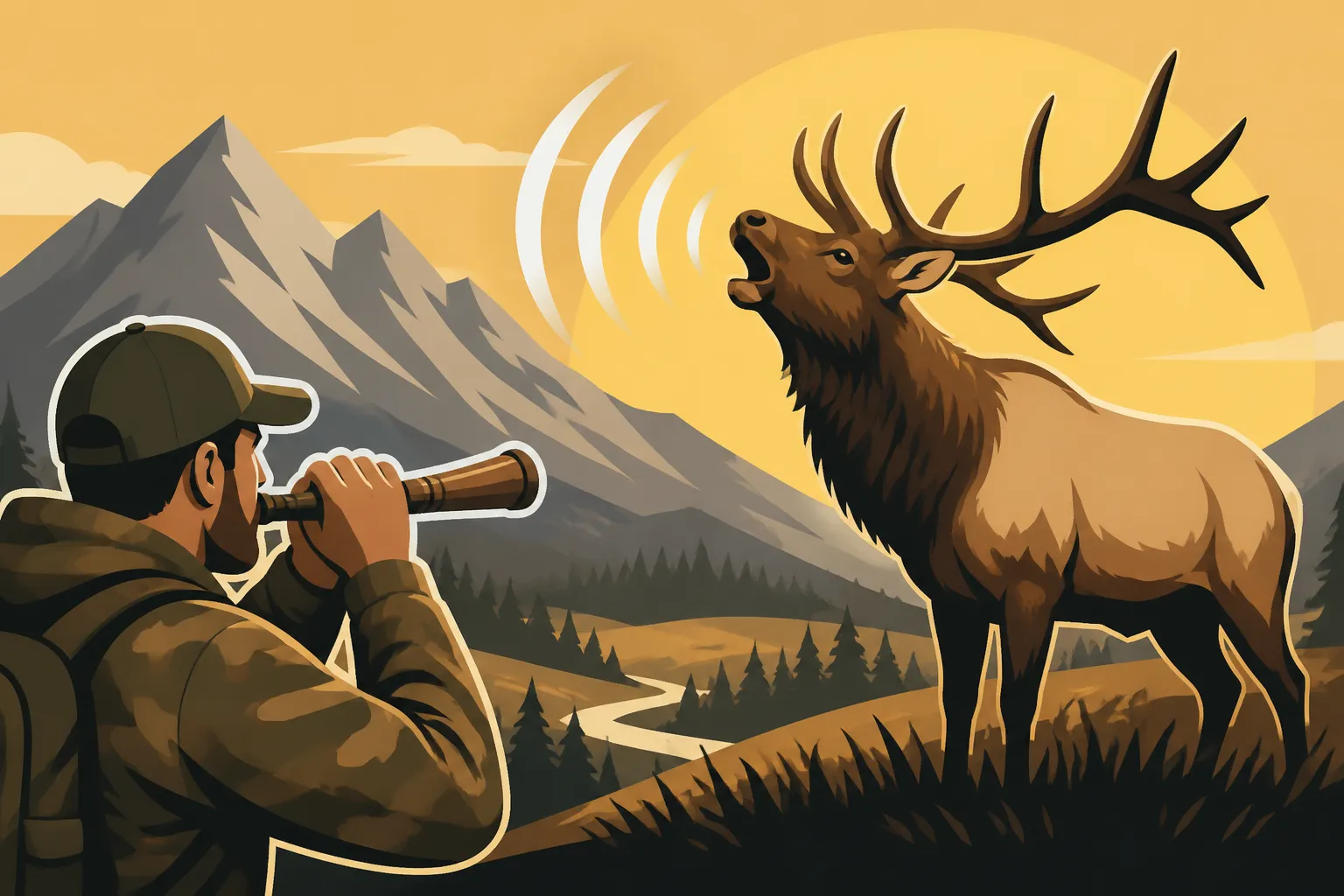
Montana Elk Calling Sounds Explained
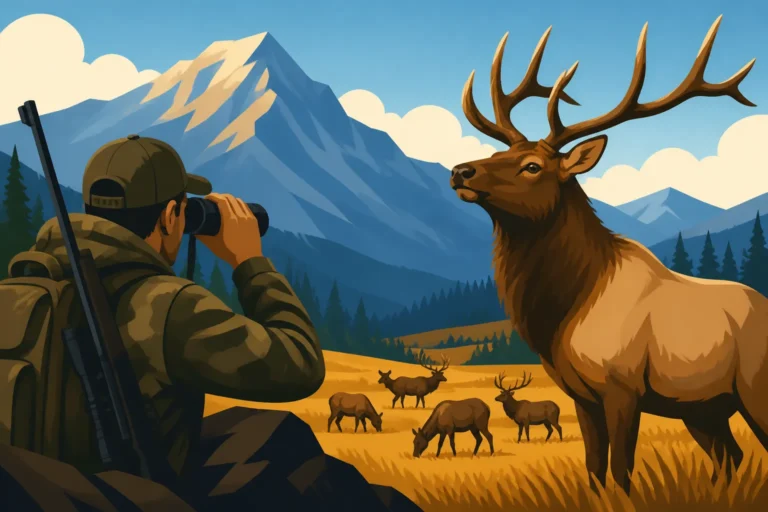
If you've ever stood in a vast Montana canyon, tried to let out a confident bugle, and only heard silence in return, you know the frustration. Or worse, you've tried calling and seemingly sent every elk running for the next county. Understanding the complex language of elk is arguably one of the most challenging, yet rewarding, aspects of hunting in Big Sky Country. This comprehensive guide is designed to demystify the various elk calling sounds, explain when and why to use them, and help you transform from a tentative novice into a more effective communicator in the elk woods.
Decoding the Basic Elk Vocabulary
Elk communicate through a rich symphony of sounds, each with a specific meaning that can vary slightly depending on the context, the individual elk, and even the time of year. Don't be overwhelmed; mastering a few key calls can dramatically improve your success. It’s not about making perfect sounds, but making believable ones.
Cow and Calf Calls: The Universal Language
These are arguably the most important calls in your arsenal, especially when you're just learning How to Call Elk in Montana. Cows and calves are almost constantly vocal, and their sounds convey a range of emotions and intentions, from contentment to alarm.
The most common cow call is the mew. It's a soft, nasal "meeew" sound that can be short or drawn out. A short, quiet mew often signifies contentment or a simple "here I am." Think of a cow subtly telling her calf where she is, or a cow reaching out to other cows in the herd. A longer, slightly louder mew can be a contact call, used when elk are separated and trying to regroup. These calls are incredibly versatile and can be used throughout the season, from early archery hunts to late rifle seasons. They rarely spook elk if used appropriately; in fact, they often pique curiosity.
Then there are chirps and whines. Chirps are very short, high-pitched "chips" or "squeaks" often associated with calves or young cows. They indicate a low level of anxiety or just general communication within a herd. Whines are more drawn-out, higher-pitched sounds that often signify a cow in estrus. This is a sound that can absolutely drive a bull wild during the rut, indicating she's ready to breed. Learning How to Cow Call Montana Elk effectively means understanding these nuances.
Calf calls are essential too. A distressed calf call – a series of short, frantic mews and whines – can sometimes bring in curious cows (and even bulls looking for an easy meal or a receptive cow). However, use distressed calf calls sparingly and with caution, as they can also put elk on high alert.
Bugles: The Language of Bulls
The bull elk's bugle is the iconic sound of the elk woods, a truly awe-inspiring vocalization that echoes through the mountains. But a bugle isn't just one sound; it's a complex vocal display that communicates dominance, location, and a bull's general mood. If you want to dive deep, check out How to Bugle for Montana Elk.
A typical challenge bugle starts with a low growl, escalates into a high-pitched whistle, and often ends with a series of guttural "chuckles" or "grunts." This is an aggressive call, meant to assert dominance and challenge other bulls. It says, "I'm here, and this is my territory (and my cows!)." During the peak of the rut, this is the call that can ignite a territorial dispute and bring a bull charging in.
Location bugles, also known as contact bugles, are usually less aggressive. They might be a single whistle, or a whistle followed by a couple of grunts, without the drawn-out challenge or heavy chuckling. These are often used by bulls trying to locate other elk, whether cows or competing bulls. You'll hear these more frequently early in the season or when bulls are cruising for cows. Learning How to Bugle-Locate a Montana Bull Elk is a critical skill for any elk hunter.
Finally, there are grunts and chuckles without the whistle. These are close-range communication sounds. Grunts indicate a bull is moving, herding cows, or actively breeding. Chuckles often follow a bugle, but can also be used alone as a sign of agitation or a more subtle challenge at close quarters. They are usually reserved for when a bull is hot on the trail of a cow or sizing up another bull.
When to Use Each Call: Situational Strategies
Knowing what sounds to make is only half the battle; knowing when to make them is where true mastery comes into play. Elk behavior changes throughout the season, and your calling strategy needs to adapt accordingly. This is a huge part of Montana Elk Hunting: Calling Tactics.
Early Season and Locating Calls
Early archery season in Montana, typically in September, often finds bulls still in bachelor groups or just starting to break up and seek cows. The rut hasn't fully kicked in yet, so aggressive bugling can be counterproductive.
During this period, your primary goal is often to locate elk and then close the distance quietly. This means relying heavily on subtle cow and calf calls. A few soft mews can help you determine if elk are in an area without putting them on high alert. Try to mimic the sounds of a contented herd, moving slowly and stopping to call every 10-15 minutes. If you get a response, pay close attention to the direction, volume, and type of call. A responsive cow indicates elk are nearby, and a bull might be traveling with them.
For locating bulls, a soft, questioning bugle (a simple whistle, perhaps with one or two grunts) can work wonders. This isn't a challenge; it's more of a "Is anyone out there?" call. Bulls are often less vocal in the early season, so you might need to cover a lot of ground and call frequently, especially at first light and last light, or in areas with good thermal currents that carry sound. You can also try a "hoot" bugle – essentially a high-pitched, drawn-out whistle that doesn't include the growls or chuckles, simply announcing your presence in a non-threatening way. Using digital mapping tools like GoHunt can help identify potential bedding and feeding areas where these early-season calls might be most effective.
The Rut and Aggressive Calling
Ah, the rut! This is what most hunters dream of when they think of Montana elk hunting. Typically from late September through mid-October, this is when bulls are most vocal and vulnerable. This is prime time for How to Hunt the Rut in Montana.
During the peak rut, bulls are actively seeking cows and defending their harems. This is when aggressive bugling comes into its own. If you hear a bull bugle, you can often respond with a challenge bugle of your own. The key is to gauge the bull's intensity. If he responds with a raging, chuckling bugle, he's likely ready to come in and fight. You need to sound like another bull infringing on his territory.
Estrus cow calls and whines are also incredibly effective during this period. A hot cow call can be irresistible to a bull. Mix in mews, chirps, and whines to simulate a group of cows, especially if you're trying to coax a bull away from his harem. The dynamic of calling during the rut often involves a "caller-shooter" setup, where one hunter calls from behind, imitating a bull trying to steal cows, while the shooter sets up 50-100 yards ahead, ready for the bull to come investigate. Knowing Montana Elk Behavior During the Rut is crucial for timing these calls right.
Remember, during the rut, bulls are often exhausted and driven by instinct. They might ignore calls initially, especially if they're focused on a real cow, but persistence with a varied calling sequence can pay off.
Post-Rut and Late Season Tactics
Once the peak of the rut passes, usually by late October or early November, bull elk behavior shifts dramatically. They are often worn out, have lost significant body mass, and become much more cautious. The cows are no longer in estrus, making estrus calls far less effective.
In the post-rut, bulls often separate from the cow herds and retreat to thicker cover to recover. Aggressive bugling is usually a bad idea; it will likely send tired bulls running. Your best bet is to revert to subtle cow and calf calls. A lone cow mew or a series of quiet contact mews can appeal to a bull looking for companionship or simply curious about other elk. Think about simulating a small, broken-up herd or a lone cow searching for others.
During the late season, especially as winter approaches and snow begins to fall, elk are focused on feeding and conserving energy. They are often grouped in larger herds. Again, soft cow and calf calls are your most reliable bet. You might also try a very soft, submissive bull grunt – just enough to sound like a non-threatening presence, perhaps a young bull moving through. Locating elk in the late season often means finding their preferred feeding areas and then using quiet calling to bring them a little closer. This often involves careful still-hunting and setting up on likely travel corridors. If you are struggling to find vocal elk, consider trying How to Call in a Silent Montana Bull.
Mastering Your Elk Calling Technique
Making the sounds is one thing; making them believably is another. Elk have incredible hearing and a finely tuned sense of what sounds natural and what doesn't.
The Art of Realistic Delivery
Realism is king. When you call, think about the context. Is the elk agitated? Content? Searching? Your calls should reflect that emotion and situation.
Varying Volume and Pitch: Elk don't always call at the same volume or pitch. Practice varying your calls – sometimes loud, sometimes soft. When you’re trying to locate a bull across a valley, a loud, drawn-out bugle is appropriate. But when he's closing in, your calls need to get softer and more intimate, mimicking a bull or cow nearby. The same goes for cow calls; a quiet mew for a close-range situation, a louder, more urgent one if you're trying to pull a bull from a distance.
Broken Sequences and Pauses: Elk don't usually let out a perfect five-second bugle and then go silent. They might bugle, then listen, then let out a few chuckles, then grunt as they move. Incorporate pauses into your calling sequences. Call, listen intently for a response, and then adjust your next call based on what you hear. Silence can be a powerful tool; sometimes, a lack of sound from you will make an elk curious enough to investigate. When considering a longer hunt, resources like GoHunt can provide detailed topographical maps and satellite imagery to help you understand how sound will carry in different terrain, informing your calling volume and frequency.
Adding Movement and Background Noise: If you're calling a bull in, consider subtly raking a tree with a stick or rubbing it with your bugle tube. This simulates a bull rubbing his antlers and can add a layer of realism that makes your calls more convincing. When hunting with a partner, one person can rake a tree while the other calls, creating the illusion of a bigger, more active animal.
Reading Elk Behavior and Responding
Elk are constantly communicating through their body language and vocalizations. Being able to "read" their responses is paramount to effective calling.
If a bull bugles back immediately and strongly, he's likely interested and might be coming in fast. If he's just giving soft, distant replies, he might be with cows and less willing to leave them, or simply testing the waters. When a bull "hangs up" – meaning he stops responding or stays at a certain distance – it could be that he doesn't believe your calls, or he's waiting for you to close the distance. This is where subtle tactics, like softer cow calls or moving slightly to simulate a "moving away" elk, can entice him.
Pay attention to how other elk in the area respond too. If cows are chirping nervously, you might be over-calling or sounding too aggressive. If they're moving towards your calls, you're doing something right. Always keep an eye on the wind, as elk have an incredible sense of smell. No matter how good your calling, if a bull gets your wind, he's gone. Understanding How to Use Thermals in Montana Elk Country is vital for positioning yourself correctly relative to the wind and the elk.
Common Calling Mistakes to Avoid
Even seasoned hunters make mistakes, and when it comes to elk calling, a few common errors can quickly turn a promising encounter into a bust.
Overcalling and Undercalling
This is a classic dilemma. When you're excited, it's easy to want to constantly make noise, but overcalling can absolutely ruin a hunt. If you're blasting calls every minute, it sounds unnatural. Elk are smart; they know how often real elk vocalize. Overcalling can make you sound like an anomaly, or even aggressive when you don't intend to be. It can also educate elk to the point where they simply shut down or leave the area. The "less is more" approach often holds true, especially when elk are close or in high-pressure areas.
On the flip side, undercalling can mean missed opportunities. If you call once and then wait 20 minutes before trying again, you might miss a passing bull or a bull that was initially curious but decided you weren't worth the effort. There's a balance. The general rule of thumb is to call, listen, and then assess. If you hear nothing, wait a few minutes, move slightly, and try a different call or volume. If you get a response, tailor your next call to that response. This is particularly important when trying to Set Up on a Bugling Elk in Montana.
Ignoring the Wind and Terrain
It doesn't matter how perfect your bugle or how seductive your cow call; if the wind carries your scent to an elk, your hunt is over. Elk rely heavily on their sense of smell for survival. Always position yourself so that the wind is in your favor, blowing from the elk towards you. This often means moving slowly and deliberately, checking wind direction frequently with a puff bottle or by tossing some dry grass into the air.
Terrain plays a huge role in how sound travels. Calling in thick timber will produce a very different result than calling across an open canyon. Sound dissipates rapidly in dense forests, so you'll need to call more frequently and perhaps louder to get attention. In open country, sound carries much farther, meaning you might need to be more subtle to avoid spooking distant elk. Also, consider calling from a slight rise or ridge, allowing your sound to carry down into drainages and across valleys where elk might be bedded or feeding. Tools like GoHunt's mapping features are incredibly useful for identifying terrain features and planning your approach to account for wind and sound propagation.
Not Adapting Your Strategy
Elk hunting in Montana is rarely straightforward. What worked yesterday might not work today. What works for one bull might not work for another. One of the biggest mistakes hunters make is sticking to a rigid calling strategy. If a bull isn't responding to aggressive bugles, try backing off with some soft cow calls. If cow calls aren't working, try a submissive chuckle.
Be flexible and willing to experiment. Sometimes, doing absolutely nothing for 10 minutes after an initial call is the most effective strategy, allowing a bull's curiosity to get the better of him. Other times, a sustained, intense calling sequence is what's needed to push him over the edge. Observe, listen, and adapt. The mountains, the weather, and the elk themselves are constantly changing, and your approach to calling must evolve with them.
| Call Type | Primary Sound | Common Use | Best Time to Use | Notes |
|---|---|---|---|---|
| Cow Mew | "Meeew" (soft, nasal) | Contact, contentment, "I'm here" | All Season | Universal, least likely to spook. |
| Cow Whine/Estrus | High-pitched, drawn-out | Cow in heat, seeking a bull | Peak Rut | Irresistible to hot bulls. |
| Calf Chirp/Mew | "Chip" or short "mew" | Calf seeking mother, general communication | All Season | Can attract cows and sometimes curious bulls. |
| Distress Calf | Frantic mews and whines | Calf in trouble | Caution (all season) | Can attract predators, including bears and lions. |
| Bugle (Challenge) | Growl-whistle-chuckle | Assert dominance, challenge other bulls | Peak Rut | Can ignite aggressive responses, or push cautious bulls. |
| Bugle (Locating) | Single whistle, short grunt | Announce presence, locate other elk | Early Season, Post-Rut | Less aggressive, good for sounding out an area. |
| Chuckles/Gruts | Guttural sounds | Close-range aggression, herding, breeding | Peak Rut, Close Range | Use when bull is close or you want to sound active. |
This journey into the sounds of Montana elk is a never-ending learning process. Each hunt brings new lessons, new challenges, and new opportunities to connect with these magnificent animals. Good luck out there, and may your calls be true!
Disclaimer
Hunting is an inherently dangerous activity. This guide provides general information and should not replace proper training, safety precautions, or adherence to all local, state, and federal hunting regulations. Always prioritize safety, respect wildlife, and obtain the necessary licenses and permits before heading into the field. Conditions in Montana's wilderness can change rapidly; be prepared for all eventualities.