How to Call in a Silent Montana Bull
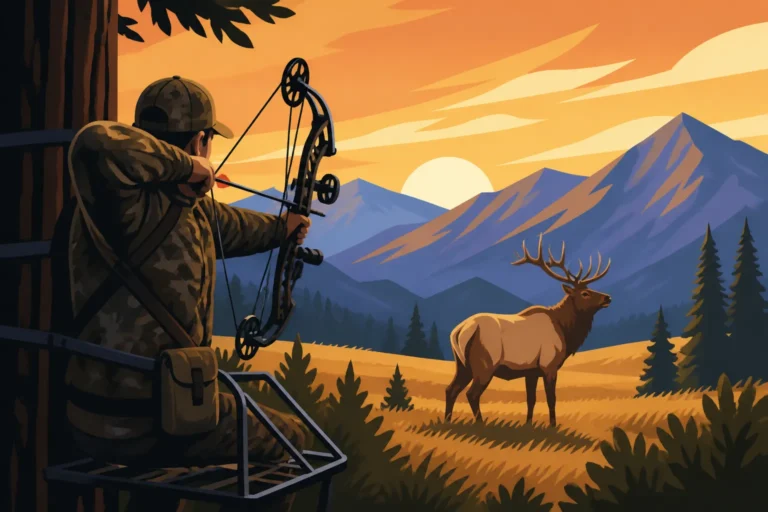
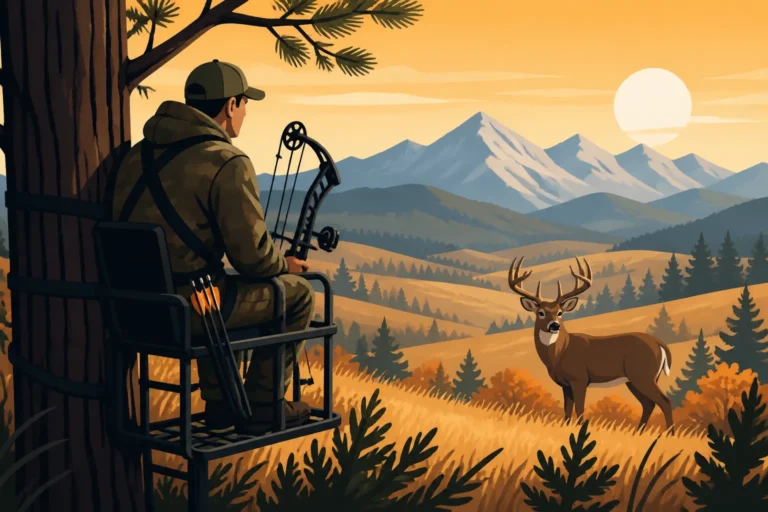
There are few things more frustrating in elk hunting than pouring your heart and soul into a bugle or a series of cow calls, only to be met with dead silence. You know there are elk in the area, maybe you even saw tracks or droppings, but the bulls simply aren't talking back. It leaves you wondering if your calls are terrible, if you're in the wrong spot, or if you should just pack it up. This guide is dedicated to turning those silent frustrations into tactical advantages, revealing how to effectively call in even the most tight-lipped Montana bull, proving that silence isn't always a refusal, but sometimes just a different language.
Understanding Why Bulls Go Silent
It’s easy to take a bull’s silence personally, to think they’re ignoring you or that your calling technique isn't up to snuff. But a bull's silence often has less to do with you and more to do with their instincts, the time of year, or the specific pressures they're facing. Understanding these reasons is the first step toward developing strategies that can still draw them in.
Pressure and Past Experiences
Think about it: Montana elk, especially on public land, face a lot of hunting pressure. From the early archery season right through the late general rifle season, they're constantly being pursued. A bull that has survived a few seasons has learned to associate certain sounds, even subtle ones, with danger. A loud, aggressive bugle might attract a young, naive bull, but an older, wiser bull might simply shut down, circle downwind, and try to pinpoint the source of the sound without giving away his own position.
It’s not just hunter pressure, either. Constant predator pressure from wolves and mountain lions teaches elk to be cautious. A bull that's heard a coyote yipping might be wary of any similar sounds, or he might move silently to investigate, ready to bolt at the first sign of trouble. This learned caution means that while calling is a vital tool, it needs to be adapted to the intelligence and wariness of the elk you're pursuing. Sometimes, less is more, and the timing of those subtle calls becomes paramount.
Timing and Behavioral Phases
A bull's vocalizations are deeply tied to the specific phase of the rut he's in. During the peak of the rut, say early to mid-September for much of Montana, bulls are often incredibly vocal, bugling to challenge rivals and attract cows. This is when aggressive calling can work wonders. However, outside of this narrow window, their vocal tendencies change dramatically.
Consider the early archery season, before the cows are really coming into estrus. Bulls might be in bachelor groups, more interested in feeding and growing their antlers than fighting. A bugle at this time might just make them move off. Similarly, after the peak of the rut, when cows are bred and dispersed, bulls can become incredibly quiet, exhausted from weeks of fighting and breeding. They might be trying to recover in thick timber, moving silently to feed or to avoid pressure. In these "post-rut" scenarios or early-season periods, traditional, aggressive calling can be counterproductive, pushing them further into their silent sanctuaries. Knowing the local Montana elk season dates can give you a crucial edge in predicting their vocal behavior.
Reading the Landscape Where Silent Bulls Hide
A silent bull isn't invisible; he's just using the terrain to his advantage. Learning to "read" the landscape for where these cautious animals might be bedded or moving is key to setting up your calling sequences effectively. You need to think like a silent bull, understanding where he feels safe and where he might be willing to break his silence, even subtly.
Dark Timber and North-Facing Slopes
Montana is famous for its vast expanses of dark timber – thick, dense conifer stands that offer incredible cover from both the elements and prying eyes. Bulls, especially those wary ones, love to bed in these areas. The shade keeps them cool, the dense canopy protects them from wind and snow, and the visibility is often poor, giving them a sense of security. North-facing slopes often hold these dark timber pockets, as they retain moisture longer and grow denser, cooler vegetation.
When you're dealing with silent bulls, these dark timber pockets become prime targets. They might not bugle back, but they're in there. Your strategy shifts from locating them with sound to locating their hideouts and then carefully approaching to use subtle calling or still-hunting tactics. Learning How to Find Elk in Montana Dark Timber is a crucial skill. You’re essentially bringing the call to them, rather than waiting for them to announce their presence. Think about thermal changes here too; elk often move higher in the mornings and lower in the evenings, utilizing the cooler air in the timber during the day.
Water Sources and Natural Travel Corridors
Even silent bulls need to drink, and they will use predictable travel corridors to get to water, feed, or move between bedding areas. These corridors are often natural funnels: saddles between ridges, benches on steep hillsides, or draws filled with cover. Identifying these pinch points on a map, perhaps using a tool like GoHunt's map layers, can give you a strong advantage.
Water sources, especially during drier periods, act as magnets. A secluded spring or a small creek in a thick draw might be the only place a bull feels safe enough to venture out for a drink. These areas present perfect ambush points for a patient hunter. Instead of trying to get a vocal response, you’re anticipating their movements. Your calling in these spots might be minimal – a soft cow chirp or a single, subtle mews – just enough to pique their curiosity as they pass through, without alarming them with aggressive sounds that signal a challenge.
Strategic Calling When and How to Break the Silence
Breaking the silence of a cautious bull requires finesse, patience, and a deep understanding of calling dynamics. It’s not about blasting a bugle at every ridge; it’s about strategically placing subtle sounds that mimic real elk behavior and create an irresistible illusion.
The Power of Soft and Subtle Calls
When dealing with a silent bull, your best tools are often the quietest. Forget the aggressive challenge bugles for a moment. Focus on soft cow mews, estrus whines, and soft social chirps. These sounds are non-threatening and mimic the everyday chatter of a herd, which can often be enough to draw in a curious, silent bull. He might not want to challenge another bull, but he's almost always interested in a receptive cow.
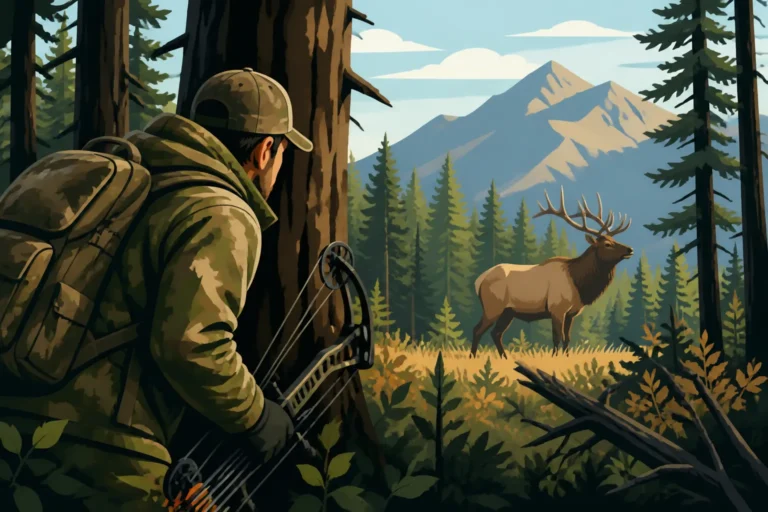
Imagine this scenario: you've identified a pocket of dark timber where you suspect a bull is bedded. Instead of a loud bugle, set up 100-200 yards away, slightly downwind. Start with a few very soft cow mews, perhaps a calf chirp or two. Wait. Give it 10-15 minutes of complete silence. Then, repeat. This simulates a small, unpressured group of cows moving through the timber. Sometimes, that subtle invitation is all it takes for a silent bull to stand up and slowly, quietly, investigate. Mastering How to Cow Call Montana Elk effectively is crucial here, as is learning Montana Elk Hunting: Calling Tactics.
Combining Calling with Movement and Setup
Calling alone might not be enough. With silent bulls, the setup and your movement (or lack thereof) are just as critical as the calls themselves. This is where the concept of "calling and moving" or "call and wait" becomes paramount. You're trying to paint a picture, not just make noise.
If you make a series of soft calls and get no immediate response, don't just sit there. Move stealthily. Slip through the timber, staying downwind, and set up again 50-100 yards closer, or around a bend that offers a new angle. This makes your calls sound like a moving animal, a much more realistic scenario. Always consider the wind and thermals. Elk, especially silent ones, will always try to get downwind of you to scent-check. Position yourself so that if a bull tries to circle, he either has to expose himself or come into your shooting lane first. This might mean having a calling partner set up 50-75 yards behind you to mimic a bull moving up to a cow, while you remain ready to shoot. For more advanced strategies, check out How to Set Up on a Bugling Elk in Montana – many of those principles apply even to silent bulls, just with toned-down calling.
The Art of the Follow-Up What to Do After the Call
Getting a silent bull to move or even acknowledge your call is only half the battle. The true art lies in the follow-up: reading his subtle cues, adjusting your strategy, and remaining patient until he commits.
Interpreting Subtle Responses and No Responses
A silent bull rarely screams back. His response might be a barely audible grunt, a subtle shift in the timber, or even just a sudden quietness in the woods, as if something just stopped moving. Sometimes, the only "response" is no response, which means you need to assume he heard you and is investigating.
If you make a soft series of cow calls and then hear a branch snap, or a quiet thump-thump that sounds like heavy hooves moving through leaves, that’s a response! Immediately go silent. Get ready. A bull that's coming in silently is often the most dangerous kind because he's trying to pinpoint you without giving himself away. He might pause just inside the timber, trying to catch your scent or see movement. If you've called, and then gone silent for 15-20 minutes with no visible elk, try another soft call, or even a soft rake of a tree with an antler (if you're a bull caller). Patience is your best friend when trying to call in a silent bull. Don't rush it.
Persistence and Changing Tactics
Don't give up after one or two calling sequences. Silent bulls require persistence. If your soft cow calls aren't working, or if you suspect the bull has moved on, it might be time to change tactics. Perhaps try a small, inquisitive bugle – a lost calf or a non-threatening spike vocalization – just to see if a different sound piques his interest. Sometimes, a very subtle, almost pleading estrus whine can be irresistible.
If you’ve invested time in an area with suspected silent bulls and haven't gotten anywhere with calling, consider shifting to a different hunting method. This might mean transitioning to How to Still-Hunt Montana Timber or a slow, methodical spot-and-stalk approach. Use your calls sparingly, perhaps just a soft mew to stop a moving animal, rather than to draw it in. Remember, the goal is the encounter, not just the vocal exchange. Sometimes, the most effective "calling" for a silent bull is simply being in the right place, moving like an elk, and only using a call when absolutely necessary to seal the deal. This is where understanding the broader Montana Elk Hunting Methods Explained comes into play.
Integrating Silent Bull Tactics into Your Overall Hunt
Calling in a silent bull isn't a standalone trick; it's a critical component of a larger, adaptable hunting strategy. It means constantly observing, adapting, and leveraging every piece of information and tool at your disposal, from e-scouting to understanding herd dynamics.
Leveraging E-Scouting and Local Knowledge
Before you even step foot in the woods, you can start preparing for silent bulls. Use platforms like GoHunt that provide detailed topographic maps, public/private land ownership layers, and historical hunt data. Look for areas with dense timber, north-facing slopes, and remote water sources – prime silent bull habitat. Pay attention to areas with good cover and difficult access, as these often hold older, wiser, and quieter bulls.
Talk to locals, check Montana Fish, Wildlife & Parks (FWP) reports, and research specific hunting districts. Some areas are known for having "call-shy" elk due to high pressure. Knowing this beforehand will inform your calling strategy, leaning you towards subtlety rather than aggression from the outset. This pre-season work, especially effective How to E-Scout Montana Hunting Units, can dramatically increase your odds of finding these elusive animals.
Patience and Adaptability in the Field
The biggest lesson for calling in silent bulls is patience. These animals didn't get old and big by being reckless. They are masters of evasion and caution. You might spend hours in a single spot making subtle calls, only to have a bull appear silently from the timber line, almost magically. Don't check your phone, don't fidget, and stay absolutely ready.
Adaptability is also key. If your chosen calling strategy isn't producing, don't be afraid to change it up. Maybe it's time for a different call, a different setup, or even to move to a completely new area that looks promising. Perhaps the thermals have shifted, and you need to relocate your setup to maintain your wind advantage. In the vastness of Montana's public land, understanding Montana Public Land Hunting Strategy and being willing to adjust your approach is what separates consistent success from frustration.
Here’s a quick overview of calling strategies for different silent bull scenarios:
| Scenario | Bull Behavior | Recommended Calling Strategy | Timing & Follow-Up |
|---|---|---|---|
| Early Season (Pre-Rut) | In bachelor groups, feeding, less vocal. | Soft social mews, contact calls. Light raking. | Long waits (20-30 min), slight movement, listen for subtle sounds. |
| Peak Rut (Call-Shy) | Wary of aggressive challenges, but responsive to cows. | Estrus whines, excited cow mews, satellite bull grunts. | Go silent immediately after calls. Expect circling. Look for movement. |
| Post-Rut (Burned Out) | Exhausted, seeking cover, focused on recovery. | Very soft, infrequent cow mews, calf chirps. | Maximize patience. Call every 30-45 min. Focus on ambush. |
| High Pressure Areas | Extremely cautious, will circle downwind. | Minimal, subtle cow calls. Silent approach, focus on wind. | Utilize a caller/shooter setup. Be ready for close encounters. |
| Thick Timber/Bedding Areas | Hidden, feeling secure, will only move for strong incentive. | Close-range, soft mews, raking. Attempt to pinpoint bed. | Very slow movement. Anticipate a short-range shot. |
Remember, the vastness and wildness of Montana hunting means that every hunt is a learning experience. Don't get discouraged by silence; instead, see it as an opportunity to hone your skills and become a more effective, adaptable hunter.
Disclaimer
The information provided in this guide is for informational purposes only and is not a substitute for official regulations. Hunting laws and regulations in Montana can change frequently. Always consult the most current Montana Fish, Wildlife & Parks (FWP) regulations and obtain the necessary licenses and permits before engaging in any hunting activity. Safety should always be your top priority in the field.