Montana Mule Deer Feeding Patterns
Anyone who's spent time chasing mule deer across Montana's vast landscapes knows just how challenging these incredible animals can be. They can seem to vanish into thin air, only to reappear where you least expect them. A huge part of this elusiveness, and a major frustration for hunters, comes down to their ever-changing feeding patterns. Understanding what, where, and when a mule deer eats throughout the year is absolutely critical to finding success in the field, and this guide is here to unravel those secrets for you.
Understanding Mule Deer Diet Basics in Montana
When you think about mule deer, you might picture them munching on lush grasses, but the reality of their diet is far more nuanced, especially in a diverse state like Montana. These remarkable animals are primarily browsers, meaning they prefer to eat leaves, twigs, and young shoots from woody plants and forbs rather than just grazing on grass like cattle or even whitetail deer often do. This preference is deeply ingrained in their biology and plays a significant role in where they choose to live and how they move through their environment.
Unlike their whitetail cousins, who often thrive in agricultural areas and river bottoms with readily available row crops and thick cover, mule deer are more adapted to arid and semi-arid landscapes, rough terrain, and open country. This means their digestive systems are optimized to extract nutrients from a wider variety of plant matter, often those with lower water content and higher fiber. You'll frequently find them making a meal out of things that a human might not even recognize as food, but which provide vital sustenance.
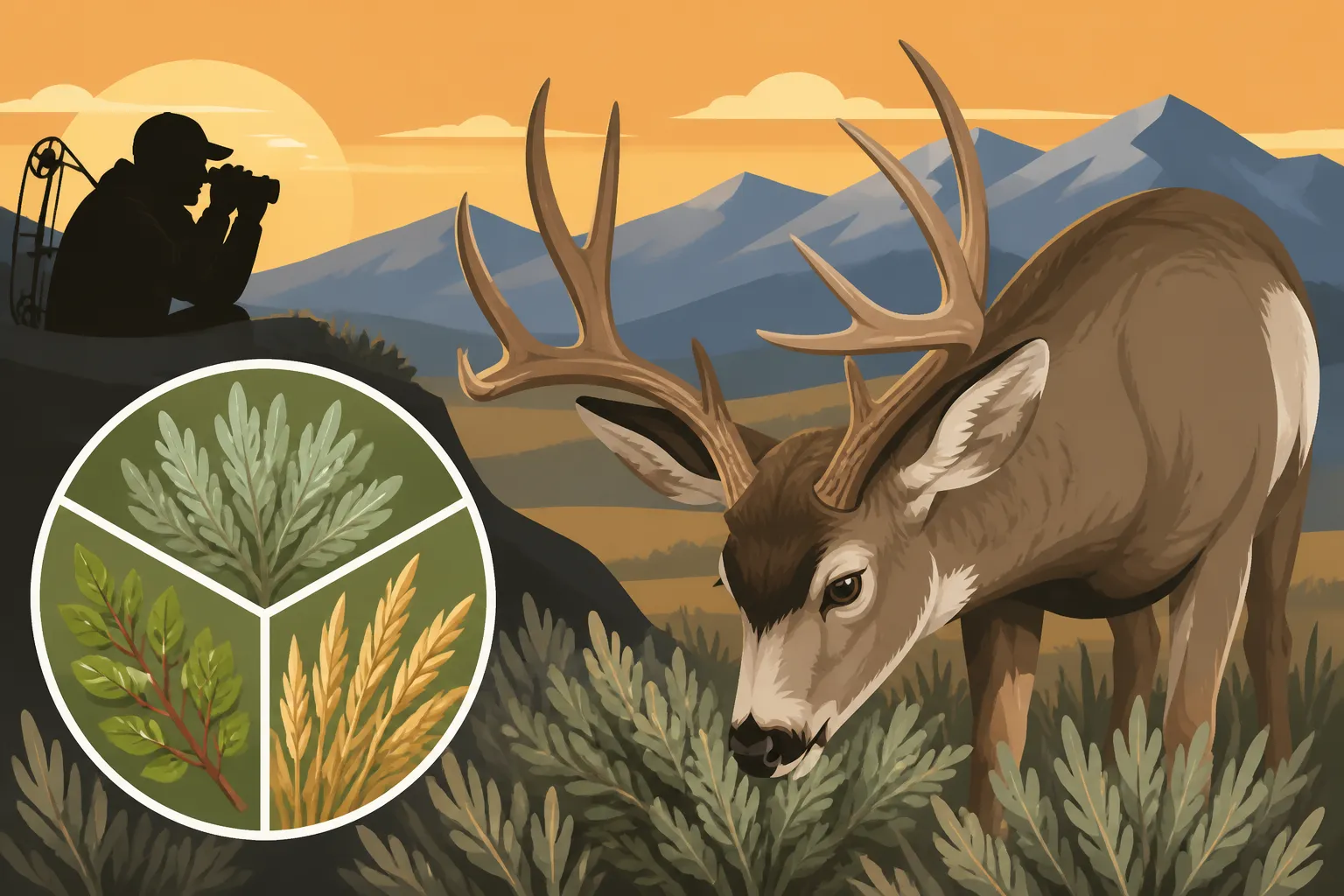
Across Montana, the specific plants mule deer favor will vary depending on the region, elevation, and local plant communities. However, some common staples consistently show up on their menu. Sagebrush, for example, is an absolute powerhouse for mule deer, especially during the harsh winter months when other forage is scarce. It provides crucial energy and nutrients when little else is available. Bitterbrush is another fantastic source, as are serviceberry bushes, aspen saplings, and even the tender new growth of ponderosa pine in certain areas. They'll also consume a wide array of forbs – broad-leaved herbaceous plants – particularly during the spring and summer when these plants are at their most nutritious. While grasses aren't their primary choice, they will graze on succulent new grass growth, especially after a fresh rain or during the initial spring green-up. Knowing these key food sources is your first step in understanding where to focus your scouting efforts.
Seasonal Shifts in Mule Deer Feeding Patterns
Mule deer in Montana don't just eat the same things year-round; their diet is a dynamic reflection of the seasons, driven by plant availability, their physiological needs, and the constant push and pull of energy expenditure. A deer's nutritional requirements change dramatically from growing antlers to bearing fawns to simply surviving a brutal winter, and their feeding habits adapt accordingly.
Spring Green-Up and Summer Abundance
Ah, spring in Montana! After a long, often brutal winter, the landscape bursts with new life, and mule deer are right there to capitalize on it. This is the "green-up" period, and it’s critical for recovery and growth. As soon as the snow melts and the first tender shoots emerge, mule deer shift their focus to highly digestible, protein-rich forbs. Think about those lush, green plants popping up – they're packed with the good stuff deer need to replenish their fat reserves, kickstart antler growth for the bucks, and provide essential nutrients for pregnant does preparing to fawn.
During late spring and into the summer, with vegetation in full swing, mule deer often become less selective, but forbs remain a top priority. They'll browse heavily on a wide variety of woody plants as well, utilizing the abundance of leaves and new growth. This is a time of relative plenty, and deer are focused on packing on calories. You'll find them spread out across their summer range, often higher in elevation where cooler temperatures and abundant forage are available. They're trying to put on as much weight as possible before the lean times of fall and winter. As temperatures rise, they'll often feed during the cooler parts of the day – early morning and late evening – retreating to shady timber or north-facing slopes to bed during the heat of midday.
Fall Fuel-Up and Winter Survival
When autumn colors start to paint the Montana mountainsides, a different kind of urgency kicks in for mule deer. This is the pre-rut and rut period, a time of immense energy expenditure, and they need to fuel up. As herbaceous plants begin to dry out and lose their nutritional value, mule deer turn their attention to higher-energy foods. This can include mast crops like acorns if they're available in pockets of oak brush, but more commonly, they'll intensify their browsing on shrubs and woody plants. Serviceberry, chokecherry, and even the new growth of Douglas fir or Ponderosa pine become important. They're essentially trying to "winterize" their bodies, building fat reserves that will be crucial for surviving the upcoming cold and snow, and for bucks, sustaining them through the demanding breeding season. This is often when you'll find them migrating to their winter ranges, lower in elevation and often to areas with more consistent access to browse. If you're hunting during the general rifle season, knowing these staging areas and key browse patches is paramount.
Winter in Montana is the ultimate test of survival for mule deer. Food sources become incredibly limited, often buried under feet of snow. Their diet during these months primarily consists of tough, woody browse like sagebrush, bitterbrush, and juniper. These plants are far less digestible than summer forbs, but they are often the only reliable food source available. Deer conserve energy by limiting movement, seeking thermal cover, and feeding during the warmest parts of the day. The deeper the snow, the more restricted their access to forage, which can lead to significant stress and winter kill. Understanding these critical winter food sources is important not just for hunters, but for anyone interested in Montana Mule Deer Population Trends.
Here's a quick look at how their diet changes throughout the year:
| Season | Primary Food Sources | Nutritional Goal | Typical Feeding Times |
|---|---|---|---|
| Spring | Tender forbs, new grass shoots, young woody browse | Replenish fat, fawning, antler growth (protein-rich) | Dawn, dusk, sometimes mid-day during cooler weather |
| Summer | Abundant forbs, diverse woody browse, some grasses | Maximize fat reserves, continued growth | Early morning, late evening, seeking shade mid-day |
| Fall | Woody browse, mast crops (if available), remaining forbs | Build fat for winter, fuel for rut (high energy) | Dawn, dusk, often throughout day during rut |
| Winter | Woody browse (sagebrush, bitterbrush, juniper), dry grass | Survival, energy conservation, minimal nutrient intake | Warmer parts of day, minimal movement |
Impact of Habitat and Weather on Foraging
Montana's diverse landscapes mean that mule deer feeding patterns aren't just seasonal; they're also heavily influenced by the specific habitat a deer inhabits and the ever-unpredictable Montana weather. The same species of plant might be available, but its quality, quantity, and accessibility can vary wildly from one mountain range to the next, or from a drought year to a wet one.
Habitat and Food Availability
Think about the different regions in Montana where mule deer thrive. From the vast sagebrush-steppe ecosystems of Eastern Montana to the rugged, timbered slopes of the Rocky Mountain Front, and the broken country of the Missouri Breaks, each environment presents a unique buffet for a mule deer. In the high country, mule deer might rely on alpine forbs and browse during the summer, while in the foothills, they'll forage on bitterbrush and serviceberry. On the plains, sagebrush and prairie forbs dominate their diet.
This habitat diversity means that understanding the local flora is key. A deer living in a ponderosa pine forest will have different options than one in an aspen grove or one out on the windswept prairie. Furthermore, the quality of these food sources can vary. Lush, moist draws might offer more palatable browse than dry, south-facing slopes. Areas with recent burns can sprout highly nutritious new growth, attracting deer for several seasons. Using mapping tools, like those found on GoHunt, can help you identify these various habitat types and potential food sources before you even step foot in the field, making your scouting much more efficient. When planning your hunting strategy, always consider the specific Montana Mule Deer Habitat Explained in your chosen hunting district.
Weather Extremes and Their Influence
Montana weather is notorious for its extremes, and these conditions directly impact a mule deer's ability to feed and what they can find.
- Drought: During prolonged dry spells, forage quality can plummet. Plants dry out and become less nutritious, and water sources can vanish. Mule deer will often concentrate around remaining water holes or more succulent vegetation in riparian areas, changing their normal travel patterns. This also means their overall body condition might suffer, making them more vulnerable during the winter.
- Heavy Snowfall: Deep snow is arguably the biggest winter threat to mule deer. It covers essential browse, making it incredibly difficult for deer to access food. This often forces them to move to lower elevations or south-facing slopes where snow melts faster. Concentrated deer in limited areas can lead to increased competition for food and heightened predation risk. Understanding how to find them when snow forces them into thermal cover is key, which links directly to strategies discussed in articles like How to Find Elk in Montana Dark Timber, which often apply to deer seeking similar shelter.
- Extreme Cold: Frigid temperatures demand more energy from deer just to stay warm. This means they need to consume more calories, but often in winter, food is scarce. They'll seek thermal cover – thick timber, deep coulees – to conserve energy, and feeding activity might become concentrated around midday when temperatures are slightly higher.
- Wind: High winds can drive deer into sheltered areas, affecting where and when they feed. They'll often seek the lee side of ridges or dense timber to feed away from the biting wind, another factor to consider when glassing vast landscapes.
These environmental factors are critical puzzle pieces. Hunters who pay attention to recent weather patterns and thoroughly scout the habitat for available forage will have a distinct advantage.
How Hunter Knowledge of Feeding Patterns Improves Success
Let's be honest, hunting mule deer in Montana is tough. They aren't called "grey ghosts" for nothing. But here's the kicker: if you can crack the code of their feeding patterns, you drastically increase your odds of success. Knowing where they're likely to be, and why, transforms a random wander into a strategic hunt. This isn't just about luck; it's about understanding the animal's most fundamental needs.
Scouting for Productive Areas
E-scouting is your first line of defense. Before you even set foot in the woods, spend time poring over maps, especially those that highlight vegetation types and elevation changes. Look for areas with a high concentration of preferred browse species for the season you're hunting. If it's fall, are there patches of bitterbrush or serviceberry? In early season, are there abundant forbs in those north-facing bowls? Tools like GoHunt's mapping applications can be invaluable here, allowing you to identify these areas from your couch.
Once on the ground, traditional scouting becomes paramount. Look for fresh tracks leading into and out of likely feeding areas. Pay attention to browse lines – distinct lines where deer have repeatedly nipped off vegetation at a certain height. Scat piles can indicate recent activity and preferred forage. You might even find rubbed trees or shed antlers in these areas, indicating consistent use. If you're looking to really dive deep into pre-season prep, consider resources like How to E-Scout Montana Hunting Units to fine-tune your approach.
Timing Your Hunt with Peak Activity
Mule deer are most active during the crepuscular hours – dawn and dusk. This is when they typically move from bedding areas to feeding grounds, and vice-versa. Plan your approach to be in a position to glass or still-hunt these feeding areas during these peak times. This often means being on the ridge long before legal shooting light or staying put until the last rays of sun disappear.
However, feeding patterns aren't always set in stone. During the rut, bucks might be up and moving, actively seeking does, throughout the day. A cold front or a fresh snowfall can also alter feeding times, often pushing deer to feed more aggressively during daylight hours to replace lost energy or access newly available forage. Understanding these nuances, as discussed in Montana General Rifle Season Dates, means you're not just hunting a clock, you're hunting the deer's current needs.
Connecting Feeding to Bedding and Travel
Mule deer rarely feed in isolation; their feeding areas are almost always connected to their bedding areas and water sources by distinct travel corridors. Learning to read these connections is a major step forward. For example, if you find a prime feeding ground, look uphill or into thicker cover for nearby bedding areas. Mule deer are masters of using topography and vegetation for concealment, often bedding on north-facing slopes or in dense timber during warmer weather, and sunny south-facing slopes in colder conditions.
These travel corridors will often follow natural terrain features – saddles, benches, creek bottoms, or the edges of dense timber. Identifying these "highways" between food and cover allows you to set up strategic ambushes, especially if you're attempting a method like Montana Mule Deer Hunting: Spot-and-Stalk Tactics. Remember, an undisturbed deer is a successful deer. Your goal is to intercept them during their natural movements without bumping them out of the area. Practice patience and observe, and you’ll start to see patterns emerge that go far beyond just looking for a deer.
Disclaimer
Please note that hunting regulations, seasons, and landowner access rules in Montana can change. Always consult the latest Montana Fish, Wildlife & Parks regulations before planning any hunting trip. This guide provides general information for educational purposes and should not be considered legal advice. Ethical hunting practices and safety should always be your top priority.