Montana Elk Feeding Patterns
Trying to locate Montana elk can sometimes feel like searching for a needle in a haystack, especially when they're not vocal during the rut or visible in wide-open country. The secret often lies in understanding their most fundamental need: food. This guide will meticulously break down the intricate feeding patterns of Montana elk throughout the seasons, giving you the critical knowledge to predict their movements and significantly improve your chances of a successful hunt.
The Seasonal Shift in Montana Elk Diets
Elk are adaptable creatures, and their diet in Montana changes dramatically with the seasons, dictated by nutrient availability, forage palatability, and their physiological needs. What they munch on in May is vastly different from their January survival diet. Understanding these shifts is paramount for any hunter looking to consistently find elk.
Spring Green-Up and Nutrient Needs
As the snow begins to recede and the first signs of green emerge, typically from April through June, Montana elk undergo a significant dietary transition. After a long, lean winter, their bodies are craving protein and minerals to recover lost weight, grow new antlers (for bulls), and support pregnancy and lactation (for cows). This is a time when the new, tender shoots of grasses and forbs are incredibly rich in protein and easily digestible nutrients.
Elk will often follow the "green wave" up the mountainsides. This means as lower elevations green up, they'll graze there, and then as snowmelt progresses and new growth appears higher, they'll move up accordingly. You'll find them concentrating on south-facing slopes, which receive the most sun and green up earliest. These areas become prime feeding grounds. Imagine an elk herd diligently working its way up a mountain, systematically grazing on the freshest growth. They're not just eating; they're replenishing, building strength, and preparing for the demands of summer and the upcoming rut.
Summer Abundance and Browse Preferences
Summer in Montana, from July through August, brings an explosion of vegetation, offering elk a smorgasbord of choices. During these months, while grasses are still a part of their diet, elk often shift to incorporating more forbs (broad-leafed plants) and browse (twigs, leaves, and shoots from shrubs and trees). The reason for this shift is often tied to the changing nutritional value of grasses, which become coarser and less digestible as they mature. Forbs, like various wildflowers, can offer higher protein content and a wider array of minerals.
Elk in the summer will frequently seek out higher elevations and shadier, cooler north-facing slopes, especially during the heat of the day. They're looking for succulent vegetation that retains moisture longer, as well as thermal cover. Riparian areas, clear-cuts regenerating with young browse, and dense timber stands with an understory of palatable shrubs become important feeding zones. This is also when some of the most critical antler growth occurs in bulls, demanding a high-quality diet. A great deal of their movement patterns in the summer are dictated by staying cool and finding nutrient-rich forage in those cooler spots.
Fall Fattening and Pre-Rut Foraging
As summer wanes and the crisp air of early fall settles in, usually from late August through October, elk enter a critical phase of hyperphagia – intense feeding to build up fat reserves. This period is crucial for both bulls, who will expend massive amounts of energy during the rut, and cows, who need to sustain themselves through winter and their pregnancy. While the rut often dominates hunter's thoughts, the pre-rut feeding is arguably just as important for the elk.
During this time, elk will consume a mix of grasses, forbs, and browse. They're looking for anything calorie-dense. Areas with abundant mast crops, like acorns from oak brush, or berries, if available, become magnets. Succulent green grasses that might have regrown after summer rains are also highly prized. As the rut approaches, their feeding patterns can become more erratic as bulls prioritize breeding over eating, but before that, it's all about packing on the pounds. Hunters often think about calling bulls during the rut, but finding their feeding areas before the chaos starts can be incredibly productive, as detailed in our guide on How to Hunt Elk in Montana's Wilderness.
Winter Survival and Scarcity
Winter, from November through March, presents the harshest challenges for Montana elk. Snowfall depths and temperature become the primary drivers of their movement and diet. They migrate to lower elevations and south-facing slopes where snow depth is less, making foraging easier and offering more solar warmth. Their diet becomes one of survival, often consisting of dormant grasses, bitter browse, and lichen. Digestibility drops significantly, and elk rely heavily on their fat reserves built during the fall.
You'll see them pawing through snow to reach dried grasses or browsing on the tender ends of bitterbrush, sagebrush, and young conifer shoots. These foods are low in nutritional value, and their digestive systems adapt to extract as much energy as possible. Understanding how elk conserve energy and what limited food sources they rely on in winter is vital for late-season hunting. This is when finding south-facing slopes that shed snow quickly can be critical, as highlighted in our article on How to Hunt North-Facing Slopes for Montana Elk (even though this is about north-facing, it implies the opposite strategy for winter).
Here's a quick summary of seasonal feeding habits:
| Season | Primary Forage | Key Nutritional Goal | Typical Location |
|---|---|---|---|
| Spring | New growth grasses, forbs | Protein, minerals, recovery | Low to mid-elevation, south-facing slopes |
| Summer | Forbs, tender browse, grasses | Protein, variety, antler growth | Higher elevation, cooler, shadier areas, riparian |
| Fall | Calorie-dense grasses, browse, mast crops | Fat reserves for rut/winter | Varied, often near water, mast sources |
| Winter | Dormant grasses, bitter browse | Survival, energy conservation | Lower elevation, less snow, south-facing slopes |
Key Forage Types and What They Tell You
Knowing when elk eat certain things is one part of the puzzle; knowing what those things are and how to identify them in the field is another. Different types of vegetation provide different nutritional benefits and can indicate prime elk habitat.
Grasses
Grasses are the bedrock of an elk's diet, especially in spring and fall. They are highly digestible when young and tender. In Montana, you'll find a variety of native grasses like bluebunch wheatgrass, Idaho fescue, and various bromes.
- What they tell you: Lush, green grass flats, meadows, or open timber stands often indicate recent or current feeding activity. Elk will graze these areas, leaving tell-tale cropped blades. Look for areas with good grass production, especially those with some moisture retention, like near seeps or along creek bottoms.
- Hunting implications: In early archery season, or during the general rifle season when elk are transitioning from summer to winter range, fresh green-ups can be incredible attractants. These might be found on benches, in old burns, or even in areas that received recent rain. If you're scouting, note where the best grass is growing, particularly on those energy-saving south-facing slopes in cooler weather, or in more sheltered locations during heat.
Forbs
Forbs are broad-leafed herbaceous plants, essentially what many people call "wildflowers." Montana is rich in forbs, and elk consume a wide variety of them. They are often higher in protein and micronutrients than mature grasses, making them a crucial part of an elk's summer and early fall diet. Examples include various species of lupine, clover, fireweed, and aster.
- What they tell you: Abundant forbs suggest a diverse and healthy ecosystem, and specifically, high-quality summer forage. If you find meadows or open timber with a rich tapestry of forbs, especially in areas with good cover nearby, you're likely in prime summer elk habitat.
- Hunting implications: Targeting areas with a high density of forbs, particularly in higher elevations, can be very effective for locating elk during the summer and early fall. These are often associated with spring water sources or moist, shaded areas where these plants thrive. When you're glassing vast expanses, keep an eye out for these vibrant patches. Learning How to Glass Montana's Big Country can help you spot these areas from afar.
Browse
Browse refers to the leaves, twigs, and tender shoots of shrubs and trees. It becomes increasingly important in the elk diet during summer, fall, and especially winter when grasses are less nutritious or covered by snow. Common browse species in Montana include serviceberry, chokecherry, willow, aspen, various dogwood species, and even young conifers like Douglas fir.
- What they tell you: Heavily browsed shrubs and saplings (look for clipped ends on twigs, especially 4-6 feet off the ground) are a clear sign of elk activity. This is particularly true in areas where snow might persist, forcing elk to rely on woody vegetation. Aspen stands and regenerating clear-cuts are classic browse areas.
- Hunting implications: In dense timber, where visibility is limited, finding heavily browsed areas can tell you exactly where elk are spending their time. These areas often provide both food and cover. During late-season hunts or in heavily timbered regions, identifying these browse thickets is key to finding elk. Our guide on How to Find Elk in Montana Dark Timber often points to these forage types within the dense canopy.
Mast Crops
Mast crops are the fruits, nuts, and berries produced by certain trees and shrubs. While not as widespread in Montana as in some eastern states, where oaks are plentiful, certain mast crops are absolute elk magnets where they do occur. Huckleberries, chokecherries, serviceberries, and buffaloberries are some examples. In some isolated areas, small pockets of oak brush might produce acorns.
- What they tell you: The presence of these fruit-bearing plants, especially when loaded with ripe fruit in late summer or early fall, indicates a highly desirable food source. If you find an area with abundant berries or acorns, you've hit an elk jackpot.
- Hunting implications: These areas are often localized, making them fantastic ambush points. Elk will return to these calorie-rich spots repeatedly until the food source is depleted. Scouting for these areas before the season, or using satellite imagery to identify likely patches, is a killer strategy. Once you locate a prime mast crop area, setting up an ambush point or planning a still-hunt through it can be very effective, as discussed in How to Ambush Elk on Montana Public Land.
Identifying Elk Feeding Sign and Behavior
Elk leave a myriad of signs as they go about their daily lives, and many of these signs directly relate to their feeding patterns. Learning to read these clues on the landscape is like piecing together a detective story.
Reading the Landscape: Browsing, Rubs, and Droppings
When you're out in the field, it's not enough to just know what elk might eat. You need to see the evidence.
- Browsing: This is the most direct evidence of feeding. Look for plants with freshly clipped ends on twigs, torn leaves, or grazed patches of grass. Elk generally don't "bite" grass as cleanly as deer; they tend to rip it, leaving a more ragged edge. On shrubs, look for signs of recent consumption—twigs with a greenish interior where they've been broken, not grey and dried out. The height of browsing is also a clue; elk typically browse higher than deer, often reaching 4-6 feet.
- Rubs: While primarily a rut-related sign, bulls often rub trees near feeding areas as they move between bedding and dining spots. Fresh rubs indicate recent activity. Pay attention to smaller diameter trees or saplings that have been stripped of bark, often with antler marks.
- Droppings (Scat): The appearance and location of elk droppings are goldmines of information.
- Shape and Consistency: Fresh droppings are typically moist and shiny, often in distinct pellets. As they age, they become dull, dry, and eventually crumble. In wetter seasons or when elk are eating lush vegetation, droppings can be clumped or appear more amorphous. In drier seasons or on woody browse, they are usually harder and more distinct.
- Location and Volume: Piles of scat in a particular area indicate sustained feeding. If you find numerous, fresh piles, you're either right on their feeding spot or very close to it. Look for concentrations in meadows, along game trails leading to food, or within timbered patches that offer both forage and cover.
- Tracks: While tracks primarily show movement, their freshness and direction can point towards feeding areas. Look for tracks entering or leaving a meadow, or heavily worn game trails leading to identified food sources. The size and depth of the tracks can also give you an idea of the size and number of elk.
Timing is Everything: Dawn, Dusk, and Midday Lulls
Elk are crepuscular, meaning they are most active at dawn and dusk. This is when they typically move from their bedding areas to their primary feeding grounds and vice versa.
- Dawn Patrol: As the sun rises, elk will often be finishing their overnight feeding session before heading to bed for the day. This is a prime time to catch them in open meadows or on travel corridors leading back into timber.
- Dusk Dash: In the late afternoon and evening, they'll emerge from bedding to start their nightly forage. Being in position overlooking a known feeding area or a key travel route an hour or two before dark can be incredibly effective.
- Midday Lulls: During the middle of the day, especially in warmer weather, elk will usually be bedded down in thick cover, conserving energy. However, this isn't always absolute. They may take short feeding breaks in dense timber or near secluded water sources if undisturbed. A heavy snowstorm or persistent rain can also keep them moving and feeding throughout the day, as they try to consume enough calories to maintain body temperature. Understanding How Weather Moves Montana Elk can give you a significant advantage.
The Influence of Weather and Pressure
Elk feeding patterns are highly sensitive to external factors like weather and hunting pressure.
- Weather:
- Temperature: Hot weather pushes elk to higher elevations, north-facing slopes, and into thick timber where it's cooler, often resulting in shorter, earlier morning and later evening feeding sessions. They might also feed more at night. Cold weather, especially with snow, can increase feeding activity, as they need more calories to stay warm.
- Precipitation: Rain and snow can increase daytime feeding activity. Elk are often more willing to move and feed in inclement weather when hunters might be less active. Fresh snow can reveal tracks directly to feeding areas.
- Wind: Strong winds can make elk nervous and can disrupt their senses. They may seek more sheltered feeding areas or bed down more frequently.
- Hunting Pressure: This is one of the most significant factors influencing elk behavior. Heavily pressured elk will become almost entirely nocturnal, feeding mostly under the cover of darkness. They will also seek out the thickest, most remote, or steepest terrain for bedding and may only feed in very secure, hidden pockets of forage. This is where understanding How to Beat the Crowds on Montana Public Land becomes vital, often requiring you to get off the beaten path. They learn incredibly quickly where the safest feeding zones are.
Using Feeding Patterns to Plan Your Hunt
Understanding elk feeding patterns isn't just academic; it's a practical framework for planning and executing a successful hunt. This knowledge allows you to anticipate where elk will be, rather than just react to where they've been.
E-Scouting for Food Sources
The advent of powerful mapping tools has revolutionized how we scout. Tools like GoHunt (a fantastic resource for researching units and draw odds, but also offering detailed mapping) allow you to identify potential feeding areas long before you ever set foot in Montana.
- Satellite Imagery: Look for meadows, open parks, recent clear-cuts (often visible as lighter green patches with uniform growth), aspen groves, and areas of high shrub density. Pay attention to aspect (north vs. south-facing slopes) which influences green-up and snow retention.
- Topographic Maps: Identify benches, saddles, and creek bottoms that often hold moisture and therefore better forage. Look for transitions in vegetation types—where dense timber gives way to open parks, or where different forest types meet.
- Vegetation Layers: Some advanced mapping platforms offer vegetation layers that can highlight different forest types and even specific plant communities. This can directly point you to areas with known browse or forb concentrations.
- Water Sources: Elk need water daily. Identifying springs, seeps, and reliable creek systems will often lead you to lush vegetation and, consequently, feeding elk. Use your e-scouting tools to mark these areas and create waypoints.
On-the-Ground Scouting and Confirmation
While e-scouting is invaluable, there's no substitute for boots on the ground. Your pre-season scouting trips or even the first few days of your hunt should be dedicated to confirming what you've seen on the maps and finding fresh sign.
- Walk Potential Feeding Areas: Physically check the meadows, clear-cuts, and timbered draws you've identified. Look for fresh droppings, heavily browsed plants, and recent tracks.
- Utilize Game Cameras: Placing game cameras on trails leading into or out of feeding areas, or directly on known feeding spots, can confirm activity, help you pattern movement, and even give you an idea of the caliber of animals in the area.
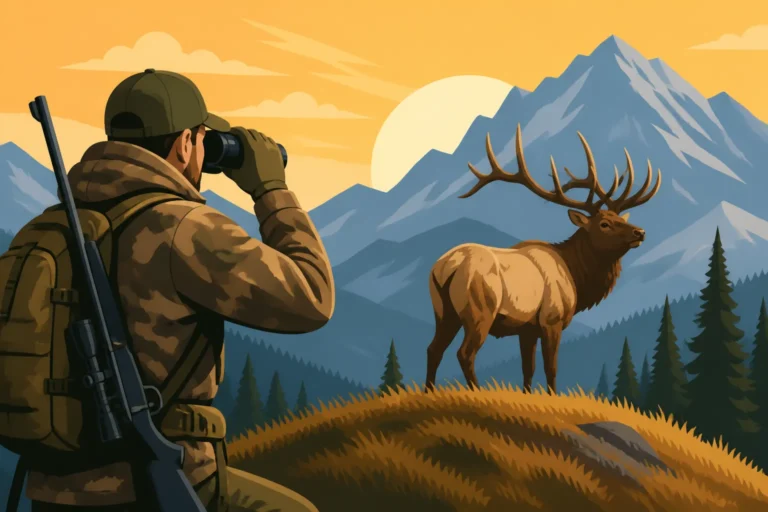
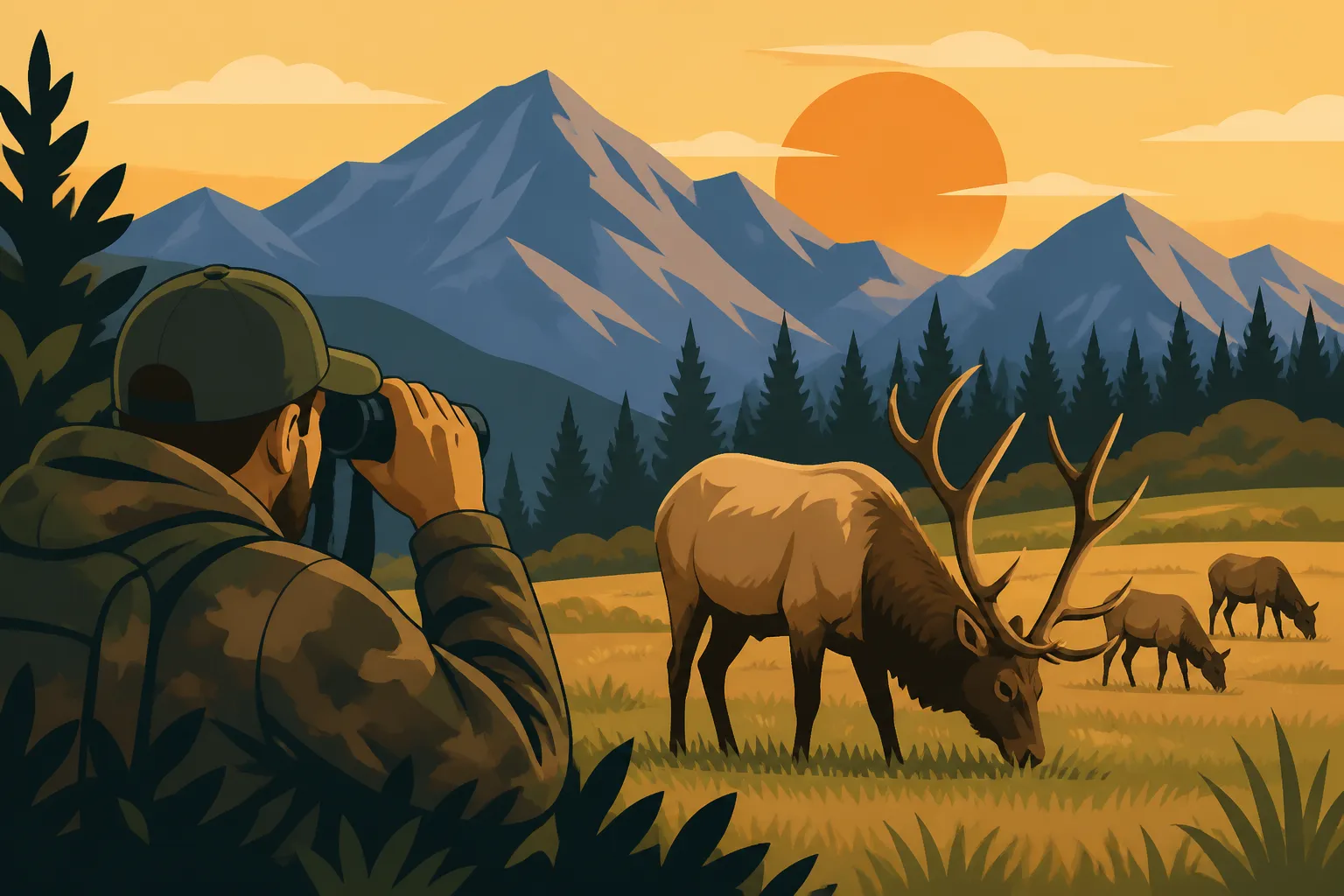
- Observe from a Distance: Spend time glassing suspected feeding areas, especially during those dawn and dusk windows. Use good optics to pick apart distant hillsides and timber edges. This passive approach reduces disturbance and allows you to observe natural behavior. Our guide on Montana Backcountry Hunting Guide emphasizes the importance of patient observation.
Setting Up Ambushes and Stalks Near Feeding Areas
Once you've identified active feeding areas, your strategy becomes much more focused.
- Ambush Points: For predictable feeding patterns, set up downwind of trails leading into a feeding area or on the edge of the feeding area itself. This is particularly effective during archery seasons when elk are still relatively undisturbed. Consider natural funnels or pinch points that elk must pass through. Think about the wind direction and thermals, especially during morning and evening moves. Our Montana Elk Hunting: Archery Tactics delves into this further.
- Spot and Stalk: If you locate elk feeding in more open terrain, a spot-and-stalk approach can be deadly. This requires careful planning of your approach, using terrain features and wind to remain undetected. You'll often be trying to get within range while they're preoccupied with eating. This method is explored in detail in How to Spot-and-Stalk Antelope in Montana, and similar principles apply to elk.
- Still-Hunting: In timbered areas with good browse, still-hunting through the feeding zone can be productive. This slow, deliberate movement allows you to cover ground while staying quiet and observing your surroundings intently. Focus on areas of good cover and browse, moving into the wind.
- Adapting to Pressure: If elk are heavily pressured and feeding primarily at night, you'll need to focus on intercepting them between their bedding and feeding areas during legal shooting light. This might mean getting much closer to bedding areas at dawn or waiting on trails closer to bedding areas at dusk. Learning How to Pattern Montana Elk Movement is crucial here.
By truly understanding and applying the knowledge of Montana elk feeding patterns, you transform from a casual observer to an informed predator. It's about thinking like an elk, anticipating their needs, and being where they want to be when they want to be there.
Disclaimer
Hunting is an inherently dangerous activity. This guide provides general information for educational purposes only. Always prioritize safety, understand and obey all local, state, and federal hunting regulations, and consider taking a certified hunter education course. Conditions in the backcountry can change rapidly, and hunters should be adequately prepared for all eventualities.