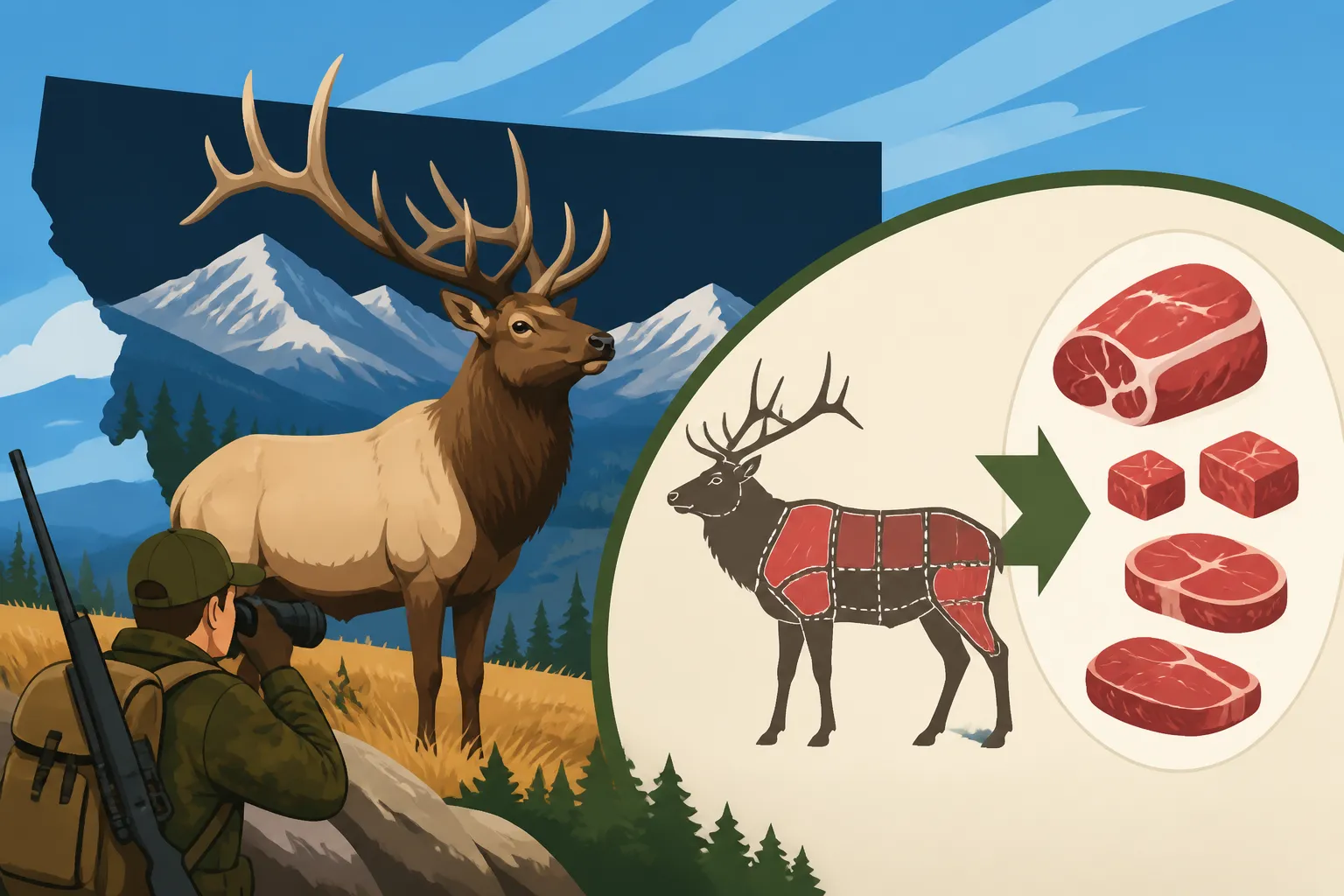
Montana Elk Meat Yield Explained
You've poured over the maps, endured the early morning hikes, maybe even put in years building those Montana preference points for a coveted elk tag. The thrill of a successful hunt in Big Sky Country is unmatched. But once the excitement settles and the work truly begins, a very practical question looms large: "How much actual meat am I going to get from this magnificent animal?" It's a common concern, especially for those new to elk hunting, and understanding the yield can help you plan everything from processing to freezer space. This guide is dedicated to breaking down the realities of Montana elk meat yield, ensuring you know what to expect and how to make the most of your hard-earned harvest.
Demystifying the Numbers: Live Weight to Boneless Meat
One of the biggest confusions for new elk hunters, and even some seasoned ones, is understanding the difference between a live animal's weight, its field-dressed weight, and the final boneless meat yield that ends up in your freezer. These numbers can vary wildly, and knowing the distinctions is crucial for managing expectations and planning your hunt. There's a lot of folklore and exaggerated stories out there about monstrous elk and their incredible meat bounty, but let's get down to the realistic, practical numbers you can truly count on.
The Live Weight of a Montana Elk
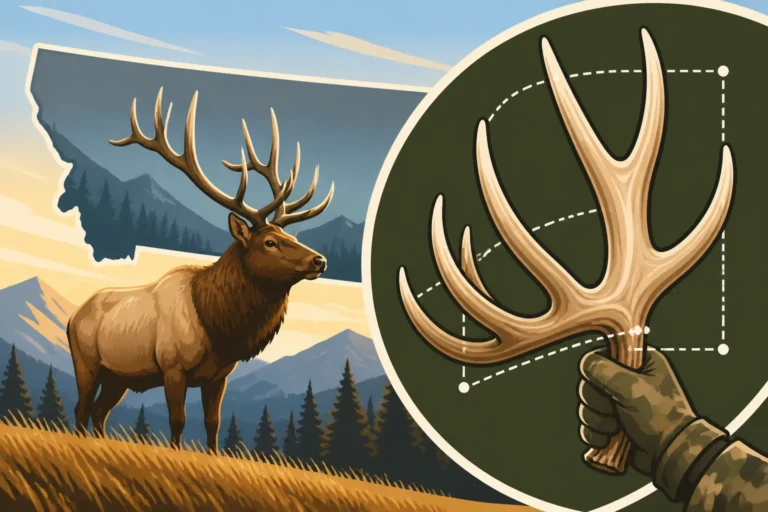
When we talk about an elk's live weight, we're referring to the animal as it stands, before any processing. This is the impressive number that gets tossed around in hunting stories. A mature bull elk in Montana can easily weigh anywhere from 700 to over 1,000 pounds, with some truly exceptional specimens pushing even higher. Cows are typically smaller but still formidable, often ranging from 500 to 600 pounds. Calves, of course, are the smallest, usually in the 250-350 pound range. These numbers represent the entire animal – bones, hide, internal organs, and all. They're impressive, but they’re not what you take home. Many experienced hunters use resources like GoHunt to research potential hunting districts and learn more about Montana Elk Herd Size and Population, which can sometimes give an indication of the average size of animals in specific areas.
Understanding Field Dressed Weight
The first step after a successful harvest is typically field dressing. This involves removing the internal organs (viscera) from the chest and abdominal cavities. This step is critical for cooling the carcass and preventing spoilage, especially if you're deep in the backcountry. Once an elk is field dressed, its weight drops significantly. On average, you can expect to lose about 25-35% of the live weight in this stage. So, that 800-pound bull might now be closer to 520-600 pounds. A 550-pound cow would be in the 360-410 pound range. This reduction is substantial, and it’s why discussions about "packing out a 600-pound elk" usually refer to the field-dressed weight, not the live weight. Anyone who’s had to pack out an elk knows that even a field-dressed carcass is a monumental task, often requiring multiple trips or a whole team. For those doing a true Montana Backcountry Hunting Guide, understanding this weight reduction is key to planning how to get the meat off the mountain.
The Final Boneless Meat Yield
This is the number that truly matters for your freezer. After field dressing, skinning, quartering, and professional butchering (which removes bones, excess fat, silver skin, and other non-meat components), the boneless meat yield is what you're left with. This is usually about 50-60% of the field-dressed weight, or roughly 30-40% of the original live weight. This dramatic drop often surprises first-time elk hunters. A 800-pound live bull might yield 240-320 pounds of boneless meat, while a 550-pound cow could provide 165-220 pounds. These figures aren't exact, as many variables come into play, but they offer a realistic expectation. When you're planning your hunt, whether you're researching Best Montana Districts for Elk Hunting in Montana or focusing on logistics, keep these boneless yield estimates in mind for cooler space and processing costs.
Key Factors Influencing Your Elk's Meat Yield
The amount of meat you actually get from an elk isn't just a simple calculation based on its size. So many variables come into play, from the animal itself to how meticulously you care for the meat in the field. Understanding these factors can help you make informed decisions before, during, and after your hunt to maximize your yield.
Age and Sex of the Elk
The most obvious factor affecting meat yield is the elk's age and sex. A mature bull elk will generally yield more boneless meat than a cow or a calf, simply because it's a larger animal. However, there's a trade-off. While a big, old bull might have impressive antlers and a lot of muscle mass, that meat can sometimes be tougher, especially if harvested during the rut when bulls are running hard and burning through their fat reserves. A younger bull, like a spike or a raghorn, often provides incredibly tender meat, though in smaller quantities.
Cows, while smaller than mature bulls, often offer excellent meat quality. They're typically fatter and haven't been engaging in the same high-stress activities during the rut, leading to more tender and flavorful cuts. Calves, if you're lucky enough to draw a specific cow/calf tag, provide the most tender meat of all, though the yield will be considerably less. Many hunters specifically target cows for meat quality, and districts offering Montana Elk B License Explained often provide opportunities for these animals.
Field Care and Processing
This is where the rubber meets the road, and your diligence can directly impact how much quality meat makes it into your freezer. Proper field care is paramount, especially in Montana's often warm early archery seasons. The faster you can cool the carcass, the better. This means immediate field dressing, and for bigger animals like elk, often involves quartering the animal and getting the quarters off the ground and into game bags. Learning How to Quarter an Elk in the Montana Backcountry efficiently is a skill every Montana elk hunter should master.
Failure to cool the meat quickly can lead to spoilage, especially in warmer temperatures, which means losing precious meat. Shot placement also plays a role. A well-placed shot minimizes meat damage. A gut shot or a shot through major muscle groups can contaminate or destroy significant portions of meat, forcing you to trim away more than you'd like. This is where ethical shooting and practice before your How to Sight In for a Montana Elk Hunt really pays off.
The Butcher's Skill and Your Cutting Preferences
The person doing the final butchering—whether it's a professional meat processor or yourself—also has a significant impact on your final yield. A good butcher is skilled at minimizing waste, separating desirable cuts from less palatable parts, and efficiently deboning the carcass. They know how to maximize the good stuff. If you're doing it yourself, and many dedicated Montana hunters do, your skill level and how aggressive you are with trimming can drastically change the final weight.
Your preferences also matter. Do you want everything boneless? Are you okay with bone-in roasts or steaks? Do you want all the trim ground into burger, or would you prefer stew meat and specialty cuts like tenderloins and backstraps kept separate? Some hunters opt for bone-in cuts to help protect the meat during transport and to add flavor during cooking, while others want everything boneless for maximum freezer efficiency. This decision directly impacts the final weigh-in.
Estimating Your Montana Elk's Meat Yield
Knowing the average yields can really help set expectations, especially when you're dreaming about filling that freezer. While every elk is different, these figures offer a good starting point for planning your post-harvest logistics, from cooler space to the size of your meat grinder.
Average Yields by Elk Class
To give you a clearer picture, here's a general breakdown of estimated meat yields based on the type of elk you harvest. Remember, these are averages, and your results may vary based on all the factors we just discussed.
| Elk Type (Approx. Live Weight) | Field Dressed Weight (approx.) | Boneless Meat Yield (approx.) | Typical Freezer Meals |
|---|---|---|---|
| Calf (250-350 lbs) | 150-220 lbs | 75-120 lbs | 250-400 |
| Cow (450-600 lbs) | 270-360 lbs | 135-210 lbs | 450-700 |
| Spike Bull (550-700 lbs) | 330-420 lbs | 165-250 lbs | 550-800 |
| Mature Bull (700-1000 lbs+) | 420-600 lbs+ | 210-350 lbs+ | 700-1200+ |
Note: "Typical Freezer Meals" is a rough estimate based on 1/3 lb of meat per serving.
As you can see, even a smaller elk like a cow can provide a substantial amount of high-quality protein for your family. A big bull can truly fill a freezer, but it also means a lot more work! When planning your hunt, whether you're researching Montana Elk Hunting Methods Explained or looking into specific districts, having a general idea of the average elk size in that area can help you refine your expectations for meat yield.
Realistic Expectations for Your Freezer
It's easy to get caught up in the excitement and imagine an entire year's worth of meat from one elk. While elk meat is incredibly rich and goes a long way, it's important to have realistic expectations for how much freezer space you'll actually need. For a typical family, a single cow or a smaller bull can provide a significant portion of their red meat needs for many months. A large bull might even carry you through most of the year.
Think about how much beef you typically buy in a month. For example, if you consume 10-15 pounds of ground meat and steak monthly, a 200-pound boneless elk yield could last you well over a year. Many hunters even aim for multiple species throughout the season, perhaps an elk and then a Montana mule deer, to diversify their meat supply. When you're planning your How to Plan a Montana Backpack Elk Hunt, consider the capacity of your coolers and how quickly you can get that precious meat to a processor or your own freezer.
Maximizing Your Montana Elk Meat Yield
Bringing home a significant amount of high-quality elk meat isn't just about the shot; it's a process that begins the moment the animal hits the ground. Every step, from field care to final processing, offers opportunities to protect and maximize your hard-won protein.
Immediate Field Care is Paramount
The moment an elk is down, the clock starts ticking, especially in warmer weather. Your primary goal should be to cool the carcass as quickly and efficiently as possible. This means prompt field dressing. Get those guts out! Not only does it reduce weight for packing, but it also removes a major source of heat and bacteria. If you're in the backcountry, consider quartering the animal right away. Learning How to Pack Out an Elk in Montana often means breaking it down into manageable pieces. Separate the four quarters, backstraps, tenderloins, neck meat, and any other desirable cuts.
Once quartered, get the meat into breathable game bags. Don't use plastic garbage bags; they trap heat and moisture, promoting bacterial growth. Hang the quarters in the shade, off the ground, where air can circulate around them. If temperatures are mild, you might even need to use ice or snow (if available) to aid cooling. For early season hunts, mastering techniques like How to Keep Elk Meat Cool in Montana's Early Season is crucial. Remember, proper cooling prevents spoilage and ensures you bring home the maximum amount of edible meat.
Efficient Transport from the Field
Getting the meat from the kill site to your vehicle or a drop-off point is arguably the hardest part of elk hunting. The goal is to do this as cleanly and quickly as possible. If you're using a pack frame, ensure your meat bags are secured and protected from dirt, debris, or rubbing against your pack. Horseback hunters have an advantage here, but still need to ensure quarters are properly loaded and balanced.
Even if you're hunting closer to a road, you'll want coolers packed with ice ready to receive the meat. Keep the meat out of standing water in the cooler; melted ice can degrade meat quality. Using frozen water bottles or block ice can help, as they melt slower. The faster you can get the cooled meat to a butcher or your own processing setup, the better the quality and the higher your overall yield will be. This entire process is part of a successful Montana DIY Elk Hunting Guide.
Smart Processing Techniques
Whether you take your elk to a professional butcher or process it yourself, being mindful of smart techniques can make a big difference. If using a butcher, communicate your preferences clearly. Do you want all the silver skin removed? What specific cuts do you want? Don't be shy about asking for things like boneless roasts, specific steak thicknesses, and all the trim for ground meat or sausage.
If you're processing at home, invest in good tools: sharp knives, a reliable grinder, and plenty of freezer paper or vacuum seal bags. Take your time, trim carefully, and avoid excessive waste. Many hunters find that saving all the scraps and trimmings for ground meat, stew meat, or even rendering tallow from fat, helps maximize the yield. Remember to properly package and label all your cuts before freezing to prevent freezer burn and ensure you know what you're reaching for months down the line. Even small details, like using a good Montana Backcountry Hunting Gear List, can contribute to more efficient processing and higher yields.
Disclaimer
The information provided in this guide is for general informational purposes only and is not intended as professional advice. Hunting regulations, safety practices, and meat processing techniques can vary significantly. Always consult official Montana Fish, Wildlife & Parks (FWP) regulations, seek expert advice for safe hunting and processing, and prioritize safety in all hunting activities. The author and publisher are not responsible for any actions taken based on the information in this guide.