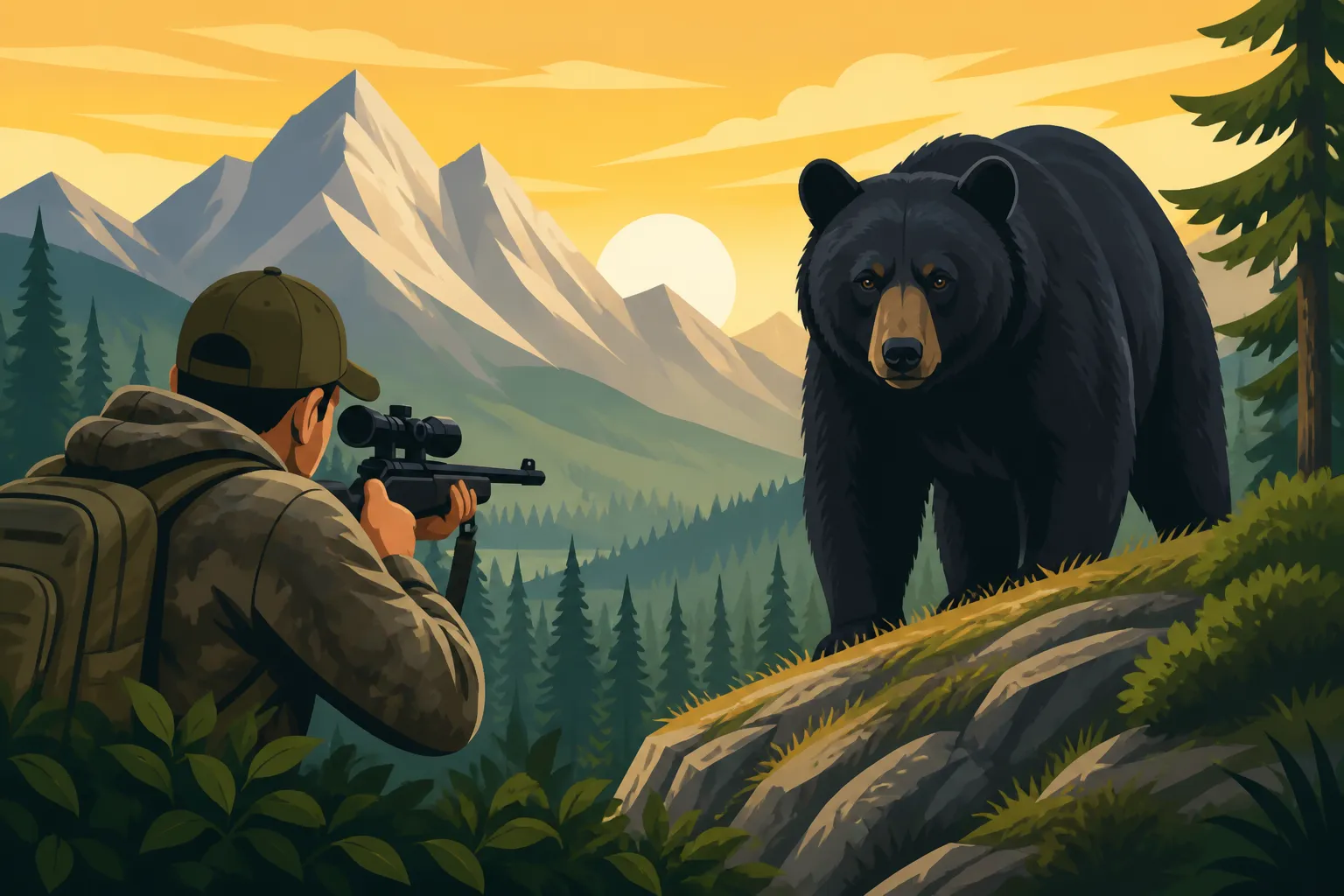
Montana Black Bear: Where to Find Them
Finding black bears in Montana can feel like searching for a needle in an impossibly vast, green haystack, especially with their elusive nature and the state's immense wild spaces. Many hunters get frustrated just trying to pinpoint where to start, feeling like they're just wandering aimlessly. This guide is here to cut through that confusion, helping you understand precisely where Montana's black bears live, how their movements change with the seasons, and what specific habitat features you should be keying in on to increase your chances of a successful encounter.
Decoding Montana Black Bear Habitat Preferences
Black bears in Montana are creatures of habit when it comes to their environment, but those habits are dictated by a few crucial needs: food, cover, and water. Understanding these fundamental requirements is the first step to figuring out where they'll be, whether you're planning a spring hunt or a fall excursion. They aren't just roaming randomly; they're strategically utilizing the landscape to survive and thrive.
Forested Mountains and Foothills
The vast majority of Montana's black bear population calls the state's extensive mountain ranges and their adjacent foothills home. These areas provide the perfect blend of dense cover, diverse food sources, and readily available water. You'll find them particularly concentrated in the western half of the state, where the Rocky Mountains dominate the landscape.
Think about the character of these forests:
- Conifer-Dominated Stands: Areas heavy with Douglas fir, lodgepole pine, spruce, and subalpine fir offer excellent thermal cover, especially during colder periods, and provide dense security cover year-round. Bears use these dark timber pockets to bed down, escape the heat, and feel safe from predators (including humans).
- Mixed Forests and Deciduous Patches: While conifers are important, bears often prefer areas with a good mix of deciduous trees and shrubs, like aspens, cottonwoods, serviceberry, chokecherry, and huckleberry. These areas are vital for food production, offering berries, nuts, and tender greens throughout the seasons. The edges where conifer forests meet deciduous groves are often prime locations.
- Varied Elevations: While bears can be found from valley floors up to high alpine basins, their preference often shifts with the season and food availability. In spring, lower and mid-elevations tend to "green up" first, attracting bears. As summer progresses, they'll often follow the ripening berries and mast crops higher into the mountains. This understanding is key to successful Montana Black Bear Hunting Guide.
River Bottoms and Riparian Zones
Don't let the image of a mountain bear fool you entirely. While mountains are their primary domain, black bears are incredibly opportunistic and will readily utilize river bottoms and riparian zones, especially in areas where these green belts offer a lifeline of food and cover in otherwise drier landscapes.
- Early Season Attractions: In the early spring, when the mountain slopes might still be blanketed in snow or just starting to green, river bottoms are often the first places to burst with new growth. Tender grasses, sedges, and forbs emerge along streambanks and in floodplains, providing critical forage for hungry bears emerging from hibernation. This is particularly true in eastern Montana, where timbered river corridors can serve as significant bear habitat.
- Water and Cover: These linear strips of habitat also provide constant access to water, which is essential for bears. The dense brush, cottonwood groves, and willow thickets found in riparian areas offer excellent security cover, allowing bears to move relatively undetected, even close to human activity. When considering Montana Black Bear Behavior, remember their instinct to stay hidden.
- Food Diversity: Beyond early greens, riparian zones offer a diverse array of other food sources, from various berries to carrion that might wash up, and even fish in some circumstances. These areas are vital travel corridors and feeding grounds, particularly in regions that lack extensive mountain ranges.
Brushy Areas and Berry Patches
As the season progresses from spring to summer and into fall, a bear's diet shifts dramatically, and so does their location. They become highly focused on calorically dense foods to build up fat reserves for winter hibernation. This means zeroing in on areas rich in specific vegetation.
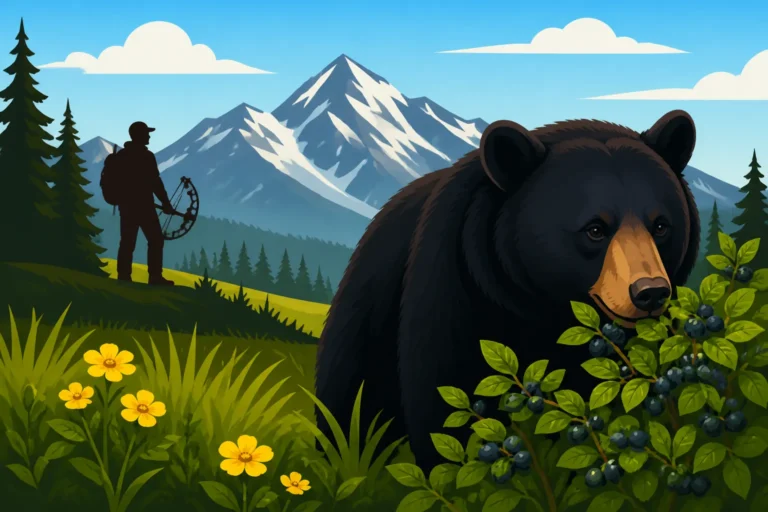
- Huckleberry Heaven: For many Montana hunters, the mention of fall bear hunting immediately conjures images of huckleberry patches. These small, dark berries are an absolute superfood for bears, packed with sugars and carbohydrates. Bears will spend weeks, if not months, gorging themselves in productive huckleberry fields, often found on mid to high-elevation slopes, especially in the western and northwestern parts of the state. Knowing Montana Black Bear Spring Feeding Patterns helps, but understanding their diet shift is paramount.
- Chokecherry and Serviceberry: These native shrubs are also incredibly important food sources. Chokecherries often grow in dense thickets along forest edges, old burns, and riparian areas, while serviceberries are common in open ponderosa pine forests and foothills. Bears will strip these bushes clean when the berries are ripe.
- Oak and Mast Crops: While not as prevalent as in some eastern states, parts of Montana do have stands of oak that produce acorns. When these mast crops are good, bears will eagerly seek them out, as acorns are a highly nutritious food source. Identifying these localized food plots is a prime strategy for locating bears in late summer and early fall.
- Old Burn Areas: These can be fantastic spots for bears. The regeneration after a wildfire often leads to a flush of new growth—succulent grasses, forbs, and berry-producing shrubs—that attracts bears. The standing dead timber also provides good cover and denning opportunities.
Seasonal Strategies for Locating Bears
Understanding a black bear's seasonal movements is arguably more important than knowing their general habitat. Their priorities change drastically throughout the year, primarily driven by their biological clock and the availability of food. Ignoring these seasonal shifts is a surefire way to be hunting in the wrong place at the wrong time.
Springtime – The Green-Up Goldmine
When bears emerge from their dens, usually from mid-April through May, they are incredibly hungry and focused on finding the first available green vegetation. They've spent months burning through fat reserves, and their bodies are screaming for calories. This period is often considered the best for finding bears because their food sources are relatively limited and concentrated.
- South-Facing Slopes: This is the golden rule of spring bear hunting. South-facing slopes receive the most direct sunlight, causing snow to melt earlier and vegetation to "green up" weeks ahead of north-facing slopes. Bears will gravitate to these areas like magnets. Look for open patches, avalanche chutes, and logging clearcuts on these warm aspects. They'll browse on new grasses, dandelions, clover, and other forbs.
- Avalanche Chutes and Logging Clearings: These areas are prime in the spring. Avalanche chutes are natural highways where snow melts faster, and new growth flourishes. Logging clearings, especially those a few years old that have regenerated with tender vegetation, are also incredibly attractive. The open nature of these areas also makes them excellent for spotting bears from a distance, a technique that's often part of a successful How to Spot-and-Stalk Montana Black Bear approach.
- Following the Snow Line: As the spring progresses, and warmer temperatures push the snowline higher, bears will often follow that retreating edge, continually seeking out the freshest, most nutritious green growth. They're essentially moving vertically up the mountain as their food sources become available.
- Opportunistic Feeding: While greens are critical, spring bears are also opportunistic. They'll flip rocks and logs for insects, browse on emerging buds, and eagerly feed on any winter-killed carrion they discover. This period is described in detail in Montana Black Bear Spring Feeding Patterns.
Summer and Early Fall – Following the Food
As spring transitions into summer, the landscape becomes a lush buffet, and bears can be harder to locate as their food sources become more widespread. However, by early fall, their focus sharpens again as they prepare for hibernation.
- Summer Dispersal and Cover: During the heat of summer, bears often disperse into denser cover and higher elevations. They'll spend more time in thick timber, moving less during daylight hours, and exploiting diverse food sources like ants, grubs, and a wider variety of berries. While challenging, hunters can still find them by concentrating on areas with abundant water and shade.
- The Huckleberry Explosion (Early Fall): This is where much of the early fall hunting action happens. From late July through September, depending on the elevation and specific year, huckleberries ripen across Montana's mountains, particularly in the western regions. Bears will become almost singular in their pursuit of these berries, spending hours in productive patches. Locating these patches through historical knowledge, scouting, or even talking to local berry pickers is a huge advantage. Other berries like thimbleberries, raspberries, and currants also become important.
- Mast Crops and Hardwoods: While less widespread than huckleberries, if you're in an area with productive oak, hawthorn, or other mast-producing trees, bears will target these vigorously in early fall. They're trying to put on as much weight as possible before winter. This pursuit of food is the core of Montana Black Bear Behavior during this time.
Late Fall – Pre-Denning Habits
As temperatures drop, daylight shortens, and hard frosts kill off many food sources, black bears enter a final intense feeding phase known as hyperphagia. Their sole focus is on consuming as many calories as possible to top off their fat reserves before denning up for winter.
- Focus on Last Remaining Food: Bears will target any remaining high-calorie foods. This could be late-ripening berries, persistent mast crops, or even agricultural fields if they are available near suitable bear habitat. They become less choosy and more desperate to find calories.
- Proximity to Denning Sites: As winter approaches, bears will start to frequent areas closer to their preferred denning sites. These are often in dense, secluded timber, under large downed logs, in rock caves, or dug into hillsides. While you won't necessarily see them at the den, their feeding patterns will occur in the general vicinity.
- Changing Weather Patterns: Cold fronts, especially those bringing the first significant snowfalls, can trigger bears to move aggressively to their final feeding locations before holing up. A fresh dusting of snow can also reveal valuable tracks, helping hunters determine recent bear activity. Understanding the nuances of the Montana Black Bear Season Dates is crucial for timing these late-season hunts.
Utilizing E-Scouting and Local Knowledge
In Montana's vast hunting landscape, you can't just stumble upon bears. You need a systematic approach, combining modern technology with traditional scouting and local wisdom. This combination significantly increases your odds of finding where bears are concentrated.
Topographical Maps and Satellite Imagery
Today's digital mapping tools are game-changers for identifying potential black bear habitat without ever leaving your home. Platforms like GoHunt, onX Hunt, and even Google Earth provide an incredible amount of detail that can help you narrow down your search.
- Identifying South-Facing Slopes: Using the topographical overlay, you can quickly spot which slopes face south, indicated by the way the contour lines are illuminated or by measuring aspect. On satellite imagery, these slopes will often appear less timbered or have different vegetation patterns due to more sunlight exposure. This is critical for spring hunts.
- Locating Clear-Cuts and Burn Areas: Satellite imagery is excellent for spotting recent logging operations or areas that have experienced wildfires in the past 5-15 years. Look for distinct boundaries and areas of regenerating vegetation. These can be spring food magnets and summer berry patches.
- Analyzing Timber Density and Edges: Zoom in to identify areas of dense conifer timber for cover, and look for edges where different forest types meet, or where timber transitions into open meadows or clearings. Bears love these transition zones. GoHunt's detailed map layers can often highlight these features with different colors or textures, making identification easier.
- Water Sources: Trace creek bottoms, identify ponds, and locate springs. Bears need water daily, and these features often correlate with lush vegetation and travel corridors.
- Access Points and Terrain Difficulty: While not directly related to bear location, e-scouting helps you understand how you'll get to these promising areas. Identify roads, trails, and evaluate terrain steepness to plan your approach. This groundwork is vital for planning any trip, especially a Montana Backcountry Hunting Guide expedition.
FWP Resources and District Biologists
Montana Fish, Wildlife & Parks (FWP) is an invaluable resource for current information on black bear populations, harvest trends, and management strategies. Don't underestimate the power of publicly available data and direct communication.
- FWP Website and Regulations: Start with the official FWP website. Their annual hunting regulations provide season dates, specific unit restrictions, and often general information about game populations. The harvest statistics reports can be particularly telling, showing which hunting districts (HDs) have higher harvest numbers for black bears, indicating stronger populations. For example, staying updated on Montana Black Bear Draw for 2026 and subsequent tag allocation details can inform where to focus your efforts.
- District Biologists: These individuals are on the ground and have an intimate understanding of local wildlife. A polite, well-prepared phone call to the FWP regional office can yield a wealth of information. Ask about areas with good bear activity, recent food source conditions (e.g., "how are the huckleberries looking this year?"), or specific habitat projects that might be attracting bears. They might not give you a "honey hole," but they can certainly point you towards general areas with good potential.
- Online Forums and Social Media: While anecdotal, hunting forums and dedicated Montana hunting groups on social media can sometimes offer insights into general conditions, such as "huckleberries are popping off in the Bitterroots" or "seeing lots of sign in the Bob." Take these with a grain of salt, but they can contribute to your overall understanding.
On-the-Ground Scouting and Sign
No amount of e-scouting can replace boots on the ground. Once you've identified promising areas using maps and FWP data, you need to verify that bears are actually present and active.
- Tracks and Trails: Look for distinct bear tracks in mud, snow, or dusty trails. Black bear tracks are often five-toed with distinct claw marks. Following fresh tracks, especially larger ones, can lead you directly to feeding areas or bedding sites. You might even find where they've used game trails.
- Scat: Bear droppings are highly indicative of their diet and recent presence. In spring, scat will often be loose and green, full of grass and vegetation. In summer and fall, it will be firmer and often packed with seeds and berry remains. The size of the scat can also give you an idea of the bear's size.
- Claw Marks and Rubs: Bears often climb trees, especially mature conifers, to escape danger or to mark their territory. Look for distinct claw marks on tree trunks. Rubs, where bears rub their backs or shoulders against trees, often leaving hair, are also clear indicators of their presence.
- Disturbed Logs and Rocks: Bears have incredibly powerful front paws and will tear apart rotten logs, flip rocks, and dig for insects, grubs, and tubers. Look for freshly disturbed areas, especially near spring feeding grounds.
- Wallows and Water Holes: Bears will often create muddy wallows to cool off and remove parasites. These, along with well-used water holes, can be hot spots, especially during dry periods or warmer temperatures.
- Feeding Sign: Beyond scat, look for direct evidence of feeding. Torn-up berry bushes, broken branches from bears reaching for fruit, or areas where ground vegetation has been rooted through are all excellent indicators. This close attention to detail aligns with the best advice for Best Method to Hunt Montana Black Bear.
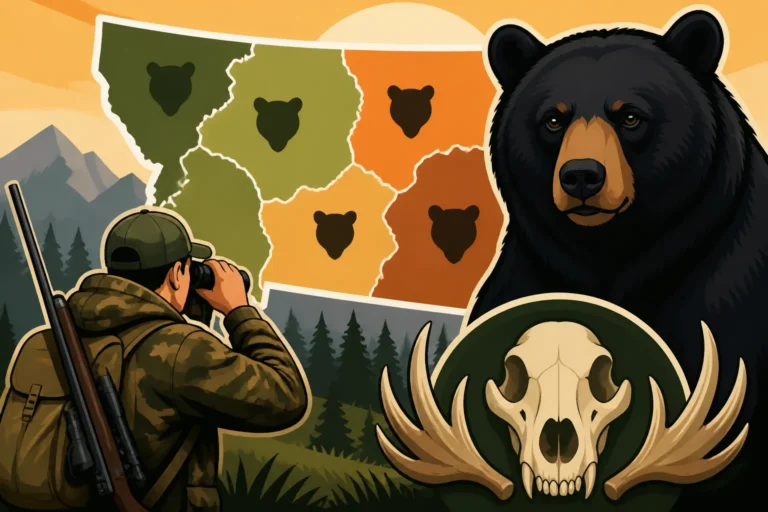
Key Regions and Districts for Montana Black Bears
Montana is a huge state, and while black bears are widely distributed, certain regions and hunting districts consistently offer better opportunities due to prime habitat and healthy populations. Knowing these general areas can help you focus your research and scouting efforts.
Western Montana Mountains
This is arguably the heart of Montana's black bear country. The rugged, heavily forested mountains of western Montana provide ideal conditions for bears, with vast tracts of wilderness, abundant food sources, and plenty of cover.
- Region 1 (Northwest Montana): This region, encompassing areas around Kalispell, Libby, and Thompson Falls, is renowned for its dense forests, excellent huckleberry crops, and significant bear populations. Think Flathead National Forest and Kootenai National Forest. Hunting Districts like 103, 104, 108, and 120 often show consistent bear activity. This is prime country for a Montana Backcountry Hunting Guide experience for bears.
- Region 2 (West Central Montana): Around Missoula, Seeley Lake, and the Bitterroot Valley, you'll find similar, highly productive bear habitat. The Lolo National Forest and Bitterroot National Forest offer extensive public lands with diverse food sources. Districts such as 200, 204, 210, and 260 are strong contenders. These areas see significant harvest numbers and are popular for both spring and fall hunts.
- Region 3 (Southwest Montana): While more famous for elk, areas like the Gravelly Range, Beaverhead-Deerlodge National Forest, and parts of the Absaroka-Beartooth Wilderness also hold good black bear numbers. Districts closer to forested mountains and less heavily agricultural, such as 300, 310, 330, and 360, are worth investigating. This region often has a later spring green-up compared to more western valleys but offers excellent opportunities as summer progresses.
Central and Southwestern Montana
Moving eastward, the bear populations can become a bit more scattered, but there are still excellent opportunities, particularly in the island mountain ranges that dot the landscape.
- Region 4 (North Central Montana): Areas like the Little Belt Mountains, Big Belt Mountains, and portions of the Lewis and Clark National Forest can offer quality bear hunting. While perhaps not as dense as the extreme west, these ranges provide critical habitat. Look at districts like 400, 410, and 440. These areas might require a bit more legwork in terms of scouting but can reward patient hunters.
- Region 5 (South Central Montana): The areas bordering the Yellowstone Ecosystem, including the Gallatin Range and the Absaroka-Beartooth Wilderness, are home to healthy bear populations. This region is known for its rugged terrain and abundant huckleberry crops in season. Districts such as 500, 510, and 520 consistently produce bears. The terrain here can be incredibly challenging, so physical preparation for a Montana Elk Hunt Fitness Plan can apply equally to bear hunting.
Northeastern and Southeastern Montana (Limited but Present)
While the eastern plains are generally not considered primary black bear habitat, they do hold localized populations, primarily along major river drainages that provide timbered cover and a consistent water source.
- River Corridors: Along the Missouri, Milk, Yellowstone, and other significant rivers in eastern Montana, you'll find narrow strips of cottonwood, willow, and deciduous forest. These riparian zones act as critical habitat and travel corridors for bears. Populations here are typically lower density and more localized, often associated with agricultural areas where they can find supplemental food.
- Isolated "Island" Ranges: Very occasionally, an isolated, timbered mountain range or butte system on the plains might hold a small, resident bear population. However, these are often limited in access and numbers, and require very specific local knowledge. Hunters targeting these areas often prioritize How to Hunt Whitetail in Montana River Bottoms as a secondary species, finding bear activity while deer hunting.
Here's a quick overview of seasonal preferences and food sources:
| Season | Preferred Habitat Features | Primary Food Sources (Typical) | Key Hunting Strategy Notes |
|---|---|---|---|
| Spring | South-facing slopes, avalanche chutes, clear-cuts, riparian zones | New green grasses, dandelions, clover, forbs, winter-killed carrion, insect larvae | Focus on earliest green-ups. Glassing clearings and open slopes. |
| Early Summer | Dense timber, shaded areas, higher elevations (as snow recedes) | Roots, grubs, insects, early berries (strawberries, raspberries), young shoots | Can be tougher due to widespread food; focus on water sources and heavy cover. |
| Late Summer / Early Fall | Huckleberry patches, chokecherry thickets, old burns, mast crop areas | Huckleberries, serviceberries, chokecherries, acorns, other soft mast | Concentrate on productive berry patches. Bears are actively feeding. |
| Late Fall | Close to denning sites, areas with last remaining food, dense cover | Any remaining mast, late berries, agricultural crops (if accessible) | Bears are in hyperphagia; look for areas they're topping off reserves. Fresh snow helps track. |
Finding Montana's black bears is a rewarding challenge that asks you to become a student of the landscape and the seasons. By understanding their habitat preferences and seasonal behaviors, and by leveraging modern scouting tools and local insights, you'll be well on your way to locating these incredible animals.
Disclaimer
Hunting is an inherently dangerous activity. This guide provides general information for educational purposes only and is not a substitute for professional advice, local regulations, or proper safety training. Always consult the most current Montana Fish, Wildlife & Parks regulations, obtain all necessary licenses and permits, and prioritize safety above all else. Hunt ethically, responsibly, and with respect for the wildlife and the land.