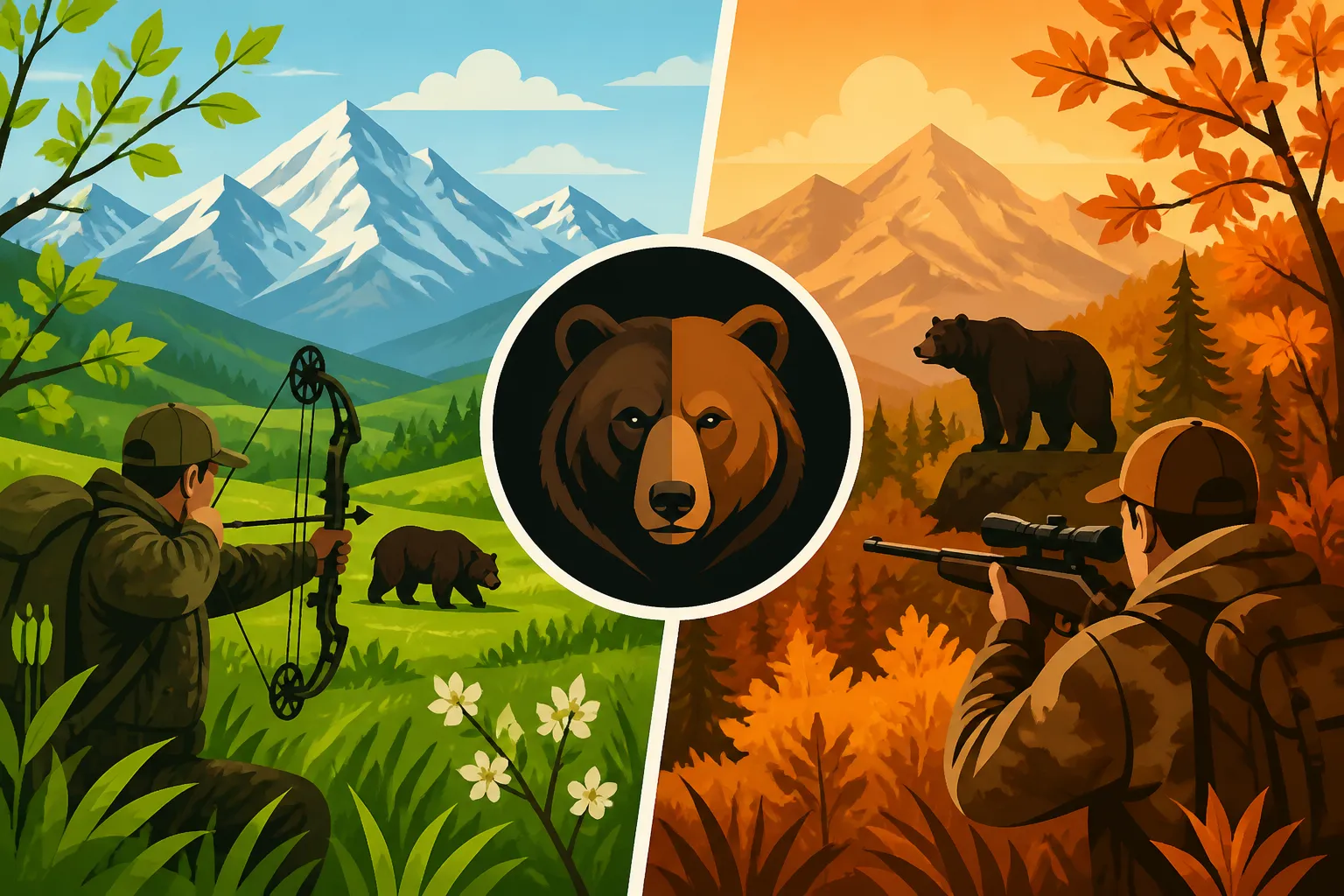
Montana Spring vs Fall Bear Hunting
Deciding when to pursue a black bear in Montana can feel like a real head-scratcher. Many hunters grapple with the fundamental question: is spring or fall the better season for a bear hunt? It's not just about when the season dates open; it's about entirely different hunting experiences, bear behaviors, and strategies. This comprehensive guide will walk you through the distinct characteristics of spring and fall bear hunting in Montana, helping you understand the nuances to plan your most effective hunt.
Understanding Montana's Bear Hunting Seasons
Montana offers distinct black bear hunting seasons in both the spring and the fall, each governed by specific regulations, unit restrictions, and harvest quotas. It’s crucial to understand that these aren’t just different times of the year; they present fundamentally different challenges and opportunities for hunters. The landscape changes, the bears' priorities shift, and your approach needs to adapt accordingly.
Spring Black Bear Season Overview
The spring black bear season typically kicks off in April and runs through May or early June, depending on the specific hunting district (HD) and the bear management unit (BMU). These dates are set by Montana Fish, Wildlife & Parks (FWP) and are subject to change annually, so always consult the latest regulations. During this time, bears are emerging from their dens, often looking a bit lean after a long winter's nap. Their primary drive is to find food and replenish their fat reserves, which heavily influences their patterns and locations. This season is often favored by hunters seeking a hide with full, undamaged fur, as bears haven't yet rubbed much. You can dive deeper into the specifics of Montana Spring Bear Season and Tags to ensure you're up-to-date on all the critical dates and requirements.
Montana's spring bear hunt offers a unique experience, often characterized by melting snow, greening hillsides, and the awakening of the mountains. Hunters often find themselves glassing vast avalanche chutes or south-facing slopes, hoping to catch a glimpse of a bear emerging from timber to browse on fresh vegetation. The weather can be wildly unpredictable, ranging from warm, sunny days to late-season snowstorms, adding another layer of challenge and excitement to the hunt.
Fall Black Bear Season Overview
The fall black bear season typically begins in early September and can extend into late November, again varying significantly by hunting district. Unlike spring, where bears are just starting to put on weight, fall bears are in a hyperphagic state, meaning they are intensely focused on consuming massive amounts of calories to prepare for hibernation. This drive profoundly impacts their movements and food choices. Often, you'll find fall bears with thicker fat layers, which is excellent for meat but can mean their hides are more prone to rubbing, especially later in the season. For a complete picture, check out the information on Montana Fall Bear Season and Tags.
Fall bear hunting often coincides with other big game seasons, like deer and elk, making it a popular choice for hunters looking to combine hunts. The landscape transitions from vibrant greens to golden yellows and deep reds, offering breathtaking scenery. Bears will be feasting on berries, acorns, and other mast crops, and can also be found scavenging on gut piles left by elk and deer hunters. The cooler temperatures of fall also mean less concern about meat spoilage, a significant factor for many hunters.
Key Differences in Bear Behavior and Habitat
Understanding how black bear behavior and habitat use shift between spring and fall is the absolute bedrock of successful hunting in Montana. You can't just apply spring tactics to a fall hunt and expect the same results, and vice-versa. Their seasonal needs dictate everything from where they feed to when they're most active.
Spring Bear Feeding and Locations
When black bears emerge from hibernation in the spring, their bodies are depleted. Their initial priority is finding easily digestible, high-energy food sources to jumpstart their metabolism and regain lost weight. Early season, this often means lush, green vegetation. They're drawn to south-facing slopes, avalanche chutes, and open clear-cuts that receive ample sunlight and are the first to "green up" after the snow melts. These areas offer succulent grasses, forbs, and budding shrubs that are rich in protein and fiber.
As the spring progresses into warmer weather, bears might start keying in on different foods. Some bears, especially larger boars, may be more carnivorous, seeking out winter-killed animals or even preying on newborn deer and elk calves. This means you might find them closer to drainages or areas where ungulates commonly give birth. The key is to think like a bear coming out of a long fast: what's the easiest, most nutritious meal available right now? This focus on early greens and carrion means they often expose themselves in open areas as they forage, making them susceptible to glassing. For a more detailed look into their dietary habits, refer to Montana Black Bear Spring Feeding Patterns.
Fall Bear Feeding and Locations
In the fall, bears are in a race against time to pack on as much fat as possible before winter, a process known as hyperphagia. Their diet shifts dramatically from the spring's green-up. Fall bears are highly opportunistic and calorie-driven, voraciously consuming calorie-dense foods like berries, nuts, and other hard or soft mast crops. Huckleberries, serviceberries, chokecherries, and various acorns are prime targets. If these food sources are abundant, bears will concentrate in areas rich in these crops, sometimes forgoing other opportunities.
You'll find fall bears lower in elevation where berry bushes thrive, or in timbered areas with oak trees. They also become significant scavengers. With deer and elk hunting seasons overlapping, gut piles become a huge attractant. Bears possess an incredible sense of smell, and a fresh gut pile can draw them in from miles around. This makes hunting near recent kill sites a viable, albeit ethically debated, strategy for some. The overall strategy in fall revolves around identifying prime food sources and patiently waiting or still-hunting through those areas.
Bear Activity Patterns by Season
Bear activity patterns also vary significantly between the seasons, primarily driven by ambient temperatures and food availability. In the spring, bears are often most active during the warmer parts of the day – mid-morning to late afternoon – as they seek out sun-exposed slopes to feed and warm their bodies after the chill of dawn. Their activity tends to decrease during the hottest parts of the day, especially as spring turns to early summer. You might see a bear emerge from timber, feed for a few hours, then retreat into the shade for a siesta.
Come fall, their activity can be more spread out, though they still tend to be most active during cooler periods like early morning and late evening. However, during peak hyperphagia, especially if food is abundant, they can be seen feeding throughout the day. Cooler fall temperatures also allow them to be active for longer periods without overheating, driving them to constantly forage. During the rut for deer and elk, and with the increased presence of other hunters, bears might also shift their activity to more nocturnal patterns or become more wary, especially on public land.
Hunting Methods and Strategies for Each Season
Successful bear hunting in Montana boils down to adapting your tactics to the season. What works like a charm in spring might be utterly ineffective in fall, and vice-versa. It’s all about understanding the bear’s current motivations and exploiting those predictable patterns.
Spring Hunting Tactics: Spot and Stalk, Baiting Considerations
Spring black bear hunting in Montana is largely a game of patience and optics, centered around the spot-and-stalk method. Since bears are emerging and seeking the first green vegetation on sun-exposed slopes, hunters often spend hours glassing vast mountainsides, avalanche chutes, and timber edges. The key is to find those south-facing aspects that get early sun exposure and where snow has melted off first, allowing new growth to sprout. Often, bears will make their way out into these open areas in the mid-morning sun to feed and warm up.
Once you spot a bear, the real work begins. You'll need to carefully plan a stalk, using terrain and wind to your advantage, often covering significant distances in challenging, snow-dotted terrain. It’s physically demanding, and you need to be proficient in reading wind currents and anticipating a bear's movements. This is a truly immersive mountain hunting experience. While baiting for black bears is a common practice in some other states, it's generally restricted or prohibited in most public land areas of Montana, though specific regulations can vary by hunting district. Always check the current FWP regulations to understand what's allowed in your chosen area. The focus in Montana for most spring bear hunters remains on fair chase, spot-and-stalk methods. For a comprehensive overview of general bear hunting techniques, consider reading How to Hunt Black Bear in Montana.
Fall Hunting Tactics: Spot and Stalk, Scavenging, Denning Areas
Fall bear hunting also heavily relies on spot-and-stalk, but the focus shifts dramatically from green-up to calorie-rich food sources. Instead of south-facing slopes, you’ll be looking for areas dense with berry bushes (like huckleberries or serviceberries), chokecherries, or areas known for acorn production. These typically occur at lower to mid-elevations. Bears will spend significant time in these areas, often within dense cover, making them harder to spot. Glassing clear-cuts, creek bottoms, and timber edges near these food sources is crucial.
Another prominent fall strategy, unique to this season, is hunting near gut piles. As deer and elk seasons are often open concurrently, the presence of fresh gut piles can be a major draw for opportunistic bears looking for an easy, high-calorie meal. Many hunters will return to their deer or elk kill sites a day or two later, or actively scout for other hunters' kill sites, to look for bears. Additionally, as fall progresses into colder weather, bears begin looking for denning sites. While you won't typically "hunt" a den, understanding their pre-denning behavior means they'll be even more driven to feed in secure, timbered areas, often higher up or in north-facing slopes, before settling in for winter. Scouting for these prime food sources and understanding potential travel corridors to denning areas is key to Best Time to Hunt Black Bear in Montana.
A Seasonal Comparison Table for Montana Black Bear Hunting
To give you a clearer picture of the stark differences, here's a quick comparison of the two seasons:
| Feature | Spring Bear Hunting (April-June) | Fall Bear Hunting (Sept-Nov) |
|---|---|---|
| Primary Food Source | Early green vegetation (grasses, forbs), carrion, emerging shoots | Berries (huckleberries, serviceberries), acorns, other mast crops, gut piles |
| Typical Locations | South-facing slopes, avalanche chutes, open clear-cuts, timber edges | Berry patches, timbered creek bottoms, oak ridges, proximity to ungulate kill sites, pre-denning areas |
| Bear Activity Peak | Mid-morning to late afternoon (warmest parts of day) | Early morning, late evening, can be all day during hyperphagia |
| Hide Quality | Generally excellent; full, dense, minimal rubbing | Varies; often thick, but can have rub spots, especially late season |
| Meat Quality | Good, but bears might be leaner after hibernation | Excellent; bears are often fat, rich flavor |
| Weather | Highly variable; snow, rain, warm sun | Cooler, more stable; can get early snow |
| Physical Demands | High; snow travel, steep terrain, long stalks | High; rugged terrain, often coincides with other big game seasons |
| Other Considerations | Less hunting pressure, bears emerging, challenging glassing | More hunting pressure, bears fattening up, often combined with deer/elk hunts |
Gear and Preparation Considerations
Regardless of the season, hunting black bears in Montana demands proper gear and physical conditioning. However, the specific conditions of spring versus fall will subtly, yet significantly, alter your packing list and physical preparation. Ignoring these seasonal nuances can quickly turn an exciting hunt into a miserable, or even dangerous, experience.
Essential Gear for Spring Bear Hunting
Spring in Montana is notorious for its unpredictable weather, often swinging from warm sunshine to heavy snow or freezing rain within hours. Your clothing system needs to be highly adaptable. Think layers, and lots of them. A good waterproof and windproof outer shell is non-negotiable, protecting you from sudden downpours or blustery ridge tops. Base layers that wick moisture are crucial, as are insulating mid-layers like a puffy jacket or fleece. Footwear needs to be sturdy, waterproof, and provide excellent ankle support, as you'll likely be traversing wet, muddy, or even snowy terrain. Boots like those from Kenetrek or Schnee's are highly favored for their durability and performance in rugged mountain environments.
Optics are paramount for spring bear hunting. A high-quality spotting scope (20-60x or 25-50x), powerful binoculars (10×42 or 12×50), and a solid tripod are essential for glassing vast expanses of country. Many hunters appreciate the stability of a tripod adapter for their binoculars for extended glassing sessions. Given the often-long stalks and potential for deep timber, a reliable GPS device or a mapping app like GoHunt, along with a compass and physical map, is critical for navigation. Don't forget bear spray, a sharp knife, game bags, and enough water and food for a full day, or even an overnight, given the remoteness of many bear habitats.
Essential Gear for Fall Bear Hunting
Fall conditions, while generally more stable than spring, still require thoughtful gear choices. As the season progresses, temperatures can drop significantly, especially at higher elevations or overnight. While you might still need a good waterproof outer shell, heavier insulation will become increasingly important. Think robust merino wool base layers and a warm, insulated jacket for sitting and glassing during crisp mornings and evenings. Gloves, a warm hat, and gaiters to keep debris out of your boots are also vital.
Optics remain key, but you might find yourself glassing different types of terrain. While a spotting scope is still useful for distant observations, strong binoculars might be your primary tool for picking apart timbered hillsides and dense berry patches where bears often feed. Headlamps or good flashlights are essential as days shorten, and you might be hiking out in the dark after an evening stalk. If you're combining your bear hunt with a deer or elk hunt, ensure your rifle caliber is appropriate for both species and that you've practiced shooting from various field positions. Remember, fall bears are often carrying more fat, so having plenty of game bags and a plan for cooling the meat quickly is important.
Physical Demands and Safety
Both spring and fall bear hunting in Montana are physically demanding. You'll be covering rugged, often steep terrain, sometimes at higher elevations. Being in good physical condition is not just about comfort; it's about safety and increasing your chances of success. Training should include hiking with a loaded pack, ascending and descending steep hills, and building core strength. For ideas on how to prepare, consider checking out How to Physically Prepare for a Montana Elk Hunt, which shares many transferable skills.
Safety is paramount when hunting bears. Always carry bear spray and know how to use it. Be aware of your surroundings, especially in dense cover where a surprise encounter is more likely. Let someone know your hunting plan, including your intended route and return time. Dress in visible colors, especially during fall when other hunting seasons are open. Proper field dressing techniques and prompt cooling of meat are crucial to prevent spoilage, particularly during warmer early fall days.
Pros and Cons of Spring vs Fall Bear Hunting
Many hunters stand at a crossroads, pondering the age-old question: spring or fall for black bears? There's no single right answer; it truly depends on your personal preferences, hunting style, and what you prioritize in a bear hunt. Let's break down the advantages and disadvantages of each season to help you make an informed decision.
Advantages and Disadvantages of Spring Bear Hunts
Spring bear hunting often evokes images of greening mountainsides and bears emerging from dens into the sunshine.
Advantages:
- Prime Hide Quality: One of the biggest draws for spring hunters is the superior hide quality. Bears are just out of hibernation, so their fur is usually thick, luxurious, and hasn't yet started to rub, making for a beautiful trophy rug.
- Higher Visibility: As bears seek out the first green shoots on open, south-facing slopes, they can be more visible against the receding snow and brown earth, making glassing more effective. You might spot a bear from a mile away on a clear-cut or avalanche chute.
- Less Hunting Pressure: Generally, spring bear seasons see less overall hunter pressure compared to the bustling fall big game seasons. This can lead to a more solitary, wilderness experience.
- Focus on Bears: Without the distractions of other concurrent big game seasons, spring allows you to dedicate your entire focus to bear behavior and habitat.
Disadvantages:
- Unpredictable Weather: Montana springs are notoriously fickle. You can experience all four seasons in a single day, from warm sunshine to driving rain or heavy snow. This makes packing and adapting to conditions a constant challenge.
- Challenging Travel Conditions: Melting snow can lead to muddy trails, swollen creeks, and lingering snowdrifts at higher elevations, making travel physically demanding and sometimes hazardous.
- Meat Spoilage Concerns: While not as hot as summer, early spring can still have warm days, increasing the risk of meat spoilage if proper care isn't taken immediately after a kill.
- Leaner Bears: Bears are typically leaner after months of hibernation, meaning less fat and potentially less meat yield.
Advantages and Disadvantages of Fall Bear Hunts
Fall bear hunting, on the other hand, brings a different set of opportunities and challenges, often overlapping with the excitement of other big game seasons.
Advantages:
- Fatter Bears and Excellent Meat: Fall bears are in hyperphagia, aggressively feeding to build up fat reserves for winter. This results in heavier, fatter bears, yielding more meat and often a richer flavor profile.
- Concurrent Seasons: The biggest advantage for many is the ability to combine a bear hunt with a deer or elk hunt. This multi-species opportunity allows hunters to make the most of their time in the field.
- Predictable Food Sources: Bears are highly concentrated around abundant mast crops and berry patches. Once you locate these food sources, you can often find consistent bear activity.
- Cooler Temperatures: Cooler fall temperatures greatly reduce the risk of meat spoilage, making game care easier and less stressful.
- Breathtaking Scenery: The autumn foliage in Montana's mountains is truly spectacular, offering a visually stunning hunting experience.
Disadvantages:
- Increased Hunter Pressure: Fall is prime hunting season in Montana, meaning significantly more hunters in the field for deer, elk, and bear. This can make finding undisturbed areas more challenging.
- Rubbed Hides: While fur is thick, fall bears, especially later in the season, are more prone to rubbing, which can diminish the quality of the hide for a trophy.
- Lower Visibility: Bears in fall often feed in dense cover within berry patches or timber, making them harder to spot from a distance compared to spring bears on open slopes.
- Competition for Resources: Both bears and other game species, as well as hunters, are all vying for the same limited resources and spaces in the fall, leading to more complex hunting scenarios.
Maximizing Your Success: Tips for Both Seasons
No matter if you choose the fresh green-up of spring or the vibrant colors of fall, thoughtful planning, diligent scouting, and adherence to regulations are your best friends for a successful Montana black bear hunt. Don't leave things to chance; a little extra effort upfront can make all the difference.
E-Scouting and Research Tools
In today's hunting world, effective e-scouting is non-negotiable for both seasons. Before you even step foot in the woods, spend significant time poring over maps, aerial imagery, and topographic data. Tools like GoHunt's Insider platform or OnX Hunt are invaluable for identifying potential bear habitat. In spring, you'll be looking for those south-facing slopes, avalanche chutes, and timbered draws that will shed snow first and green up. Use the terrain analysis features to pinpoint aspect and elevation. For fall, shift your focus to identifying areas with known berry patches (e.g., huckleberry zones) or hard mast-producing trees. Look for areas with a mix of cover and these food sources.
Beyond satellite imagery, consult FWP's hunting district maps and harvest statistics. Pay attention to districts with consistent bear harvests, but also consider districts with lower pressure if you prioritize solitude. You can learn a lot from public forums and hunting reports, though always take anecdotal evidence with a grain of salt. Cross-reference what you learn with scientific data on Montana Black Bear Population and Range and Montana Black Bear Behavior to build a robust scouting plan. Identifying potential access points, likely bedding areas, and water sources are crucial for both seasons. For a deeper dive into planning, explore How to E-Scout Montana Hunting Units and Montana Hunt Planner Maps Explained.
Understanding Regulations and Quotas
Montana's black bear regulations are not uniform across the state. They vary significantly by hunting district and bear management unit, and they can change annually. It is your responsibility to thoroughly read and understand the current FWP regulations for your chosen area. These regulations will specify season dates, weapon restrictions, legal animals (e.g., size restrictions, sow with cubs prohibitions), and any specific baiting rules.
Pay close attention to quotas. Some districts have finite quotas for male or female bears, and once that quota is met, the season closes immediately. It's critical to know how to check if a season is still open before heading out. This often involves calling an FWP regional office or checking their website daily. Additionally, ensure you understand the tag requirements. You'll need a base hunting license, a conservation license, and a black bear license. Non-residents have specific application periods and fees, so planning well in advance is a must. Don't forget to understand Montana Black Bear Draw for 2026 if you're looking at controlled hunts.
Disclaimer
Please remember that hunting regulations, season dates, and quotas are subject to change. Always consult the official Montana Fish, Wildlife & Parks (FWP) regulations for the current year before planning or embarking on any hunting trip. This guide provides general information and recommendations, but it is the hunter's responsibility to know and follow all applicable laws.