Montana Moose Hunting Odds
The dream of drawing a Montana moose tag is often whispered among hunters like a sacred secret, a true bucket-list quest. But let's be honest, the reality of securing one of these highly coveted permits is akin to winning a lottery – a very, very exclusive lottery. This comprehensive guide will walk you through the intricate world of Montana moose hunting odds, breaking down the FWP draw system, analyzing what influences your chances, and offering strategies to help you navigate this challenging yet incredibly rewarding pursuit.
Understanding Montana's Moose Population and Management
Before we even dive into draw odds, it's crucial to understand the magnificent animal itself and how Montana Fish, Wildlife & Parks (FWP) works to manage its populations. Unlike the more numerous elk or deer, moose are special, requiring a different approach.
Montana Moose Population Trends and Health
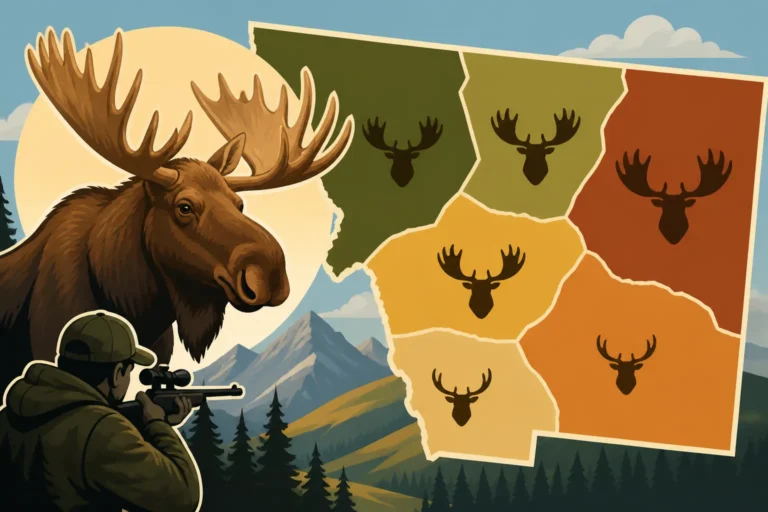
Montana's moose populations, while stable in many core areas, are generally far less abundant than other big game species. They're also susceptible to different environmental pressures. We've seen some localized declines due to factors like winter ticks, habitat changes, and even the impacts of a warming climate affecting their preferred cool, high-elevation environments. FWP carefully monitors these herds through aerial surveys and hunter reports, striving to maintain healthy, viable populations. You'll find the highest concentrations of moose primarily in the western and southwestern mountainous regions of Montana, areas rich in dense timber and riparian zones. Their management is often focused on maintaining a healthy bull-to-cow ratio and ensuring the long-term viability of the species, rather than maximizing harvest numbers.
Moose Habitat and Preferred Environments
Moose are creatures of the dense, wet, and often rugged wilderness. They thrive in environments that offer a mosaic of mature forests, willow thickets, and abundant water sources. Think high-elevation basins, river bottoms choked with alder and willow, and areas near lakes and marshy meadows. These habitats provide the specific forage they need, like woody browse and aquatic vegetation, as well as crucial cover from predators and summer heat. You’ll often find them browsing on young aspens, willows, and various shrubs, especially in the cold winter months. Key areas include the dense forests of the Kootenai, Flathead, and Lolo National Forests in western Montana, as well as parts of the Beaverhead-Deerlodge National Forest in the southwest. If you're serious about your moose quest, understanding Montana Moose Range and Districts is paramount to narrowing down potential areas for a future hunt.
Montana's Moose Management Philosophy
FWP's management philosophy for moose is highly conservative, emphasizing sustainability and maintaining a trophy-quality experience. This isn't about general tags and high harvest quotas; it's about carefully allocating a very limited number of permits to ensure the long-term health of the herd. The number of moose permits issued each year is extremely low compared to other species, reflecting the moose's lower population density and specific habitat requirements. Each hunting district (HD) offering moose permits has its own specific objectives, often aiming for a certain age structure among bulls or targeting specific population segments. This strict management is precisely why drawing a Montana moose tag is such a rare and celebrated achievement. It's a testament to the quality and rarity of the hunting experience offered.
The Montana Moose Draw System Explained
Montana's big game draw system can feel like a labyrinth, especially when you're talking about species as coveted as moose. It's not as straightforward as just applying and hoping for the best; there are specific mechanics at play that you absolutely need to understand.
Essential Licenses and Permit Requirements
To even apply for a Montana moose permit, you first need to cover your base license requirements. This includes a valid Conservation License, an Aquatic Invasive Species (AIS) Prevention Pass, and a base hunting license. For nonresidents, this all adds up before you even consider the significant fee for the moose permit itself, which you only pay if you draw the tag. The moose permit is what's known as a "limited entry permit" in Montana, meaning only a certain number are issued annually through a lottery system for specific hunting districts. You'll need to select a specific hunt code, which designates the hunting district, weapon type, and sometimes the specific season dates. It's critical to ensure you meet all the prerequisites and understand the nuances of the Montana Moose Sheep Goat Season Dates for the year you plan to apply. Missing a small detail can invalidate your application.
The Bonus Point System for Moose
Montana employs a bonus point system for moose, bighorn sheep, and mountain goats, which functions differently from a preference point system. With bonus points, every point you accumulate essentially adds your name to the "hat" an additional time. So, if you have 10 bonus points, your name goes into the draw 11 times (your current application + 10 points). This means that while having more points significantly increases your odds, it doesn't guarantee you a tag, and someone with fewer points can still draw. It's a weighted lottery, designed to reward loyalty but still offer a chance to everyone. You can purchase a bonus point annually even if you don't apply for a moose permit that year, which is a common strategy for long-term hopefuls. Understanding How Montana Bonus Points Work is fundamental to crafting a long-term draw strategy for these highly sought-after species.
The Application Process and Key Deadlines
The application process for a Montana moose permit is conducted online through the FWP licensing system. You'll need to create an account if you don't already have one, then navigate to the permit applications section. Carefully select the correct hunt code for the district you wish to apply for. This is where your research comes in, matching your desired hunt with the relevant district and its historical odds. The deadlines are non-negotiable and strictly enforced. The application period typically opens in the spring, with a firm deadline usually in early April for most big game species. It's vital to mark these dates on your calendar well in advance. Missed deadlines mean no application, no points, and no chance. For detailed planning, always consult the official Montana Big Game Draw Deadlines on the FWP website, as dates can shift slightly year to year. Make sure all your information is accurate before submitting – errors can lead to disqualification.
Analyzing Montana Moose Draw Odds
So, you've got your base license, you understand the bonus point system, and you've picked a district. Now comes the hard part: understanding your actual chances. This isn't for the faint of heart, as moose draw odds are among the lowest in the state.
Deciphering Draw Odds Reports
Montana FWP publishes draw odds reports after each draw cycle. These reports can look intimidating with all their columns and numbers, but they hold the key to understanding your chances. You'll typically see data broken down by hunting district, showing the number of available tags, the total number of applicants, and then the success rates categorized by the number of bonus points applicants held. For example, you might see "Applicants with 0 points," "Applicants with 1-5 points," "Applicants with 6-10 points," and so on, with an associated success percentage or ratio. The more bonus points an applicant has, the higher their statistical chance of drawing. Services like GoHunt's Insider platform specialize in distilling this complex FWP data into user-friendly formats, making it much easier to analyze specific districts and understand how your points translate into real odds. They often provide predictive models and filtering tools that are a game-changer for serious applicants.
Factors Influencing Moose Draw Odds
The primary factors influencing Montana moose draw odds are straightforward: the incredibly low number of tags available and the consistently high demand from hunters. With only a handful of permits typically issued per hunting district, sometimes just one or two, the sheer volume of applicants ensures that odds remain minuscule. Nonresidents face even tougher odds due to strict quotas, generally limited to 10% of the total available permits for most limited entry tags. Another significant factor is "point creep," where the average number of bonus points held by successful applicants gradually increases over the years. This means that if you're holding a certain number of points today, those same points might not carry the same statistical weight five years from now, as more people accumulate maximum points. This dynamic makes the draw a continuous challenge, and it's why many hunters are researching Montana Moose Draw Point Requirements year after year.
Historic Data and Future Projections
Looking at historic draw data is not just an academic exercise; it's a critical part of your long-term strategy. By reviewing past FWP reports, you can identify patterns: which districts consistently have the lowest (or highest, relatively speaking) number of applicants, where permit numbers might fluctuate, and how many points successful applicants typically held. While past performance is no guarantee of future results, it provides the best available insight into what to expect. FWP adjusts permit numbers based on ongoing population surveys and management objectives. For example, a severe winter might lead to a slight reduction in permits for a specific district in subsequent years, while a healthy population trend might allow for a small increase. For the most part, however, moose permit numbers remain incredibly stable due to the conservative management approach, meaning draw odds for these tags are consistently tough.
Strategies to Improve Your Montana Moose Draw Odds
Given the daunting odds, simply applying without a plan is a recipe for disappointment. However, there are strategic approaches you can take to incrementally improve your chances of one day holding that coveted Montana moose tag.
The Long Game: Building Bonus Points
This is arguably the single most important strategy for drawing a Montana moose tag. Since it's a weighted lottery, the more bonus points you have, the more entries you get into the draw, and thus, the higher your probability of success. It's a commitment that often spans decades for many hunters. The best advice? Start buying a bonus point today if you haven't already, even if you're not planning to apply for a tag this year. Consistency is key. You simply go to the FWP licensing system, purchase a bonus point for moose (and sheep and goat if you desire), and repeat annually. This incremental accumulation of points is the only way to build a significant advantage over time. For more on this, you can look into How to Build Bonus Points in Montana. It's a marathon, not a sprint, and patience is truly a virtue here.
Strategic District Selection
Not all hunting districts are created equal when it comes to moose permits. While overall odds are low everywhere, some districts might have slightly better (or worse) odds due to factors like access, terrain difficulty, or general popularity. A district with incredibly rugged, remote terrain and limited vehicle access might have fewer applicants, subtly boosting your odds compared to a more accessible area. This is where meticulous e-scouting and studying FWP's district-specific harvest statistics and hunter pressure maps come into play. Tools like those offered by GoHunt allow you to filter and analyze draw odds by specific hunt code, helping you identify potential diamonds in the rough. You need to balance the dream of a trophy district with the pragmatic reality of which districts offer the best possible chance for a draw. For comprehensive guidance on this, consider exploring How to Choose a Montana Hunting District.
Group Applications and Their Limitations
Montana does allow for group applications for certain species, including moose. In a group application, all members submit their applications together, and if the group is drawn, everyone receives a tag. However, there's a significant catch: the group's application will be entered into the draw using the lowest number of bonus points among all members. This means if you have 15 points and your buddy has 2, your group essentially applies with 2 points. For extremely difficult draws like moose, where accumulating a high number of points is critical, group applications often decrease the odds for individuals with many points. This strategy is generally only advisable for groups where all members have similar, low numbers of points, or for first-time applicants who simply want a shot alongside friends. It's a complex trade-off between individual odds and the shared experience of a group hunt.
Expectations and Realities of Montana Moose Hunting
Let's say you've played the long game, accumulated your points, and the unimaginable happens: you draw that Montana moose tag. Congratulations! But the journey is far from over. This is when the real work, and the true adventure, begins.
Realistic Hunt Success Rates and Trophy Potential
Once you've drawn a Montana moose permit, your chances of success are actually quite high compared to drawing the tag itself. Montana's conservative management means that the areas with permits typically hold healthy moose populations. FWP harvest reports consistently show high success rates for moose hunters, often well over 80-90% for those lucky enough to draw a tag. This is a testament to the quality of the hunting experience and the robustness of the herds in permitted areas. And when it comes to trophy potential, Montana produces some truly magnificent moose. While not as widely known for world-class trophies as Alaska or Canada, Montana moose can certainly rival those of other western states, with bulls often sporting impressive racks. If you're curious about specific areas, researching Montana Moose Trophy Potential by District can provide some exciting insights.
The Physical Demands of a Moose Hunt
Hunting moose in Montana is not for the faint of heart, or for the out-of-shape. These animals typically inhabit rugged, dense, and often wet terrain. You'll likely be navigating thick timber, steep slopes, willow swamps, and potentially snow-covered landscapes, far from roads. A moose can weigh over 1,000 pounds, and once it's on the ground, the real work begins: quartering and packing out hundreds of pounds of meat and antlers from potentially remote, difficult country. This requires exceptional physical fitness, endurance, and mental toughness. Think long days hiking in challenging conditions, the strength to handle heavy loads, and the resilience to push through when fatigue sets in. Serious conditioning, including strength training, cardio, and packing heavy loads, is essential. While focused on elk, the advice in How to Physically Prepare for a Montana Elk Hunt applies equally, if not more, to a moose hunt.
Planning Beyond the Draw: Logistics and Preparation
Drawing the tag is just the beginning; the real logistical puzzle pieces fall into place afterward. Immediately upon drawing, you'll need to dive deep into planning. This includes intensive e-scouting and, if possible, physical scouting of your chosen hunting district. You'll need to sort out your gear: heavy-duty optics to spot these elusive creatures, a reliable rifle in an appropriate caliber for a large animal (like a .300 Win Mag or .338 Win Mag), and a robust packing system to get your moose out. Many hunters opt for a guided hunt once they draw a moose tag, especially if they are unfamiliar with the terrain or prefer the logistical support. Reputable outfitters can offer invaluable local knowledge, horses for packing, and experienced guides to maximize your chances of success and ensure a safe, efficient hunt. Even if you don't use a guide, knowing Montana Hunt Planner Maps Explained and having a detailed plan for every contingency, from weather changes to meat care, is absolutely crucial.
| Hunting District (HD) | Tags Available (Illustrative) | Total Applicants (Illustrative) | Max Points Applied (Illustrative) | Est. Odds for Max Points | Est. Odds for 0 Points |
|---|---|---|---|---|---|
| 121 (NW Montana) | 2 | 500 | 25 | 1:20 | 1:250 |
| 310 (SW Montana) | 1 | 350 | 20 | 1:17.5 | 1:175 |
| 400 (Central Montana) | 1 | 450 | 22 | 1:20.5 | 1:225 |
| 500 (Eastern Montana) | 0 | N/A | N/A | N/A | N/A |
| Note: Odds are highly simplified and for illustration only. Actual FWP draw odds reports are much more detailed and complex. Max Points are the highest points held by an applicant in that draw. |
This table provides a very basic, hypothetical glimpse into how bonus points can theoretically improve your odds, though real-world FWP data for moose is even more extreme, often showing hundreds of applicants for a single tag. It really highlights the critical nature of building those points.
Disclaimer
The information provided in this guide is for general informational purposes only and is not intended as legal or professional hunting advice. Hunting regulations, season dates, draw odds, and license requirements in Montana are subject to change by Montana Fish, Wildlife & Parks (FWP). Always consult the official FWP website and current year's regulations for the most accurate and up-to-date information before planning any hunting activity. Past draw odds do not guarantee future success.