Montana Fall Bear Season and Tags
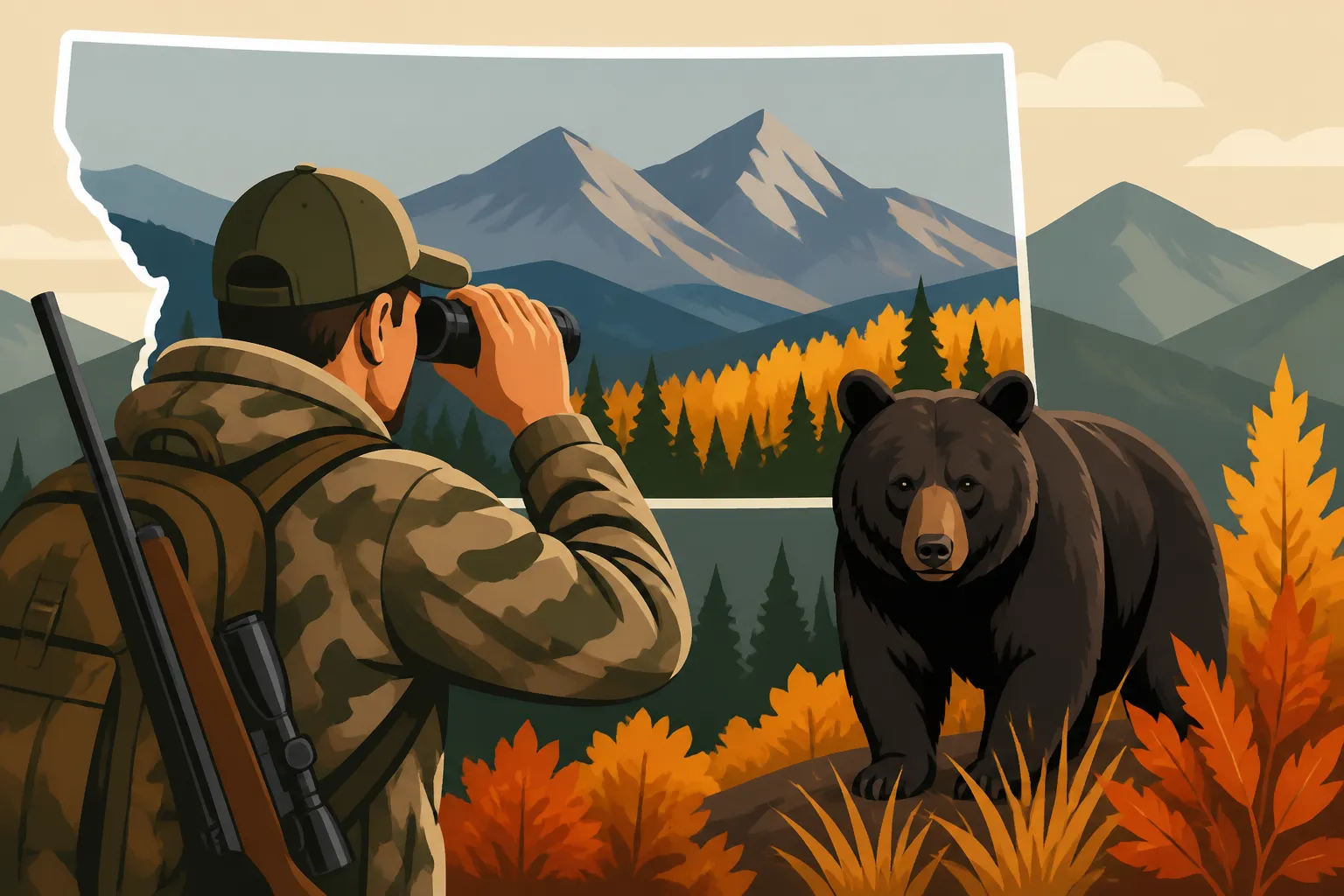
Hunting black bear in Montana during the fall season can feel like navigating a maze, especially with differing dates, tag requirements, and the sheer volume of other big game seasons happening simultaneously. It’s easy to get overwhelmed trying to figure out when and where you can hunt, what tags you need, and how bear behavior shifts from the spring. This comprehensive guide will untangle the complexities of Montana's fall bear season and tags, providing you with all the essential information to plan a successful and compliant hunt, ensuring you understand everything from application timelines to ethical considerations.
Unpacking Montana's Fall Black Bear Season Dates
Unlike the distinct spring season when bears are just emerging, the fall black bear season in Montana often overlaps significantly with other major big game hunts like elk and deer. This can be both a blessing and a curse – more time in the woods, but also more competition and more regulations to juggle. Understanding the general framework and the nuances of regional variations is absolutely crucial before you even start thinking about packing your gear.
General Season Framework for Fall Bear
Generally speaking, Montana’s fall black bear season typically kicks off around September 1st and can run through late November, sometimes even into early December, depending on the specific hunting district and weather conditions. These dates are set by Montana Fish, Wildlife & Parks (FWP) and are subject to change annually, so always double-check the most current regulations. This generous timeframe provides ample opportunity, but it also means bears are transitioning through various stages of their pre-hibernation feeding frenzy, known as hyperphagia. Early fall might find them in higher elevations feeding on berries, while later in the season, they're often found gorging on acorns or other calorie-rich foods in lower, often timbered, areas.
Imagine a scenario where you're planning a combined elk and bear hunt. Knowing that the black bear season starts concurrently with archery elk season in many districts, like parts of Region 3 around Bozeman or Region 2 near Missoula, allows you to strategize for a multi-species opportunity. It’s not uncommon to be calling elk and suddenly spot a black bear foraging nearby. However, this also means you need to be acutely aware of your surroundings, ensuring you don't spook an elk while trying to glass for a bear, or vice versa. The flexibility of these dates can feel liberating, but it demands thorough preparation. For a broader overview of the state's hunting calendar, you can always consult a guide on Montana Hunting Seasons Explained
Regional Differences and Exceptions in Fall Bear Hunting
Montana is a vast state with incredibly diverse landscapes, and its fall black bear seasons reflect that. You'll find significant variations across the seven FWP regions, and even within specific hunting districts. For instance, districts in western Montana's rugged mountains (Regions 1 and 2) often have longer seasons due to larger black bear populations and more remote habitat, sometimes extending through the end of November. Here, bears are often found in timbered slopes, clearcuts, and areas with abundant berry crops like huckleberries or serviceberries in the early fall.
Conversely, some districts in central or eastern Montana, particularly those on the fringes of traditional bear habitat or where bear populations are managed more closely, might have shorter seasons or earlier closures. It's imperative not to assume a statewide season. Always pinpoint the specific hunting district you intend to hunt and cross-reference it with the official FWP regulations. These regional distinctions are not arbitrary; they're based on local bear populations, denning patterns, available food sources, and human-wildlife conflict considerations. These variations are crucial to understand if you want to effectively plan your hunt, especially when trying to pinpoint the Best Time to Hunt Black Bear in Montana.
Navigating Fall Bear Tag Requirements and the Application Process
One of the biggest anxieties for any hunter, especially those new to Montana or from out of state, is making sure they have the correct tags and licenses. Thankfully, acquiring a fall black bear tag in Montana is generally straightforward compared to some of the state's limited-entry draws for other species. However, there are still crucial steps and considerations you need to be aware of.
Securing Your Black Bear License
For both residents and non-residents, the black bear license in Montana is typically available over-the-counter (OTC). This means you don't usually have to participate in a lottery or draw for a general black bear tag, which is a huge relief for many hunters. Residents can simply purchase a conservation license (their base license) and then add a black bear license. Non-residents, on the other hand, will first need to purchase a non-resident base hunting license. Many non-residents opt for a big game combination license, which often includes a black bear tag as part of the package, alongside an elk and/or deer tag. You can also purchase a standalone black bear license if you're not planning to hunt other big game.
It's critical to note that along with your base license and bear tag, you'll also need to purchase an Aquatic Invasive Species (AIS) Prevention Pass. This is a mandatory fee that helps fund efforts to prevent the spread of invasive species in Montana's waterways, and it applies to all hunters and anglers. The process is generally seamless online through the FWP website, or at any licensed vendor. If you're looking for more details on the necessary foundational licenses, our guide on the Montana Conservation License Explained can offer further insights.
Understanding Tag Types and District Specifics
While the general black bear tag is OTC, it's vital to remember that it allows you to harvest one black bear. Montana FWP issues these tags for specific hunting districts, and occasionally, certain districts might have specific quotas or special regulations. For example, some areas might implement an early closure if a harvest quota is met, though this is more common in spring bear hunting or for specific grizzly bear management units. Always consult the FWP regulations specific to your chosen district for any such limitations.
It's also worth noting that non-residents often purchase a "Big Game Combo" or "Elk Combo" license which typically includes a black bear tag. If you're trying to figure out the best units and tag options, particularly for planning a comprehensive hunt, online platforms can be incredibly helpful. If you're looking to dive deep into unit-specific regulations and tag options, platforms like GoHunt can be an invaluable tool for mapping and filtering data, helping you narrow down your options and strategize your application well in advance of the Montana Black Bear Draw for 2026. This allows you to explore the nuances of various hunt codes and what they mean for your black bear pursuit.
Table: Key Differences in Montana Black Bear Tag Acquisition
| Feature | Montana Resident Black Bear Tag | Montana Non-Resident Black Bear Tag |
|---|---|---|
| Availability | Over-the-counter (OTC) | Generally OTC, often included in Big Game/Elk Combo licenses. Standalone bear license also available. |
| Base Requirement | Montana Conservation License | Non-resident Base Hunting License |
| Additional Fees | AIS Prevention Pass | AIS Prevention Pass |
| Draw Requirement | No draw required for general black bear license | No draw required for general black bear license; draw process applies to combination licenses for elk/deer, but the bear tag included is generally available. |
| Harvest Limit | One black bear per license (check district specifics for exceptions) | One black bear per license (check district specifics for exceptions) |
| Application Method | Online FWP portal, FWP offices, licensed vendors | Online FWP portal (often part of a combination license application). For non-residents, the strategy often involves understanding how the combination license works and whether a standalone bear tag is the best approach. GoHunt's Insider service provides detailed analysis on these applications and tools to explore specific units. |
Key Distinctions Between Montana's Spring and Fall Bear Hunting
While both seasons offer fantastic opportunities to pursue black bears, the fall hunt presents a unique set of challenges and advantages that are distinctly different from the spring. Understanding these differences isn't just about reading a calendar; it's about understanding the animal itself and adapting your approach.
Behavioral Shifts and Habitat Use
The most significant difference between spring and fall bear hunting revolves around bear behavior and, consequently, their habitat use. In the spring, bears are typically emerging from their dens, often at higher elevations, and seeking out the first green growth in south-facing slopes. Their focus is on replenishing lost weight after hibernation, and their diet is primarily grasses and early vegetation. This makes areas like new growth on logged units or avalanche chutes prime spots. For a deeper dive into their spring feeding patterns, check out Montana Black Bear Spring Feeding Patterns.
Come fall, however, bears enter a phase called hyperphagia, where they are intensely focused on consuming as many calories as possible to build up fat reserves for winter hibernation. Their diet shifts dramatically to high-energy foods like berries, acorns, chokecherries, apples, and agricultural crops. This often means they move to lower elevations, river bottoms, or specific drainages where these food sources are abundant. For a hunter, this translates to different scouting strategies. Instead of looking for green-ups, you're now searching for productive berry patches, oak brush, or even old orchards. Spot-and-stalk tactics might involve glassing large areas with known food sources or still-hunting through timber where bears might be bedded near their feeding grounds. Understanding Montana Black Bear Behavior is paramount for both seasons, but the specific manifestations of that behavior are vastly different.
Co-mingling with Other Big Game Seasons
Another massive distinction for fall bear hunting is the overlap with Montana's archery and general rifle seasons for elk and deer. This can be a double-edged sword. On one hand, you're already in the woods, often for another species, which means more "eyes on the ground" and increased chances of encountering a bear. Many successful fall bear harvests happen opportunistically while hunting deer or elk. This multi-species opportunity allows for a more efficient use of your hunting time and resources.
On the other hand, this overlap also means increased hunter pressure. Public land areas that hold elk and deer will also be frequented by other hunters, which can make bears more nocturnal or push them into thicker cover. You'll need to be extra vigilant with identification to ensure you're targeting a black bear and not a grizzly, which can be particularly challenging in low light or thick timber, especially when adrenaline is high from an elk encounter. When scouting areas or trying to predict bear movement, especially on public land that sees pressure from elk and deer hunters, services like GoHunt offer detailed maps that can help you identify remote pockets where bears might seek refuge. This also highlights the need for precise identification, as both species can often be found in similar habitats, especially in the western parts of the state. If you're trying to figure out where bear populations generally are, our guide on Montana Black Bear Population and Range can give you a starting point.
Essential Regulations and Ethical Considerations
Hunting black bear in Montana requires adherence to specific regulations designed to manage populations, ensure ethical take, and, crucially, avoid accidental take of protected grizzly bears. Beyond the basic license, there are mandatory reporting requirements and vital ethical considerations every hunter must embrace.
Mandatory Reporting and Hide/Skull Requirements
Montana FWP takes bear management very seriously, and a critical component of that is mandatory reporting. Any harvested black bear must be presented to an FWP representative for inspection and sealing within 10 days of harvest. This isn't just a formality; it's how FWP collects crucial data on bear populations, age, sex, and health, which directly informs future management decisions and season structures.
When you present your bear, an FWP official will inspect the hide and skull. They'll pull a premolar tooth from the bear's jaw to determine its age, and they'll examine the skull to confirm the sex and ensure it's indeed a black bear and not a grizzly. They will also permanently seal the hide and skull, often by attaching a metal tag or stamping. This sealing process is your proof of legal harvest and is required if you plan to transport the bear out of state, or if you intend to have the hide tanned or the skull mounted. Failure to present your bear for inspection and sealing within the 10-day window can result in significant penalties, so make sure this is a top priority after a successful hunt. Staying updated on the latest FWP regulations is paramount, and resources like GoHunt often compile these changes in an easily digestible format, including a guide on Montana Black Bear Season and Tags.
Fair Chase and Ethical Practices
Beyond legal requirements, ethical hunting practices are fundamental to the sport and to the public perception of hunters. When pursuing black bears in Montana, "fair chase" is the guiding principle. This means using hunting methods that don't give the hunter an unfair advantage over the animal. While baiting is legal on private land in some limited circumstances in Montana (always check specific regulations), it is generally prohibited on public lands. Spot-and-stalk and calling are common and highly regarded methods for How to Hunt Black Bear in Montana.
Perhaps the most critical ethical consideration, especially in Montana, is positive identification. Black bears and grizzly bears share much of the same habitat, particularly in western Montana, and their color phases can sometimes be similar (both can be black, brown, or cinnamon). It is absolutely paramount that you positively identify your target as a black bear before pulling the trigger. Look for key physical characteristics: black bears typically have a straight facial profile, prominent ears, and no shoulder hump. Grizzlies, on the other hand, usually have a dished-in facial profile, smaller, rounded ears, and a distinct shoulder hump. Mistaking a grizzly for a black bear can lead to severe legal consequences and is a significant ethical failing. Taking the time to properly identify your target, ensuring a clean, ethical shot, and promptly recovering the animal are all part of being a responsible Montana black bear hunter. This commitment to ethical hunting ensures the preservation of both the species and the sport for future generations.
Disclaimer
Please remember that hunting regulations, season dates, and tag requirements are subject to change by Montana Fish, Wildlife & Parks (FWP). Always consult the most current official FWP regulations before planning or embarking on any hunting trip. This guide is for informational purposes only and does not supersede official government regulations.