Montana Black Bear Population and Range
Trying to understand where black bears roam in Big Sky Country, and just how many there are, can feel like trying to track a ghost in the dark timber. It's a complex puzzle, with bear populations shifting based on habitat, food availability, and human activity. This guide is here to shed some light on the current black bear population and range across Montana, helping you better appreciate these incredible animals, whether you're a hunter, wildlife enthusiast, or just a curious resident.
Understanding Montana's Black Bear Population Dynamics
Montana is a stronghold for black bears, and it's a testament to good habitat and thoughtful management. But it’s never as simple as just throwing out a number. The health of the population is constantly influenced by a myriad of factors, making their presence a dynamic and ever-changing picture across the landscape.
Current Population Estimates and Trends
While exact numbers are notoriously difficult to pin down for any wide-ranging, elusive species, Montana Fish, Wildlife & Parks (FWP) continually monitors black bear populations through various methods. Their estimates generally indicate a robust and stable black bear population throughout the western and central parts of the state. We're not talking about a species teetering on the brink here; they're thriving in much of their traditional range.
Historically, black bears faced challenges with habitat loss and unregulated hunting, but modern conservation efforts, including regulated hunting seasons and habitat protection, have allowed them to rebound significantly. Today, the trend is largely positive, with populations either stable or slightly increasing in many areas, particularly where quality habitat is abundant and human-bear conflicts are managed effectively. This stability means that opportunities for observation and regulated hunting, as outlined in the Montana Black Bear Hunting Guide, remain consistent year after year.
Factors Influencing Bear Numbers
Several critical elements play a role in shaping the number of black bears we see in Montana's diverse ecosystems. It's a delicate balance of nature and human influence.
- Habitat Quality and Availability: This is perhaps the most significant factor. Black bears need vast tracts of diverse forestland, dense brush for cover, and access to water. Areas with a mosaic of timber, open meadows, and riparian zones provide ideal conditions for foraging and denning. When these habitats are fragmented by development or altered by large-scale fires or logging without proper restoration, bear populations can be negatively impacted. Conversely, healthy, interconnected habitats allow populations to flourish.
- Food Resources: Bears are opportunistic omnivores, and their numbers are closely tied to the availability of natural food sources. A good berry crop (huckleberries, serviceberries, chokecherries), plentiful acorns, and other mast crops can lead to higher cub survival rates and healthier, larger bears. Conversely, lean years, often due to late frosts or drought, can lead to bears ranging further, increasing human-bear conflicts, and potentially impacting reproductive success. This is especially critical during the Montana Black Bear Spring Feeding Patterns when they emerge from hibernation.
- Weather Patterns: Harsh winters can increase cub mortality if sows emerge from dens in poor condition. Droughts impact berry and mast production, forcing bears to seek food in human-populated areas. Conversely, mild winters and abundant moisture can contribute to healthier bear populations.
- Hunting Management: Montana FWP employs a science-based approach to black bear hunting, setting quotas and season structures to maintain healthy populations. Regulated hunting helps manage bear numbers in balance with available habitat and minimizes human-bear conflicts. Without it, populations could potentially outgrow their food supply in some areas, leading to increased starvation or property damage.
- Human-Bear Conflicts: As human populations expand into traditional bear habitats, conflicts over garbage, bird feeders, and even livestock become more common. These conflicts, unfortunately, can sometimes lead to the removal of bears, impacting local densities. Education and proactive measures to secure attractants are crucial for coexistence.
Where Do Montana's Black Bears Roam? Exploring Their Range
Montana's landscape is incredibly varied, and black bears have adapted to thrive in a wide array of environments. Understanding their general range and specific habitat preferences is key to appreciating their presence and planning any interactions, whether it's a photography trip or a hunt.
Primary Habitats and Geographical Distribution
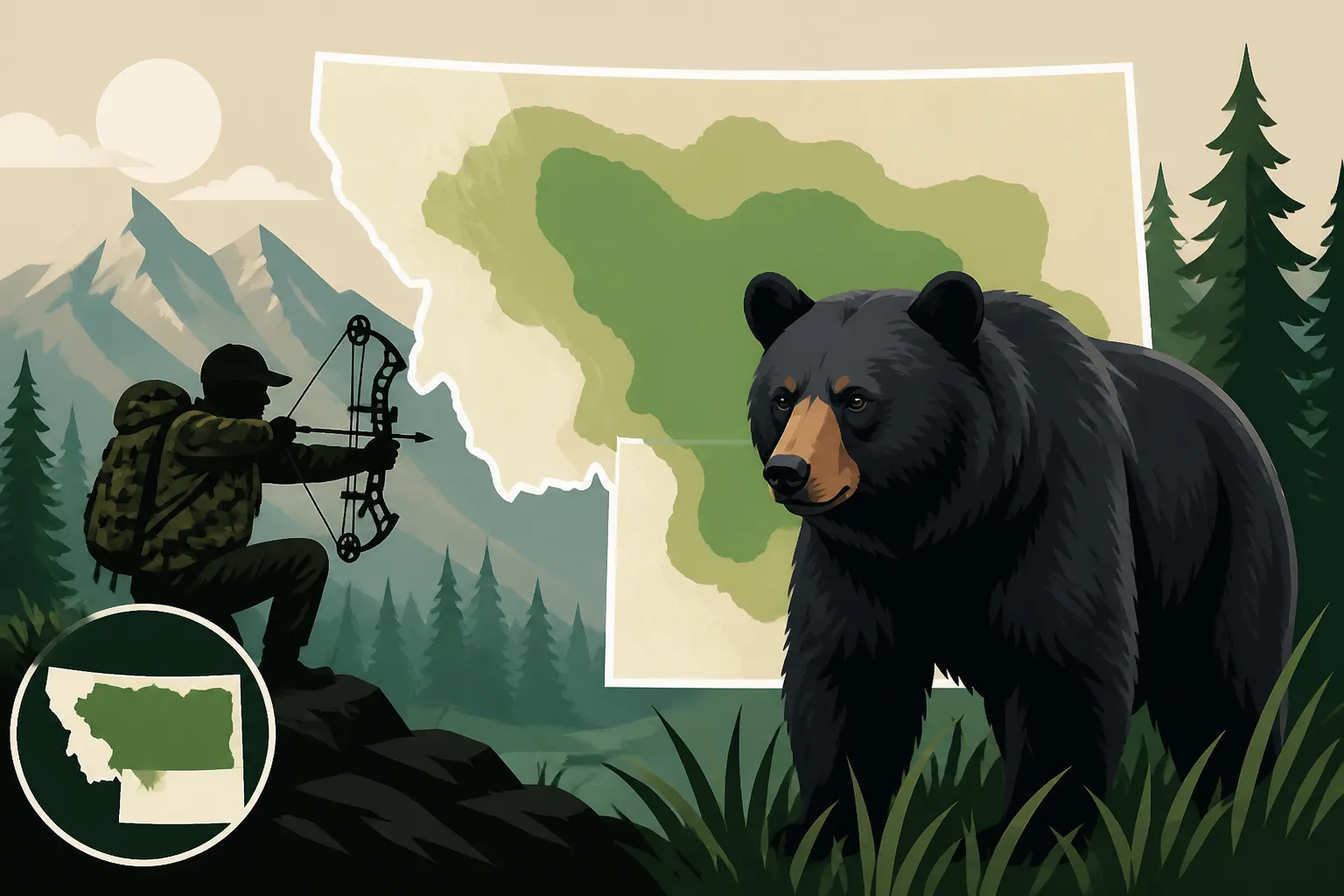
You'll find black bears primarily in the western two-thirds of Montana, encompassing the vast majority of the state’s mountain ranges and forested lands. They are less common, though not entirely absent, in the open plains and agricultural areas of Eastern Montana.
Here’s a breakdown of their typical haunts:
- Western Montana Forests: This is prime black bear country. The dense, mixed-conifer forests of the Cabinet Mountains, Bitterroot Range, and the Flathead National Forest provide abundant cover, diverse food sources, and countless denning sites. Think thick timber, brushy draws, and stream bottoms. Places like the Bob Marshall Wilderness Hunting Guide are classic examples of robust bear habitat.
- Central Montana Mountain Ranges: Areas like the Big Belt Mountains, Little Belt Mountains, and portions of the Absaroka-Beartooth Wilderness also support healthy black bear populations. While the forests might be a bit more fragmented than in the far west, these ranges still offer critical habitat, especially in the rugged, less-developed areas.
- Riparian Corridors and River Bottoms: Even in areas with less extensive forest cover, black bears often follow river and creek bottoms, which provide a natural travel corridor, dense vegetation, and a consistent water source. These riparian zones can sometimes extend their range into areas that might otherwise seem less suitable, acting as green highways for bears.
- Foothills and Brushy Slopes: The transitional zones between mountains and plains, characterized by brush, scattered timber, and rocky outcrops, are also frequently used by bears, especially during spring and fall when foraging for berries and other food sources. They will often utilize these areas before retreating to higher elevations as summer progresses.
While they are mostly found in forested mountains, don't completely rule out their presence in the eastern portion of the state along major river systems like the Missouri, Yellowstone, and Milk Rivers. Here, they utilize the cottonwood galleries and associated brushy draws for cover and food.
Identifying Bear Hotspots
Certain areas consistently hold higher densities of black bears due to an ideal combination of habitat elements. These aren't necessarily specific districts but rather types of terrain and ecological conditions.
- National Forests and Wilderness Areas: These vast, protected landscapes offer the undisturbed habitat and diverse ecosystems that black bears crave. The extensive public lands across Montana, from the Beaverhead-Deerlodge National Forest to the Kootenai National Forest, are critical for maintaining healthy bear populations. Using resources like Montana National Forest Hunting Guide can help you pinpoint these areas.
- Areas with Abundant Berry Crops: Bear populations will concentrate wherever their favorite foods are plentiful. In late summer and early fall, huckleberry patches in Western Montana, for instance, become significant bear magnets. Knowing the typical timing and locations of these food sources is crucial for understanding bear movements and potential hotspots.
- North-Facing Slopes and Dark Timber: Especially in spring and early summer, you'll often find bears grazing on lush new growth on north-facing slopes. Later, during warmer periods, they’ll seek refuge and forage in the cool, dense confines of dark timber, where they can escape the heat and find undisturbed areas.
- Adjacent to Agricultural Lands (with caution): While not ideal, sometimes bears will venture into areas bordering agricultural lands if natural food sources are scarce. This often leads to conflicts, so it's a zone to approach with extreme caution, both for human safety and bear welfare.
Understanding these hotspots is vital for anyone planning to spend time in bear country. Resources like [GoHunt's] mapping tools can be invaluable for identifying prime bear habitat, analyzing satellite imagery for food sources, and even looking at historical data for black bear sightings or harvest success in specific areas. It’s an effective way to e-scout and develop a better understanding of the landscape before you ever set foot in it.
Black Bear Behavior and Seasonal Movements
Knowing where bears live is one thing, but understanding when and why they move through these areas is critical. Black bear behavior is highly seasonal, driven primarily by the need to find food and prepare for hibernation.
Seasonal Patterns and Food Sources
Black bears are creatures of habit, and their annual cycle is deeply intertwined with the changing seasons and the availability of sustenance.
- Spring (Emergence and Foraging): Bears typically emerge from their dens in late March or April, often after the snowmelt. They are hungry, having lost a significant amount of weight during hibernation. Their diet at this time consists mainly of succulent green vegetation like grasses, sedges, and forbs. They’ll also seek out winter-killed carrion and insect larvae. During this period, they often frequent south-facing slopes where snow melts first and new growth appears. This early season behavior is key for those interested in Montana Spring Black Bear hunting.
- Summer (Calorie Loading): As summer progresses, bears shift their diet to include a wider array of foods. Berries become paramount, with huckleberries, serviceberries, raspberries, and chokecherries forming a major part of their diet. They'll also continue to eat insects, roots, and occasionally deer or elk fawns. This is a critical time for them to pack on calories in preparation for hibernation. Water sources and dense cover are also important during the warmer months.
- Fall (Hyperphagia and Denning): This is arguably the most crucial period for black bears, known as hyperphagia, where they enter an intense feeding frenzy to build up fat reserves for winter. Mast crops like acorns and pine nuts, if available, become incredibly important. They'll continue to feast on any remaining berries and often focus on high-energy foods. As temperatures drop and food sources dwindle, bears begin to seek out denning sites, often in hollow logs, rock crevices, or self-dug dens. This intense feeding period is what makes Montana Black Bear Behavior so fascinating to observe, and critical for hunters to understand during the Montana Fall Bear Season and Tags.
Understanding Bear Activity for Hunting or Viewing
For anyone venturing into bear country, whether for a hunt or simply to observe wildlife, understanding their activity patterns is invaluable.
- Timing of Activity: Black bears are generally most active during dawn and dusk. This crepuscular behavior allows them to avoid the heat of midday in summer and to utilize low light conditions for foraging. However, they can be active at any time of day, especially if food is abundant or they feel undisturbed. During the peak of berry season, it's not uncommon to see them out foraging in the middle of the day.
- Sign and Scat: Learning to identify bear sign is an essential skill. Look for tracks (five toes, large heel pad), scat (often containing berry seeds or fur depending on diet), claw marks on trees, overturned rocks (from looking for grubs), and rubbed trees. These signs indicate recent bear activity and can help you pinpoint areas where bears are currently feeding or traveling.
- Using Optics: In Montana's vast landscapes, good optics are your best friend. Binoculars and spotting scopes are critical for scanning distant slopes, clearings, and berry patches for bears without disturbing them. You’d be amazed what you can pick out with a quality pair of binos when bears are browsing in open areas.
- Wind and Thermals: Bears have an incredible sense of smell. Always be mindful of the wind direction, especially if you're trying to get close for viewing or hunting. Bears use thermals (air currents that rise in the morning and fall in the evening) to their advantage, and so should you. Positioning yourself downwind or crosswind is paramount to avoid being detected. These tactics are central to any successful hunt, whether you're targeting bear or even something like a How to Hunt Mule Deer on Montana Public Land.
Remember, while this information helps you understand their patterns, bears are still wild animals. Always prioritize safety, carry bear spray, and know how to use it.
Conservation and Management of Montana's Black Bears
Montana's healthy black bear population isn't accidental. It's the result of ongoing conservation efforts and proactive management strategies by state wildlife agencies, supported by hunters and conservationists alike.
Montana FWP's Role in Population Management
Montana Fish, Wildlife & Parks (FWP) is the primary agency responsible for the management and conservation of black bears in the state. Their approach is multi-faceted, relying on scientific data, public input, and adaptive strategies to ensure healthy populations for future generations.
- Research and Monitoring: FWP conducts extensive research, including tracking studies, den checks, and population modeling, to understand bear demographics, health, and habitat use. This data is crucial for making informed management decisions. They gather information on litter size, cub survival, and adult mortality rates to assess population health.
- Hunting Regulations: Regulated hunting is a cornerstone of black bear management in Montana. FWP sets annual hunting seasons, bag limits, and specific rules (like avoiding baiting in most areas, or specific permit requirements for certain districts, which you might find under Montana General vs Permit Tags Explained) designed to control populations, prevent overharvest, and distribute hunting pressure. Hunting helps maintain populations within ecological carrying capacities, reducing conflicts with humans and other wildlife. For non-residents, understanding the complex draw system and points, detailed in guides like Montana Nonresident License Draw Explained, is key to participating.
- Habitat Conservation: FWP works with private landowners, federal agencies like the U.S. Forest Service, and conservation groups to protect and restore critical bear habitat. This includes efforts to maintain forest health, manage wildfires, and secure access to important corridors that bears use for movement.
- Public Education and Conflict Resolution: A significant part of FWP's role involves educating the public on how to live and recreate safely in bear country. This includes advice on securing attractants (like garbage and pet food), proper food storage for campers, and how to react during a bear encounter. They also play a vital role in responding to and resolving human-bear conflicts. Programs like Bear Aware are important community resources.
Responsible Hunting and Coexistence
Hunting black bears in Montana is a privilege that comes with significant responsibility. Ethical hunting practices are paramount, not just for the animal's welfare, but for the public perception and continuation of hunting as a conservation tool.
- Fair Chase Principles: Montana emphasizes fair chase hunting, meaning hunters pursue animals ethically without undue advantage. This often means no baiting in many areas, and relying on scouting, tracking, and calling skills, which are outlined in resources like How to Hunt Black Bear in Montana.
- Species Identification: It is absolutely critical for hunters to correctly identify black bears. Grizzly bears, a federally protected species, also inhabit much of the same range in Western Montana. Hunters must be proficient in distinguishing between the two, which can be challenging, especially at a distance or in poor light. FWP provides resources and educational materials to help hunters with this crucial skill.
- Meat Care and Utilization: Ethical hunting means making full use of the animal. Bears provide excellent meat, and proper field dressing and packing out the meat quickly are essential, especially during warmer early seasons. Many hunters process the meat themselves or use local butchers across Montana.
- Respect for Wildlife: Beyond hunting regulations, responsible coexistence means fostering a deep respect for black bears and their role in the ecosystem. This involves minimizing our impact when recreating in bear country, giving them space, and advocating for policies that support both human safety and bear conservation. Organizations like the Montana Bowhunters Association and the Rocky Mountain Elk Foundation play a key role in advocating for responsible wildlife management.
The future of Montana's black bear population looks bright, thanks to a combination of vast wild landscapes, effective wildlife management, and the dedication of responsible hunters and outdoor enthusiasts. It’s a species that truly embodies the wild spirit of Big Sky Country.
Montana Black Bear Habitat and Population Overview
To give you a clearer picture of where black bears thrive and the general characteristics of their preferred homes across Montana, here's a helpful table.
| Montana Region | Primary Black Bear Habitat | Population Tendency | Key Food Sources | Notes on Range |
|---|---|---|---|---|
| Western Mountains | Dense mixed-conifer forests, riparian zones, brushy slopes | Stable/Robust | Huckleberries, serviceberries, grasses, carrion | Highest densities, continuous forest cover, includes major wilderness areas. |
| Central Mountains | Pine forests, aspen groves, brushy draws, high elevation | Stable | Berries, roots, insects, grasses | Healthy populations, more fragmented habitat than the far west. |
| Foothills/Breaks | Transition zones, scattered timber, dense shrublands | Present/Moderate | Chokecherries, buffalo berries, grasses, insects | Utilized seasonally, often travel corridors, can lead to human conflicts. |
| Eastern Plains | Major river bottoms (cottonwood galleries), badlands | Sparse/Localized | Berries, roots, small mammals, agricultural crops | Limited range, primarily along waterways, less common on open prairie. |
This table provides a general overview, but remember that bear presence can be highly localized based on specific conditions, and bears are known to travel significant distances. Using tools like those from GoHunt can help you dive deeper into specific districts and their unique characteristics.
Disclaimer
Please be aware that hunting regulations, seasons, and wildlife populations can change. Always consult the most current Montana Fish, Wildlife & Parks (FWP) regulations and official resources before planning any hunting trip or engaging in outdoor activities in bear country. This information is provided for general guidance and educational purposes only.